Whether a Vizsla Needs Titers Instead of Boosters
Vaccine titers for Vizslas measure immunity levels, helping owners and veterinarians decide if booster shots are necessary.
Know what to watch for.
Breed-specific conditions, screening and DNA tests, what surgery actually costs, and the daily habits that stretch a healthy lifespan.

Vaccine titers for Vizslas measure immunity levels, helping owners and veterinarians decide if booster shots are necessary.
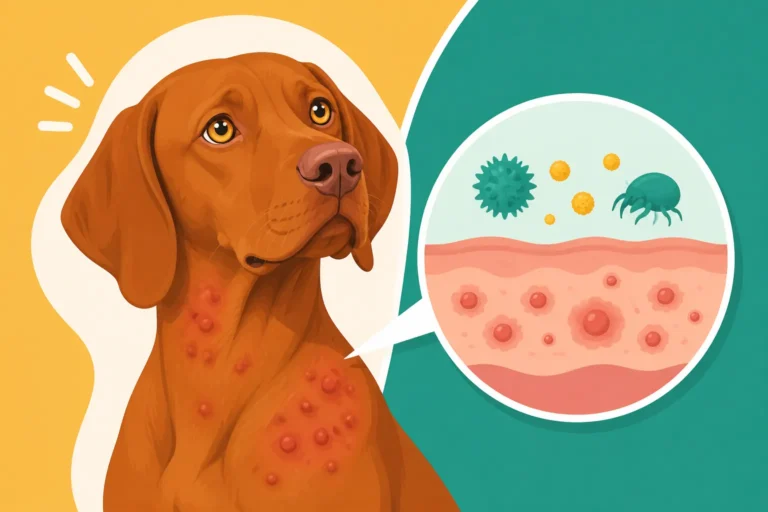
Vizsla hives cause raised skin bumps on the head, neck, and inner thighs from insect stings, plants, or food allergens.

Vizsla food sensitivities cause persistent itching and stomach upset resulting from narrow genetic bottlenecks in the breed.
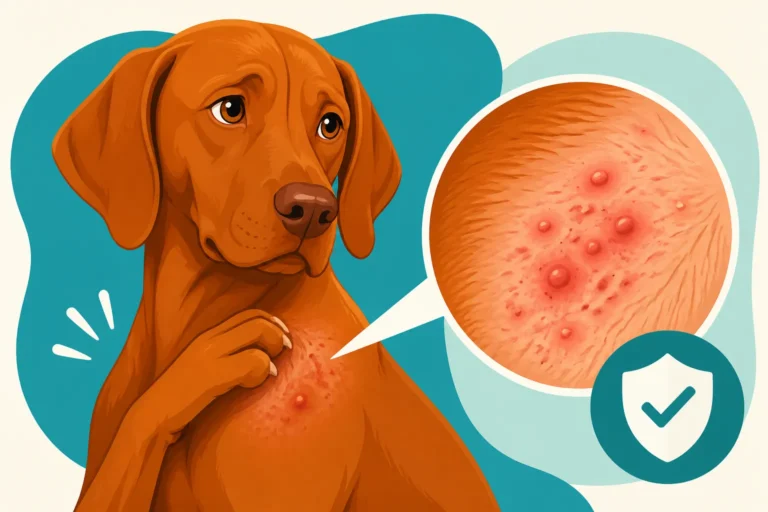
Atopic dermatitis in Vizslas causes chronic itching and red paws, requiring veterinary care for management and lasting relief.
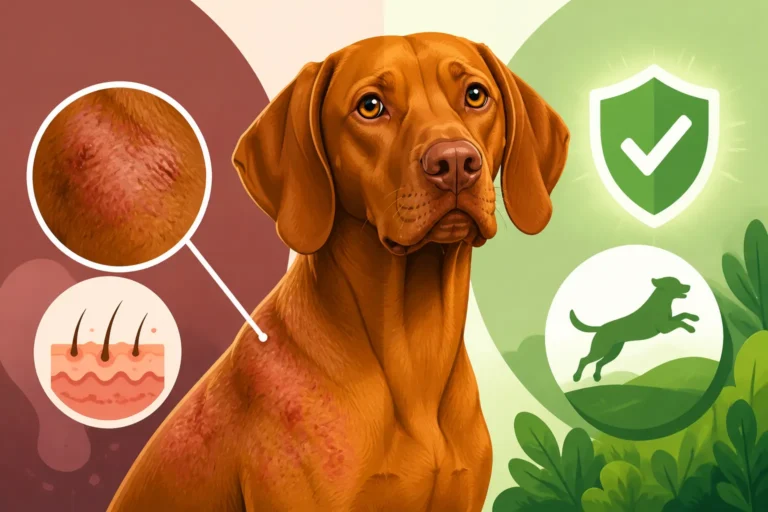
Vizsla skin diseases like Sebaceous Adenitis and allergies affect lifespan through chronic immune strain and infections.

Breeding an affected Vizsla with genetic health issues involves difficult ethical responsibilities for owners and breeders.
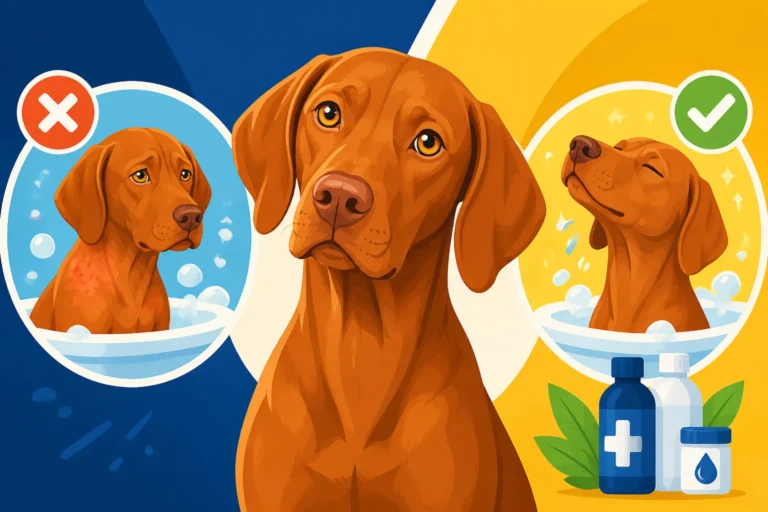
Chronic Vizsla skin conditions and medicated baths requirements are explained, detailing genetic causes like Sebaceous Adenitis.
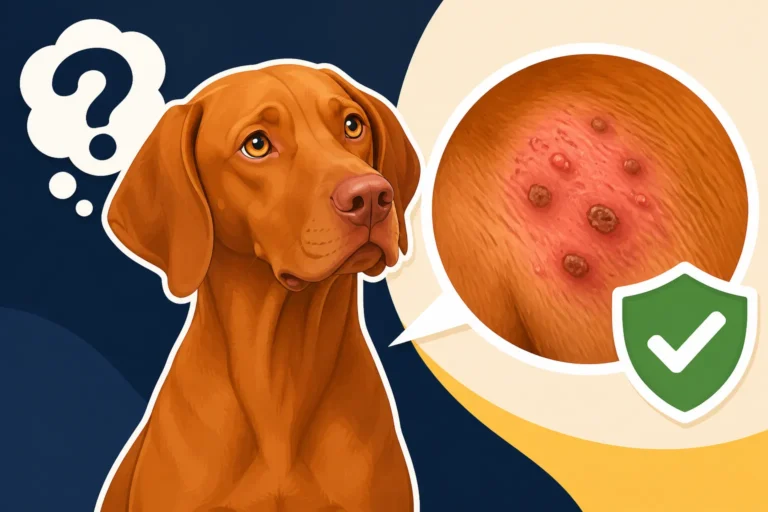
Vizsla skin sensitivity and allergies can cause primary issues leading to secondary infections requiring proper management.
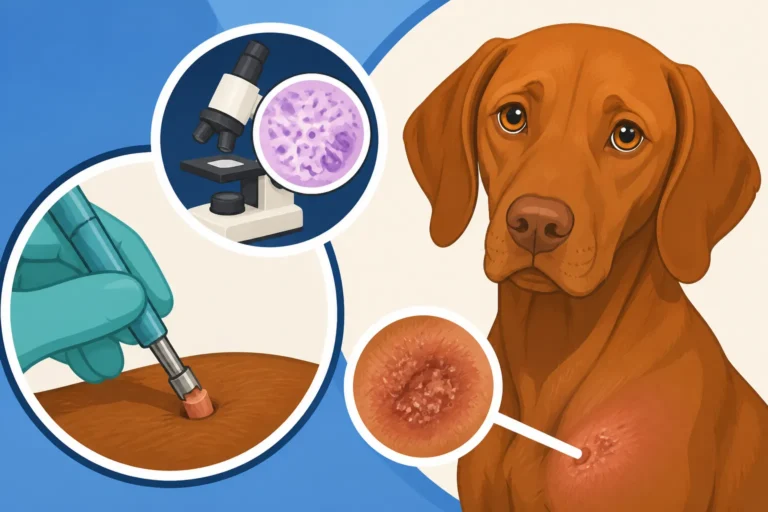
A veterinary skin biopsy helps diagnose sebaceous adenitis and complex skin conditions in your Vizsla by examining tissue samples microscopically.

Cyclosporine is an immunosuppressant medication used to treat autoimmune conditions like sebaceous adenitis and atopic dermatitis in Vizslas.