Whether Sebaceous Adenitis Is Painful for a Vizsla
Sebaceous adenitis in Vizslas causes skin inflammation, hair loss, and secondary infections that lead to physical discomfort.
Know what to watch for.
Breed-specific conditions, screening and DNA tests, what surgery actually costs, and the daily habits that stretch a healthy lifespan.
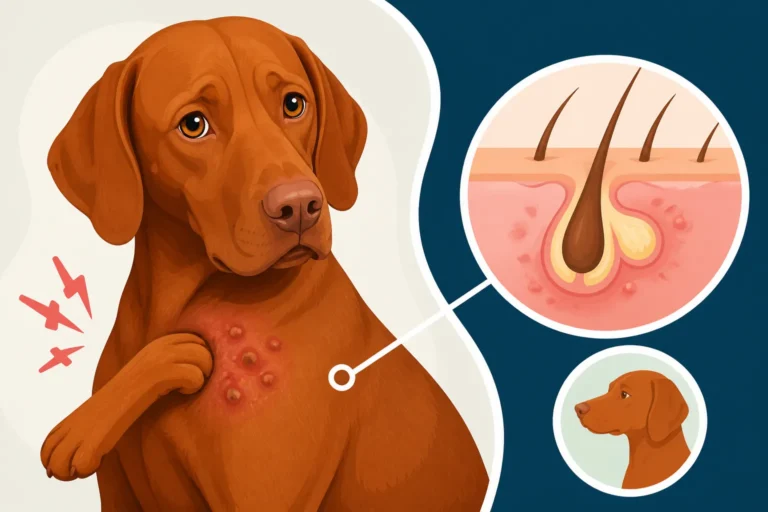
Sebaceous adenitis in Vizslas causes skin inflammation, hair loss, and secondary infections that lead to physical discomfort.
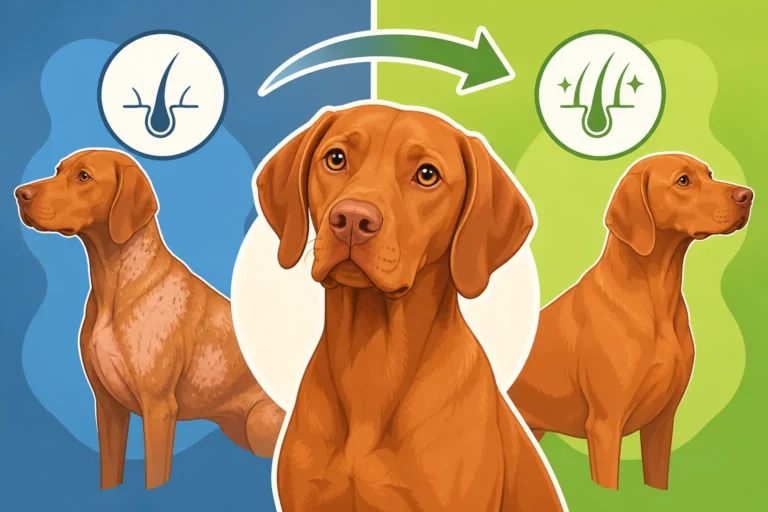
Vizsla hair loss causes and single layer coat health explain if golden-rust fur grows back after patches of thinning appear.
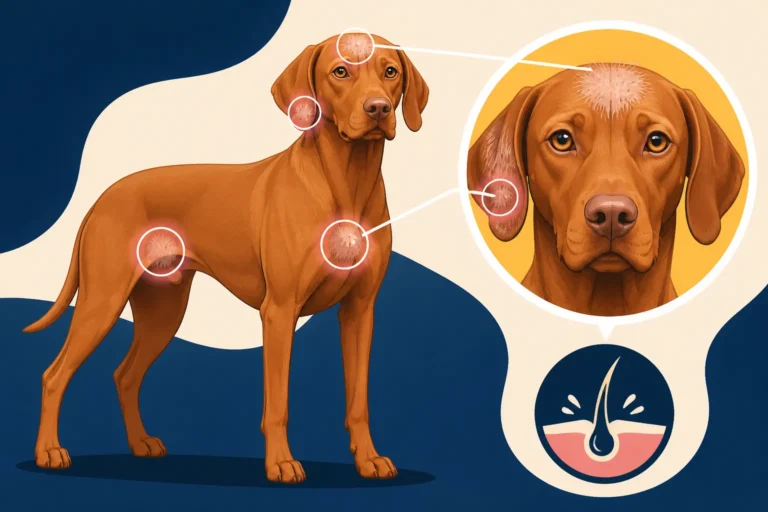
Vizsla hair loss typically begins around delicate facial areas like the eyes, ears, and muzzle before spreading further.
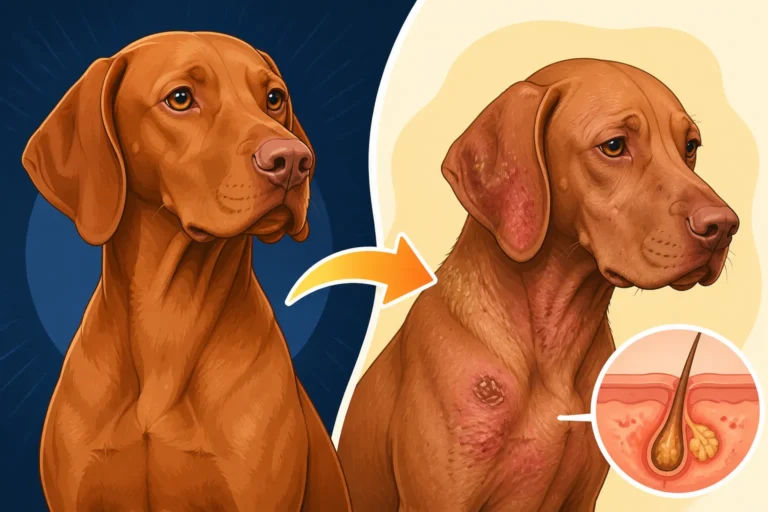
Sebaceous Adenitis destroys skin glands in Vizslas, causing dry scales, severe flaking, and progressive hair loss across the body.
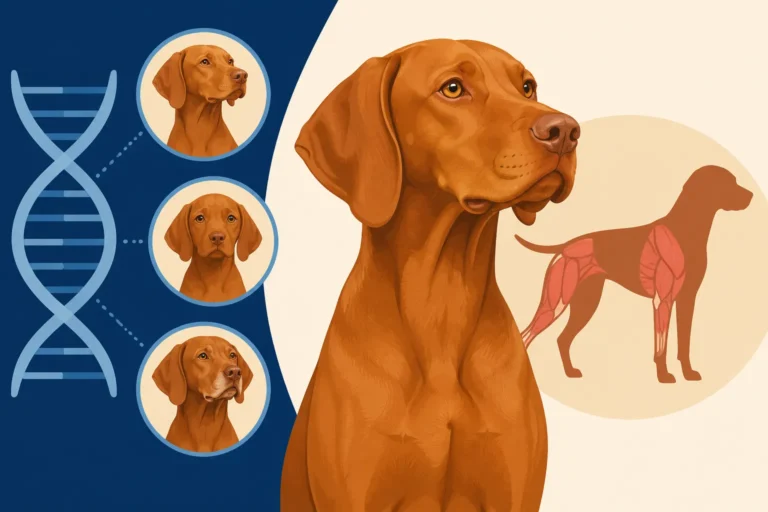
Vizsla Inflammatory Polymyopathy and its genetic links, breeding lines, diagnosis, and treatment options for affected dogs.

Vizsla Inflammatory Polymyopathy treatment options and management strategies help dogs with this rare autoimmune disease.
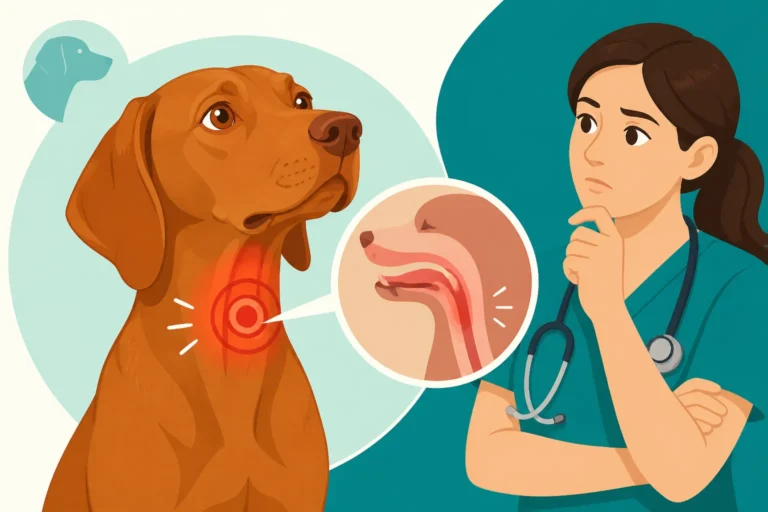
Vizsla swallowing trouble can stem from neurological conditions, structural abnormalities, or physical obstructions requiring veterinary care.
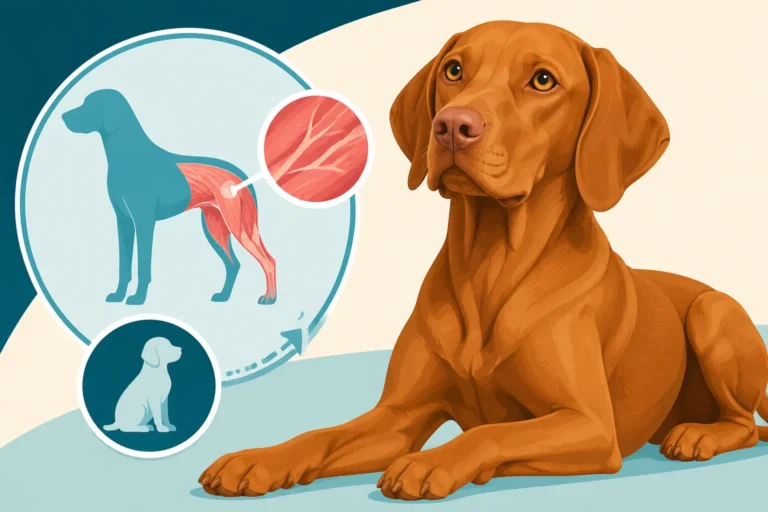
Vizsla inflammatory polymyopathy typically begins at a specific age range, helping owners recognize early signs of this muscle disease.

Vizsla Inflammatory Polymyopathy causes an autoimmune attack on head and neck muscles, explaining why dogs struggle eating.
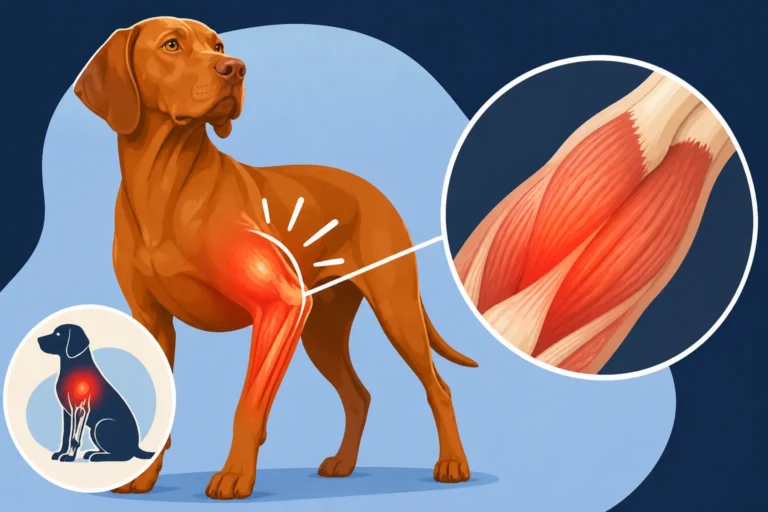
Vizsla inflammatory polymyopathy is an autoimmune muscle disease causing inflammation, pain, and progressive muscle wasting in dogs.