Whether a Vizsla Gets Hemangiosarcoma
Vizsla hemangiosarcoma risk, malignant tumor types, common organ locations, and aggressive internal bleeding signs are explained.
Know what to watch for.
Breed-specific conditions, screening and DNA tests, what surgery actually costs, and the daily habits that stretch a healthy lifespan.
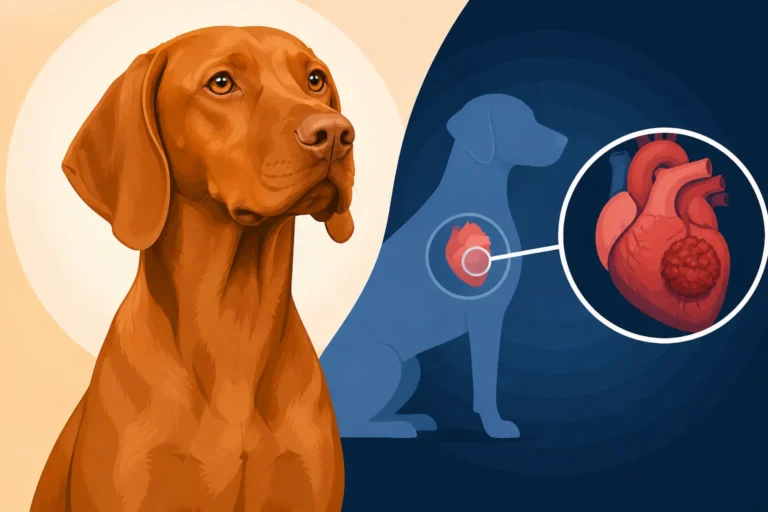
Vizsla hemangiosarcoma risk, malignant tumor types, common organ locations, and aggressive internal bleeding signs are explained.

Lymphoma risks, types, and signs in Vizslas help owners understand this serious canine cancer and its breed predisposition.

Vizsla epilepsy and idiopathic seizures are explained, detailing genetic predisposition, types of episodes, and veterinary management strategies.

Idiopathic epilepsy in Vizslas usually starts between six months and five years of age, bringing recurrent, unprovoked seizures.

Vizsla thyroid testing details genetic autoimmune hypothyroidism risks and when owners should check their dogs annually.
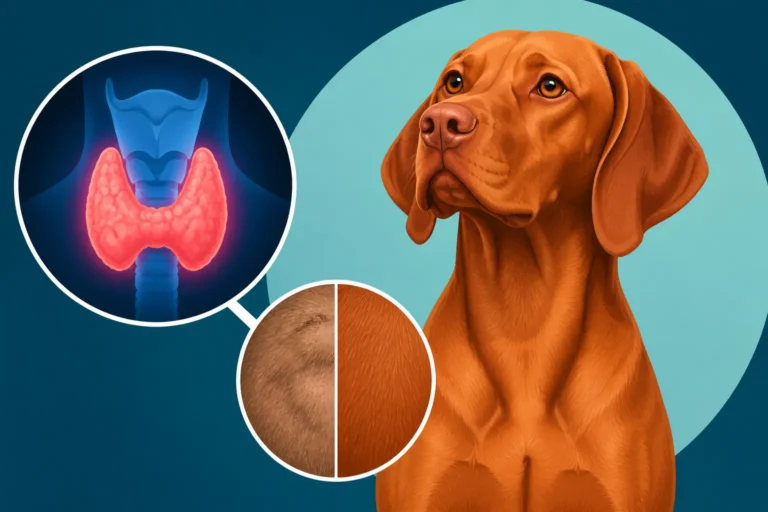
Thyroid failure in Vizslas causes dull coats and lethargy because lymphocytic thyroiditis destroys the gland and lowers hormone production.
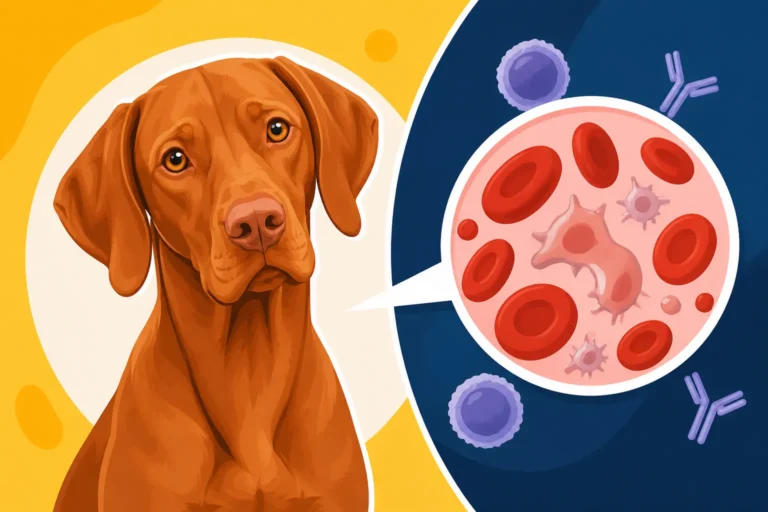
Immune-mediated hemolytic anemia in Vizslas involves the body destroying red blood cells, explaining causes, genetic vulnerabilities, and treatment.

Vizsla vaccine reactions, including lumps, swelling, and lethargy, and why this sensitive breed has a genetic predisposition.
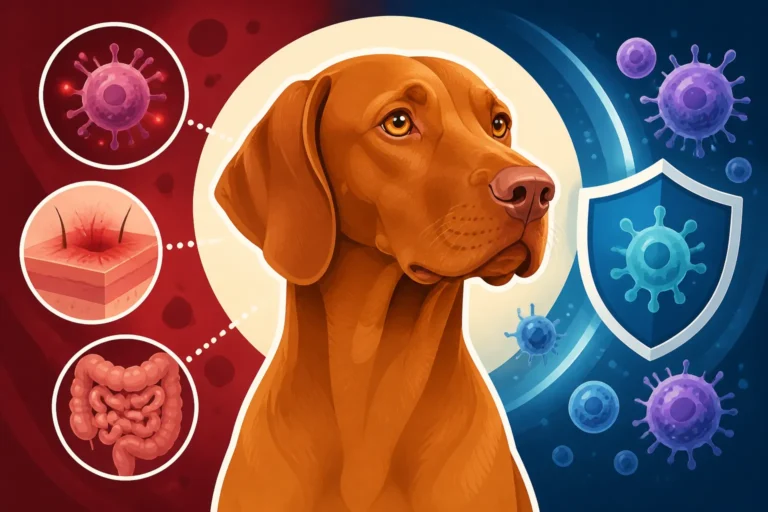
Historical genetic bottlenecks and near extinctions caused narrow gene pools and increased immune disease risks in Vizslas.

Vizsla skin management involves protecting thin single coats, genetic sensitivities, and conditions like sebaceous adenitis.