What a First Aid Kit for a Hunting Vizsla Holds
Hunting with your Vizsla is an incredible experience, but anyone who spends time in the field knows that minor injuries are almost inevitable. That sudden yelp, the quick stop and favoring a paw, or the sight of a small cut can send a jolt of anxiety through any owner, especially when you're miles from the nearest vet clinic. This guide is designed to walk you through exactly what you need to assemble a robust, practical first aid kit specifically tailored for your active Vizsla, giving you the confidence to handle common field mishaps.
Why Every Hunting Vizsla Needs a Dedicated Field First Aid Kit
Vizslas are magnificent athletes, built for speed, stamina, and an insatiable desire to work. They thrive on challenging terrain, plunging through thick cover, leaping over obstacles, and often, diving into chilly water. This very enthusiasm, coupled with their breed-specific physical traits, makes them particularly susceptible to certain types of injuries when out in the field. Simply hoping for the best isn't a strategy; being prepared is part of responsible ownership, just as much as training their recall or ensuring they get enough daily exercise.
The Unpredictability of the Hunt
You can plan your hunt down to the smallest detail, scout the terrain, and even choose the most favorable weather conditions, but the wild is, by its very nature, unpredictable. A hidden thorn bush, a sharp rock obscured by leaves, a sudden tangle with a barbed wire fence – these are all scenarios that can unfold in an instant, turning a successful hunt into an urgent care situation. There's no predicting when or where a minor cut, scrape, or puncture wound might occur, and having a well-stocked first aid kit means you can address these issues immediately, potentially preventing a small problem from escalating into a serious infection or a prolonged recovery. It’s about being proactive and ready for whatever the hunt throws your way, knowing your dog’s well-being rests in your hands.
Imagine your Vizsla, full of boundless energy, tearing through dense pheasant cover. Suddenly, a sharp cry, and they pull up, favoring a paw. You rush over to find a deep gash from a hidden sharp stick. Without a field kit, you're scrambling, trying to improvise with whatever you have, which is rarely adequate. With a kit, you can immediately clean the wound, apply antiseptic, and bandage it securely, allowing you to calmly assess the situation and decide if a trip to the vet is necessary, rather than panicking about immediate blood loss or contamination. These moments highlight the critical importance of preparedness.
Vizsla-Specific Vulnerabilities
Our beloved Vizslas are known for their sleek, short, and relatively thin coats. While this makes them wonderfully low-maintenance in terms of grooming, it also means they lack the thick protective fur that some other hunting breeds possess. Their skin is quite delicate and can tear more easily when navigating thorny bushes, sharp briars, or rough terrain. This isn't a criticism of the breed; it's simply a fact of their build that owners must acknowledge and prepare for. Whether a Vizsla's Thin Skin Tears Easily is a common concern among owners who take their dogs into the field.
Additionally, their active, energetic nature means they're constantly pushing boundaries, scrambling over uneven ground, and making swift, agile movements. This can lead to sprains, strains, or even more serious joint injuries if they land awkwardly or collide with something unseen. Their long, pendulous ears, while beautiful, are also susceptible to scratches, tears, or even grass seeds making their way inside, especially when working through tall vegetation. Whether a Vizsla cuts itself hunting is often a question new owners have, and the answers frequently point to their thin skin and energetic nature. Considering these specific vulnerabilities helps tailor your first aid kit to what your Vizsla is most likely to encounter and need.
Essential Supplies for Your Vizsla's First Aid Kit
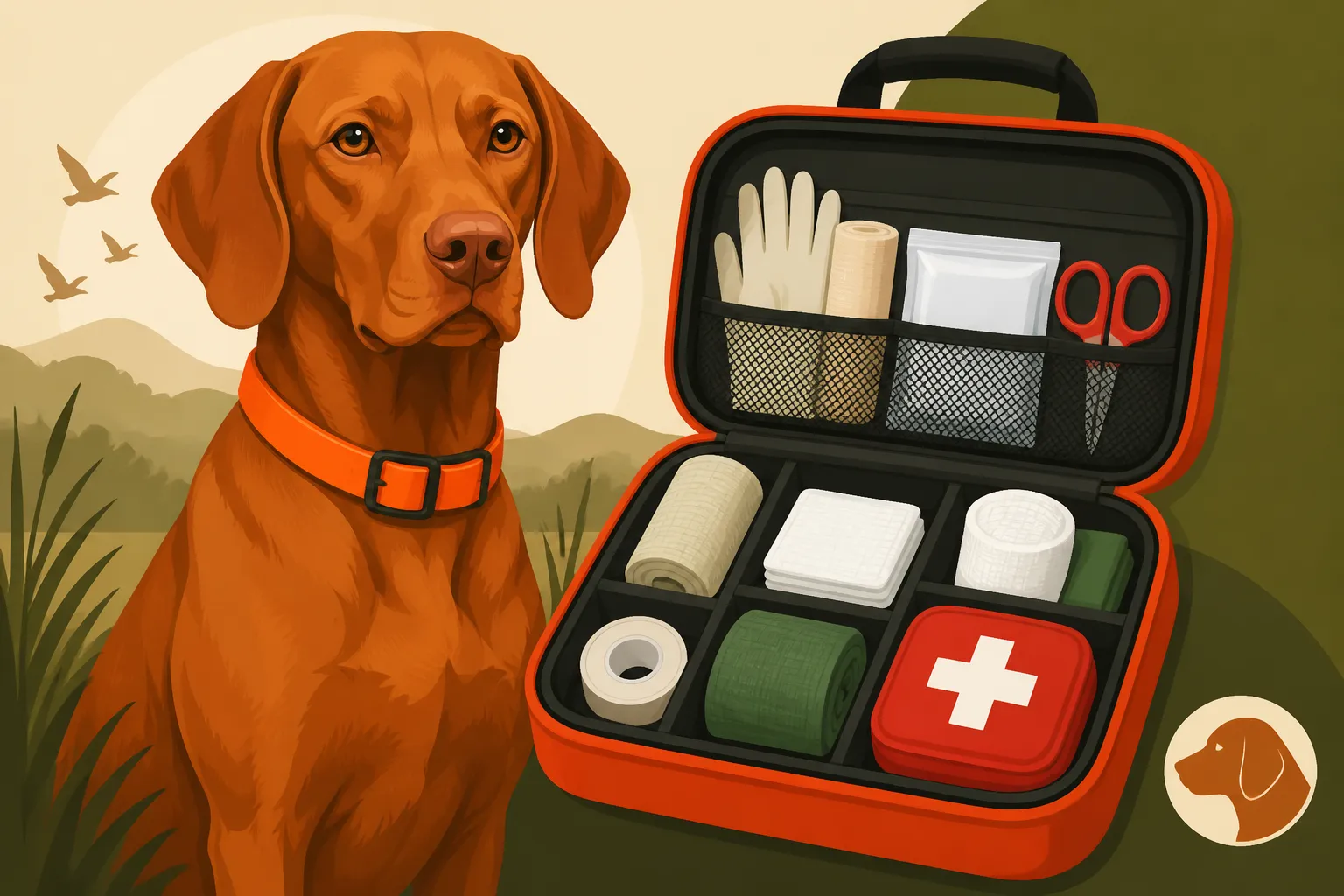
Building a first aid kit isn't just about throwing a few random items into a bag. It's about a thoughtful selection of supplies that address the most common injuries a hunting Vizsla might face. Think of it as a mini mobile emergency room, packed with everything you might need for quick, effective intervention. You'll want sturdy, well-organized containers that protect the contents from moisture and impact, as they'll likely be rattling around in a truck, a backpack, or a field vest. Many reputable pet supply retailers like Chewy offer pre-made kits, but assembling your own allows for customization to your dog and your specific hunting environment.
Wound Care and Bandaging Basics
This is arguably the most critical section of your kit, as cuts, scrapes, and punctures are daily realities for a working Vizsla. Start with a good antiseptic solution like chlorhexidine or povidone-iodine wipes, which can clean wounds without stinging too much. Hydrogen peroxide is often too harsh for deep wounds, so stick with gentler options. Pair this with sterile saline solution to flush out dirt, debris, or irritants from wounds or eyes.
Next up, various types of bandaging materials are crucial. You'll need non-stick pads to cover wounds, gauze rolls to create absorbent layers, and self-adhering vet wrap (coban) to secure everything in place. Vet wrap is fantastic because it sticks to itself, not to your dog's fur, making application and removal much easier and less painful. Don't forget medical tape for added security. For serious bleeding, a clean towel or a thick pressure bandage can be vital. Scissors with blunt tips are indispensable for cutting bandages safely, and tweezers are a lifesaver for removing splinters, ticks, or burrs. When your Vizsla inevitably gets a minor cut, being able to quickly clean and cover it makes all the difference.
Eye, Ear, and Paw Protection
A Vizsla's eyes, ears, and paws are particularly exposed and vulnerable during a hunt. For eyes, a sterile eye wash solution is paramount. Dust, pollen, or even a stray twig can irritate or scratch an eye, and immediate flushing can prevent more serious damage or discomfort. If you suspect something is truly embedded, resist the urge to remove it yourself; flush gently and head straight to the vet.
Ears, especially those long, floppy Vizsla ears, can get dirt, burrs, or grass seeds lodged in them. An ear cleaning solution formulated for dogs can help dislodge debris, and cotton balls or soft wipes are good for cleaning the outer ear. Always use caution and never insert anything deep into the ear canal. For the paws, which take a tremendous beating in the field, you'll need tougher solutions. Paw wax or balm can help prevent cracks and toughen pads over time, and it's a good idea to apply it before a hunt. Whether a Vizsla Needs Paw Wax is something many owners consider essential. If a pad gets cut or torn, self-adhering wrap and durable dog boots can protect the injury until you can get proper veterinary care. Don’t forget that dreaded Whether a Vizsla Gets Grass Seeds in Its Feet – fine-tipped tweezers are a must for these insidious little invaders.
Vital Medications and Tools
While you can't carry a pharmacy in your kit, a few key medications and tools can be incredibly helpful. An anti-inflammatory medication, like a canine-specific NSAID prescribed by your vet, can provide crucial pain relief for sprains or muscle soreness, but only use it if specifically instructed by your veterinarian. Never give human pain medications to dogs. Diphenhydramine (Benadryl) can be useful for allergic reactions or insect stings, but again, consult your vet for correct dosage.
Beyond medication, a reliable thermometer (digital rectal is most accurate for dogs) is important for checking for fever, especially if you suspect infection or overheating. A small flashlight, ideally a headlamp, is invaluable for examining wounds in low light or searching for a lost dog at dusk. A Leatherman or multi-tool can also prove surprisingly useful for various field repairs or tasks. Finally, a pair of examination gloves isn't just for you; it helps keep wounds clean and prevents cross-contamination.
| Item Category | Essential Supplies | Primary Use |
|---|---|---|
| Wound Care | Sterile saline solution | Flushing wounds, eyes |
| Antiseptic wipes/solution (Chlorhexidine) | Cleaning cuts, scrapes | |
| Non-stick gauze pads | Covering wounds, absorption | |
| Gauze rolls | Padding, additional absorption | |
| Self-adhering vet wrap (Coban) | Securing bandages without sticking to fur | |
| Medical tape | Extra bandage security | |
| Blunt-tipped scissors | Cutting bandages, removing fur around wounds | |
| Tweezers | Removing splinters, ticks, burrs | |
| Sterile gloves | Hygiene, preventing contamination | |
| Eye & Ear | Sterile eye wash solution | Flushing irritants from eyes |
| Canine ear cleaning solution | Dislodging debris from ears | |
| Cotton balls/wipes | Applying ear cleaner, general cleaning | |
| Paw Care | Paw balm/wax | Preventing cracks, protecting pads |
| Dog boots (set of 4) | Protecting injured paws, providing traction | |
| Medication | Vet-prescribed NSAID (if advised) | Pain relief for sprains/strains |
| Diphenhydramine (vet advised dosage) | Allergic reactions, insect stings | |
| Tools | Digital rectal thermometer | Checking for fever/hypothermia |
| Headlamp/Flashlight | Examining wounds, night visibility | |
| Multi-tool | Various utility tasks | |
| Emergency | Emergency blanket (foil) | Shock, hypothermia |
| Muzzle (soft cloth) | Safely handling an injured dog |
Beyond the Bandage: Preparation and Prevention
A physical first aid kit is only one piece of the puzzle. True preparedness for a hunting Vizsla involves a broader strategy that includes knowledge, communication, and preventative measures. Thinking ahead can often prevent an incident from occurring in the first place, or ensure that if one does happen, you're able to react swiftly and effectively. It's about combining practical supplies with smart planning.
Emergency Contact Information and Vet Access
This might seem obvious, but in the heat of an emergency, having critical information readily accessible can save precious minutes. Keep a laminated card in your kit with your regular veterinarian's contact information, as well as the number for the nearest 24-hour emergency veterinary clinic to your hunting grounds. If you're traveling, research local emergency vets in advance. Include your dog's microchip number, any known allergies, and relevant medical conditions. A Vizsla’s propensity for high-energy pursuits means they’re at higher risk for unexpected injuries, so being able to quickly relay their medical history to an unknown vet is vital.
It’s also wise to inform your hunting partners of this information and the location of your kit. Having a plan for transportation in case of a serious injury is also key. Will your vehicle be able to reach your dog, or will you need to carry them out? Thinking through these logistics before an emergency arises alleviates significant stress during a crisis. Understanding What a Vizsla's Emergency Field Injury Costs also means knowing the vet options available and how quickly you can get there.
Knowing When to Seek Professional Help
Even the most comprehensive field first aid kit is for immediate stabilization and minor issues, not a replacement for professional veterinary care. It’s crucial to understand the line between a minor problem you can manage and a serious injury that absolutely requires a vet. A small cut that stops bleeding and can be cleaned and bandaged is one thing; a deep puncture wound, profuse bleeding that won't stop, a suspected fracture, severe limping, or signs of shock (pale gums, rapid breathing, weakness) are all red flags that demand immediate veterinary attention.
When in doubt, always err on the side of caution and contact your vet. Describe the situation clearly and follow their advice. Don't hesitate to use a soft muzzle if your dog is in pain; even the sweetest Vizsla can snap when injured and scared. Knowing that Whether Hunting Injuries Are Covered on a Vizsla by pet insurance, such as through a provider like Healthy Paws, can also provide peace of mind and remove some of the financial barriers to seeking prompt professional care, encouraging you to make the right decision for your dog's health without delay. It's an investment in their continued well-being.
Prevention Through Proper Training and Gear
Prevention is always better than cure, and this holds true for hunting Vizslas. Strong obedience training, especially a rock-solid recall, is paramount. A Vizsla that comes immediately when called is less likely to wander into dangerous territory, encounter wildlife, or get lost. Building a Recall on a Vizsla That Ranges is a continuous process that pays dividends in safety. Always use a GPS collar when hunting in unfamiliar or dense areas, as it can quickly pinpoint your dog's location if they get separated or injured.
Appropriate protective gear is another crucial preventative measure. A blaze orange vest not only makes your Vizsla more visible to hunters but can also offer some protection against scrapes and punctures from brush. Wearing a vest in the field is not just about visibility, but also about providing a layer of defense for their thin skin. Ensure your Vizsla is adequately conditioned for the strenuous activity of hunting. A fit dog is less prone to exhaustion-related injuries. Proper hydration is also key; Whether a Vizsla Needs Electrolytes on a Long Hunt might be a consideration, especially on hot days, to prevent dehydration and maintain stamina. Regularly Checking a Vizsla Over After a Hunt for any new cuts, scrapes, burrs, or tenderness is a proactive way to catch issues early.
Maintaining Your Kit and Staying Prepared
Having a first aid kit is a great first step, but it's only truly effective if it's well-maintained and you know how to use its contents. A kit that sits untouched for years, containing expired medications or depleted supplies, is as useless as no kit at all. Just like your hunting gear, your Vizsla's first aid kit requires regular attention and occasional updates to ensure it's ready when you need it most.
Regular Checks and Replenishments
Make it a habit to check your Vizsla's first aid kit at least twice a year, perhaps at the beginning and end of hunting season, or whenever you perform routine maintenance on your other field gear. Go through every item. Check expiration dates on medications, antiseptic wipes, and sterile solutions. Dispose of anything expired and replace it immediately. Bandaging materials, especially vet wrap, can degrade over time or get used up quickly, so ensure you have fresh, adequate supplies.
If you’ve used any items from the kit, even for a minor scrape, make a note to replace them as soon as possible. It’s frustrating to reach for a specific item in an emergency only to find it's missing or empty. Keeping a small checklist inside your kit can make this process simple and efficient. Think about adding a permanent marker to your kit for noting dates of injuries or administering medication doses. Ordering supplies from a reliable source like Chewy regularly ensures you always have fresh stock.
Practicing Basic First Aid Skills
Possessing a fully stocked first aid kit is only half the battle; knowing how to use it effectively is the other, equally important half. Take the time to familiarize yourself with basic canine first aid techniques. This doesn't mean you need to become a vet tech, but understanding how to properly clean a wound, apply a pressure bandage, or take your dog’s temperature can make a significant difference in an emergency. There are many excellent online tutorials, books, and even local workshops offered by veterinary clinics or dog clubs that teach these vital skills.
Practice applying bandages to your Vizsla when they're healthy and calm. This familiarizes both of you with the process and helps you work out any kinks before a stressful situation arises. Knowing how much tension to use with vet wrap, for instance, is a skill learned through practice. Too tight, and you restrict circulation; too loose, and it falls off. The more comfortable and confident you are with these skills, the calmer and more effective you'll be when your Vizsla needs you most in the field.
Disclaimer
This article is for general informational purposes only and does not constitute professional advice. Laws, prices and regulations vary by location and change over time. Consult a qualified professional for guidance on your specific situation.