Whether a Vizsla Returns to the Field After Surgery
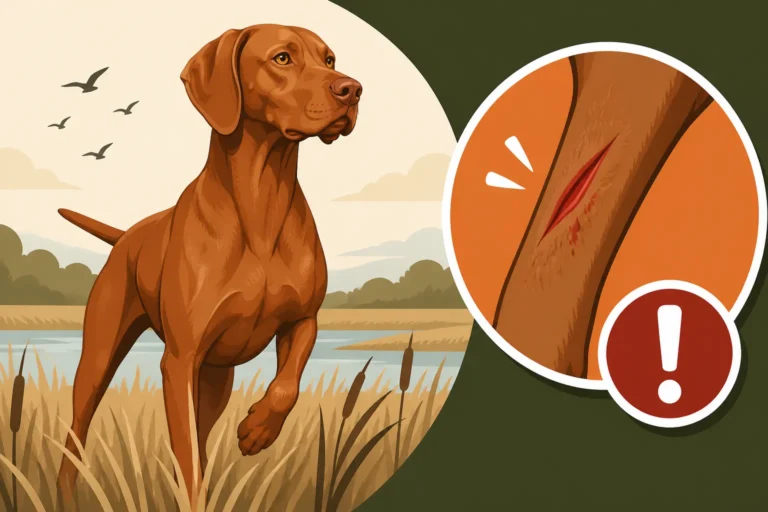
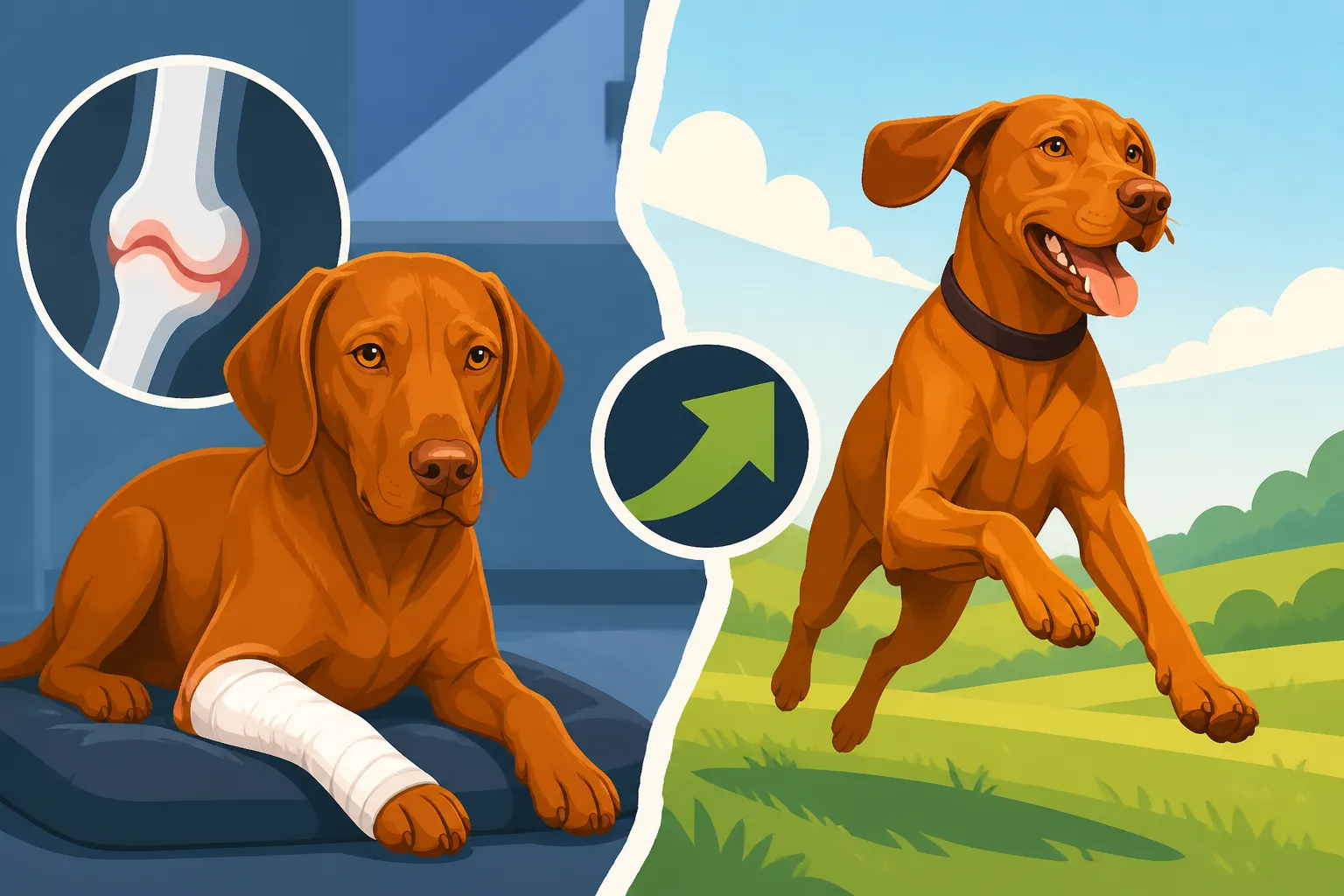
It's heartbreaking to see our energetic Vizslas laid up after surgery, isn't it? As owners of these incredible, driven dogs, one of the biggest questions that weighs on our minds is whether they'll ever truly return to the field, chasing birds with the same boundless enthusiasm they had before. This guide aims to thoroughly explore the realities of a Vizsla's recovery from various surgeries and what it realistically takes to get them back to their beloved work.
Understanding the Surgical Landscape for Vizslas
When a Vizsla undergoes surgery, it's rarely a minor event, especially for issues that impact their mobility and field performance. These active dogs are prone to certain types of injuries and conditions that often require surgical intervention, and the road to recovery is highly dependent on the nature of the procedure.
Common Surgeries Impacting Field Dogs
Vizslas are athletes, and like any athlete, they are susceptible to injuries that often necessitate surgery. The most common procedures we see in our breed tend to focus on orthopedic issues, given their high-impact activities. For instance, cruciate ligament tears are distressingly common, often requiring TPLO (Tibial Plateau Leveling Osteotomy) or TTA (Tibial Tuberosity Advancement) surgery. These are big operations with significant recovery periods.
Beyond cruciates, we also unfortunately encounter things like patellar luxation, elbow or hip dysplasia corrections, or even complex fracture repairs from accidents in the field or at home. Less common but still impactful might be soft tissue surgeries, such as those to repair tears in shoulder muscles or tendons, or even abdominal surgeries following an accident or an unexpected illness like bloat. Each type of surgery presents its own unique set of challenges and recovery expectations, which is why a clear diagnosis and a detailed conversation with your vet are absolutely paramount. You might be surprised to learn how extensive the recovery can be, and understanding the full scope of What Cruciate Surgery Costs a Vizsla Owner is just one part of the picture.
Factors Influencing Recovery Time and Prognosis
The speed and completeness of your Vizsla's recovery are never a simple yes or no answer. Several critical factors come into play. Firstly, the type and invasiveness of the surgery itself is huge. A minimally invasive arthroscopy will naturally have a faster recovery than a full joint replacement. Secondly, your dog's age and overall health before surgery make a big difference. A younger, fitter Vizsla often bounces back more resiliently than an older dog with pre-existing conditions like arthritis. We often worry about The Old Vizsla That Still Wants to Hunt when they face surgery.
Thirdly, the owner's commitment to post-operative care and rehabilitation cannot be overstated. This isn't just about giving meds; it's about strict rest, controlled exercise, and dedicated physical therapy. Fourthly, the skill of the surgeon and the quality of the veterinary facility also play a role in the initial outcome. Finally, the presence of any complications during or after surgery, such as infections or implant failures, can dramatically lengthen recovery and impact the final prognosis. It's a complex puzzle, and every piece needs to fit to give your Vizsla the best chance at a full return.
The Journey Back to the Field: Rehabilitation and Training
The day your Vizsla comes home from surgery is just the first step in what can be a very long and challenging journey. This isn't a quick fix, especially if your goal is to get them back to working condition. It requires patience, discipline, and a thorough understanding of their physical and mental state.
Phases of Post-Operative Recovery
Recovery isn't a straight line; it's a series of distinct phases, each with its own goals and potential pitfalls.
Immediate Post-Op Care: Rest and Pain Management
The first phase, usually the first 1-2 weeks, is all about healing the surgical site and managing pain. Your Vizsla will likely come home with pain medication, anti-inflammatories, and possibly antibiotics. Strict crate rest or very confined leash walks are essential. This is incredibly difficult for a high-energy Vizsla who thrives on activity, and you might find yourself dealing with What a Vizsla Destroys When Left Alone if they try to bypass restrictions. The temptation to let them do "just a little more" is huge, but resisting it is crucial to prevent re-injury or complications. Controlled icing, warm compresses (after the initial acute phase), and gentle passive range-of-motion exercises might be recommended by your vet even at this early stage. This is where you truly earn your stripes as a dedicated Vizsla parent, because enforcing rest on a dog that lives to move is no small feat.
Controlled Rehabilitation: Building Strength and Mobility
Once the initial surgical healing is well underway (often weeks 2-6 or even longer, depending on the surgery), the focus shifts to controlled rehabilitation. This is where professional physical therapy can become invaluable. A certified canine rehabilitation therapist will design a program tailored to your Vizsla's specific needs, often including hydrotherapy (underwater treadmill), therapeutic exercises, massage, and modalities like laser therapy. These sessions are designed to gently restore muscle mass, improve joint flexibility, and correct compensatory movements that your Vizsla might have developed to avoid pain.
It's a gradual process, carefully monitored to ensure no setbacks. You'll likely have "homework" exercises to do daily at home, which can range from specific stretches to balance exercises on unstable surfaces. This phase is critical for regaining functional strength and preventing long-term lameness. Pet insurance providers like Healthy Paws often have policies that can significantly help cover these rehabilitation costs, which can quickly add up but are absolutely essential for a strong recovery.
Gradual Return to Activity: Mental and Physical Preparedness
The final phase involves a carefully managed, slow return to more vigorous activity, always with an eye on your Vizsla's physical and mental well-being. This isn't just about physical healing; it's about rebuilding their confidence and drive. Your rehab specialist or vet will guide you on when and how to reintroduce things like trotting, short bursts of running, and eventually, field-specific movements. Starting with short, flat walks and slowly increasing duration and intensity is key. Avoid sudden twists, jumps, or prolonged high-impact activities initially.
You'll need to watch for any signs of discomfort, lameness, or fatigue. This period can take months, sometimes even a year or more, depending on the severity of the original injury and the specific surgery. It's vital not to rush it. A premature return to demanding activities like hunting can easily lead to re-injury, sending you right back to square one. Think about how slowly human athletes return after a major injury; your Vizsla needs the same careful consideration. The goal is a gradual increase, allowing the tissues to strengthen and adapt without overwhelming them.
Assessing Readiness for Field Work
Getting back to field work isn't just about "no longer limping." It's about full strength, endurance, agility, and mental readiness. A Vizsla's hunting performance requires peak physical condition and unwavering focus, and surgery can impact both.
What "Full Recovery" Means for a Field Vizsla
For a field Vizsla, "full recovery" means much more than simply walking without a limp. It implies a complete restoration of their pre-injury strength, range of motion, balance, and proprioception (their awareness of their body in space). This means they should be able to:
- Run at full speed and sustain it: Hunting involves significant bursts of speed and prolonged endurance.
- Navigate varied terrain: From dense cover to uneven ground, they need agility and stability.
- Jump and pivot: Clearing obstacles and rapidly changing direction are common demands.
- Work tirelessly without fatigue or pain: A Vizsla needs to maintain focus and drive for extended periods without showing signs of discomfort or breakdown.
An ideal full recovery means your dog can perform all these tasks without favoring the surgical limb, without developing compensatory lameness in other joints due to altered gait, and without suffering a decline in stamina. It also means their mental game is strong; they aren't hesitant or fearful because of past pain.
It's also essential to consider the long-term impact. Even with excellent surgical outcomes and rehabilitation, some Vizslas may develop arthritis in the affected joint down the line, especially with surgeries for Hips and Elbows on a Vizsla That Runs All Day. Understanding this risk helps manage expectations and implement preventative strategies.
Tests and Benchmarks for Return to Sport
Before you even think about putting your Vizsla back on birds, a comprehensive assessment by your veterinary team, ideally including a rehabilitation specialist, is crucial. They will use a combination of observations, physical tests, and sometimes advanced diagnostics to determine readiness.
Here's a table outlining some common assessments and what they look for:
| Assessment Type | What it Involves | What it Assesses |
|---|---|---|
| Gait Analysis | Observation of walking, trotting, running, stairs | Presence of lameness, compensatory movements, symmetry |
| Palpation & Joint ROM | Feeling muscles for tone/atrophy, measuring joint flexibility | Pain response, muscle wasting, stiffness, joint restriction |
| Proprioception Tests | Paw placement tests, balance boards, cavaletti poles | Body awareness, stability, coordination |
| Strength & Endurance Tests | Controlled incline/decline walks, long leash trots | Muscle strength, stamina, fatigue resistance |
| Functional Field Tests | Gradually reintroducing short retrieves, quartering drills | Agility, speed, ability to perform sport-specific tasks |
| Diagnostic Imaging (X-rays) | Re-evaluation of joint structure and healing | Bone healing, implant stability, early signs of arthritis |
Your vet might also perform specific orthopedic exams, stressing joints to check for stability. They'll look for symmetry in muscle mass, range of motion that's equal to the unaffected limb, and a complete absence of pain on palpation or movement. The decision to return to the field should be a joint one between you, your vet, and your rehab specialist, based on objective measurements and your Vizsla's enthusiastic, pain-free performance during controlled tests.
Managing Expectations: When "Full" Might Not Be "The Same"
It's a tough pill to swallow, but sometimes, "full recovery" doesn't mean your Vizsla will ever be exactly Whether a Vizsla Returns to the Field After Surgery with the same intensity as before. For some dogs, particularly after severe injuries or certain types of surgery (like extensive joint reconstructions), they might return to a high level of activity but require ongoing management, adaptations, or simply won't have quite the same explosive speed or stamina they once did. This is not a failure; it's just the reality of canine anatomy and the limits of surgical repair.
You might need to adjust your expectations for their hunting career. Perhaps they'll become a fantastic walking hunter's dog rather than a wide-ranging field trial competitor. Or maybe they'll excel at specific types of game that require less extreme athleticism. Ongoing joint supplements, specialized diets, periodic vet checks, and continued maintenance exercises might become a permanent part of their routine. This isn't to discourage you, but to prepare you for the possibility that your definition of success might need to evolve. The bond you share and the joy they get from even a modified return to the field can be incredibly fulfilling, regardless of whether they're setting any new records. Having a good pet insurance plan like Healthy Paws in place can certainly help with the ongoing costs of these long-term management strategies.
Long-Term Care and Prevention for the Working Vizsla
Even after a successful return to the field, the care for a Vizsla post-surgery doesn't end. In fact, it often becomes a lifelong commitment to support their joints, maintain muscle health, and prevent future issues.
Ongoing Support and Monitoring
Think of it as managing a top athlete. Your Vizsla will likely benefit from a continued regimen of care. This might include:
- Regular Veterinary Check-ups: Beyond the standard annual exam, your vet may recommend more frequent check-ins to monitor the surgical site, assess joint health, and catch any signs of compensatory issues early.
- Maintenance Rehabilitation: Many Vizslas thrive on continued periodic sessions with a canine rehabilitation therapist or a consistent home exercise program to maintain strength, flexibility, and proprioception.
- Joint Supplements: Glucosamine, chondroitin, MSM, and Omega-3 fatty acids are common supplements recommended to support joint health and reduce inflammation, particularly if your Vizsla has Arthritis in a Vizsla at Ten. Discuss these with your vet to find the best options.
- Weight Management: Keeping your Vizsla at a lean, healthy weight is paramount to minimize stress on their joints. Even a few extra pounds can significantly impact joint wear and tear, especially on a recovering limb.
- Warm-ups and Cool-downs: Before any strenuous activity, a proper warm-up routine (5-10 minutes of brisk walking) and a cool-down period (gentle stretching and walking) can help prepare muscles and joints and prevent stiffness.
This ongoing commitment is an investment in your Vizsla's long-term comfort and ability to enjoy an active life. Sometimes, unexpected issues arise, and a good insurance like Healthy Paws can provide peace of mind for sudden twists or re-injuries in the field, helping cover the costs of subsequent treatments.
Adapting Training and Hunting Practices
Sometimes, preventing future injury means making smart adjustments to how your Vizsla works in the field. This isn't about sidelining them, but about optimizing their performance and longevity.
Modifying Intensity and Duration
After surgery, your Vizsla's stamina and tolerance might be different. Consider:
- Shorter Hunts: Instead of all-day excursions, opt for shorter, more frequent hunts.
- Less Demanding Terrain: While Vizslas are masters of varied terrain, perhaps avoid the densest, most treacherous cover or extremely steep inclines for prolonged periods.
- Frequent Breaks: Build in more rest periods during a hunt, offering water and a chance to stretch.
- Seasonal Adjustments: Be extra mindful during extreme weather. Cold can exacerbate joint pain, and heat can lead to faster fatigue.
Whether a Vizsla Needs a Coat for Wintermight become even more critical for a post-surgical dog.
It's about working smarter, not necessarily less. Your Vizsla's enthusiasm will still be there; it's your job to manage it responsibly.
Utilizing Protective Gear
Protective gear can also play a role in safeguarding a recovering or predisposed Vizsla. This might include:
- Protective Vests: A blaze orange vest can not only enhance visibility but also provide a layer of protection against scrapes and punctures in dense cover, especially important for their The Thin Skin a Vizsla Takes Into the Field.
- Paw Protection: Boots can shield pads from rough terrain, ice, snow, or irritating grass seeds, especially if your Vizsla's gait is slightly altered post-surgery, making their feet more vulnerable.
- GPS Collars: For a Vizsla whose range might need to be more closely monitored, or if you want to ensure they don't overexert themselves by ranging too wide, a GPS collar is an excellent tool. This is especially useful during the reintroduction phase, allowing you to keep them closer and prevent them from Building a Recall on a Vizsla That Ranges too far initially.
By thoughtfully adapting your approach, you can continue to enjoy the joy of hunting with your Vizsla, confident that you're doing everything possible to protect their health and extend their working life. It's a testament to the incredible bond we share with these dogs that we're willing to put in the work to get them back to their happiest selves, doing what they were born to do.
Disclaimer
Please remember that the information provided in this article is for general guidance and informational purposes only, and does not constitute veterinary advice. Always consult with a qualified veterinarian or a certified canine rehabilitation specialist for any health concerns or before making any decisions about your Vizsla's medical care, treatment, or rehabilitation plan. Every dog's situation is unique, and personalized professional advice is essential.