Whether a Vizsla’s Skin Gets Secondary Infections
It’s incredibly frustrating when your active, otherwise healthy Vizsla starts scratching relentlessly, chewing at their paws, or developing strange patches on their skin. You clean them, you check them, and yet, the problem seems to persist, sometimes even getting worse. It's a common worry for many Vizsla owners, and often, what starts as a seemingly minor irritation can quickly snowball into a secondary infection, making your beloved companion truly miserable. This guide will walk you through why Vizslas are prone to these issues, how to spot the signs, and what you can do to manage and prevent these troublesome secondary skin infections.
Understanding Vizsla Skin Sensitivity
Vizslas are magnificent dogs, known for their lean build, boundless energy, and that iconic golden-rust coat. But beneath that beautiful, sleek exterior lies a skin type that can be surprisingly delicate, making them uniquely susceptible to certain issues that can pave the way for secondary infections.
The Vizsla's Unique Coat and Skin
Unlike many other breeds with thick double coats, your Vizsla boasts a single, short, dense coat. While this means less shedding and a generally "cleaner" dog (no strong doggy odor, for instance), it also means their skin has less natural protection from the elements and environmental irritants. Their skin is relatively thin, and without that insulating undercoat, it's more exposed to scratches, insect bites, and allergens. This makes their skin barrier more vulnerable. Think of it like a very thin, perfectly tailored suit—it looks fantastic, but it's not designed for heavy-duty protection against thorny bushes or constant moisture. This inherent sensitivity is a crucial factor in understanding why they might be prone to problems.
Common Primary Skin Issues in Vizslas
Before a secondary infection takes hold, there's almost always an initial, or primary, issue that compromises the skin's integrity. For Vizslas, several primary conditions are unfortunately quite common:
- Allergies: This is a big one. Vizslas can be very sensitive to environmental allergens (pollen, dust mites, mold) or food allergens (certain proteins like chicken, beef, or grains). When an allergen is encountered, their immune system overreacts, leading to intense itching, redness, and inflammation. This constant scratching or licking creates micro-abrasions and breaks in the skin, which are perfect entry points for bacteria and yeast. If your Vizsla is constantly chewing at their paws or rubbing their face, allergies might be the culprit.
- Parasites: Fleas, mites (like demodex or sarcoptes), and ticks can cause localized irritation and intense itching. Even a single flea bite can trigger a significant allergic reaction in some dogs, leading to widespread itching and scratching, again damaging the skin barrier. Regularly checking your Vizsla over after a hunt can help you spot these unwelcome guests early.
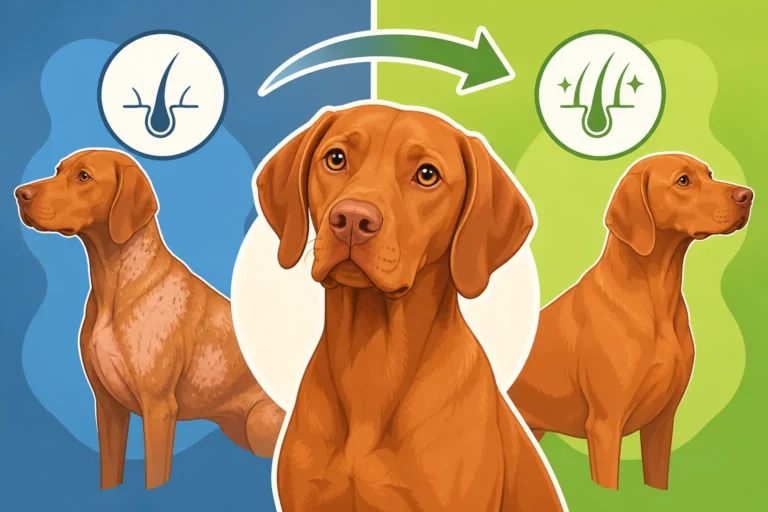
- Sebaceous Adenitis: This is a hereditary autoimmune skin disease that, while rare, is seen in Vizslas. It targets and destroys the sebaceous glands, which produce the natural oils that keep the skin and coat healthy. Without these oils, the skin becomes dry, flaky, scaly, and the coat can thin or fall out, often starting on the head and back. This compromised skin is then highly susceptible to secondary infections because its natural defenses are down. If you've noticed your Vizsla's coat losing its luster or developing scaly patches, it might be worth investigating What Sebaceous Adenitis Does to a Vizsla.
- Minor Irritations/Injuries: Even something as simple as a thorn prick in the field, a scrape from rough play, or prolonged dampness (especially between paw pads or in skin folds, if any) can create a localized area where the skin barrier is broken. These seemingly minor issues can quickly become bigger problems if bacteria or yeast are present.
The Role of Secondary Infections
Once the primary skin barrier is breached or inflamed, it's an open invitation for opportunistic microorganisms to move in. These are the "secondary infections" that cause so much discomfort and can be stubborn to clear up.
Bacterial Skin Infections Pyoderma
Pyoderma is the medical term for a bacterial skin infection. It's incredibly common in dogs, and Vizslas, with their sensitive skin and propensity for primary issues, are unfortunately no exception.
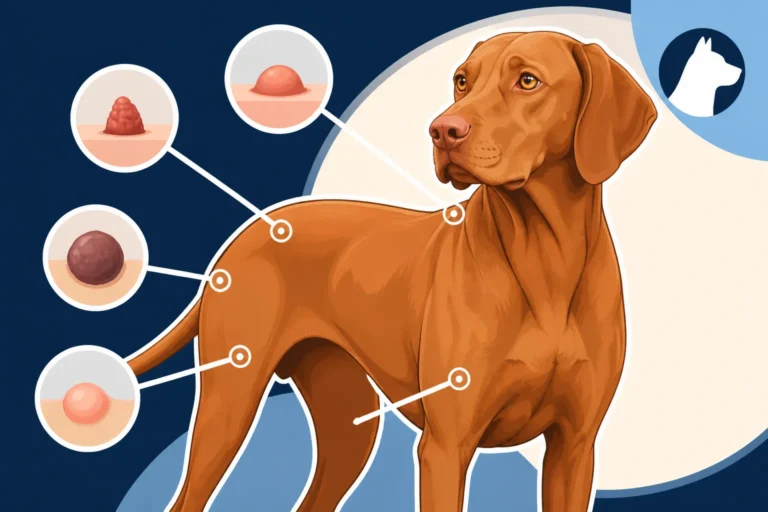
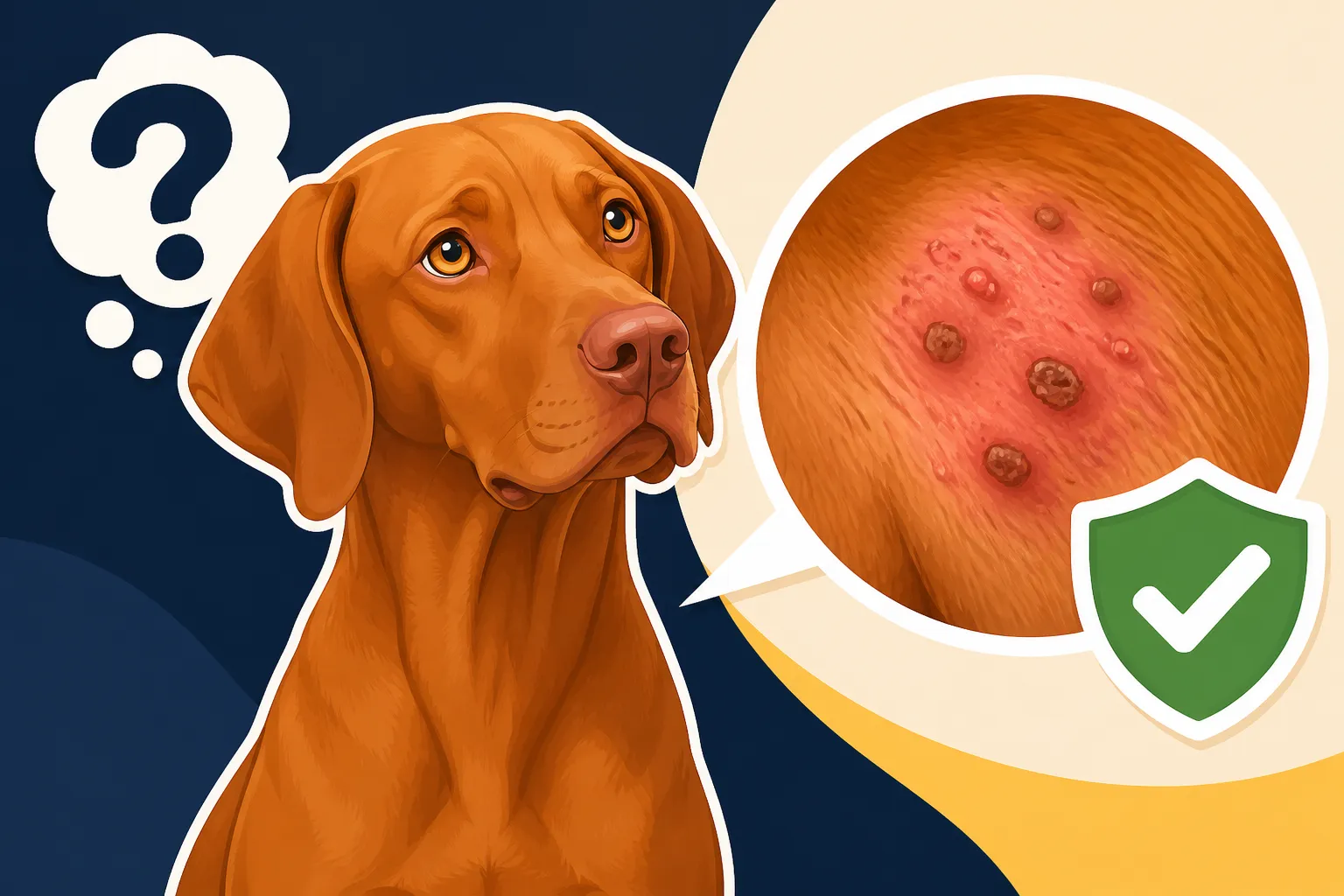
- What it looks like: Pyoderma can manifest in various ways depending on its severity. You might see red bumps (papules), pus-filled bumps (pustules), crusts, scabs, and areas of hair loss. The skin underneath might be very red and inflamed. In deeper infections, you could even see ulcers or draining tracts. Common areas are often those that are moist or where skin folds exist, like the armpits, groin, belly, or around the lips.
- The culprit: The most frequent bacterial culprit is Staphylococcus pseudintermedius, a bacterium that normally lives on a dog's skin without causing harm. However, when the skin's defense mechanisms are weakened by allergies, parasites, or other primary conditions, this bacterium can overgrow and invade the damaged tissue, leading to infection. The constant scratching and licking by your Vizsla only serves to spread these bacteria and drive them deeper into the skin layers.
Yeast Infections Malassezia Dermatitis
Yeast infections, primarily caused by Malassezia pachydermatis, are another common secondary invader that thrives on compromised canine skin. This yeast is also a normal inhabitant of a dog's skin and ears, but it can proliferate rapidly when conditions are right.
- What it looks like: Malassezia dermatitis often presents as greasy, oily skin, accompanied by a distinct, often yeasty or rancid odor. The skin can be red, inflamed, and thickened, especially in chronic cases (this thickening is called lichenification and makes the skin look like elephant hide). Hair loss is common, and the skin might also appear hyperpigmented (darkened). Dogs with yeast infections are usually intensely itchy. You might notice your Vizsla's paws turning a reddish-brown color from constant licking, as yeast thrives in moist areas like paw pads and ear canals.
- Why it thrives: Yeast loves warm, moist environments. When allergies cause inflammation and moisture, or when the skin's natural balance is disrupted (e.g., by sebaceous adenitis), Malassezia seizes the opportunity. It can also flare up after antibiotic treatment for a bacterial infection, as the antibiotics can kill off beneficial bacteria, allowing the yeast to grow unchecked. A classic sign is a dog that's been on antibiotics for a "skin infection" and then suddenly smells worse and is even itchier.
Spotting the Signs of Trouble
Catching skin issues early is key to preventing them from becoming severe secondary infections. Vizslas, like many dogs, can be stoic, but their discomfort will usually show through changes you can observe.
Visual Cues of Infection
Your Vizsla's short coat makes it relatively easy to examine their skin, which is a big advantage. Make it a habit to check them over regularly, especially after outdoor adventures.
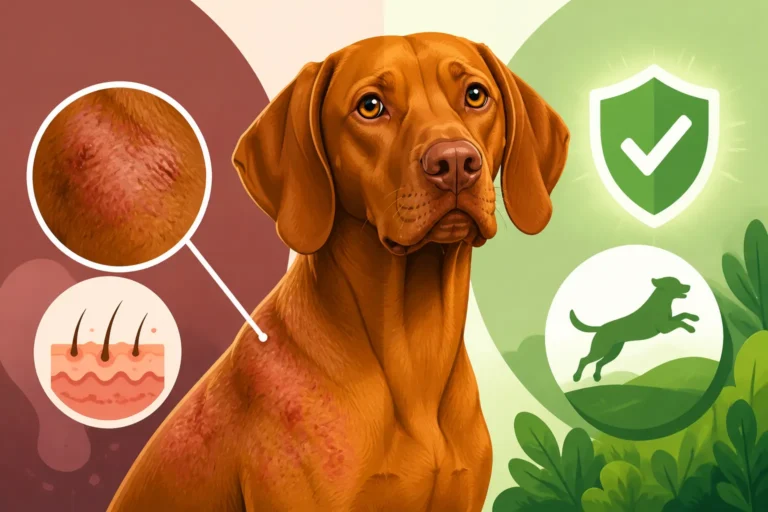
- Redness and Inflammation: Look for any areas of skin that are unusually red, inflamed, or hot to the touch. This can be localized or spread over a larger area, like the belly or armpits.
- Bumps, Pustules, and Scabs: Small red bumps (papules) or pus-filled pimples (pustules) are classic signs of bacterial infection. As these rupture or heal, they can form crusts and scabs.
- Hair Loss: Patches of hair loss (alopecia) can indicate constant licking/chewing, deep infection, or underlying skin disease. This can be diffuse or in distinct circular patterns.
- Skin Discoloration or Thickening: Chronic inflammation, especially from yeast, can lead to the skin becoming thickened and taking on a greyish or darkened (hyperpigmented) appearance.
- Greasy or Oily Skin: Particularly noticeable with yeast infections, the skin might feel greasy to the touch, and the coat might look dull or matted in affected areas, even if short.
- Odor: A distinctive, unpleasant odor—often described as sweet, yeasty, or rancid—is a strong indicator of a yeast or bacterial overgrowth. This isn't just "doggy smell"; it's much stronger and more pervasive.
- Ear Problems: Don't forget their ears! Redness, discharge, itching, and a foul smell in the ears can be a sign of ear infections, which are often linked to systemic skin issues and can be bacterial or yeast-based. You can learn more about how to prevent this in Keeping a Vizsla's Ears Clear After Water Work.
Behavioral Indicators of Discomfort
Your Vizsla might not be able to tell you in words that they're itchy, but their actions will speak volumes.
- Excessive Scratching: This is the most obvious sign. If your Vizsla is constantly scratching with their hind leg, especially if it seems obsessive or keeps them from resting, pay close attention.
- Licking and Chewing: Persistent licking or chewing at paws, flanks, groin, or any other body part indicates irritation. Watch for wet patches or saliva staining on their fur. Vizslas are prone to licking their paws when stressed or itchy, which can lead to further inflammation and infection.
- Rubbing: Your Vizsla might rub their body against furniture, the carpet, or even you, trying to alleviate the itch. They might also rub their face and ears on the ground.
- Restlessness or Irritability: Constant itching can be incredibly disruptive. Your typically calm Vizsla might become restless, unable to settle, or even show signs of irritability if touched in sensitive areas. It's heartbreaking to see your usually happy, energetic dog seem so uncomfortable.
- Lethargy or Changes in Appetite: In severe or widespread infections, the dog might feel generally unwell, leading to reduced energy levels or a decrease in appetite. While less common for simple secondary skin infections, it's always a flag to watch for.
Treatment and Management Strategies
Once you suspect a secondary skin infection, getting your Vizsla to the veterinarian is the most important first step. Self-diagnosing and treating can often make things worse or delay proper care.
Veterinary Diagnosis and Intervention
Your vet will be able to properly diagnose the issue and determine the best course of action.
- Diagnostic Tests: Your vet will likely perform several tests to identify the type of infection:
- Skin Cytology: This involves collecting cells from the skin (using tape, a swab, or a slide impression) and examining them under a microscope to identify bacteria, yeast, inflammatory cells, and sometimes even mites. This is often the first and most crucial step.
- Skin Scrapes: Scraping the skin with a blade to collect samples for microscopic examination, primarily to look for mites like Demodex or Sarcoptes.
- Bacterial Culture and Sensitivity: In cases of severe or recurrent bacterial infections, your vet might take a sterile swab of the infected area and send it to a lab. This test identifies the specific type of bacteria and determines which antibiotics will be most effective against it, preventing unnecessary antibiotic use or resistance.
- Treatment Protocols:
- Antibiotics: For bacterial infections (pyoderma), oral antibiotics are often prescribed for several weeks, sometimes even a month or more, to ensure the infection is completely cleared. Topical antibiotic sprays, creams, or medicated shampoos can also be used, sometimes in conjunction with oral medication.
- Antifungals: For yeast infections (Malassezia dermatitis), oral antifungal medications or topical antifungal shampoos, mousses, or wipes are typically prescribed.
- Anti-inflammatory Medications: Steroids (prednisone) may be used short-term to reduce severe itching and inflammation, especially if allergies are the underlying primary cause. Antihistamines might also be considered for milder allergy symptoms.
- Medicated Shampoos and Wipes: These are incredibly important for managing both bacterial and yeast infections. Ingredients like chlorhexidine (antibacterial), miconazole (antifungal), or benzoyl peroxide (follicle flushing) are common. Regular bathing with these shampoos, as directed by your vet, helps kill the organisms on the skin surface, remove crusts, and soothe the skin. For example, some veterinarians recommend specific medicated baths for life for conditions like sebaceous adenitis, as discussed in Whether a Vizsla Needs Medicated Baths for Life.
Long-Term Skin Health for Vizslas
Treating the secondary infection is only half the battle. For lasting relief, you absolutely must address the underlying primary cause. Otherwise, the infections will keep coming back, turning into a frustrating cycle for both you and your Vizsla.
- Addressing Allergies: If allergies are suspected, your vet might recommend further investigation, such as elimination diets for food allergies or allergy testing (blood tests or intradermal skin tests) for environmental allergies. Based on results, treatments like allergen-specific immunotherapy (allergy shots or oral drops) can be highly effective. Diet plays a huge role in skin health, and some Vizslas thrive on specific diets to support their sensitive systems.
- Parasite Control: Ensure your Vizsla is on year-round, effective flea, tick, and mite prevention. This simple step can eliminate a major source of primary irritation.
- Nutritional Support: A high-quality diet rich in Omega-3 and Omega-6 fatty acids can significantly improve skin and coat health by strengthening the skin barrier. Fish oil supplements are often recommended.
- Supplements: Specific supplements like probiotics can support overall gut health, which has a strong link to skin health, while others target skin barrier function.
- Regular Grooming and Inspection: Even without overt issues, regular brushing and wiping down your Vizsla, especially after outdoor activities, can remove allergens and irritants. Pay special attention to their paws and ears.
- Pet Insurance: Managing chronic skin conditions, especially those prone to secondary infections, can become quite costly over your Vizsla's lifetime. Pet insurance, such as a policy from Healthy Paws, can be a lifesaver, helping to cover the costs of diagnostics, medications, and ongoing treatments for chronic or recurring skin issues. It provides peace of mind knowing that you can afford the best care for your Vizsla without financial strain. Healthy Paws plans often cover unexpected illnesses and accidents, which includes many of the common skin issues Vizslas face.
Preventing Recurrence
An ounce of prevention is worth a pound of cure, especially when it comes to keeping your Vizsla's skin healthy and infection-free. Consistency and attention to detail are your best allies.
Proactive Care and Lifestyle Adjustments
Maintaining vigilance is crucial, particularly if your Vizsla has a history of skin problems.
- Daily Skin Checks: Get into the habit of a quick daily check, especially after outdoor play or hunts. Look for any redness, bumps, or excessive licking. Early detection means you can often nip a problem in the bud before it escalates. This is especially important for The Thin Skin a Vizsla Takes Into the Field.
- Consistent Hygiene: For Vizslas prone to issues, a regular bathing schedule with a gentle, moisturizing shampoo (or medicated shampoo if prescribed by your vet) can help manage surface bacteria and yeast, remove allergens, and maintain skin hydration. Don't overdo it, though, as frequent bathing with harsh products can strip natural oils. Consult your vet on the best frequency and products.
- Paw Care: Vizslas are very active and often get grass seeds, thorns, or other irritants lodged between their paw pads. Regularly inspect and clean their paws, especially after walks or runs in tall grass. Consider using paw wax or boots in rough terrain to protect their pads. This prevents minor cuts that can become infected. You can also explore Whether a Vizsla Needs Paw Wax.
- Avoid Known Triggers: If you've identified specific environmental allergens (e.g., certain types of pollen, dust) or food ingredients that bother your Vizsla, do your best to minimize exposure. This could mean wiping their paws after walks, using air purifiers, or sticking to a limited-ingredient diet.
- Stress Reduction: Believe it or not, stress can impact a dog's immune system and skin health. Ensuring your Vizsla gets adequate exercise and mental stimulation can contribute to overall well-being, which reflects positively on their skin. A tired Vizsla is a happy Vizsla, and less likely to engage in stress-induced licking. Learn more about The Two Hours a Vizsla Needs Before It Will Settle.
The Impact of Environment and Diet
Your Vizsla's internal and external environment heavily influence their skin health.
- Environmental Control:
- Indoor Allergens: If dust mites are a trigger, frequent vacuuming, washing bedding in hot water, and using dust mite covers can help.
- Outdoor Allergens: After outdoor activities, wiping down your Vizsla with a damp cloth or a hypoallergenic pet wipe can remove pollen and other irritants from their coat before they have a chance to settle on the skin.
- Humidity: In dry climates, a humidifier can help prevent skin dryness, which can predispose to irritation.
- Dietary Management:
- High-Quality Food: Always feed a high-quality, complete, and balanced dog food. Look for foods with good sources of animal protein and healthy fats.
- Omega Fatty Acids: Consider supplementing with Omega-3 fatty acids (like fish oil or flaxseed oil). These are powerful anti-inflammatories and support a healthy skin barrier. Many veterinarians recommend these supplements for dogs with sensitive skin. You can discuss with your vet whether a specific fish oil blend is beneficial for your Vizsla.
- Hypoallergenic Diets: If food allergies are suspected, your vet may recommend a prescription hypoallergenic diet or a novel protein diet trial. This involves feeding a specific food for several weeks to see if skin symptoms improve. Then, ingredients are reintroduced one by one to identify the culprit.
- Consistent Veterinary Care: Regular check-ups allow your vet to monitor your Vizsla's skin health and catch any developing issues early. Don't hesitate to reach out to your vet if you notice any persistent itching or skin changes. Being proactive and working closely with your vet, potentially utilizing your Healthy Paws insurance coverage for these visits, will give your Vizsla the best chance at a comfortable, itch-free life. It's a key part of ensuring The Twelve to Fourteen Years a Vizsla Lives are happy ones.
It's clear that while the Vizsla's striking appearance is a joy, their skin requires careful attention. Secondary infections are a common consequence of underlying primary issues, but with diligent observation, prompt veterinary care, and consistent preventive measures, you can help your Vizsla live a much more comfortable life, free from persistent itching and skin irritation. Understanding the unique needs of Why a Vizsla's Immune System Is the Breed's Weak Point can also help you be better prepared for common health challenges.
| Primary Skin Issue (Common in Vizslas) | How it Leads to Secondary Infection | Typical Secondary Infections | Visual/Behavioral Cues |
|---|---|---|---|
| Environmental Allergies | Constant itching, scratching, licking damages skin barrier, introduces bacteria/yeast | Bacterial Pyoderma, Yeast (Malassezia) Dermatitis | Red skin, itchy paws, ear infections, licking, chewing |
| Food Allergies | Chronic inflammation and itching, especially around face, paws, and ears | Bacterial Pyoderma, Yeast (Malassezia) Dermatitis | Itching (often non-seasonal), gastrointestinal upset, skin rashes, ear infections |
| Parasites (Fleas, Mites) | Bites cause irritation, intense itching, open sores from scratching | Bacterial Pyoderma | Intense itching, "flea dirt," visible parasites, scabs, hair loss |
| Sebaceous Adenitis | Dry, scaly, compromised skin lacks natural protective oils | Bacterial Pyoderma, Yeast (Malassezia) Dermatitis | Dry flaky skin, hair loss (often head/back), dull coat, greasy patches, odor |
| Minor Cuts/Abrasions | Breaks in the skin barrier allow bacteria to enter | Localized Bacterial Pyoderma | Redness, swelling, pus, pain at site of injury |
| Moisture Trapping | Constant dampness creates ideal environment for growth | Yeast (Malassezia) Dermatitis, Bacterial Pyoderma | Red, greasy, smelly skin in folds (e.g., armpits, paw pads) |
Disclaimer
Please remember that the information provided in this guide is intended for educational purposes only and should not be considered a substitute for professional veterinary advice. Always consult with a qualified veterinarian for any health concerns or before making any decisions about your Vizsla's medical care.