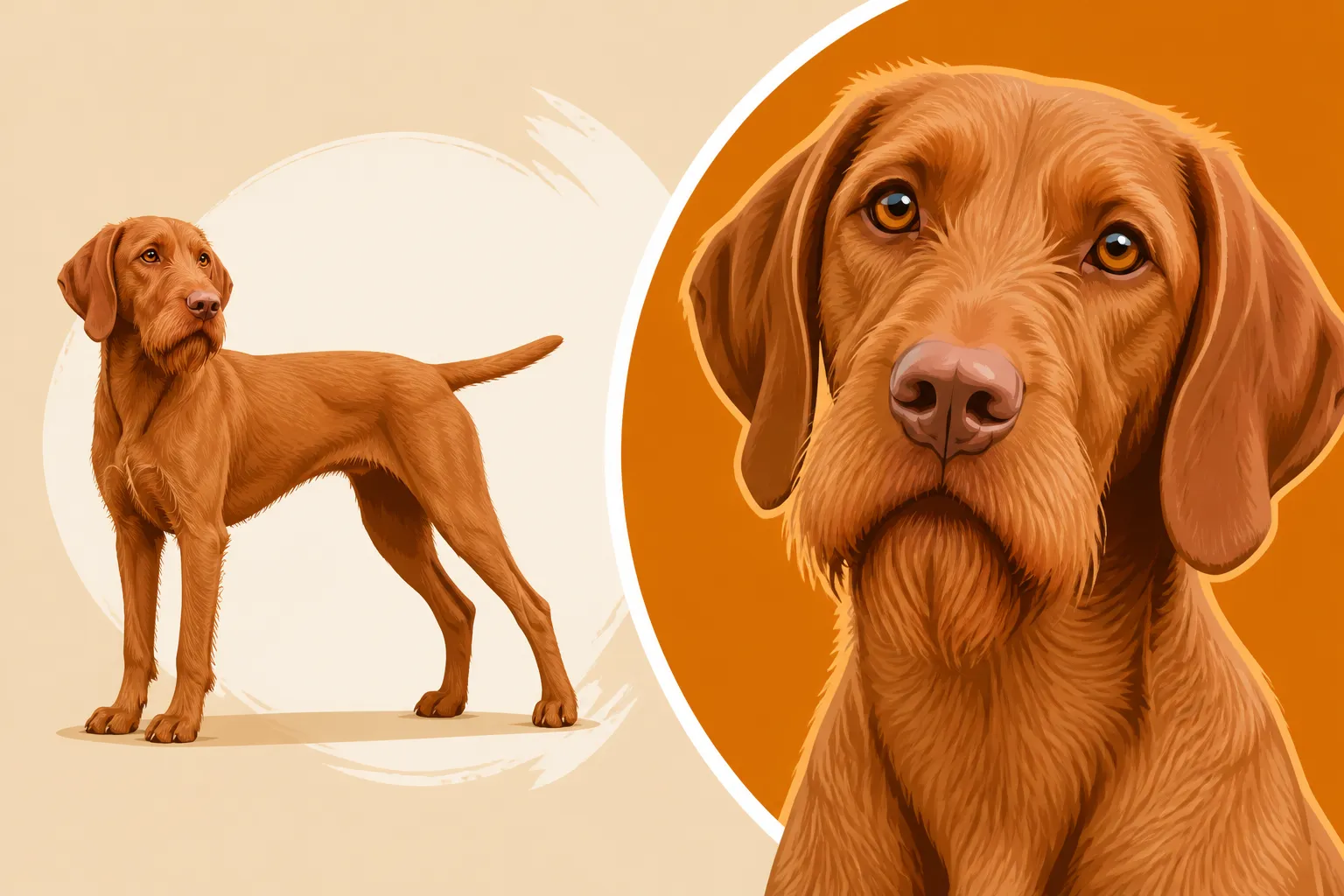
What a Wirehaired Vizsla Looks Like
A Wirehaired Vizsla can look like a familiar golden-rust Vizsla at first glance, until you notice the rough coat, unmistakable beard, and expressive eyebrows. Those features are not just a haircut or a seasonal change: they belong to a distinct breed. This guide explains what to look for, how its build and color compare with the smooth Vizsla, and which appearance details can vary.
The Wirehaired Vizsla’s coat and face
A wiry coat with a softer undercoat
The most obvious difference is the coat. A Wirehaired Vizsla has a dense, harsh-feeling outer coat that lies close to the body, rather than the short, smooth coat of the familiar Vizsla. The hair is meant to look practical and protective, not fluffy, curly, or long. A dense undercoat helps complete the weather-resistant look.
The coat should feel firm to the touch, but “wirehaired” does not mean that every dog has the same degree of roughness. Some coats feel more bristly; others feel a little softer or appear less heavily furnished. Coat texture can vary between individual dogs, and a puppy’s coat may not look fully developed. If you are comparing a young dog with an adult, give more weight to the overall coat pattern and facial furnishings than to one patch of baby-soft hair.
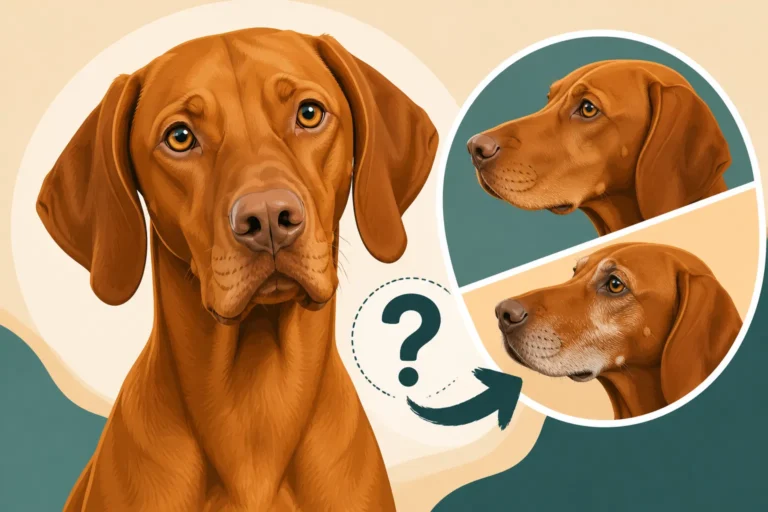
The furnishings make the breed especially recognizable. Look for a short beard under the muzzle and pronounced eyebrows that give the dog an alert, thoughtful expression. These should look like natural furnishings, not a long, shaggy beard or a fringe that obscures the eyes. The breed is not supposed to look like a terrier with a heavily sculpted coat.
If you are shopping for basic grooming tools, a soft brush or grooming mitt can help remove loose hair and dirt without making coat care feel like a major project. Chewy is one place owners may browse for general grooming supplies, but the right tool depends on the dog’s coat and how it responds to brushing. The practical goal is to keep the coat clean and check the skin, not to make the dog look artificially polished.
Face shape, ears, and expression
The head is strong and refined rather than bulky. The muzzle, jaw, and skull should look balanced with the rest of the dog, and the beard adds a distinct outline around the lower face. The eyebrows are usually easy to spot, especially when the dog is alert or watching something closely. Together, those features create the breed’s characteristic rugged expression.
The ears are set moderately low and hang close to the cheeks. They are not upright or sharply pointed, and the coat on the ears is generally short rather than long and feathered. The eyes often blend harmoniously with the warm coat color, while the nose is typically a brown shade that suits the dog’s coloring. For more about the coat and nose relationship, see Why a Vizsla's Nose Matches Its Coat.
A Wirehaired Vizsla’s face can look a little different depending on coat length and grooming. If the beard is trimmed very short, or the eyebrows are less pronounced, the dog may seem less distinctive at a glance. A tidy trim should not erase the natural furnishings that help identify the breed. For a wider look at expected coat shades, What Shade a Vizsla's Coat Should Be explains the color range associated with Vizslas.
Build, size, and overall silhouette
Athletic without looking heavy
The Wirehaired Vizsla is a medium-sized sporting dog with an athletic, balanced outline. It should look capable of sustained work: muscular and sturdy enough for activity, yet lean and agile rather than thick-set. The chest, legs, and body should look proportionate, with no impression of exaggerated bulk or delicate fragility.
Its outline is often a little more substantial-looking than that of a smooth Vizsla, partly because the coat adds texture and visual weight. That does not mean every Wirehaired Vizsla is larger. Coat, posture, sex, age, and individual build all affect how tall or broad a dog appears in a photograph. If you are trying to judge size from pictures, look for a familiar object nearby or compare the dog beside an adult person rather than relying on the apparent volume of its coat.
The breed’s movement should look free and purposeful. A dog standing squarely may show a deep chest and a defined waist; in motion, the body should look coordinated rather than cumbersome. A coat that sticks out a little around the face or legs can make the outline seem less sleek, but the dog underneath remains an athletic pointer.
For more detail about Vizsla proportions and typical size, What a Vizsla Actually Weighs is useful background. You can also compare the silhouette with Whether a Wirehaired Vizsla Is Bigger, especially if you are looking at both breeds and trying to decide whether the rough coat is making one dog appear larger.
The tail and small details
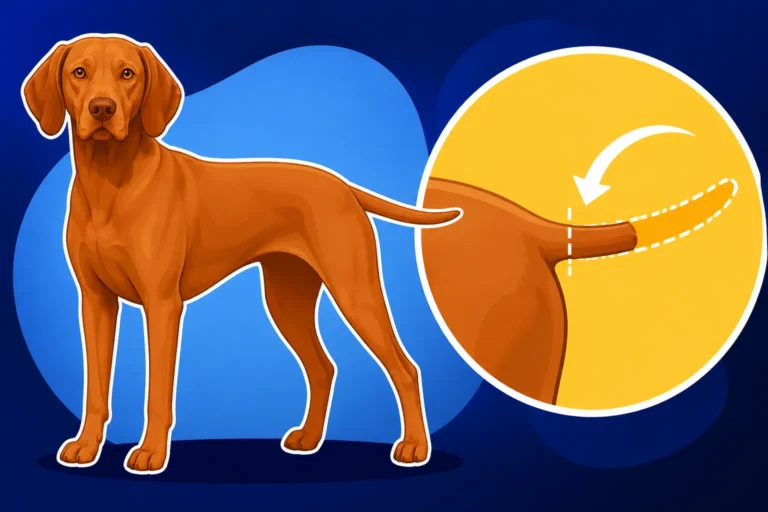
Tail appearance can depend on the country, the dog’s history, and local rules. Some Wirehaired Vizslas have docked tails, while others have natural tails. A natural tail is not, by itself, evidence that the dog is a different breed. If you are looking at a dog in person, focus on the overall combination of coat, furnishings, color, and build rather than treating one feature as a definitive test.
Small white markings may appear, including limited white on the chest or toes. How markings are described or assessed can differ between breed standards and show contexts, so a small patch does not automatically mean a dog is not a Wirehaired Vizsla. Likewise, coat shade can vary within the warm golden-rust family. Appearance standards are helpful for understanding the breed, but they should not replace reliable identification and records when breed ancestry matters.
Coat color and how to recognize the breed
Golden rust shades and natural variation
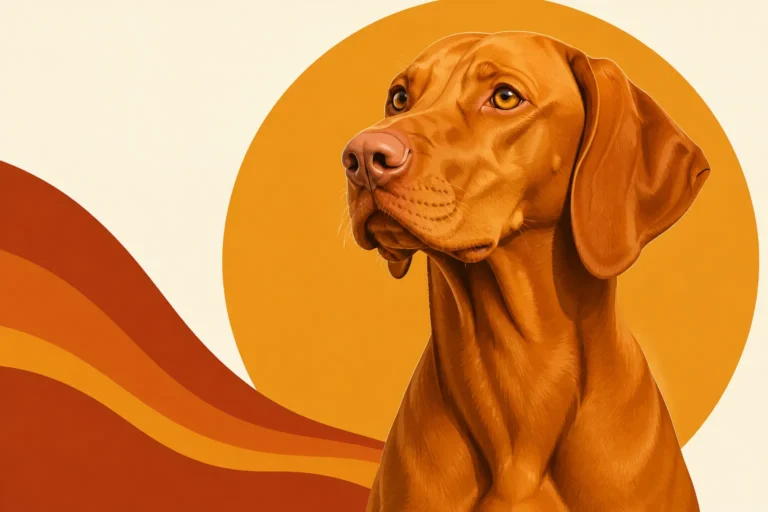
Wirehaired Vizslas are known for warm golden-rust coloring. The coat may appear lighter or darker depending on the dog, the lighting, and whether the hair is clean, wet, or dusty. A bright outdoor photo can make a coat look more golden, while indoor light may bring out deeper rust tones. Those shifts do not necessarily indicate a different color variety.
The beard and eyebrows are usually part of the same overall color pattern, though the texture can make them look slightly different from the short body coat. Look for a coherent golden-rust appearance rather than a sharply contrasting mask or large patches of unrelated color. Breed standards may describe acceptable shades in specific terms, but everyday photos rarely show color perfectly.
It can help to view several photos of the same dog in different light. If you are considering a puppy, remember that the coat’s adult texture and final appearance may become clearer with maturity. For a comparison with the smooth-coated breed’s coloring, see Whether a Vizsla Must Be Solid Golden Rust. For the deeper distinction between the two varieties, The Wirehaired Vizsla Is a Different Breed covers why the rough-coated dog is not simply a smooth Vizsla with an unusual coat.
Quick visual comparison
| Feature | Wirehaired Vizsla | Smooth Vizsla |
|---|---|---|
| Body coat | Dense, wiry, close-fitting, and rougher to the touch | Short, smooth, and close to the body |
| Face | Usually has a beard and pronounced eyebrows | Lacks the characteristic beard and eyebrow furnishings |
| Overall outline | Athletic, with a rugged look from the coat | Sleek, with a smoother outline |
| Typical color family | Warm golden-rust shades | Warm golden-rust shades |
| Breed identity | A distinct breed | A separate, smooth-coated breed |
The shared color and similar sporting-dog shape can make the two breeds easy to confuse in a quick glance. The coat and facial furnishings are usually the clearest visual clues. For the breed’s development and the origins of its rough coat, read How the Wirehaired Vizsla Was Made. The related guide Whether a Wirehaired Vizsla Is the Same Breed explains the distinction in more detail.
What a Wirehaired Vizsla is not
Not a longhaired or heavily feathered Vizsla
The rough coat should not be mistaken for a long, flowing coat. Wirehaired means coarse and protective, not soft and feathered. The body coat is intended to lie close, and the face furnishings are short and purposeful. A dog with long fringes on the ears, legs, or tail may simply be an individual with an unusual coat, a mixed-breed dog, or a dog photographed in a way that exaggerates its hair.
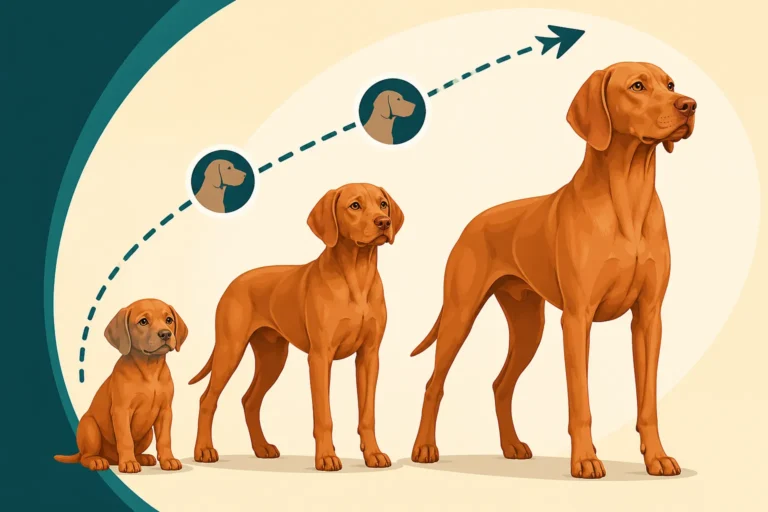
A puppy’s coat can also be misleading. Young dogs may have softer hair before their adult coat develops, and their furnishings may be less obvious. If a puppy seems smooth in one photo, that alone is not enough to determine whether it is a Wirehaired Vizsla. Ask about the parents, registration, and breeder documentation if breed identity is important to you.
People sometimes wonder whether a smooth Vizsla can grow into a wirehaired one. A coat’s appearance does not change in that way: the two are distinct breeds, not two coat stages of the same dog. For another useful comparison, Whether a Longhaired Vizsla Exists addresses a common source of confusion about unusual coat length.
Not a guarantee of cold-weather toughness
The wiry coat gives the dog a more weather-ready appearance than the smooth coat, but it does not make a Wirehaired Vizsla suited to every temperature or condition. A dog can still become cold, wet, overheated, or uncomfortable. The right response depends on the weather, the dog’s activity, its health, and how long it is outside. Do not assume that a rough coat means a dog can stay outdoors for extended periods without shelter or warmth.
For daily life, watch the dog rather than relying on appearance alone. Shivering, reluctance to continue, repeatedly seeking warmth, or lifting paws can be signs that conditions are uncomfortable. After wet or muddy outings, dry the dog and check the coat and skin, especially around the beard, feet, and areas where debris can collect. A coat or other outdoor gear may be useful for some dogs and situations; if you are comparing options, Chewy listings can be one place to check measurements and garment styles, but fit and the dog’s comfort matter more than the label.
The Wirehaired Vizsla may look rugged, but it is still a short-coated companion that benefits from thoughtful care. Chewy can also be a convenient place to browse basic grooming or outdoor items, while a breeder or veterinarian can help with questions about an individual dog’s coat and needs. If you are comparing its weather tolerance with the smooth variety, Whether a Wirehaired Vizsla Handles Cold Better explores the question without treating coat type as a substitute for sensible cold-weather care.
Disclaimer
This article is for general informational purposes only and does not constitute professional advice. Laws, prices and regulations vary by location and change over time. Consult a qualified professional for guidance on your specific situation.