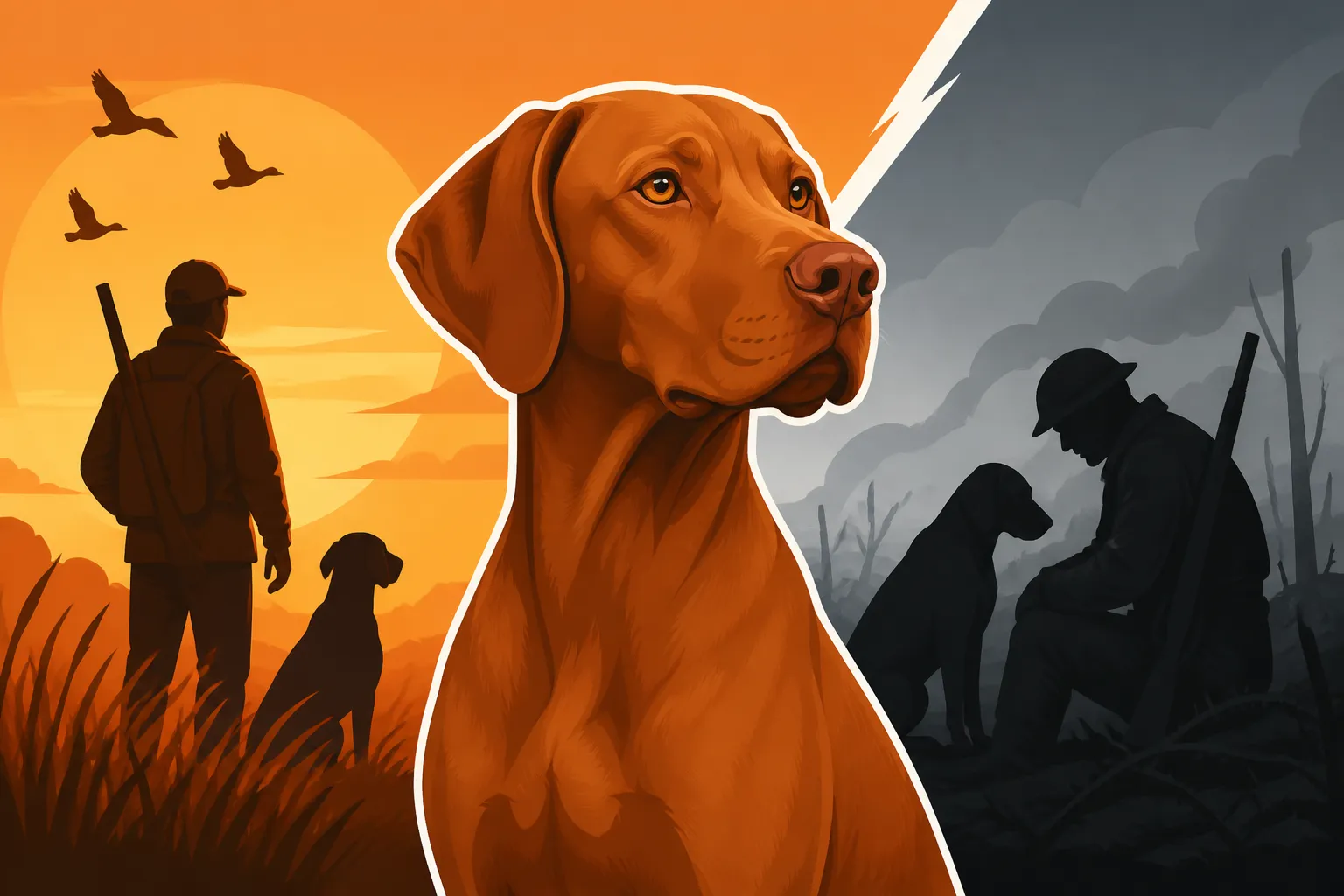
Whether Vizslas Were Shot Alongside Their Owners
Many of us, myself included, have looked at our beloved Vizslas and wondered about their breed's history, especially during dark times. The thought of losing such a loyal companion is heartbreaking, and tales of past hardship often lead to somber questions, like whether Vizslas faced execution alongside their human families during wars or political upheaval. This guide delves into the challenging history of the Vizsla in Hungary, exploring the realities they faced during periods of extreme adversity.
The Vizsla's Storied Past and Near Annihilation
When we look at our vibrant, energetic Vizslas today, it’s hard to imagine a time when their very existence hung by a thread, not once, but repeatedly throughout history. The breed's journey is one of incredible resilience, marked by deep loyalty to their human companions and a tenacious will to survive. Understanding their past helps us appreciate just how special these dogs truly are.
The Ancient Roots and Noble Status
The Vizsla isn't just "a dog"; it's a living piece of Hungarian heritage, with roots stretching back over a thousand years. These magnificent dogs were the cherished companions of the Magyar tribes who settled Hungary, evolving alongside noblemen and hunters. Their striking golden-rust coat and elegant physique made them instantly recognizable, but it was their exceptional hunting prowess, their keen scenting abilities, and their unwavering devotion that cemented their place in Hungarian society. They weren't just tools for the hunt; they were partners, integral to the noble lifestyle. They worked closely with their masters, pointing game with precision and retrieving gracefully. To own a Vizsla was a mark of status, a testament to one's lineage and connection to the land. You can read more about The Magyar Hunting Dogs Behind the Vizsla to understand their ancient lineage.
Surviving the First Brink of Extinction
Despite their esteemed position, the Vizsla faced significant challenges, including a brush with extinction around the turn of the 20th century. Changes in land ownership, shifts in hunting practices, and the introduction of other popular European hunting breeds led to a drastic decline in their numbers. By 1900, the breed was in a truly perilous state, with only a handful of purebred Vizslas remaining in Hungary. It was a dire situation that prompted dedicated enthusiasts to undertake a monumental effort to save them. These breeders scoured the country for the remaining pure bloodlines, meticulously planning breeding programs to bring the Vizsla back from the brink. This dedicated work laid the groundwork for the Vizsla we know and love today, proving their resilience long before the 20th century's greater upheavals. It’s an incredible story of dedication, and it highlights just how close we came to losing this unique breed forever. We actually have an entire piece on The Vizsla Came Back From Extinction Twice that dives deeper into this first survival story.
World Wars, Occupation, and the Harsh Realities
The 20th century brought unprecedented global conflicts, and Hungary, nestled in the heart of Europe, was unfortunately at the epicenter of much of this turmoil. The impact of two World Wars and subsequent political occupations had a devastating effect on the country and its people, and by extension, on their beloved Vizslas.
The Devastation of Conflict and Scarcity
The First World War, and even more so the Second, plunged Hungary into unimaginable suffering. Cities were bombed, infrastructure was destroyed, and the economy collapsed. Food and resources became incredibly scarce, a grim reality that affected every household. In such desperate times, people struggled to feed their families, let alone their pets. Many dogs, including Vizslas, died from starvation, disease, or were simply abandoned as their owners fled conflict zones or could no longer provide for them. The sheer chaos and destruction of war meant that survival was a daily battle for everyone, human and animal alike. Even the most dedicated owners faced impossible choices, weighing the survival of their family against the needs of their cherished dogs. This period of widespread scarcity meant that many animals simply vanished into the brutal landscape of a war-torn country.
The Peril Faced by "Noble" Dogs
Following World War II, Hungary fell under Soviet occupation, leading to a communist regime that fundamentally reshaped society. In this new political climate, anything associated with the former aristocracy or "bourgeois" lifestyle became suspect. Vizslas, as traditional symbols of Hungarian nobility and hunting heritage, unfortunately, fell into this category. Owning such a dog could be seen as a political statement, a tie to the old order that the new regime sought to dismantle.
This isn't to say there were specific "Vizsla hunting" squads, but the general atmosphere of suspicion and the severe lack of resources created an extremely dangerous environment for the breed. If an owner was deemed a political enemy, their entire family, including their animals, could suffer severe consequences. In some cases, families were displaced, imprisoned, or executed, and their dogs would undoubtedly have shared their fate through abandonment, starvation, or direct harm during raids. The question of whether Vizslas were "shot alongside their owners" evokes a truly heartbreaking image, and while widespread, organized executions of dogs for political reasons might be an oversimplification, individual cases undoubtedly occurred. Dogs might have been killed if they barked during a raid, or if they were seen as a liability or a drain on resources by authorities. The stories are often anecdotal, passed down through generations, but they paint a grim picture of the extreme measures people took, and the risks their dogs faced, in a society where owning a Vizsla could indeed be politically dangerous. Why the Soviets Were a Problem for the Vizsla details some of the political challenges the breed faced.
Smuggling and the Iron Curtain's Impact
Amidst this terrifying backdrop, incredible acts of bravery and love emerged. Recognizing the imminent threat to the breed, dedicated Vizsla owners and breeders risked everything to save their dogs. This often involved smuggling Vizslas out of Hungary under the nose of the authorities, across borders to Western Europe and eventually, to North America. These journeys were fraught with danger, often undertaken in secrecy, with dogs hidden in luggage or disguised as common mongrels. One of the most famous stories is that of The Vizsla Named Panni XV Carried Out of Hungary, a dog whose journey symbolized the desperate hope for the breed's future.
These smuggled Vizslas, often just a handful, became the foundation stock for the breed in new lands. They carried the hopes and genetic heritage of generations, ensuring that the Vizsla bloodline would endure, even if it meant leaving their homeland. The Iron Curtain, a physical and ideological barrier, effectively cut off Hungarian Vizslas from those being established elsewhere, leading to some divergence in lines, but the sheer fact that they survived this period at all is a testament to the extraordinary efforts of their human champions. It’s largely thanks to these courageous individuals that Vizslas thrive today in countries like the United States, where they built new foundations. You can read more about How Vizslas Reached America to see how critical these efforts were.
The Modern Vizsla: A Legacy of Resilience and Love
Today, the Vizsla stands as a testament to resilience, a vibrant and cherished breed that has overcome immense historical adversity. Their survival against such odds makes the bond we share with them even more profound.
Honoring Their Ancestors' Sacrifice
Every time we look at our healthy, happy Vizslas, we are seeing the direct result of centuries of dedication and sacrifice. The thought of what their ancestors endured – the fear, the hunger, the loss – gives us a deeper appreciation for their presence in our lives. It imbues our relationship with a sense of historical reverence. Their spirited nature, their relentless optimism, and their deep need for connection seem to be echoes of the tenacity that allowed them to survive the darkest chapters of history. We honor their past by ensuring their future is filled with care, security, and abundant love, a stark contrast to the privations their forbears faced.
Protecting Our Vizslas Today
While we no longer face the threats of wartime scarcity or political persecution for owning a Vizsla, modern ownership comes with its own set of responsibilities and challenges. Ensuring our Vizslas live long, healthy lives requires consistent effort and resources. This means providing them with top-notch nutrition, which often includes high-quality kibble or fresh food, perhaps supplemented with fish oil for their beautiful The Golden Rust Color Only a Vizsla Wears coat. Many owners turn to reputable online retailers like Chewy for a wide selection of foods, supplements, and durable toys that stand up to a Vizsla's energy.
Beyond diet, regular veterinary care is paramount, including routine check-ups and being prepared for potential health issues that can affect the breed, such as certain immune conditions or joint problems. Training and socialization are also crucial to harness their intelligence and energy, ensuring they are well-adjusted members of the family and community. And, of course, their daily exercise requirements are legendary; a Vizsla truly needs its The Two Hours a Vizsla Needs Before It Will Settle before it will even consider settling down. Providing proper mental and physical stimulation helps prevent destructive behaviors and keeps them happy. From sturdy beds to training treats and even specialized outdoor gear available on Chewy, we have so many resources at our disposal to make sure our Vizslas thrive. It’s an investment, but one that is repaid tenfold in companionship, and you can get a sense of this in What a Vizsla Costs a Year to Keep.
The Enduring Bond
The most remarkable aspect of the Vizsla, perhaps, is their unwavering devotion. They are famously known as "Velcro Vizslas" for a reason – they want to be, quite literally, on you, with you, or at the very least, within touching distance. This profound desire for connection isn't just a quirky breed trait; it's a deep-seated characteristic that has been honed over centuries of close partnership with humans. It's the very essence of their survival. This intense bond is what drove those desperate acts of smuggling and protection during the wars. It's what makes them such incredible, albeit demanding, companions today.
This deep loyalty ensures that in our homes, they are not just pets, but integral family members. They are attuned to our moods, eager to participate in every activity, and quick to offer comfort. This connection is a direct legacy of their ancestors' trust and dependence on humans for survival, and the reciprocal love and protection humans offered them. It’s a powerful bond that transcends time and adversity, leading to a typical lifespan of The Twelve to Fourteen Years a Vizsla Lives.
To illustrate the contrast between the past and present, consider this table:
| Aspect of Life | Vizsla During Wartime/Occupation | Modern Vizsla |
|---|---|---|
| Food & Shelter | Scarce, often scavenged, uncertain. Shared meager rations with family, or abandoned. Sleep in precarious conditions. | Abundant, high-quality food (e.g., from Chewy), safe and warm home environment. Specialized beds and coats for comfort. |
| Safety & Security | Constant threat from conflict, political upheaval, starvation, disease, direct harm. | Safe from direct conflict. Regular vet care, vaccinations, preventative treatments. Microchipped, often insured. |
| Social Status | Associated with nobility, potentially politically dangerous. Viewed as a luxury. | Cherished family member, companion, respected hunting partner or performance athlete. |
| Purpose | Often still hunted out of necessity, or as a symbol of defiance. Primarily focused on survival. | Companionship, hunting, sports (agility, dock diving, obedience), therapy work. |
| Care | Minimal, basic survival. | Comprehensive care: diet, exercise, training, vet care, mental stimulation, grooming. |
| Human Bond | Deep, vital for mutual survival, emotional anchor during hardship. | Deep, loving, integral part of the family, providing immense emotional support and joy. |
This article is for general informational purposes only and does not constitute professional advice. Laws, prices and regulations vary by location and change over time. Consult a qualified professional for guidance on your specific situation.