Why Vizslas Carry So Much Immune Disease
It’s a heart-wrenching reality for many Vizsla owners: you fall in love with their stunning looks, boundless energy, and unparalleled affection, only to find yourself navigating the complex and often frustrating world of immune-mediated diseases. It seems like these beautiful copper dogs are disproportionately affected by conditions where their own immune system mistakenly attacks their body. This guide is here to shed light on why Vizslas often carry a heavier burden of immune system issues, exploring the genetic roots, common manifestations, and the crucial steps you can take as a dedicated owner.
The Vizsla's Unique Genetic Heritage and Its Impact
When we talk about why certain breeds seem predisposed to specific health problems, we almost always circle back to genetics. For the Vizsla, their history is a tale of incredible resilience but also significant genetic bottlenecks that have profoundly shaped their health landscape today.
A Deep Dive into the Breed's Origins and Bottlenecks
The Vizsla breed, with its ancient Hungarian roots, faced near extinction not once, but twice, throughout its history. By the early 1900s, after centuries of selective breeding by Hungarian nobility, the breed's numbers dwindled dramatically. It was through the dedicated efforts of a handful of enthusiasts that the breed was painstakingly rebuilt, reportedly from as few as a dozen or so surviving dogs. Imagine trying to rebuild an entire population from such a small genetic pool! This extreme bottleneck meant that while the breed was saved, a significant amount of genetic diversity was lost.
Then, World War I and World War II brought further devastation, almost wiping them out again. The breed's survival hinged on a few individuals being smuggled out of Hungary, like the famous Panni XV. Each time the Vizsla teetered on the brink, breeders worked tirelessly to bring them back, but with each successive reduction in numbers, the gene pool tightened even further. This isn’t a fault of those passionate individuals who saved the breed; it's an unfortunate consequence of historical events. But for us, as modern Vizsla stewards, it means we inherit a breed with a somewhat limited genetic toolkit compared to those with broader ancestry.
The Narrowed Gene Pool and Inherited Susceptibility
A shallow gene pool means that certain genetic traits, both desirable and undesirable, become much more concentrated within the breed. If an early Vizsla carried a gene that predisposed it to an overactive or misdirected immune system, the chances of that gene being passed down and amplified through generations increased exponentially. It’s like shuffling a deck of cards that only has a few suits – you’re much more likely to draw the same cards repeatedly.
This genetic uniformity, while contributing to the breed's consistent appearance and temperament, also makes them more vulnerable to certain inherited conditions, including immune diseases. Unlike breeds with vast and diverse genetic backgrounds that might have multiple pathways to fight off disease or compensate for genetic weaknesses, the Vizsla’s options can be more limited. When you delve into questions like Whether Vizslas Have More Autoimmune Disease Than Most, the answer often points to this foundational genetic history. It’s a delicate balance of preserving the unique qualities we adore in the Vizsla while also acknowledging the health challenges that have come along with their remarkable survival story. This shared genetic vulnerability can manifest in a variety of ways, making the immune system a particular area of concern for the breed.
Understanding the Spectrum of Immune-Mediated Diseases in Vizslas
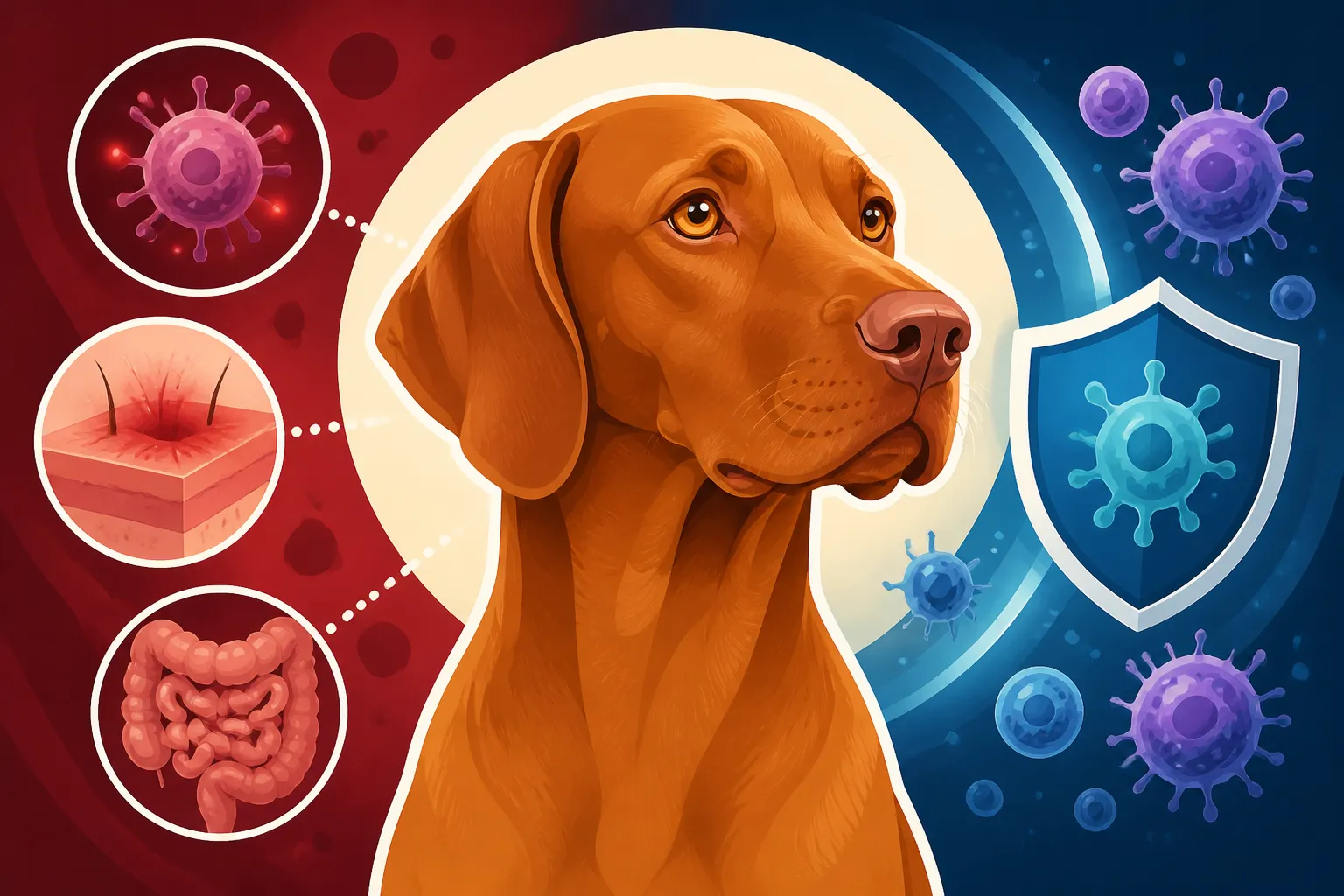
The term "immune-mediated disease" is broad, encompassing a range of conditions where the body's immune system, which is designed to protect against foreign invaders, mistakenly attacks its own healthy cells or tissues. In Vizslas, we see several types of these conditions, often requiring diligent management and an understanding from their owners.
Common Autoimmune Conditions Seen in the Breed
Vizslas are unfortunately prone to a collection of autoimmune diseases that can affect various parts of their body. It's not just one specific illness; it's a predisposition for the immune system to go awry.
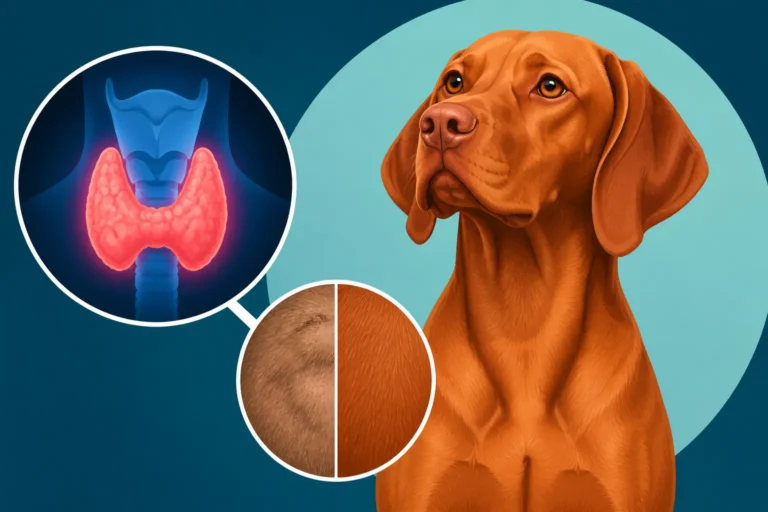
One well-known example is The Muscle Disease Named After the Vizsla, also known as Vizsla Inflammatory Polymyopathy (VIP). This devastating condition primarily affects the muscles of the head and neck, leading to difficulty swallowing and muscle wasting. It’s a classic example of the immune system targeting the body's own muscle tissue. Another common immune-mediated issue is Thyroid Failure in a Vizsla, or hypothyroidism, where the immune system attacks and destroys the thyroid gland, leading to a deficiency in thyroid hormones. Symptoms can be subtle at first, including lethargy, weight gain, and changes in the coat, which can sometimes be confused with other skin issues.
Then there are skin conditions, like Sebaceous Adenitis and the Vizsla That Loses Its Coat. With this disease, the immune system targets and destroys the sebaceous glands in the skin, leading to dry, scaly skin, hair loss, and secondary infections. It's not just an aesthetic issue; it can be incredibly uncomfortable and lead to chronic discomfort for your dog. Furthermore, some Vizslas may develop conditions like Immune-Mediated Hemolytic Anemia (IMHA), where the body attacks its own red blood cells, or Immune-Mediated Thrombocytopenia (IMT), where platelets are targeted. These blood disorders are often acute and life-threatening, demanding immediate and aggressive veterinary intervention. Understanding Whether a Vizsla Gets Immune Mediated Anemia is crucial for any owner. The sheer variety of these conditions makes diagnosis a challenging puzzle for veterinarians and a source of immense worry for owners.
How Immune Dysregulation Manifests in Different Systems
What makes immune-mediated diseases so tricky is that they don't just stick to one system. Because the immune system is fundamentally a body-wide defense mechanism, its dysregulation can pop up in almost any part of your Vizsla.
For instance, with Vizsla Inflammatory Polymyopathy, the primary target is muscle tissue, but the resulting inability to swallow profoundly impacts their ability to eat, leading to secondary issues like aspiration pneumonia. In the case of Sebaceous Adenitis, while it starts in the skin, the compromised skin barrier often leads to chronic bacterial or yeast infections, requiring ongoing care and a dedicated routine for Managing a Vizsla's Skin for Life. Hypothyroidism affects metabolism across the board, influencing energy levels, coat quality, and even temperament.
It’s not uncommon for a Vizsla to present with symptoms that initially seem unrelated, only for testing to reveal an underlying immune system malfunction. One dog might have chronic gastrointestinal upset, another persistent lameness without obvious injury, and yet another recurrent eye inflammation – all potentially stemming from an immune system that’s misfiring. This systemic impact means that when a Vizsla has an immune-mediated condition, it often requires a holistic approach to treatment, addressing not just the primary symptoms but also the cascade of secondary effects throughout their body. The frustration for owners comes from this diagnostic ambiguity and the realization that what seems like a simple problem might be a sign of a much deeper, systemic immune issue.
Environmental Triggers and the Immune Response
While genetics lay the groundwork for a Vizsla's immune system sensitivity, environmental factors can act as potent triggers, pushing a predisposed dog into a state of active disease. It’s rarely just one thing; often, it’s a combination of stressors that tip the scales.
The Role of Diet, Stress, and Toxins
Just like in humans, a Vizsla's immune system is intricately linked to its overall environment and lifestyle. Diet plays a massive role. Some owners report that certain food ingredients, particularly common allergens like chicken, beef, or grains, can exacerbate inflammatory responses in their sensitive Vizslas. While there's ongoing debate about "grain-free" diets and heart health, a well-balanced, high-quality diet tailored to a sensitive stomach, or even a novel protein diet, might reduce the overall inflammatory load on a Vizsla's system. Owners often find themselves on a quest for the perfect kibble or exploring fresh food options to see if it makes a difference.
Stress is another undeniable factor. Vizslas are known for their sensitive, "velcro" personalities. High stress levels, whether from separation anxiety, a chaotic household, or even intense training regimens without adequate downtime, can suppress or dysregulate the immune system. A stressed body is a body more prone to illness. Imagine your own immune system trying to function optimally when you're constantly anxious or run down; it's similar for our dogs.
Exposure to environmental toxins, from pesticides on lawns to chemicals in household cleaning products, can also tax an already delicate immune system. While it's impossible to eliminate all environmental hazards, minimizing exposure to harsh chemicals and being mindful of where your Vizsla plays and explores can contribute to better overall health. It's about reducing the cumulative burden on their system, giving their immune defenses the best chance to function correctly.
Vaccine Protocols and Immune System Sensitivity
Vaccinations are a cornerstone of preventative veterinary care, protecting our dogs from truly devastating diseases. However, for a breed with a documented predisposition to immune-mediated issues, the question of "vaccine load" and appropriate protocols becomes a significant discussion point.
Some veterinarians and Vizsla owners believe that an immune-sensitive dog can be pushed into an autoimmune flare-up by an overly aggressive vaccination schedule, especially if multiple vaccines are given at once, or if booster shots are administered more frequently than necessary. While there's no definitive scientific consensus that vaccines cause autoimmune disease in all cases, it's a conversation worth having with your vet, particularly if your Vizsla has a family history of immune issues or has already shown signs of immune sensitivity.
This is why some owners opt for titer testing rather than automatic booster shots after the initial puppy series. Titer tests measure the level of antibodies in a dog's blood, indicating whether they still have protective immunity from previous vaccinations. If the titers are sufficiently high, it might be possible to delay or skip certain booster vaccinations, thereby reducing the frequency of immune stimulation. Discussing Whether a Vizsla Reacts to Vaccines with your vet, and exploring a tailored, minimalist vaccine protocol that prioritizes essential protection while minimizing unnecessary immune challenges, is a thoughtful approach for this breed. It’s about being proactive and personalized, rather than one-size-fits-all, especially for a breed as special and sensitive as the Vizsla.
The Challenges of Diagnosis and Management
Living with a Vizsla that has an immune-mediated disease can be incredibly challenging, both emotionally and financially. The journey from initial symptoms to a confirmed diagnosis is often a winding road, and once a diagnosis is made, managing the condition usually involves lifelong commitment.
Why Getting a Clear Diagnosis Can Be So Difficult
One of the biggest frustrations for Vizsla owners is the sheer difficulty in getting a definitive diagnosis for immune-mediated diseases. The symptoms can be vague, mimicking many other less serious conditions, or they can be so widespread that it's hard to pinpoint a single cause. For example, a dog might be lethargic and losing hair. Is it just seasonal shedding? Stress? Or could it be something more serious like Thyroid Failure and the Vizsla's Coat or even the early signs of Sebaceous Adenitis?
Many immune diseases require specialized tests that aren't always readily available or are expensive. This can involve blood panels looking for specific autoantibodies, biopsies of affected tissues (like skin or muscle), or even advanced imaging. Often, general practitioners need to refer owners to internal medicine specialists or dermatologists, adding time, cost, and further emotional strain. It’s a process of elimination, which can feel agonizingly slow when your beloved dog isn’t feeling well. Owners often express the frustration of repeated vet visits, different medications tried, and the constant worry of not knowing what’s truly going on. This diagnostic odyssey isn’t unique to Vizslas, but it’s certainly a common experience for those dealing with their breed’s immune predispositions.
Long-Term Treatment Strategies and Their Implications
Once a diagnosis is made, the reality is that many immune-mediated diseases in Vizslas are managed, not cured. Treatment often involves medications designed to suppress or modulate the immune system, such as corticosteroids (like Prednisone) or other immunosuppressants (like Cyclosporine). While these drugs can be life-saving and dramatically improve quality of life, they often come with their own set of side effects and require careful monitoring.
For conditions like Sebaceous Adenitis, management involves a rigorous routine of specialized shampoos, conditioners, and emollients, sometimes combined with oral medications. This can be a daily commitment for the rest of your Vizsla's life. For thyroid issues, it’s a daily pill for life. For more severe conditions like IMHA or VIP, treatment might involve intense hospitalization, multiple medications, and regular blood work to monitor organ function and drug levels. The financial implications can be immense, with costs for medications, special diets, and frequent veterinary check-ups adding up quickly. This is where having a robust pet insurance plan, such as one from providers like Healthy Paws, can be an absolute lifesaver, helping to alleviate the financial stress of chronic disease management. Without it, the burden can feel overwhelming, especially when treatment protocols continue for years.
Many owners face the heartbreaking decision of balancing quality of life with the side effects of powerful medications. It’s a constant negotiation, learning to recognize subtle changes in your dog, and working closely with your veterinary team to adjust dosages and therapies as needed. The emotional toll of watching your energetic Vizsla battle a chronic illness is significant, requiring endless patience, advocacy, and unconditional love.
Breeding Responsibly to Mitigate Risk
For anyone passionate about the Vizsla breed, understanding the genetic predispositions to immune diseases highlights the critical importance of responsible breeding practices. While no breeder can guarantee a perfectly healthy puppy, ethical breeding can significantly reduce the risk of passing on known genetic vulnerabilities.
The Importance of Health Testing and Pedigree Research
Responsible Vizsla breeders go far beyond simply breeding two Vizslas together because they both have pedigrees. They meticulously research pedigrees, looking for longevity and health in the lines, and crucially, they perform extensive health testing on their breeding stock. While there isn't a single "immune disease test" that covers all bases, breeders can screen for conditions known to affect Vizslas, many of which have an immune component or can be secondary to immune issues.
For example, reputable breeders will screen for hip and elbow dysplasia, eye diseases, and often perform annual thyroid panels. While thyroid disease itself is an immune-mediated condition, routine testing can help identify affected dogs before they are bred, thus reducing the chances of passing on the predisposition. The Orthopedic Foundation for Animals (OFA) and Canine Health Information Center (CHIC) programs are invaluable resources. A CHIC number indicates that a dog has had all the recommended health screenings for its breed. When considering a puppy, asking a breeder about The Health Tests Both Vizsla Parents Should Have and if they have CHIC numbers for their breeding dogs is a fundamental first step.
Beyond official tests, a good breeder will be transparent about health issues in their lines, including any incidences of immune-mediated diseases. They understand that transparency is key to moving the breed forward. If a breeder avoids discussing health concerns or claims their lines are "perfect," it should be a red flag. Responsible breeders are also often involved in breed clubs and are committed to improving the overall health of the Vizsla.
Ethical Considerations for Vizsla Breeders
Ethical breeding extends beyond just health testing. It involves a deep understanding of genetics, a commitment to the welfare of both parents and puppies, and a long-term vision for the breed. This means making difficult decisions. If a breeding dog produces offspring with a high incidence of a particular immune-mediated disease, an ethical breeder will make the tough call to remove that dog from their breeding program, even if it has desirable traits in other areas. This is especially true when considering Whether an Affected Vizsla Should Be Bred. The health of future generations outweighs individual accolades or superficial traits.
Breeders should also strive to maintain genetic diversity within their lines where possible, carefully selecting mates to avoid over-reliance on a narrow set of ancestors, which could inadvertently concentrate more undesirable genes. They might also advise puppy buyers about specific care considerations for the breed, including diet, exercise needs, and vaccination protocols, knowing the breed's sensitivities. It’s a huge responsibility to bring Vizslas into the world, and ethical breeders recognize that their choices profoundly impact the health and lifespan of these beloved dogs. This dedication to health, coupled with owners' informed choices, is the best path forward for the Vizsla.
Common Immune-Mediated Diseases in Vizslas
To give you a clearer picture of the types of immune challenges Vizslas face, here's a breakdown of some of the most frequently encountered conditions:
| Condition | Affected System(s) | Common Symptoms | Treatment Approach |
|---|---|---|---|
| Vizsla Inflammatory Polymyopathy (VIP) | Musculoskeletal, Neurological | Difficulty swallowing, excessive drooling, muscle wasting (head/neck), gagging, weakness. | Immunosuppressants (steroids), soft/liquid diet, elevated feeding, supportive care. |
| Sebaceous Adenitis (SA) | Integumentary (Skin) | Dry, scaly skin; hair loss (especially head, back, tail); dull coat; secondary infections. | Medicated baths, oil soaks, oral immunosuppressants (Cyclosporine), antibiotics for infection. |
| Hypothyroidism | Endocrine | Lethargy, weight gain, hair loss, poor coat quality, cold intolerance, skin infections. | Thyroid hormone replacement therapy (daily medication) for life. |
| Immune-Mediated Hemolytic Anemia (IMHA) | Hematologic (Blood) | Pale gums, lethargy, weakness, dark urine, jaundice, increased respiratory rate. | Immunosuppressants (high-dose steroids), blood transfusions, supportive care. |
| Immune-Mediated Thrombocytopenia (IMT) | Hematologic (Blood) | Petechiae (small red spots on skin/gums), bruising, nosebleeds, blood in stool/urine. | Immunosuppressants (high-dose steroids), blood transfusions (platelets), supportive care. |
| Allergies (Atopic Dermatitis, Food) | Integumentary (Skin), GI | Itching, licking, chewing paws, ear infections, skin rashes, diarrhea, vomiting. | Diet changes, antihistamines, steroids, Apoquel, Cytopoint, allergy testing, immunotherapy. |
Disclaimer
The information provided in this article is for general informational purposes only and is not intended as a substitute for professional veterinary advice. Always consult with a qualified veterinarian for any health concerns or before making any decisions related to your Vizsla's health or medical care.