Whether a Vizsla’s Coat Grows Back
It’s truly disheartening to see your vibrant Vizsla start losing patches of that beautiful, distinctive golden-rust coat. You probably find yourself staring at those thinning areas, wondering not just why it's happening, but more urgently, will it ever grow back? This guide is here to walk you through the complexities of Vizsla coat health, helping you understand the common causes of hair loss and what steps you can take to encourage a full and healthy return of their glorious fur.
Understanding the Vizsla Coat: A Delicate Balance
The Vizsla's coat is one of its most striking features, but it's also a surprisingly delicate one. Unlike many breeds with thick double coats, the Vizsla sports a sleek, single layer of short, dense hair. This unique characteristic plays a huge role in how they react to environmental factors, health issues, and, ultimately, how their coat recovers from hair loss.
The Vizsla's Unique Single Coat
Let's be honest, that gorgeous golden-rust is part of what drew many of us to Vizslas in the first place. But what makes it so special also makes it vulnerable. Your Vizsla has what's called a single coat, meaning there's no soft, insulating undercoat beneath the coarser outer layer. This single layer is typically short, smooth, and lies close to the body, offering a sleek, athletic appearance. This thinness means they don't have the natural padding or protective barrier that a double-coated breed might have. It's fantastic for keeping them streamlined in the field and helps them dry quickly after a dip, but it also means their skin is more exposed to the elements and less forgiving when underlying health issues cause problems. Think of it like wearing a single lightweight jacket in a harsh environment – it offers some protection, but not much when things get tough. Understanding this fundamental aspect of their physiology is key to appreciating why certain issues can lead to noticeable hair loss. For a deeper dive into this, you might find it helpful to read about The Single Coat a Vizsla Has and Why It Changes Everything.
While many believe that a single coat means less shedding, that’s not entirely true. Vizslas do shed, often a moderate amount year-round, with perhaps a slightly heavier period seasonally. The short, stiff hairs can weave themselves into carpets and upholstery, making them surprisingly tenacious to clean up. But this normal, consistent shedding is very different from patches of hair loss or thinning that exposes the skin. When you start seeing bald spots, excessive skin flaking, or a dramatic reduction in coat density, it’s a clear signal that something beyond routine shedding is at play. It’s important to distinguish between the natural shedding process, which is a continuous turnover of hair, and an actual problem that's causing hair follicles to stop producing new hair or existing hair to fall out prematurely. If you're wondering about the typical shedding pattern, exploring How Much a Vizsla Sheds could offer more insight.
Normal Shedding vs. Abnormal Hair Loss
Every dog sheds, and your Vizsla is no exception. Normal shedding for a Vizsla typically results in a consistent, low level of hair around your home, possibly with a slight increase during spring and fall as their coat adapts to temperature changes. This natural process is usually uniform across the body; you won't see large bald patches or areas where the skin is suddenly visible. The hair that comes out is replaced by new, healthy growth, so the overall density and appearance of the coat remain consistent. It’s simply nature's way of renewing their protective layer.
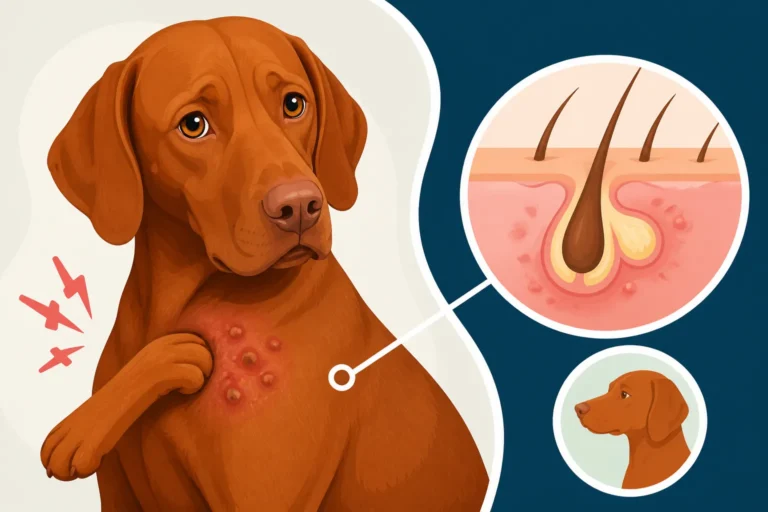
Abnormal hair loss, on the other hand, is a red flag. This is when you notice distinct bald spots, patches of significantly thinned hair where the skin shows through, or a widespread loss of density that makes your Vizsla look "patchy" or moth-eaten. Often, this is accompanied by other skin symptoms like redness, scaling, flaking, scabs, pimples, or a noticeable change in skin texture. Your Vizsla might also be scratching, licking, or chewing at the affected areas excessively, indicating irritation or discomfort. The hair loss might be symmetrical, affecting both sides of the body equally, or it might be localized to specific areas like the flanks, ears, or belly. It's crucial to pay close attention to these additional signs, as they provide vital clues to the underlying cause of the problem and will help your veterinarian diagnose and treat it effectively. Ignoring these signs can lead to worsening conditions, increased discomfort for your dog, and potentially more challenging regrowth down the line.
Common Reasons for Vizsla Coat Loss (Beyond Normal Shedding)
When your Vizsla starts losing hair, it can feel like a mystery. However, there are several common culprits, ranging from irritating skin conditions to more serious internal issues. Identifying the specific cause is the first critical step toward effective treatment and, hopefully, successful coat regrowth.
Skin Conditions and Allergies
Vizslas, with their fine, exposed skin, are unfortunately prone to a variety of skin conditions and allergies that can manifest as significant hair loss. Environmental allergies, often called atopic dermatitis, are incredibly common. Just like people, dogs can react to pollen, dust mites, and mold, leading to intense itchiness. This incessant scratching, licking, and chewing can directly cause hair to break off or be pulled out, and the constant irritation inflames the skin, further disrupting hair follicle function. You might notice your Vizsla scratching their ears, rubbing their face, or chewing their paws relentlessly, all tell-tale signs of allergic irritation. If you suspect environmental allergies, it's worth exploring information about Whether a Vizsla Gets Atopic Dermatitis.
Food sensitivities are another significant factor. While less common than environmental allergies, certain ingredients in their diet can trigger an immune response that presents as skin issues and hair loss. Common culprits often include proteins like chicken, beef, or dairy, but it can be any ingredient. The hair loss from food allergies is often accompanied by chronic ear infections, paw licking, or gastrointestinal upset. Then there's sebaceous adenitis, a particularly frustrating autoimmune disease where the sebaceous glands, responsible for producing protective oils for the skin and hair, become inflamed and are eventually destroyed. This leads to dry, flaky skin, scaling, and symmetrical hair loss, often starting along the back and ears. The lost hair often feels brittle and greasy. It’s a serious condition that requires dedicated management. To learn more about this specific challenge, you can read What Sebaceous Adenitis Does to a Vizsla. Many of these chronic skin conditions require ongoing management, which can certainly add up, and having pet insurance like Healthy Paws can be a real lifesaver when it comes to covering the costs of diagnostics, specialized diets, and long-term medications needed to keep your Vizsla comfortable and prevent further coat damage. Keeping a Vizsla's skin healthy for life is a commitment, and it often involves a multi-faceted approach. Further information on this can be found in Managing a Vizsla's Skin for Life.
Hormonal Imbalances
Beyond surface-level skin issues, internal hormonal imbalances can wreak havoc on a Vizsla's coat, often leading to symmetrical hair loss. Hypothyroidism is arguably the most common culprit in this category. This condition occurs when the thyroid gland doesn't produce enough thyroid hormone, which is crucial for regulating metabolism and, yes, hair growth. A Vizsla with an underactive thyroid might exhibit a dull, brittle coat that sheds excessively, often with hair loss concentrated on the flanks, tail ("rat tail"), and chest. The skin in affected areas might also appear thickened, dry, and sometimes darker. Other symptoms can include weight gain despite no change in diet, lethargy, intolerance to cold, and sometimes even a sad, "tragic" facial expression.
Diagnosing hypothyroidism involves a simple blood test to measure thyroid hormone levels. The good news is that once diagnosed, it's highly manageable with daily oral medication. With consistent treatment, many Vizslas see their coat slowly but surely return to its former glory. It takes time, as hair growth cycles are long, but the improvement is often significant. If you're concerned about this, you might want to look into Thyroid Failure in a Vizsla or specifically Thyroid Failure and the Vizsla's Coat. Other less common hormonal issues, such as Cushing's disease (excess cortisol production) or even sex hormone imbalances, can also lead to hair loss, typically presenting with similar symmetrical patterns. These conditions are usually accompanied by other systemic signs like increased thirst and urination, increased appetite, and a pot-bellied appearance. A thorough veterinary examination and diagnostic testing are essential to pinpointing the exact hormonal problem.
Parasites and Infections
Sometimes, the cause of your Vizsla's hair loss is less about internal imbalances and more about external invaders or opportunistic microorganisms. Parasites are a prime suspect. Fleas are notorious for causing intense itching, and a Vizsla who is constantly scratching, biting, and licking at their skin can quickly develop localized hair loss, especially around the base of the tail and hindquarters. Some Vizslas are also allergic to flea saliva, which can trigger an even more severe reaction, leading to widespread inflammation and hair loss from just a few bites. Mites, such as demodex or sarcoptic mites, are microscopic parasites that burrow into the skin or hair follicles, causing intense itchiness, redness, and significant hair loss. Sarcoptic mites (scabies) are particularly itchy and contagious, often leading to thick crusts and widespread hair loss. Demodectic mange, while less itchy, can cause patches of hair loss, especially around the face and legs, and can sometimes become generalized.
Beyond parasites, various infections can also lead to hair loss. Ringworm, despite its name, is actually a fungal infection of the skin and hair follicles, not a worm. It typically causes circular patches of hair loss with red, scaly, and sometimes crusty borders. It's highly contagious to other animals and humans. Bacterial skin infections, or pyoderma, often occur as a secondary complication to allergies or other underlying skin issues. The constant scratching breaks the skin barrier, allowing bacteria to proliferate. Pyoderma can manifest as red bumps, pustules, scabs, and patches of hair loss, often with a greasy feel and an unpleasant odor. Prompt diagnosis and treatment with appropriate antiparasitics, antifungals, or antibiotics are crucial to clear these infections and allow the hair follicles to recover and resume growth. Your vet can perform simple tests like skin scrapes or fungal cultures to identify these culprits.
The Process of Coat Regrowth in Vizslas
Watching your Vizsla recover from hair loss can be a test of patience. The process of coat regrowth isn't instantaneous, and several factors will influence how quickly and completely that beautiful golden-rust returns. It's important to have realistic expectations and understand what impacts the timeline.
Factors Influencing Regrowth Time
The timeline for your Vizsla's coat regrowth is highly individual and depends on a multitude of factors. First and foremost is the underlying cause of the hair loss. If it was a temporary issue, like a mild allergic reaction that was quickly resolved, regrowth might be relatively swift – perhaps a few weeks to a couple of months. However, if the cause was a chronic condition like sebaceous adenitis or a severe hormonal imbalance, full regrowth could take much longer, sometimes six months to a year, or even longer for complete density to return. In some cases, with certain severe or chronic conditions, the damage to the hair follicles might be so extensive that full regrowth is never achieved.
The severity and duration of the hair loss also play a significant role. Small, superficial patches of hair loss will typically regenerate faster than large areas of complete baldness or long-standing chronic irritation. Think of it like a minor cut versus a deep wound – the body's repair process takes longer for more extensive damage. Your Vizsla's age is another factor; younger, healthier dogs often have more robust regenerative capabilities than senior Vizslas whose metabolism and cellular turnover might be slower. The overall health and nutritional status of your dog are crucial, too. A well-nourished Vizsla with a strong immune system will have a better chance at healthy regrowth than one struggling with other health issues or a poor diet. Finally, how quickly and effectively the underlying issue was treated makes a huge difference. The sooner the problem is identified and addressed, the less damage the hair follicles sustain, and the higher the likelihood of complete and timely regrowth.
What to Expect During Regrowth
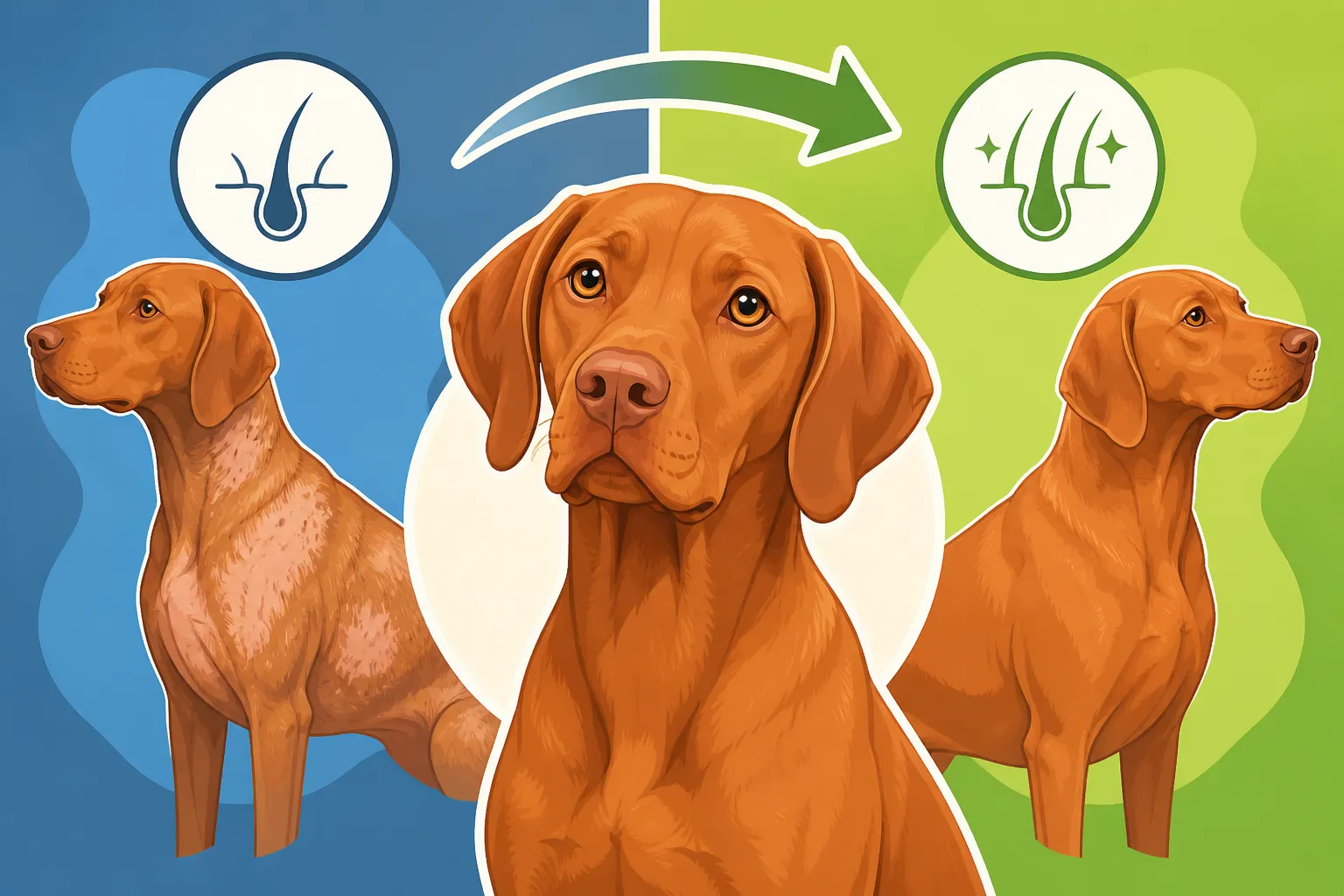
Once the underlying cause of your Vizsla's hair loss is successfully managed, you can start to anticipate regrowth, but it's important to manage your expectations. Hair doesn't just magically appear overnight. The process is typically gradual, moving through distinct stages. Initially, you might notice a fine, sparse "peach fuzz" appearing in the bald areas. This is a very good sign, indicating that the hair follicles are reactivating. This new hair will gradually thicken and lengthen over several weeks or months.
The speed and appearance of this initial regrowth can vary. For some Vizslas, the new coat might come in a slightly different shade or texture at first. It might be lighter, darker, or feel a bit softer or coarser than the surrounding mature coat. This is often temporary, and as the hair cycles through a few times and matures, it usually blends in with the rest of their coat. Patience is key during this phase. Don't expect a perfect, seamless return of their coat immediately. Continue to follow your veterinarian's advice for skin care and nutrition, and protect the delicate new growth from sun exposure or further irritation. Regular, gentle brushing can help stimulate circulation and distribute natural oils, further encouraging healthy growth. If, after several months of appropriate treatment, you see no signs of regrowth, or if the new hair is extremely sparse or unhealthy, it’s time to revisit your vet to re-evaluate the situation.
When Regrowth May Be Incomplete or Impossible
While we always hope for a full and glorious return of that Vizsla coat, there are unfortunately circumstances where regrowth might be incomplete, or even impossible. This is a tough reality to face, especially when you've done everything right. The primary reason for incomplete or absent regrowth is irreversible damage to the hair follicles. If the underlying condition caused severe, long-term inflammation, scarring, or destruction of the follicles – such as in advanced cases of sebaceous adenitis or deep, chronic skin infections – the follicles may simply lose their ability to produce new hair. In these situations, the affected areas might remain permanently bald or only grow very fine, sparse, and fragile hairs that never achieve the density of the surrounding coat.
Certain autoimmune conditions, if left untreated for extended periods, can also lead to such irreversible damage. Similarly, severe burns or deep wounds that result in significant scarring on the skin can destroy hair follicles in the affected area, leading to permanent hairless patches. The body replaces the damaged skin with scar tissue, which lacks the structures necessary for hair growth. In cases of chronic, systemic illnesses or very old age, the dog's overall health and metabolic rate might simply be too compromised to support robust hair regrowth, even if the follicles aren't completely destroyed. It's a somber thought, but understanding these possibilities helps set realistic expectations. In these situations, the focus shifts from achieving full regrowth to managing comfort, preventing further skin issues, and ensuring your Vizsla enjoys a good quality of life, even with a less-than-perfect coat.
Supporting Healthy Coat Regrowth
Beyond treating the primary cause of hair loss, there are many proactive steps you can take to actively support your Vizsla's skin health and encourage robust coat regrowth. This holistic approach focuses on providing the body with the building blocks it needs and protecting the delicate new hair.
Nutritional Support and Supplements
A healthy coat starts from within, and proper nutrition is paramount for supporting healthy hair regrowth. Ensure your Vizsla is on a high-quality, balanced diet that provides ample protein, essential fatty acids, and vitamins. Protein is the fundamental building block of hair, so a diet with easily digestible, high-quality protein sources is crucial. Look for foods that list a meat source as the first ingredient, not fillers or by-products.
Omega-3 and Omega-6 fatty acids are particularly vital for skin and coat health. These "good fats" help reduce inflammation, strengthen the skin barrier, and promote a shiny, healthy coat. Many high-quality dog foods include these, but supplementing with fish oil (salmon oil, cod liver oil) can be incredibly beneficial, especially for Vizslas recovering from skin issues. You might find more detail on this in Whether a Vizsla Needs Fish Oil for Its Skin. Other beneficial supplements can include B vitamins (especially biotin), zinc, and vitamin E, all of which play roles in skin health and cellular regeneration. However, always consult your veterinarian before adding any new supplements to your Vizsla's diet, as too much of certain vitamins or minerals can be detrimental. It's also worth considering that a working Vizsla, especially one burning through a lot of calories, might need a specialized diet to meet their energy needs and support overall health, which indirectly aids coat recovery. Information about Whether a Vizsla Needs Performance Kibble could be helpful here.
Topical Treatments and Grooming Practices
While internal support is critical, external care plays an equally important role in facilitating healthy coat regrowth and protecting delicate new hair. Your veterinarian may recommend specific medicated shampoos or conditioners, especially if bacterial or fungal infections were part of the problem. These shampoos often contain ingredients like chlorhexidine or miconazole to combat microorganisms, or salicylic acid to help with scaling. When bathing, use lukewarm water and avoid harsh scrubbing, as this can further irritate compromised skin. Always rinse thoroughly to ensure no residue is left behind, which could cause further irritation. After bathing, gently pat your Vizsla dry with a soft towel rather than vigorous rubbing. If your Vizsla struggles with dry, flaky skin, your vet might suggest a moisturizing shampoo or conditioner specifically formulated for sensitive skin. To choose the right products, check out Which Shampoo Suits a Vizsla's Skin.
Regular, gentle grooming is also beneficial. Use a soft rubber curry brush or grooming mitt to stimulate blood flow to the skin and hair follicles, which can encourage growth. This also helps distribute natural skin oils and removes loose, dead hair without irritating the skin. Avoid harsh brushes or excessive brushing, especially over areas of active hair loss. Protecting the skin from further damage is also crucial. For Vizslas with large bald patches, especially on their belly or flanks, sun protection is a must, as their pale skin is highly susceptible to sunburn. A lightweight dog shirt or even pet-safe sunscreen on exposed areas can prevent painful burns and further delays in regrowth. You can find more information about this in Whether a Vizsla Needs Sunscreen.
Addressing the Underlying Cause
This might seem obvious, but it's worth reiterating: the single most effective way to support healthy coat regrowth in your Vizsla is to definitively identify and treat the underlying cause of the hair loss. All the special diets, supplements, and topical treatments in the world will only offer temporary relief, or no relief at all, if the root problem isn't addressed. If your Vizsla has hypothyroidism, consistent daily thyroid medication is non-negotiable. If it's a flea allergy, rigorous flea prevention is key. For sebaceous adenitis, ongoing management with specific protocols, often including oil soaks and immunosuppressants, is vital.
This means a close partnership with your veterinarian. They will guide you through the diagnostic process, which might include skin scrapes, fungal cultures, blood tests, or even biopsies, to get to the bottom of the issue. Once a diagnosis is made, sticking to the prescribed treatment plan, even if it seems lengthy or complicated, is essential for giving your Vizsla the best chance at a full recovery and healthy coat regrowth. Don't stop medication prematurely just because you see some improvement; many conditions require long-term management. Remember, addressing the cause isn't just about growing hair back; it's about restoring your Vizsla's overall health and comfort. And when it comes to covering the often-significant costs associated with these diagnostics and treatments, having pet insurance like Healthy Paws can significantly alleviate financial stress, allowing you to focus on your Vizsla's recovery without compromise.
When to Seek Veterinary Help for Vizsla Hair Loss
While a little shedding is normal, there are clear instances when hair loss signals a problem that requires immediate veterinary attention. Don't hesitate to reach out to your vet if you notice anything concerning, as early intervention can make a significant difference in outcomes.
Signs That Warrant Immediate Concern
It's natural to monitor your Vizsla's coat, but certain signs should prompt you to call your veterinarian without delay. If you notice rapid or sudden hair loss over a short period, especially if it leads to large bald patches, this is a red flag. Similarly, if the hair loss is accompanied by intense scratching, licking, or chewing that causes raw spots, open sores, or scabs, your Vizsla is clearly in discomfort and needs professional help. Observe the skin beneath the affected areas: if it appears red, inflamed, crusty, greasy, or has an unusual odor, these are all indicators of infection or severe irritation.
Beyond the skin itself, pay attention to your Vizsla's general demeanor. If they seem lethargic, have a decreased appetite, or show other signs of illness in conjunction with hair loss, it could point to a systemic issue like a hormonal imbalance or internal disease. Any signs of pain when touched or groomed should also be investigated. Don't try to self-diagnose or treat with over-the-counter remedies without consulting a vet, as you might mask symptoms or worsen the problem. A professional diagnosis ensures your Vizsla gets the right treatment from the start, preventing prolonged suffering and more complicated issues down the road.
Diagnostic Tools and Procedures
When you bring your Vizsla to the vet for hair loss, expect a thorough examination and likely some diagnostic tests. The initial step is usually a physical exam, where your vet will assess the pattern of hair loss, examine the skin for any lesions, redness, or parasites, and look for other general health indicators. They'll also ask you detailed questions about when the hair loss started, associated symptoms, your Vizsla's diet, and any recent changes in their environment or routine.
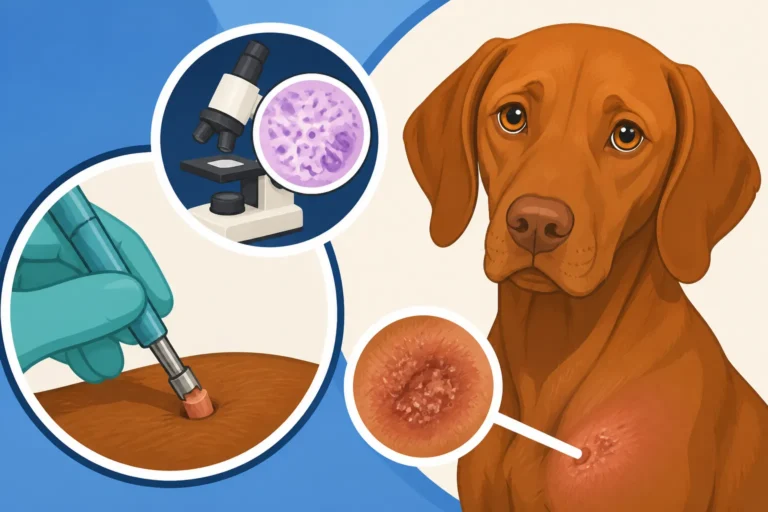
To pinpoint the exact cause, your vet may recommend several diagnostic tools:
- Skin Scrape: This involves gently scraping the surface of the skin with a blade to collect cells and debris, which are then examined under a microscope to look for mites (like demodex or sarcoptic mites) or other parasites.
- Fungal Culture: A sample of hair or skin is taken and placed on a special medium to check for the growth of ringworm or other fungal infections.
- Cytology: Swabs or impressions of affected skin areas are stained and examined under a microscope to identify bacterial or yeast infections.
- Blood Tests: A complete blood count and chemistry panel can check for underlying systemic issues, while a specific thyroid panel measures thyroid hormone levels to diagnose hypothyroidism. Other specialized hormone tests might be performed if endocrine diseases like Cushing's are suspected.
- Skin Biopsy: In more complex or chronic cases, a small tissue sample may be taken from the affected skin and sent to a veterinary pathologist for microscopic examination. This is often the definitive way to diagnose conditions like sebaceous adenitis or certain autoimmune skin diseases. It's a slightly more involved procedure, and you might wonder about the financial aspect. Understanding What a Vizsla's Skin Biopsy Costs can help you prepare.
These diagnostic steps are crucial. Guessing at the cause of hair loss can lead to ineffective treatments and prolonged discomfort for your Vizsla. While these tests can sometimes seem costly, remember that getting an accurate diagnosis promptly will ultimately save you time, money, and anxiety in the long run by allowing for targeted, effective treatment. This is another area where having pet insurance like Healthy Paws can be incredibly beneficial, helping to cover the expenses of these essential diagnostic procedures, so you can make the best medical decisions for your Vizsla without financial strain.
Long-Term Management and Prevention of Coat Issues
Once your Vizsla’s coat has started to recover, the goal shifts to long-term management and prevention. Proactive care and a clear understanding of the breed’s predispositions are key to maintaining a healthy, full coat for years to come.
Proactive Skincare and Routine Care
Preventing future coat problems is always easier than treating them. For Vizslas, with their sensitive skin and single coat, a proactive skincare routine is essential. This starts with regular skin checks. Make it a habit to thoroughly examine your Vizsla's skin and coat a few times a week, especially after outdoor activities. Look for any redness, bumps, flaking, or early signs of hair loss. Pay close attention to areas prone to issues, such as the ears, armpits, groin, and between the toes. Early detection of changes allows for prompt veterinary intervention before problems escalate.
Appropriate bathing is another cornerstone. While Vizslas are not known for being smelly dogs, regular baths with a gentle, moisturizing, dog-specific shampoo can help keep their skin clean and prevent the buildup of allergens and irritants. Avoid overly frequent bathing, which can strip natural oils, unless medically directed. Always rinse thoroughly. During colder months, your Vizsla's single coat offers limited protection, making them more susceptible to cold and dry air, which can affect skin hydration. Providing a warm, draft-free sleeping area and considering a dog coat for outdoor excursions in chilly weather can help prevent skin from drying out or becoming irritated by the cold. It's truly eye-opening to understand The Cold a Vizsla Genuinely Cannot Handle and how it impacts their skin. Regular brushing with a soft brush also helps stimulate the skin and distribute natural oils, promoting a healthy barrier.
Breeding Considerations and Genetic Predispositions
Understanding the genetic predispositions within the Vizsla breed is a critical, yet often overlooked, aspect of long-term coat health and prevention. As a breed with a relatively small founding population and historical "bottlenecks," Vizslas unfortunately carry a higher risk for certain inherited conditions, including those that affect the coat. Autoimmune diseases, for example, are notably prevalent in Vizslas. Conditions like sebaceous adenitis, mentioned earlier, have a known genetic component, meaning they are more likely to appear in certain bloodlines. This inherent vulnerability to immune-mediated issues can make Vizslas more susceptible to a range of skin and coat problems throughout their lives. Delving into Why Vizslas Carry So Much Immune Disease can provide further context here.
Responsible breeding practices are the most powerful tool we have for mitigating these risks. Reputable Vizsla breeders should be transparent about the health history of their breeding stock and actively screen for known genetic conditions. For instance, parents should ideally be screened for conditions such as thyroid disease, even though a specific genetic test for sebaceous adenitis isn't widely available for direct testing. Breeders can still carefully select lines with a proven history of healthy skin and coats. If you're considering breeding your Vizsla, or are looking for a puppy, it is paramount to inquire about the health testing performed on both parents and the health status of their ancestors. Never breed a Vizsla affected by an inherited skin condition like sebaceous adenitis, as this only perpetuates the problem in future generations. Detailed information on Whether an Affected Vizsla Should Be Bred is available, and understanding The Health Tests Both Vizsla Parents Should Have is crucial for any potential owner or breeder. By prioritizing health and responsible breeding, we can collectively work towards healthier coats and longer, happier lives for these wonderful dogs.
Coat Regrowth Prognosis by Cause: A Quick Guide
| Cause of Hair Loss | Typical Regrowth Time (Post-Treatment) | Regrowth Completeness | Key Factors Affecting Prognosis |
|---|---|---|---|
| Allergies (Environmental/Food) | 4-12 weeks | High, often complete | Severity of scratching, control of allergens, secondary infection. |
| Fleas/Mites (Parasites) | 2-8 weeks | High, usually complete | Promptness of treatment, extent of skin damage. |
| Bacterial/Fungal Infections | 6-12 weeks | High, usually complete | Effective antibiotics/antifungals, underlying cause resolution. |
| Hypothyroidism | 3-6 months, sometimes longer | High, often complete | Consistent medication, individual response to treatment. |
| Sebaceous Adenitis | Highly variable (0-6+ months) | Often incomplete | Severity of disease, early intervention, ongoing management. |
| Cushing's Disease (rare) | 6-12 months, may be partial | Variable | Control of underlying hormonal imbalance. |
| Scarring/Trauma | None | Impossible | Permanent damage to hair follicles. |
| Stress/Telogen Effluvium | 2-4 months | High, complete | Removal of stressor. |
Disclaimer
This guide is intended for informational purposes only and is not a substitute for professional veterinary advice. Always consult with a qualified veterinarian for any health concerns or before making any decisions related to your Vizsla's health and treatment.