Where a Vizsla Loses Hair First
It’s a truly unsettling experience for any Vizsla parent to wake up one morning and notice that beautiful, characteristic golden-rust coat isn't quite as full as it should be. Patchy hair loss can be incredibly worrying, often leaving us to fret over whether it's just seasonal shedding or a deeper, more troubling health concern. This comprehensive guide will walk you through the nuances of Vizsla hair loss, pinpointing common areas where it first appears, exploring the underlying causes, and offering practical advice on diagnosis and treatment to help your beloved companion regain their healthy, vibrant coat.
Understanding Normal Vizsla Shedding Versus Concerning Hair Loss
Vizslas are renowned for their sleek, short, single coats. While this makes them appear low-maintenance, they absolutely do shed, and it’s important to distinguish between normal coat turnover and something that warrants a closer look.
The Vizsla's Unique Coat and Shedding Pattern
Unlike breeds with thick double coats, the Vizsla's coat is typically short, dense, and lies close to the body. This means you won't find huge clumps of undercoat floating around your house, but don't let that fool you – they are still consistent shedders. Their shedding is often described as fine, needle-like hairs that weave themselves into fabric, proving quite persistent. Normal shedding involves a uniform loss of hair across the body, with new hair growing in to replace it, ensuring the coat remains consistently dense and healthy-looking. You might notice slightly more shedding during seasonal changes, particularly in spring and fall, as their bodies adjust to temperature shifts. It’s part of their natural process, allowing them to adapt their coat density subtly to the climate.
However, if you're seeing actual bald spots, thinning areas where skin is visible, or uneven patches of hair loss, that’s a clear signal that something is amiss. This isn't just about finding a few hairs on the sofa; it's about a noticeable alteration in the integrity of their coat that indicates an underlying issue. A healthy Vizsla coat should be smooth, shiny, and lie flat, with no discernible patches of sparse hair.
When to Worry: Signs Beyond Regular Shedding
The moment you start seeing more than just loose hairs, it’s time to pay close attention. Abnormal hair loss manifests differently from normal shedding. Instead of a general thinning, you might observe specific bald patches, often perfectly round, or areas where the hair seems to have broken off or been rubbed away. Sometimes, the hair loss can be symmetrical, affecting both sides of the body equally, which often points to systemic issues.
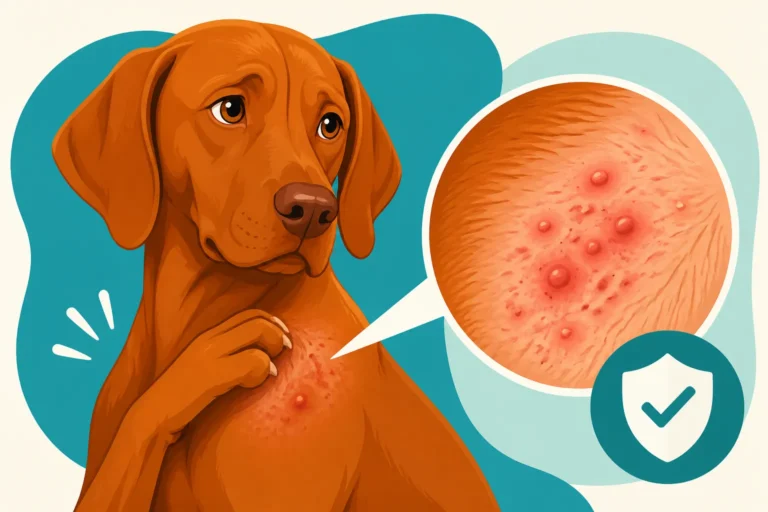
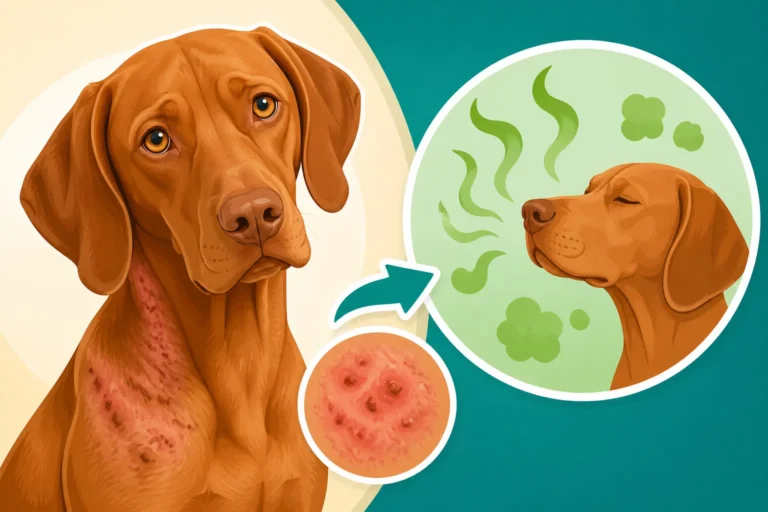
Beyond just the absence of hair, look for other accompanying symptoms. Is your Vizsla excessively scratching, licking, or chewing at their skin? This could indicate irritation, allergies, or parasites. Is the skin underneath the affected area red, inflamed, flaky, greasy, or showing signs of infection like pustules or scabbing? These are all red flags. A dull, brittle coat, changes in skin pigmentation (darkening), or an unusual odor can also signal an underlying problem. If your Vizsla seems lethargic, has gained or lost weight, or is showing other behavioral changes alongside hair loss, these could be clues pointing to a more generalized health problem. Don't dismiss these signs as merely cosmetic; a change in your Vizsla's coat is often an important indicator of their overall health.
Common Areas Where Vizslas First Show Hair Loss
When a Vizsla starts losing hair, it often begins in specific, predictable areas, depending on the root cause. Knowing these common starting points can help you describe the problem accurately to your veterinarian.
Ears, Eyes, and Muzzle: Delicate Facial Areas
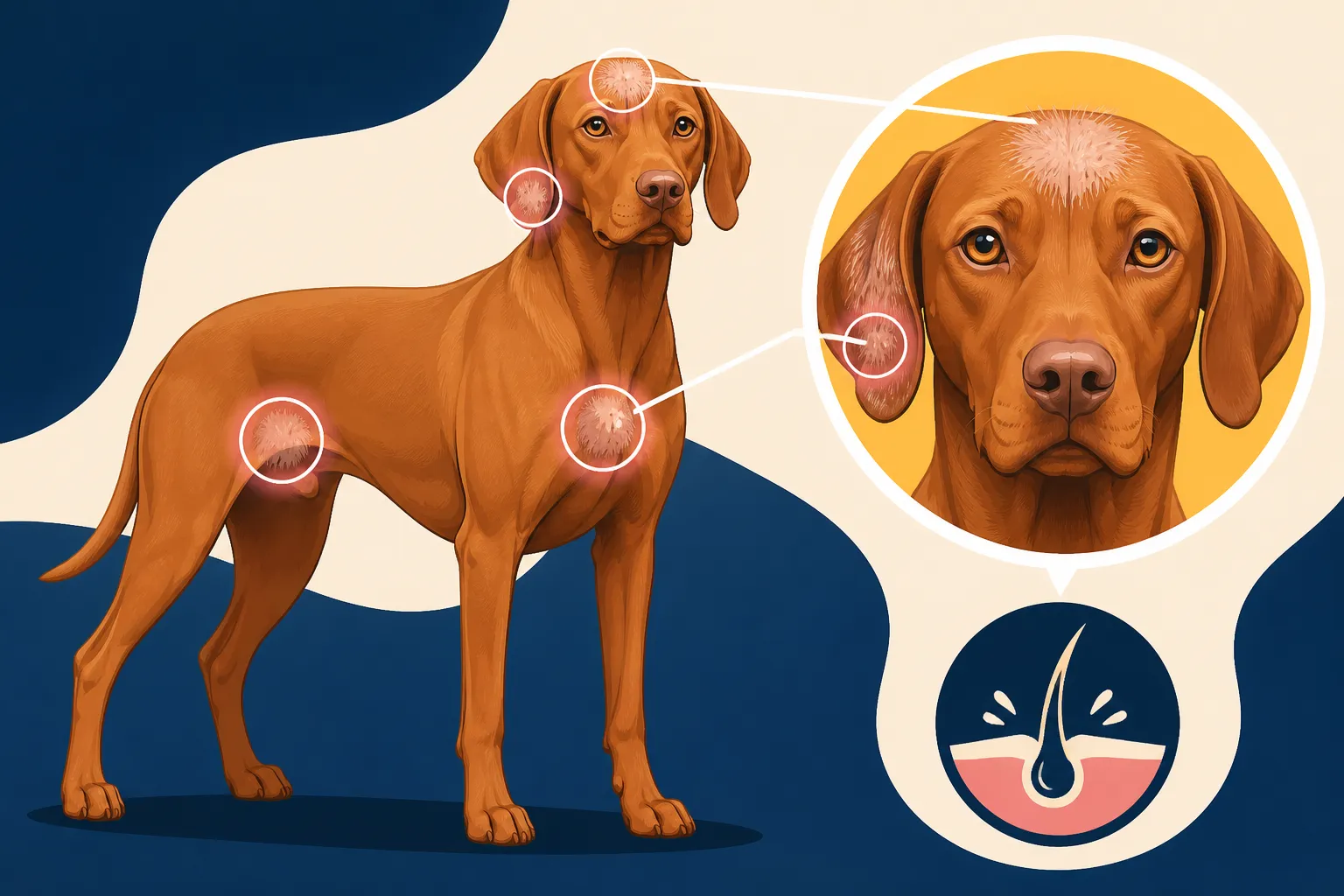
The face is a very sensitive area for Vizslas, and hair loss here can be particularly noticeable and distressing. Often, you might first spot hair thinning or complete baldness around the eyes, sometimes extending to the bridge of the nose or even the forehead. This can be a tell-tale sign of certain conditions, such as mites (like Demodex), allergies, or even early signs of an autoimmune disease like Sebaceous Adenitis. If your Vizsla is constantly rubbing their face or squinting, the hair loss could be self-inflicted due to intense itching.
Hair loss on the ear edges or inside the ear flaps is also common. This could be due to ear infections, which cause intense itching and head shaking, leading to hair breakage. In more unusual cases, conditions affecting blood circulation or autoimmune skin diseases might specifically target the delicate skin of the ear tips, causing hair loss and potentially crusting or ulceration. It's crucial to examine these areas closely for redness, swelling, or any discharge that might point to an infection.
Flanks, Tail, and Underside: Body Hair Loss Patterns
Moving to the body, hair loss on the flanks (sides of the torso) is a classic presentation for several systemic issues. Symmetrical flank alopecia, where hair loss occurs evenly on both sides, is often associated with hormonal imbalances, such as Thyroid Failure in a Vizsla. This can appear seasonally or become chronic, leaving distinct bald patches, though the skin itself often looks otherwise normal initially. The hair on the bridge of the nose and the base of the tail are also common areas for hair thinning with thyroid issues.
The underside of your Vizsla, particularly the belly and inner thighs, can also be an early indicator. Hair loss here, often accompanied by redness or a rash, strongly suggests allergies – either environmental (like grass or pollen) or food-related. Since Vizslas have very little hair on their bellies naturally, any additional thinning or irritation is easily visible. Dogs with contact dermatitis, from lying on irritating surfaces, might also show hair loss on these ventral surfaces. Similarly, excessive licking or chewing at the base of the tail or hindquarters often points to flea allergies or other parasitic infestations, which can quickly lead to localized hair loss and secondary skin infections.
Underlying Health Conditions Causing Hair Loss
Understanding where your Vizsla is losing hair is just one piece of the puzzle. The true challenge lies in identifying the why. Vizslas, unfortunately, are predisposed to several conditions that can manifest as hair loss.
Allergic Reactions and Environmental Irritants
One of the most common culprits behind hair loss in Vizslas is allergies. Just like people, dogs can suffer from environmental allergies (atopy), food allergies, or flea allergies. When a Vizsla experiences an allergic reaction, the body's immune system overreacts to a harmless substance, leading to inflammation and intense itching.
For environmental allergies, often called atopic dermatitis, hair loss frequently begins around the paws, face (especially around the eyes and muzzle), ears, and belly. These are the areas most exposed to allergens like pollen, dust mites, or molds. The intense itching causes the dog to scratch, lick, and chew, which directly leads to hair breakage and self-inflicted hair loss. Over time, constant irritation can lead to secondary bacterial or yeast infections, further exacerbating the hair loss and causing redness, scaling, and a greasy feel to the skin. Food allergies can present similarly, with itching and hair loss, but can also include gastrointestinal symptoms like vomiting or diarrhea. Flea allergies, even from a single bite, can cause an explosive reaction, leading to severe itching and hair loss, especially around the base of the tail and hindquarters. Managing allergies often involves a multi-pronged approach, including dietary changes, antihistamines, steroids, or newer immunomodulatory drugs, alongside careful environmental control.
Hormonal Imbalances and Autoimmune Conditions
Beyond allergies, hair loss can be a critical sign of deeper, systemic health problems, particularly hormonal imbalances or autoimmune conditions that unfortunately plague the Vizsla breed. Hypothyroidism, a common condition in Vizslas where the thyroid gland doesn't produce enough hormones, frequently leads to symmetrical hair loss. As discussed in Thyroid Failure and the Vizsla's Coat, this hair loss often starts on the flanks, extends to the chest and back, and can also be seen on the bridge of the nose and the base of the tail. The hair becomes brittle, sparse, and may fail to grow back after clipping. Other signs like lethargy, weight gain, cold intolerance, and a dull coat usually accompany the hair loss. Regular thyroid testing, perhaps even yearly as suggested in Whether a Vizsla's Thyroid Should Be Tested Yearly, is crucial for early detection.
Another significant condition for Vizslas is Sebaceous Adenitis (SA), an autoimmune disease where the immune system attacks and destroys the sebaceous glands, which are responsible for producing the skin's natural oils. As detailed in Sebaceous Adenitis and the Vizsla That Loses Its Coat and What Sebaceous Adenitis Does to a Vizsla, SA typically causes dry, scaly skin and hair loss, often starting on the top of the head, ears, neck, and back. The coat becomes dull, brittle, and patchy, and the skin can become extremely flaky and prone to secondary infections. While SA is not always painful (see Whether Sebaceous Adenitis Is Painful for a Vizsla), the skin can be very uncomfortable. Treating SA often involves managing the skin for life, with specialized bathing routines and sometimes immunosuppressant medications. Pet insurance, such as plans from Healthy Paws, can be incredibly beneficial in offsetting the significant costs associated with long-term management of chronic conditions like SA and hypothyroidism.
Parasites, Fungal Infections, and Skin Issues
Sometimes, the cause of hair loss is much simpler, though no less irritating: external parasites or fungal infections. These issues can often cause localized, intense itching and subsequent hair loss.
Fleas are a perennial problem, and even if you don't see them, their bites can trigger allergic reactions leading to excessive scratching, chewing, and hair loss, especially around the tail base and hind legs. Mites, such as sarcoptic mange (scabies) or demodectic mange, are microscopic parasites that burrow into the skin. Sarcoptic mange is incredibly itchy and can cause widespread hair loss, redness, and crusting, often starting on the ears, elbows, hocks, and belly. Demodectic mange, while often not itchy initially, causes patches of hair loss, particularly around the eyes, muzzle, and front legs, sometimes with redness and scaling. It’s more common in puppies or dogs with compromised immune systems.
Fungal infections, most notably ringworm (which isn't actually a worm, but a fungus), also cause hair loss. Ringworm lesions typically appear as circular patches of hair loss with redness, scaling, and broken hairs, often on the head, ears, and paws. These conditions require specific treatments – antiparasitic medications for fleas and mites, and antifungal medications (topical or oral) for ringworm. It's important to treat these promptly, as they can spread rapidly and cause significant discomfort and further secondary skin infections, a common complication mentioned in Whether a Vizsla's Skin Gets Secondary Infections.
| Condition | Common First Locations | Other Key Symptoms |
|---|---|---|
| Allergies | Paws, ears, muzzle, belly | Intense itching, redness, chewing, recurrent infections, possible GI upset |
| Hypothyroidism | Flanks (symmetrical), tail base, bridge of nose | Lethargy, weight gain, dull brittle coat, cold intolerance, slow heart rate |
| Sebaceous Adenitis | Top of head, ears, neck, back | Dry, scaly, flaky skin, dull coat, secondary infections, sometimes odor |
| Mites (e.g., Demodex) | Around eyes, mouth, elbows | Redness, scaling, pustules, usually non-itchy at first (Demodex); intense itching (Sarcoptic) |
| Ringworm | Circular patches anywhere, often head, paws | Red, scaly, crusty lesions, broken hairs, often itchy |
| Flea Allergy | Base of tail, hindquarters | Intense itching, scabs, redness, chewing, hot spots |
Diagnosis and Treatment Approaches for Vizsla Hair Loss
When you notice hair loss on your Vizsla, the journey to resolution typically begins with a visit to your veterinarian. They are your best resource for unraveling the mystery behind your dog's changing coat.
The Veterinary Consultation and Diagnostic Steps
A thorough veterinary consultation is paramount. Don't be surprised when your vet asks you a lot of questions about your Vizsla's history: when the hair loss started, where it first appeared, if it's itchy, what their diet is like, their flea and tick prevention regimen, and any other symptoms you've observed. Providing a detailed history helps the vet narrow down potential causes. They will then perform a comprehensive physical examination, paying close attention to the affected skin areas.
Following the initial exam, your vet will likely recommend several diagnostic tests to pinpoint the exact cause. These can include:
- Skin Scrapes: To look for mites (like Demodex or Sarcoptes).
- Fungal Cultures: To diagnose ringworm.
- Cytology: Examining skin cells under a microscope to identify bacterial or yeast infections.
- Blood Tests: Especially a full thyroid panel, to check for hormonal imbalances like hypothyroidism. If your Vizsla's coat loss is suspected to be thyroid-related, these tests are critical.
- Allergy Testing: If allergies are suspected, your vet might suggest an elimination diet trial for food allergies or intradermal skin testing or blood tests for environmental allergies.
- Skin Biopsy: In cases where autoimmune diseases like Sebaceous Adenitis are suspected, or if other tests are inconclusive, a skin biopsy is often required for a definitive diagnosis, as explored in Whether a Skin Biopsy Confirms It in a Vizsla. This involves taking a small sample of skin for microscopic examination by a veterinary pathologist. Each of these steps plays a crucial role in developing an effective treatment plan.
Managing Hair Loss: Medications, Diet, and Care
Once a diagnosis is established, your vet will tailor a treatment plan specific to your Vizsla's condition. For infections (bacterial, yeast, or fungal), antibiotics or antifungals will be prescribed, often alongside medicated shampoos to help clear up the skin. Parasitic infestations are treated with appropriate antiparasitics.
Hormonal conditions like hypothyroidism require lifelong medication, typically synthetic thyroid hormone supplementation. Many Vizsla owners report significant improvement in coat health and regrowth once thyroid levels are regulated. For autoimmune diseases such as Sebaceous Adenitis, the focus shifts to managing the condition, as a complete cure is often not possible. This involves specialized bathing routines with emollients and hydrating agents, such as those discussed in Whether Oil Soaks Help a Vizsla's Skin, and sometimes immunosuppressants like cyclosporine. While Whether a Vizsla's Coat Grows Back depends on the severity and nature of the damage, consistent and correct treatment offers the best chance.
Dietary changes can be transformative for Vizslas with food allergies, and high-quality, balanced nutrition is foundational for overall skin and coat health regardless of the specific cause of hair loss. Supplements like omega-3 fatty acids, often found in fish oil, can reduce inflammation and support skin barrier function (see Whether a Vizsla Needs Fish Oil).
It's important to remember that treating hair loss, especially from chronic conditions, can be a long-term commitment, both in terms of time and finances. This is where a robust pet insurance plan can truly make a difference. Companies like Healthy Paws offer comprehensive coverage that can help ease the financial burden of diagnostics, medications, and ongoing treatments for chronic conditions, allowing you to focus on your Vizsla's health without constant worry about costs. Managing a Vizsla's Skin for Life requires dedication, and having financial support can make a world of difference.
Preventing Future Hair Loss and Maintaining Coat Health
While some causes of hair loss are genetic or autoimmune, there's a great deal you can do as a Vizsla owner to support their skin and coat health and minimize the chances of future problems. Prevention and proactive care are key.
Proactive Skincare and Nutritional Support
A healthy coat starts from within, but external care is just as vital for a Vizsla. Regular grooming, even for their short coats, helps distribute natural oils, remove loose hair, and stimulate circulation. Using a rubber curry brush or a grooming mitt a few times a week can do wonders. While Vizslas don't typically need frequent bathing because of their self-cleaning coat, appropriate bathing with gentle, moisturizing shampoos can be beneficial, especially if they have sensitive skin or environmental allergies. Avoid harsh detergents that can strip the skin of its natural protective barrier.
Nutrition plays an enormous role in skin and coat health. Feeding a high-quality, balanced diet rich in essential fatty acids, vitamins, and minerals provides the building blocks for healthy hair growth and strong skin. Many Vizsla owners find success with diets that contain adequate levels of omega-3 and omega-6 fatty acids, which are crucial for maintaining skin integrity and reducing inflammation. Supplements like fish oil or specific skin and coat supplements can provide additional support, especially for dogs prone to dryness or allergies. Always consult your vet before adding new supplements to ensure they are appropriate for your dog's specific needs.
Environmental Management and Regular Vet Check-ups
Managing your Vizsla's environment is another critical component of preventing hair loss, particularly if allergies are a concern. If your dog has environmental allergies, try to minimize exposure to known triggers. This might mean wiping their paws after walks, using air purifiers, or frequent vacuuming. For flea allergies, consistent, year-round flea and tick prevention is non-negotiable. There are many effective products available, from topical treatments to oral medications, and your vet can help you choose the best one for your Vizsla's lifestyle.
Finally, regular veterinary check-ups are essential for catching potential issues early. Your annual vet visit is not just for vaccinations; it's an opportunity for your vet to assess your Vizsla's overall health, including their skin and coat. Proactive health screening, such as annual thyroid checks, especially for breeds prone to conditions like hypothyroidism (as noted in Whether a Vizsla's Thyroid Should Be Tested Yearly), can detect problems before they become severe. By understanding What a Vizsla Needs Every Day in terms of consistent care, nutrition, and routine health checks, you can significantly contribute to their long-term well-being and keep that beautiful golden-rust coat healthy and full for years to come.
Disclaimer
This guide provides general information about hair loss in Vizslas and is not a substitute for professional veterinary advice. Always consult with a qualified veterinarian for any health concerns or before making any decisions about your Vizsla's medical care or treatment.