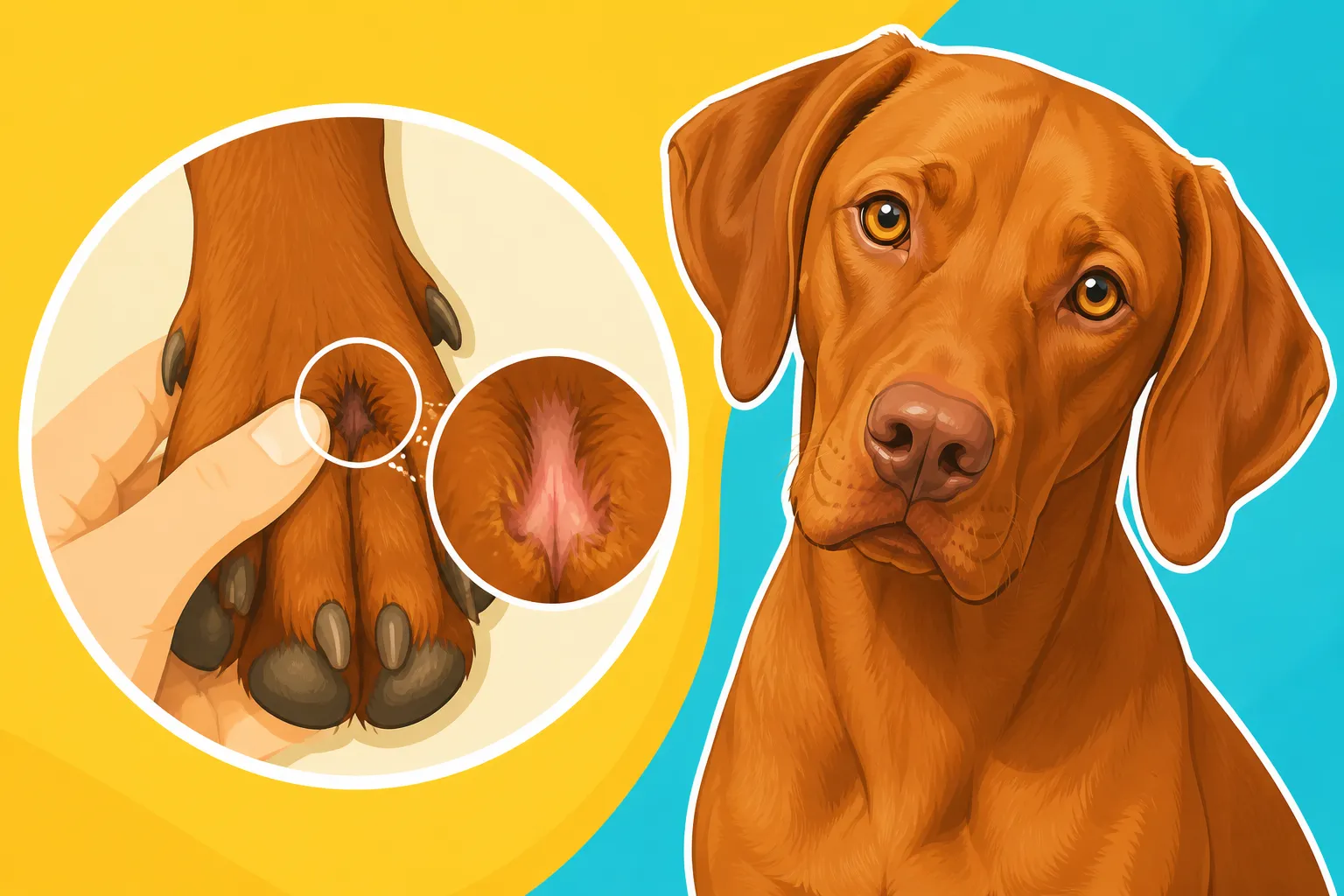
Whether a Vizsla Needs Checking Between Its Toes
One of the most common frustrations for any Vizsla owner, especially if your vibrant companion spends any serious time outside, is the endless battle against debris caught between their paw pads. You see them limping, constantly licking, or even hopping on three legs, and your heart sinks. It's not just a minor annoyance; these tiny invaders can cause significant pain, lead to nasty infections, and sideline your active dog from the very activities they live for. This guide is here to walk you through why checking your Vizsla's toes isn't just a good idea, but a critical part of their routine care, what to look for, and how to keep those precious paws healthy and happy.
Why Your Vizsla's Paws Are So Vulnerable (and Why It Matters)
Our Vizslas are incredible athletes, built for speed, stamina, and an insatiable desire to explore. This very nature, which we adore, also puts their paws directly in the line of fire. They aren't content to stroll on paved sidewalks; they want to bomb through fields, plunge into brush, and navigate all sorts of unpredictable terrain. This fearless approach to life, combined with the unique structure of their paws, makes regular checks absolutely non-negotiable for their comfort and long-term health.
The Vizsla's Active Lifestyle: A Double-Edged Sword
Think about a typical day for your Vizsla. It probably involves tearing across a park, perhaps a spirited retrieve through tall grass, or a focused hunt through denser cover. Their enthusiasm is boundless, and their prey drive means they often ignore minor discomforts in pursuit of a scent. This unwavering focus means they're not always careful about what they step on. A sharp stick, a prickly burr, or a tenacious grass seed can become embedded before they even register it.
This constant exposure to varied environments – from dry, dusty trails to damp, grassy fields – means their paws are working overtime. Every step is an opportunity for something to get wedged in, scrape a pad, or irritate the sensitive skin between their toes. Their high energy levels, which might see them The Two Hours a Vizsla Needs Before It Will Settle or Building a Recall on a Vizsla That Ranges, also mean they're covering a lot of ground quickly, increasing the chances of encountering hazards. Without proper attention, a small irritation can quickly escalate into a painful infection, leading to limping, changes in gait, and even behavioral issues due to discomfort. Keeping their paws in top condition is essential for supporting their active lives and preventing costly vet visits down the road.
The Delicate Design of a Vizsla's Paw
Compared to some other breeds, a Vizsla's paws are often described as elegant and well-knit, perfectly suited for agile movement. However, they also tend to have relatively thinner paw pads and much less hair between their toes than many other breeds. While this sparse hair helps prevent matting and might seem like a benefit in shedding, it also means less natural protection against foreign objects.
The skin between their toes is quite delicate and can be easily irritated, punctured, or abraded. This is where many problems begin. A tiny grass awn, for instance, can pierce this soft skin and, due to its barbed nature, work its way deeper into the paw, sometimes migrating up the leg. This vulnerability is why we, as responsible Vizsla owners, need to be extra vigilant. It's not just about protecting their pads; it's about safeguarding the entire structure that allows them to run, jump, and point with such grace. Just like their The Thin Skin a Vizsla Takes Into the Field elsewhere on their body, their paws require a gentle yet thorough approach to care.
Common Invaders: What You're Looking For Between Those Toes
Knowing what you're looking for is half the battle. It's not always obvious, and sometimes the biggest culprits are the smallest, most innocuous-looking plant parts. These silent threats can turn an otherwise perfect outing into a source of real agony for your dog.
The Usual Suspects: Grass Seeds, Burrs, and Thorns
Let's be honest, we've all been there: your Vizsla comes bounding in after a run, and suddenly starts licking their paw relentlessly. More often than not, the culprit is a grass seed, a burr, or a thorn. Grass seeds, especially varieties like foxtails (which aren't always foxtail grasses, but a general term for barbed seeds), cheatgrass, or wild barley, are incredibly insidious. Their unique shape allows them to easily push forward but not back out. They can embed themselves between toes, under nail folds, or even directly into the paw pad. Once embedded, they can cause abscesses, drain tracts, and, in severe cases, migrate internally, leading to serious systemic issues. This is why Whether a Vizsla Gets Grass Seeds in Its Feet is such a common concern for owners of active dogs.
Burrs, like those from burdock plants, are sticky, prickly spheres designed to cling. While less likely to penetrate deeply than a grass seed, they can become tightly matted in the limited hair between a Vizsla's toes, causing irritation and pulling. Thorns from rose bushes, blackberry brambles, or other woody plants are also common offenders. They can cause deep punctures, often leaving a small, barely visible entry wound that quickly seals over, trapping bacteria and leading to infection. These foreign bodies are not just uncomfortable; they are potential avenues for serious bacterial infections.
Less Obvious Threats: Ice, Road Salt, and Chemical Irritants
Beyond the natural plant matter, our modern environments present other, less obvious dangers to our Vizsla's paws. Winter, for instance, brings its own set of challenges. Ice can form painful balls between toes, especially if there's any moisture, causing discomfort and making walking difficult. More insidiously, road salt and de-icing chemicals used on sidewalks and roads can be incredibly irritating and even caustic to their paw pads. These chemicals can cause dryness, cracking, chemical burns, and severe pain. Your Vizsla might lick their paws in response, inadvertently ingesting these harmful substances. This is why considering options like Whether a Vizsla Needs Boots in Winter isn't just for warmth, but for protection against these irritants.
Even during warmer months, chemical lawn treatments, fertilizers, or spilled automotive fluids can cling to paws and cause irritation. If your Vizsla walks through a recently treated area, these chemicals can be absorbed through their pads or ingested when they groom themselves. Always be mindful of your surroundings and consider what unseen hazards might be lurking on the ground your Vizsla is exploring.
Your Daily Paw Patrol Routine: How and When to Check
Establishing a consistent routine for checking your Vizsla's paws is paramount. It’s not just about finding problems; it’s about preventing them and building a positive association with paw handling. A little proactive effort here can save a lot of heartache and expense down the line.
Making Paw Checks a Positive Experience
For many dogs, having their feet handled is an invasion of privacy, and it can be especially true for puppies who haven't been desensitized. Start early with your Vizsla puppy, making paw checks a calm, positive experience. Don't wait until they're in pain to try and inspect their feet. Gently touch and massage their paws while they're relaxed, offering high-value treats and praise. Make it a game, not a chore. This proactive approach will pay dividends when you genuinely need to examine a sore paw.
Regular, short sessions are more effective than infrequent, long struggles. Try doing a quick paw check after every walk or hunt, or as part of your evening cuddle routine. This helps normalize the process. If your Vizsla is particularly sensitive, consider using lick mats or puzzle toys smeared with a tasty treat like peanut butter (xylitol-free, of course) to distract them while you work. Remember, your Vizsla is a soft breed, and harsh handling will only make them shut down and resist further. If you're struggling, consult a professional positive reinforcement trainer for guidance.
The Step-by-Step Inspection Process
Once your Vizsla is comfortable with paw handling, the actual inspection becomes much easier. Here's a systematic approach to ensure you don't miss anything:
- Preparation: Find a well-lit area. Have a small flashlight, a pair of fine-tipped tweezers, a clean cloth, and antiseptic wipes (dog-safe) on hand. You might also want a good paw balm nearby.
- Start with the Pads: Gently hold your Vizsla's paw in your hand. Feel each pad – the large central pad and the four digital pads – for any cuts, cracks, tenderness, or swelling. Look for discoloration or any foreign objects stuck in the pad itself.
- Spread the Toes: This is the most crucial part. Gently spread each toe apart, one by one. Use your fingers to look deeply into the webbing between the pads. This is where grass seeds, burrs, and tiny thorns love to hide. Use your flashlight to get a good view. Feel for any lumps, bumps, heat, or tenderness.
- Check the Nails and Nail Beds: Examine each nail for cracks, breaks, or excessive length. Pay close attention to the area where the nail meets the paw (the nail bed) for any redness, swelling, or discharge, which could indicate an infection or an embedded object. Don't forget their dewclaws, if they have them!
- Look for Overall Swelling or Redness: After checking individual areas, take a general look at the entire paw. Compare it to the other paws – does one look significantly larger or redder?
- Observe for Pain: If your Vizsla pulls their paw away, licks excessively, or shows any signs of discomfort during your inspection, pay extra attention to that area. Remember that Whether a Vizsla Hides Its Pain can be a real issue, so even subtle reactions should be noted.
Perform this routine religiously, especially after any vigorous outdoor activity, as part of your comprehensive Checking a Vizsla Over After a Hunt.
| Paw Concern | Common Causes | Signs to Look For | Action |
|---|---|---|---|
| Grass Seeds/Burrs | Tall grass, brush, weeds | Licking, limping, swelling between toes, small red lesion | Gentle removal with tweezers, clean wound, monitor. Vet if deep or signs of infection. |
| Cuts/Punctures | Sharp objects, rough terrain, broken glass | Visible wound, bleeding, limping, tenderness | Clean thoroughly, apply antiseptic, bandage if necessary. Vet for deep cuts or persistent bleeding. |
| Cracked Pads | Dry weather, rough surfaces, excessive activity | Visible cracks, tenderness, reluctance to walk | Apply paw balm (e.g., from Chewy or Amazon), limit rough terrain. Vet if deep or bleeding. |
| Irritation/Redness | Allergies, chemicals, excessive moisture (hot spots) | Red skin, intense licking, hair loss, odor | Clean, keep dry, topical soothing agents. Vet for persistent issues or if it becomes a Whether a Vizsla Gets Hot Spots. |
| Swelling/Lumps | Infection, embedded foreign object, insect bite | Visible swelling, heat, pain on touch | Cold compress initially. Vet immediately for rapid swelling, pus, or severe pain. |
| Frostbite/Burns | Extreme cold, hot pavement, chemicals | Discoloration, blistering, pain, sloughing of skin | Immediate vet care. Do not rub frozen areas. |
When to Act and What to Do: First Aid and Vet Visits
Finding something amiss during a paw check can be alarming, but knowing how to respond calmly and effectively is key. Sometimes, you can handle minor issues at home, but recognizing when professional help is needed is crucial for your Vizsla's well-being.
Dealing with Minor Irritants at Home
For superficial foreign objects like a small burr or a visible grass seed that hasn't penetrated the skin, you can often remove it yourself. Use those fine-tipped tweezers to gently grasp and pull it out. Always pull in the direction it entered to minimize further damage. After removal, clean the area thoroughly with a dog-safe antiseptic wipe or a mild saline solution. Keep the area clean and dry, and monitor it closely for any signs of infection (redness, swelling, pus, increased licking). You can also apply a soothing paw balm (many excellent options are available from retailers like Chewy or Amazon, sometimes even specialized brands like Musher's Secret or natural balms) to help keep the pads supple and prevent cracking, which can be a gateway for bacteria.
If your Vizsla has stepped in something irritating but not embedded, like road salt, a warm water soak can be very beneficial. Fill a shallow basin with lukewarm water and let their paw soak for 5-10 minutes. This can help wash away irritants and reduce inflammation. Follow up with thorough drying, especially between the toes, to prevent moisture-related skin issues. Remember, your goal is to alleviate immediate discomfort and prevent secondary problems.
Recognizing Signs of Trouble and Seeking Professional Help
While home care is suitable for minor issues, there are clear indicators when it's time to call the vet. If you encounter any of the following, don't delay:
- Deeply Embedded Objects: If a grass seed or thorn has gone deep, or if you can't easily see and remove it, attempting to dig it out yourself can push it further in or cause more damage. This is a job for a professional.
- Persistent Limping or Reluctance to Bear Weight: If your Vizsla is limping severely, won't put weight on a paw, or the limping doesn't resolve quickly after a minor issue, something more serious is likely going on.
- Significant Swelling, Redness, or Heat: These are classic signs of infection. If the paw is hot to the touch, visibly swollen, or has an angry red appearance, it needs veterinary attention.
- Discharge or Pus: Any weeping, oozing, or pus-like discharge from a wound or between the toes indicates a bacterial infection that will likely require antibiotics.
- Excessive Licking or Chewing: While some licking is normal, if your Vizsla is obsessively licking, chewing, or biting at their paw, it's a strong sign of persistent pain or irritation.
- Unusual Odor: A foul smell coming from the paw can indicate a fungal or bacterial infection.
- Lack of Improvement: If a minor issue you've treated at home isn't showing signs of improvement within 24-48 hours, or if it worsens, it's time for a vet check.
A vet can properly assess the injury, often requiring sedation to fully explore the paw, remove foreign objects, clean deep wounds, and prescribe appropriate medication, whether it's antibiotics, anti-inflammatories, or pain relief. Don't underestimate the potential severity of paw injuries. Early intervention can prevent chronic problems and ensure your beloved Vizsla stays on their feet, doing what they love best. Neglecting these issues can not only lead to greater discomfort for your dog but also higher veterinary bills down the line, affecting your What a Vizsla Costs a Year to Keep. Even high-quality food options like those offered by Ollie, while excellent for overall health, won't fix an embedded foxtail! Investing in prevention and prompt treatment is always the best course of action.
Disclaimer
This article is for general informational purposes only and does not constitute professional advice. Laws, prices and regulations vary by location and change over time. Consult a qualified professional for guidance on your specific situation.