Whether a Vizsla Needs Its Teeth Brushed
Many Vizsla owners adore their energetic, loving companions but might overlook a crucial aspect of their routine care: dental health. That distinctive "dog breath" isn't just unpleasant; it's often a sign of underlying issues that can lead to serious health problems for your beloved copper dog. This comprehensive guide will explore why consistent dental care, including brushing, is not just recommended but truly essential for your Vizsla's overall well-being and how you can make it a manageable part of your life together.
Why Dental Health Matters for Your Vizsla Beyond Bad Breath
Vizslas are known for their athleticism and affectionate nature, but like all dogs, they are susceptible to dental disease. Ignoring oral hygiene can lead to a cascade of problems that impact their comfort, their ability to eat, and even their lifespan. It's easy to dismiss a little bad breath, but that smell is a warning sign that shouldn't be ignored.
More Than Just "Dog Breath"
When your Vizsla greets you with a big, panting smile, you might notice an odor that's less than fresh. Many owners simply chalk this up to "dog breath," but it's usually indicative of bacterial overgrowth in the mouth. This bacteria forms plaque, which hardens into tartar. Tartar, with its rough surface, attracts even more bacteria, leading to gingivitis – inflammation of the gums. Initially, this might just manifest as redness or mild irritation, but it's the first step down a path to significant pain and infection. It’s a progressive disease, meaning it only gets worse without intervention.
For an active dog like a Vizsla, who loves to use their mouth for retrieving, carrying toys, or even just mouthing your hand affectionately, a sore mouth can quickly diminish their quality of life. Imagine trying to enjoy your favorite activity with a throbbing toothache or inflamed gums. It’s no different for our canine companions. Whether a Vizsla Gets Dental Disease is a real concern, and it starts with what we perceive as merely bad breath.
Systemic Health Connections
The bacteria thriving in your Vizsla's mouth don't just stay there. As gingivitis progresses into periodontitis, these bacteria can enter the bloodstream through the damaged gum tissue. Once in the bloodstream, they can travel to major organs, including the heart, kidneys, and liver, causing secondary infections and inflammation. This connection is why veterinarians often emphasize that dental health isn't just about teeth; it's about systemic health.
A Vizsla's strong immune system, which is sometimes a blessing, can also be prone to certain immune-mediated conditions. While not directly caused by dental disease, the chronic inflammation and bacterial load from an infected mouth can certainly put additional stress on their system, potentially exacerbating other underlying health concerns. Why a Vizsla's Immune System Is the Breed's Weak Point can mean that chronic infections like advanced dental disease might have a more profound impact on their overall health than in other breeds. It’s a silent, insidious threat that warrants proactive management.
Vizslas and Their Chewing Habits
Vizslas are often ardent chewers, especially in their puppy and adolescent phases. This can be a double-edged sword for dental health. On one hand, appropriate chewing on dental-specific toys or chews can help scrape away plaque and stimulate gums, acting as a natural toothbrush. On the other hand, aggressive chewing on hard, inappropriate objects like antlers, real bones, or rocks can lead to fractured teeth, which are incredibly painful and often require costly dental surgery to extract or repair.
It's crucial to direct your Vizsla's natural chewing instincts towards beneficial options. Think about durable rubber toys from brands like Kong, or specific dental chews designed to be digestible and safe. A common misconception is that any chew toy is good for teeth, but texture and hardness are key. A good rule of thumb: if you can't easily indent it with your thumbnail, it's too hard and could damage your Vizsla's teeth.
The Silent Threat: How Dental Disease Progresses in Vizslas
Understanding how dental disease unfolds is critical to appreciating why early and consistent intervention is so important. It doesn't happen overnight, and often, by the time we see obvious signs, the problem is already quite advanced and painful for our dogs.
Plaque, Tartar, and Gum Disease
It all begins with plaque, a sticky film of bacteria, food particles, and saliva that constantly forms on your Vizsla's teeth. If not removed within 24-48 hours, plaque hardens into tartar (or calculus). Tartar is porous and creates a perfect breeding ground for more bacteria, leading to an inflammatory response in the gums called gingivitis. Gingivitis is reversible with proper cleaning, but if left untreated, it progresses.
This progression leads to periodontitis, where the inflammation spreads below the gum line. The bacteria start attacking the supportive structures of the tooth, including the bone and ligaments that hold the tooth in place. This process creates pockets between the gums and teeth, which fill with more bacteria, pus, and debris, leading to even more severe infection and bone loss. Eventually, teeth can become loose, infected, and incredibly painful, often requiring extraction. This cycle is why early intervention is key.
Recognizing the Early Signs
One of the biggest challenges with dental disease is that dogs are masters at hiding pain and discomfort. By their nature as survivalists, they often won't show obvious signs until the condition is severe. However, as observant Vizsla owners, there are subtle cues we can look for. The most common early sign, as mentioned, is bad breath (halitosis). Other indicators include red, swollen, or bleeding gums, especially around the gum line. You might also notice a yellow or brown buildup of tartar on their teeth, particularly the canines and molars.
As the disease advances, you might observe more pronounced symptoms like difficulty chewing, dropping food, showing a preference for softer foods, or chewing only on one side of their mouth. Some Vizslas might paw at their face, rub their mouth on furniture, or become more withdrawn or irritable due to chronic pain. They might also start drooling excessively, sometimes with blood in the saliva. Any of these signs warrant an immediate visit to your veterinarian for a thorough oral examination.
The Pain Your Vizsla Might Be Hiding
It’s hard to imagine, but many dogs live with chronic dental pain for months, even years, without their owners fully realizing the extent of their suffering. A Vizsla’s zest for life and high pain tolerance often masks significant oral discomfort. They'll continue to eat, play, and engage with the family, simply because that's what dogs do – they adapt. This makes it particularly challenging for owners to understand the urgency of dental care.
When a veterinarian performs a dental cleaning under anesthesia, they often discover multiple painful issues: deep pockets of infection, fractured teeth with exposed nerves, root abscesses, and severe bone loss that only imaging (like dental X-rays) can reveal. The change in a dog's demeanor after these painful teeth are addressed can be remarkable – a renewed playfulness, a better appetite, and simply being more "themselves." Don't let your energetic Vizsla's resilience fool you into thinking they're not in pain if their mouth isn't healthy.
Brushing Your Vizsla's Teeth: The Gold Standard of Home Care
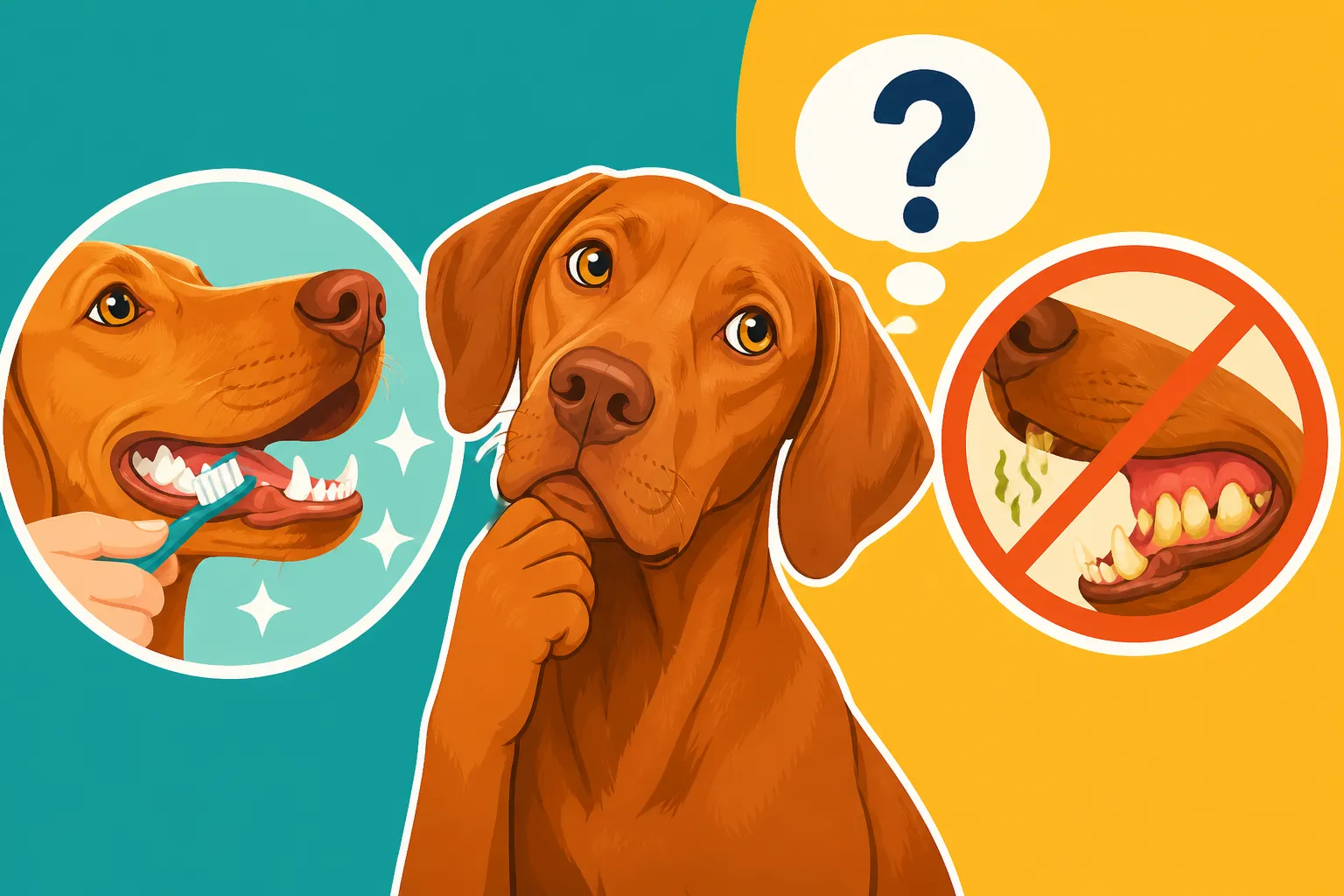
If you ask any veterinary professional about the single most effective way to prevent dental disease at home, they will unequivocally say daily toothbrushing. It's the mechanical action of the brush against the tooth surface that physically removes plaque before it hardens into tartar.
Tools of the Trade: Brushes and Toothpastes
Getting started with brushing your Vizsla's teeth means having the right equipment. You'll need a toothbrush designed for dogs – these often have softer bristles and an angled head to better reach all surfaces of their teeth. Finger brushes are also an option, particularly for getting your Vizsla used to the sensation, but a long-handled brush generally offers a more effective clean. You can find a wide variety of these on platforms like Chewy or Amazon, making it easy to experiment and find what works best for your dog.
Equally important is dog-specific toothpaste. NEVER use human toothpaste for your Vizsla. Human toothpaste contains ingredients like fluoride and xylitol (a common artificial sweetener) that are toxic to dogs if swallowed. Dog toothpastes are formulated to be safe if ingested, often come in appealing flavors like poultry or peanut butter, and contain enzymes that help break down plaque. The flavor can be a great motivator for your Vizsla to accept the brushing process, transforming it into a more pleasant experience for them.
Making it a Positive Experience: Training Tips
Introducing toothbrushing to your Vizsla should be a gradual, positive process, especially if they're not used to having their mouth handled. Start slowly, making it a game rather than a chore. Begin by simply letting your Vizsla lick some dog toothpaste off your finger. Praise them lavishly and offer a treat. Once they associate the toothpaste with something good, move on to touching their gums and teeth with your finger, again followed by praise and a reward.
Next, introduce the toothbrush with a tiny bit of toothpaste. Let them sniff and lick it. Gently lift their lip and touch the bristles to just one or two teeth, focusing on the outside surfaces first (where plaque tends to accumulate most). Keep sessions very short, just 10-20 seconds, and always end on a positive note with praise and a high-value treat. Gradually increase the number of teeth you brush and the duration of the session. The goal is consistency and making it a routine they don't dread. Remember, a The Soft Vizsla That Shuts Down When You Raise Your Voice will respond much better to gentle, positive reinforcement.
Establishing a Routine
Consistency is absolutely key when it comes to toothbrushing. Daily brushing is ideal, as plaque can mineralize into tartar within 24-48 hours. If daily isn't feasible, aiming for at least three times a week is still far better than nothing. Choose a specific time of day – perhaps after their last meal or right before bed – to incorporate brushing into their regular routine. This helps them anticipate it and makes it less of a surprise.
Treat it like any other essential care task, such as their daily walk or feeding. Just as you wouldn't skip feeding your Vizsla, try not to skip their dental care. Over time, your Vizsla will likely become accustomed to the routine, especially if it's always associated with positive outcomes like treats and praise. It might take patience and persistence, but the long-term benefits for their health and your wallet (in terms of fewer professional cleanings) are well worth the effort.
Alternatives and Supplements to Brushing
While brushing is the gold standard, sometimes it’s not always possible, or you might want to supplement your efforts. Fortunately, there are other products and dietary choices that can contribute to better oral health for your Vizsla.
Dental Chews and Treats
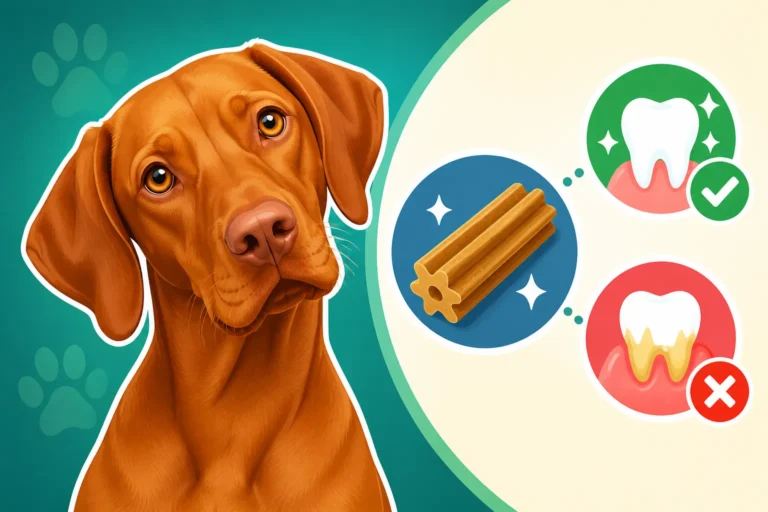
Many companies offer dental chews and treats specifically designed to help reduce plaque and tartar. These products often have unique shapes, textures, and sometimes even enzymes or active ingredients that aid in oral hygiene. The abrasive action of chewing these treats can physically scrape plaque off the tooth surface. Look for products that are approved by the Veterinary Oral Health Council (VOHC), as this certification indicates that the product has been proven to reduce plaque and/or tartar formation by a significant amount.
Brands like Greenies, Dentastix, or various offerings found on Chewy or Amazon can be great options. However, remember that dental chews are supplements to brushing, not replacements. They typically clean only the surfaces they come into contact with, mainly the outer surfaces of the larger teeth, and rarely reach the gum line or inner surfaces effectively. Always supervise your Vizsla when they are enjoying a dental chew to prevent choking or gulping large pieces.
Water Additives and Oral Rinses
Another convenient option for some owners is incorporating dental water additives or oral rinses into their Vizsla's routine. Water additives are typically liquid solutions that you add to your dog's drinking water daily. They contain ingredients that help reduce bacteria in the mouth, freshen breath, and inhibit plaque formation. Oral rinses work similarly but are applied directly to the gums and teeth, often with a swab or spray.
While these products can be helpful in reducing bacteria and improving breath, they are generally less effective than mechanical brushing. They work best as part of a multi-faceted approach to dental care. Think of them as an extra layer of protection, particularly if your Vizsla is resistant to brushing or between brushings. They might not remove existing tartar, but they can help slow down the accumulation of new plaque.
Diet and Dental Health
The food your Vizsla eats can also play a role in their dental health. Some kibbles are specially formulated with a unique texture that helps clean teeth as the dog crunches. These "dental diets" often have larger kibble pieces that don't crumble easily, encouraging the tooth to penetrate the kibble and scrape off plaque. Again, look for VOHC-approved dental diets.
While some advocate for raw or fresh food diets, the scientific evidence directly linking them to superior dental health compared to kibble and other dental care methods is not as robust as for mechanical brushing or VOHC-approved products. The key is that dogs on any diet can develop dental disease if proper oral hygiene is neglected. Even with a high-quality food like those offered by Ollie, regular brushing or other dental interventions are still vital. Whether a Vizsla Needs Its Teeth Brushed isn't just about what they eat; it's about what we do to maintain their oral hygiene.
| Dental Care Method | Primary Benefit | Frequency Recommended | Best Used As | Pros | Cons |
|---|---|---|---|---|---|
| Toothbrushing | Direct plaque removal | Daily | Primary method | Most effective; reaches all surfaces; prevents tartar buildup; helps monitor mouth health | Requires patience and training; time-consuming; can be resisted by some dogs |
| Dental Chews/Treats | Abrasive action, plaque reduction | Daily/Several times a week | Supplement to brushing | Enjoyable for dogs; easy to administer; VOHC-approved options available | Not a replacement for brushing; may not reach all teeth/gum line; potential for choking/gulped pieces |
| Water Additives/Rinses | Reduces bacteria, freshens breath, inhibits plaque | Daily | Supplement to brushing | Easy to administer; convenient; passive care | Less effective than brushing; doesn't remove existing tartar; taste may be disliked by some dogs |
| Dental Diets | Mechanical cleaning through kibble texture | Daily (as main food) | Supplement to brushing/food | Convenient (part of regular feeding); VOHC-approved options available | May not be suitable for all dogs (e.g., specific dietary needs); less effective than brushing |
| Professional Cleaning | Removes existing tartar; addresses sub-gingival disease | As needed (yearly/bi-yearly) | Essential for advanced disease | Thorough cleaning under anesthesia; addresses hidden problems; extractions if needed | Requires anesthesia; more costly; not a replacement for home care |
Professional Dental Cleanings: When Your Vet Steps In
Despite the best home care efforts, most Vizslas will eventually need a professional dental cleaning under anesthesia. Just like humans need regular dental check-ups and cleanings, our dogs benefit immensely from a thorough examination and cleaning by their veterinary team.
When to Consider a Professional Cleaning
The decision of when to get a professional dental cleaning often comes down to your veterinarian's recommendation. During annual wellness exams, your vet will perform an oral examination. They'll look for signs of plaque and tartar buildup, gingivitis, loose teeth, or any other abnormalities. If they notice significant buildup that cannot be removed by home brushing, or if there are signs of more advanced dental disease like periodontitis, they will recommend a professional cleaning.
Factors influencing this recommendation include your Vizsla's age, their overall health, the severity of existing dental disease, and how effective your home care routine has been. Some Vizslas might need their first professional cleaning around age 2-3, while others might go longer if they have excellent home care and genetics on their side. Older Vizslas, especially those with pre-existing health conditions, may require more careful consideration but often benefit greatly from addressing chronic oral pain. What Vizslas Are Most Often Treated For often includes dental issues, highlighting its prevalence.
What Happens During a Dental Procedure
A professional dental cleaning for your Vizsla is a significant medical procedure performed under general anesthesia. This is crucial because it allows the veterinary team to conduct a thorough examination and cleaning without causing your dog stress or pain, and prevents them from moving during critical steps. It also allows for dental X-rays, which are essential for evaluating the health of the teeth below the gum line – where most dental disease occurs and where problems like abscesses or bone loss might be hiding. Whether a Vizsla Tolerates Anesthesia Well is a common concern for owners, and vets take many precautions to ensure safety.
During the procedure, the veterinary team will scale (clean) each tooth, both above and below the gum line, using ultrasonic and hand instruments, similar to what a human dentist uses. They will polish the teeth to smooth the enamel, making it harder for plaque to adhere. Any diseased or fractured teeth identified during the examination or X-rays will be addressed, which might include extractions. Your Vizsla will be closely monitored throughout the anesthesia and recovery period, with IV fluids, pain medication, and warmth provided.
Post-Procedure Care and Maintenance
After a professional dental cleaning, your Vizsla will typically recover quickly, though they might be a bit groggy from anesthesia for the rest of the day. If extractions were performed, they might be sent home with pain medication and possibly antibiotics. Your vet will provide specific instructions for post-op care, which usually includes feeding softer food for a few days and avoiding hard chews while the gums heal.
This is also the ideal time to reinvigorate your home dental care routine. With a clean slate, it's easier to maintain good oral hygiene. Continue (or start!) daily brushing, use VOHC-approved dental chews, and consider water additives to help prevent new plaque and tartar from forming. Think of the professional cleaning as a reset button; your ongoing home care is what maintains that healthy mouth and extends the time until the next professional cleaning is needed. Whether a Vizsla Needs Its Teeth Brushed becomes even more critical after a professional cleaning to preserve the investment in their health.
Long-Term Dental Care for a Lifelong Companion
Committing to your Vizsla's dental health is a commitment to their overall quality of life. It’s not just a one-time fix but an ongoing journey that evolves with your dog’s age and needs.
Creating a Comprehensive Dental Plan
A truly comprehensive dental plan for your Vizsla involves a multi-pronged approach that combines diligent home care with regular veterinary check-ups and professional cleanings as needed. This means daily or near-daily brushing, offering appropriate VOHC-approved dental chews, considering dental diets or water additives, and scheduling annual vet exams where their mouth is thoroughly assessed.
Discussing a long-term dental strategy with your veterinarian is crucial. They can help you tailor a plan that fits your Vizsla's specific needs, risk factors, and your lifestyle. For instance, a Vizsla prone to rapid tartar buildup might need more frequent home care or professional cleanings, while one with a history of fractured teeth might need specific chew toy recommendations. The goal is to be proactive, not reactive, to dental disease.
Monitoring for Changes at Home
As Vizsla owners, you are your dog's first line of defense. Becoming familiar with your Vizsla's normal mouth – what healthy gums look like (pink, not red or swollen), and what their teeth look like when clean – allows you to spot changes early. Make it a habit to routinely lift their lips and peek at their teeth and gums. Look for any redness, swelling, bleeding, unusual lumps, or changes in tooth color.
Pay attention to any shifts in their chewing habits, appetite, or breath. If your Vizsla suddenly avoids their favorite chew toy, seems hesitant to eat hard kibble, or if their breath becomes noticeably worse, these are all signals that something might be amiss. Early detection of dental problems can often mean less invasive and less costly interventions down the line.
The Impact on Lifespan and Quality of Life
The connection between good oral health and overall well-being in dogs is undeniable. By preventing and managing dental disease, you're not just ensuring your Vizsla has fresh breath; you're actively contributing to their longevity and comfort. Dogs free from chronic oral pain and systemic infections tend to be happier, more energetic, and simply enjoy life more. The Twelve to Fourteen Years a Vizsla Lives can be truly golden years if we ensure their health is maintained holistically, and dental health plays a significant role in that.
Imagine an old Vizsla, still eager to play fetch or go for a brisk walk, able to comfortably eat their meals without pain. This is the reality that good dental care helps create. Neglecting their teeth can lead to chronic pain, difficulty eating, and serious health complications that could shorten their vibrant lives. Investing time and effort in their dental care is an investment in many more happy years together.
Disclaimer
This article is for general informational purposes only and does not constitute professional advice. Laws, prices and regulations vary by location and change over time. Consult a qualified professional for guidance on your specific situation.