Whether a Vizsla Hunts in Freezing Weather
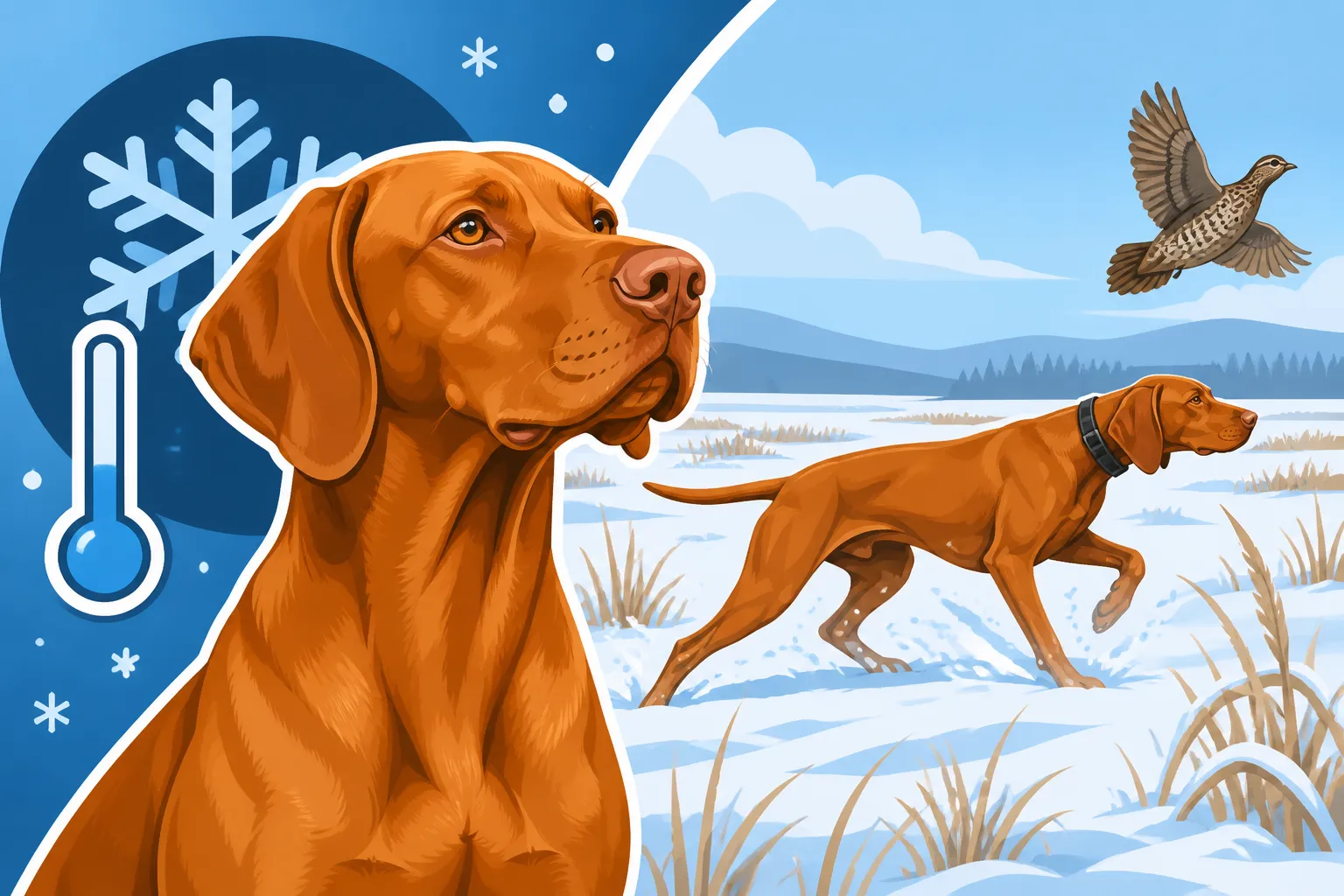
There's a common misconception, especially among those new to the breed, that because Vizslas are hunting dogs, they must be inherently tough and able to withstand anything Mother Nature throws at them. The truth is, facing truly freezing weather with a Vizsla, particularly when hunting, presents unique challenges and risks that every owner needs to understand. This guide will delve deep into why Vizslas are especially vulnerable to the cold, how to recognize when they're struggling, and what practical steps you can take to ensure their safety and well-being if you choose to hunt with them when temperatures plummet.
Understanding the Vizsla's Unique Coat for Cold Weather
The Vizsla is a lean, athletic dog, built for speed and endurance, but its coat is quite different from many other popular hunting breeds. This distinctive coat, while beautiful, is a major factor in their cold tolerance, or lack thereof.
The Vizsla's Single Coat Explained
Unlike breeds such as Labradors or German Shorthaired Pointers, which boast dense double coats designed to repel water and insulate against cold, the Vizsla has a single, short, dense coat. This isn't a minor detail; it's a fundamental difference in their physiology. Their fur lies close to the body, offering minimal loft or air pockets for insulation. Think of it like a thin athletic base layer versus a heavy winter parka. While it allows for excellent thermal regulation in moderate temperatures, helping them avoid overheating during strenuous activity, it offers very little protection when the mercury drops. Their skin is also quite thin, offering less natural cushioning and barrier from environmental elements. The Single Coat a Vizsla Has and Why It Changes Everything explores this in more detail, but suffice it to say, this coat is a major differentiator.
Why the Lack of Undercoat Matters in Winter
An undercoat is a dog's natural defense against extreme temperatures. It's a layer of soft, dense, often woolly fur that traps air close to the body, creating an insulating barrier against both heat and cold. Without this crucial layer, a Vizsla's body heat dissipates much more rapidly, especially when exposed to wind, moisture, or prolonged periods in freezing temperatures. Imagine stepping outside in a t-shirt in sub-zero weather – that's a bit like what a Vizsla experiences without external protection. They simply don't have the biological equipment to stay warm for extended periods in harsh winter conditions. This is why you'll see them shiver even indoors sometimes, a clear indicator that their internal thermostat is struggling to maintain core warmth. Whether a Vizsla Shivers Indoors is a common concern among owners for precisely this reason.
How a Vizsla's Coat Compares to Other Hunting Breeds
When you put a Vizsla next to, say, a Chesapeake Bay Retriever or a German Wirehaired Pointer, the differences are stark. Those breeds were developed with coats perfectly adapted for retrieving in icy water or pushing through thick, frozen cover. Their fur is often coarse, oily, and thick, creating a formidable barrier. The Vizsla, while a phenomenal bird dog, was bred in a climate where extreme cold wasn't the primary concern during hunting season. They are built for speed and agility, allowing them to cover ground quickly, but not for prolonged exposure to frigid, static conditions. This means what might be a chilly but tolerable day for a well-coated retriever could be dangerously cold for a Vizsla, requiring a completely different approach to winter hunting and care.
Recognizing the Signs of Cold Stress in Your Vizsla
Because Vizslas are such tough, driven dogs, they often try to push through discomfort. It's up to us, their owners, to be vigilant and recognize the subtle signs that they're struggling with the cold before it becomes a serious health issue.
Shivering and Other Early Warning Signals
The most obvious sign of cold stress is shivering. While a little shivering might be normal after a brief cold exposure, persistent or intense shivering, especially if it's accompanied by other symptoms, is a red flag. Look for a hunched posture, tail tucked low, or an unwillingness to move. Their ears, paws, and tail might feel noticeably colder than the rest of their body to the touch. Another subtle sign can be a change in their hunting behavior – they might be less enthusiastic, seem distracted, or start to hunt closer to you, rather than ranging out as they normally would. They might lift their paws more frequently or try to burrow into tall grass or brush. These are all indicators that their body is working harder than it should to maintain warmth, and they are telling you, in their own way, that they are too cold.
The Dangers of Hypothermia for a Vizsla
Hypothermia is a serious medical emergency where a dog's body loses heat faster than it can produce it, leading to a dangerously low core body temperature. For a Vizsla, given their minimal natural insulation, this can happen surprisingly quickly in freezing conditions, especially if they get wet. Symptoms progress from mild shivering and lethargy to more severe signs like muscle stiffness, stumbling, shallow breathing, dilated pupils, and eventually, loss of consciousness. If not addressed promptly, severe hypothermia can lead to organ damage, cardiac arrest, and death. It's not something to take lightly. Understanding Whether a Vizsla Gets Hypothermia is critical, because once a Vizsla starts down this path, recovery can be difficult and requires immediate veterinary attention.
Assessing Your Vizsla's Tolerance Levels
Every Vizsla is an individual, and their cold tolerance can vary slightly. Factors like age, overall health, body fat percentage, and even recent activity levels can play a role. A young, fit, well-fed Vizsla might handle short bursts of cold better than an older dog, or one with an underlying health condition. Pay attention to how your Vizsla reacts. Do they get excited and ignore the cold, or do they visibly balk at going out? Are they accustomed to wearing a coat, or is it a new sensation? It's essential to establish a baseline for your dog and err on the side of caution. Don't assume that because your buddy's Labrador can romp for hours in the snow, your Vizsla can too. Observe, listen to your dog, and adjust your plans accordingly. The Age a Vizsla Counts as Senior also factors into their cold tolerance, as older dogs tend to feel the cold more acutely.
Essential Gear and Preparation for Cold Weather Hunts
Hunting in freezing weather with a Vizsla isn't about simply toughing it out. It requires thoughtful preparation and the right equipment to keep your dog safe and comfortable.
Insulating Coats and Vests for Vizslas
A good dog coat or vest is absolutely non-negotiable for a Vizsla hunting in cold weather. This isn't just about comfort; it's about survival. You need something that provides substantial insulation, covers a good portion of their torso, and is durable enough for field use. Look for materials that are waterproof or water-resistant on the exterior and well-insulated on the interior, such as fleece or synthetic fill. Many reputable brands offer performance dog apparel. You can find excellent options on platforms like Chewy or Amazon. Remember to measure your Vizsla accurately to ensure a snug but not restrictive fit. A loose coat can get snagged or rub, while one that's too tight will impede movement. Whether a Vizsla Needs a Winter Jacket is a resounding yes when the temperatures drop.
Consider the type of activity: a lightweight fleece vest might be enough for a brisk walk, but for serious hunting in truly freezing temperatures, a heavier, more protective coat is vital. Some coats even incorporate blaze orange for visibility, which is a bonus for safety in the field.
Protecting Paws from Ice, Snow, and Salt
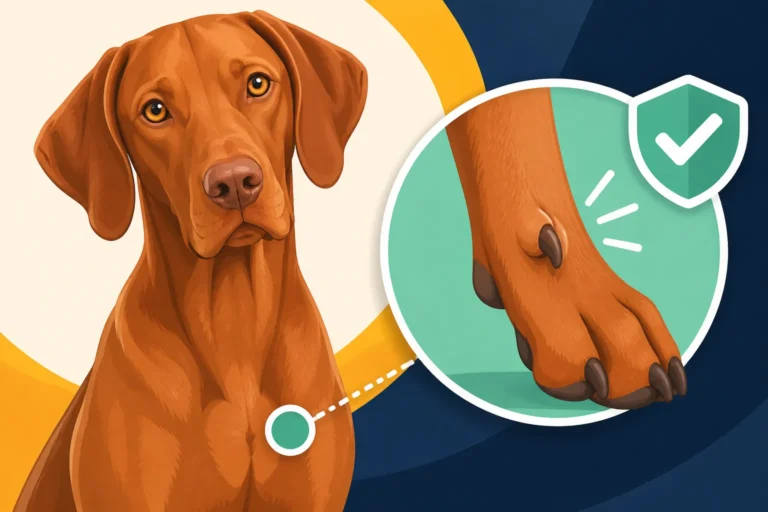
A Vizsla's paw pads are tough, but they're not invincible. Ice, snow, and frozen ground can cause cracks, abrasions, and frostbite. Furthermore, de-icing salts and chemicals used on roads and trails can be extremely irritating and even toxic if ingested. This is where good quality dog boots come in. It can take some time to get your Vizsla accustomed to wearing them, so start training in advance of hunting season. Look for boots with durable soles, good traction, and a secure fastening system. Brands available on Chewy or Amazon often carry various styles.
Beyond boots, consider paw waxes or balms. These create a protective barrier that helps moisturize pads and shield them from harsh elements. While not a substitute for boots in extreme conditions, they can be a good addition, especially for shorter outings or less severe cold. Always check your Vizsla's paws thoroughly after any cold-weather excursion for cuts, cracks, or signs of irritation. Whether a Vizsla Needs Boots in Winter isn't just a comfort question, it's a health one.
Nutritional Adjustments for Winter Work
A working Vizsla burns a tremendous amount of calories, even in moderate weather. When the body is also fighting to stay warm in freezing temperatures, that caloric demand skyrockets. If your Vizsla is actively hunting in the cold, their food intake will need to increase significantly. Don't rely on the "recommended feeding guidelines" on the bag; those are typically for average, moderately active dogs. You need to provide a high-quality, calorie-dense food.
Many performance dog foods are formulated with higher fat and protein content to meet these increased energy needs. Look for brands that specialize in working dog nutrition. Consider discussing specific dietary needs with your veterinarian. Companies like Ollie, known for fresh, human-grade ingredients, could also offer a denser, more palatable option to ensure your Vizsla gets enough fuel without having to eat an impossible volume of kibble. How Much a Working Vizsla Eats is far more than a pet Vizsla, and that difference is magnified in winter. Regularly assess your Vizsla's body condition – you should still be able to feel their ribs easily, but they shouldn't look gaunt. If they're losing weight, increase their food. Keeping Weight On a Working Vizsla is crucial for maintaining their energy levels and body warmth.
Best Practices for Hunting Your Vizsla in Freezing Conditions
Even with the best gear and nutrition, hunting in freezing weather requires a mindful approach to protect your Vizsla. It's about being strategic and prioritizing their well-being above all else.
Limiting Exposure and Taking Frequent Breaks
You cannot treat a cold-weather hunt with a Vizsla like a sunny autumn day. Shorter sessions are key. Instead of one long hunt, consider breaking it into multiple, shorter outings with warm-up periods in between. If your Vizsla is working hard, they might not show signs of cold stress immediately, but prolonged exposure can be cumulative. Build in regular breaks where you can get them into a warm vehicle, offer a warm drink (like a little chicken broth), and check their paws and body. This allows their core temperature to rebound and prevents heat loss from becoming critical.
Monitor the weather constantly. Wind chill can make an already cold day dangerously colder. If conditions worsen unexpectedly, cut the hunt short. No bird is worth risking your dog's health. You'll likely also find your own tolerance for the cold will be a limiting factor, so it’s a good excuse for both of you to warm up.
Avoiding Water Work in Frigid Temperatures
This is perhaps the most critical rule for Vizslas in freezing weather: avoid water work entirely. A Vizsla's single coat offers virtually no protection once it gets wet. The combination of cold water and freezing air temperatures will strip their body heat at an alarming rate, making hypothermia almost inevitable. While some Vizslas are enthusiastic water retrievers, their physical build makes them utterly unsuitable for retrieving from icy ponds or rivers. Even wading through shallow, cold water can be risky.
If you are hunting in an area with water features, keep your Vizsla on a lead or under very close control to prevent them from entering. It might go against their instinct, but it's your responsibility to keep them safe. Even if a Vizsla Whether a Vizsla Handles Cold Water often, that ability is vastly reduced when the air temperature is also freezing.
Post-Hunt Care and Warm-Up Routines
The care doesn't stop when the hunt ends. After a cold-weather hunt, your Vizsla needs a thorough warm-up routine. As soon as you finish, towel them off thoroughly, paying special attention to their belly, chest, and between their toes. Get them into a warm car or dog box (ideally heated for true freezing conditions) as quickly as possible. Having a dry, warm coat to put on them immediately after drying is a great idea.
Once home, let them rest in a warm, draft-free area. Offer them fresh, non-cold water, and perhaps a small, easily digestible meal to help replenish their energy stores. A soft, warm bed – maybe even a heated one – will be greatly appreciated. Check their paws again for any signs of cracking or injury. Checking a Vizsla Over After a Hunt should become second nature. This dedicated post-hunt care helps prevent the lingering effects of cold exposure and allows their body to recover properly.
Debunking Myths About Vizslas and Cold Tolerance
There are a lot of old wives' tales and misconceptions about dogs and cold weather, and it's important to separate fact from fiction, especially with a breed as sensitive as the Vizsla.
The Myth of "Toughening Up" a Vizsla
Some believe that by exposing a dog to cold, you can "toughen them up" or increase their cold tolerance. This is a dangerous myth, especially for a Vizsla. While dogs can acclimate to some degree of temperature fluctuation, they cannot grow an undercoat or fundamentally change their physiology. Forcing a Vizsla to endure freezing temperatures without adequate protection doesn't make them tougher; it risks their health, causes unnecessary discomfort, and can lead to serious conditions like hypothermia or frostbite. Their natural drive to please and hunt might make them push past their limits, but that doesn't mean they aren't suffering. Responsible ownership means protecting them from conditions they aren't equipped to handle, not testing their limits.
Genetic Predispositions and Individual Differences
Vizslas, like all breeds, have genetic predispositions that influence their physical characteristics, including coat type. Their short, single coat is a breed standard, not something that can be altered through training or exposure. While there might be minor individual differences in how one Vizsla handles cold compared to another – perhaps one has slightly thicker fur or a higher fat percentage – these differences are marginal in the face of truly freezing weather. Whether Hungarian Vizsla Lines Are Healthier is a common question, but coat type and cold tolerance are consistent across the breed, regardless of lineage.
It's important to remember that a Vizsla's exceptional drive to hunt can sometimes override their natural instinct for self-preservation. They're often so focused on the task at hand that they'll ignore discomfort until it becomes extreme. This means you have to be their advocate and make the call to stop when conditions are unsafe.
Balancing Instinct with Safety
Vizslas are born to hunt. It's deeply ingrained in their DNA, and watching them work is a thing of beauty. As owners, we want to provide them with opportunities to fulfill that instinct. However, there's a crucial balance between allowing them to express their natural abilities and ensuring their safety. Hunting in freezing weather pushes a Vizsla beyond their natural comfort zone and often into a realm of genuine risk.
It's perfectly acceptable, and often advisable, to choose not to hunt your Vizsla in truly extreme cold. There are plenty of other ways to exercise and mentally stimulate them when conditions are harsh, such as indoor training, puzzle toys, or even just long, brisk walks in a proper coat on less frigid days. Whether a Vizsla Hunts Late Season Birds becomes a question of judgment and careful planning, not just capability. Prioritizing your Vizsla's health and longevity over an extra day in the field is a sign of a truly dedicated owner.
Here's a comparison of how Vizslas stack up against some other popular hunting breeds in terms of cold tolerance:
| Breed | Coat Type | Undercoat Present? | Cold Tolerance (Hunting) | Key Considerations for Freezing Weather Hunting |
|---|---|---|---|---|
| Vizsla | Short, single | No | Low | Requires protective outerwear; avoid water work; shorter sessions; susceptible to hypothermia. |
| Labrador Retriever | Short, dense | Yes | High | Generally robust; still benefits from vests in extreme cold/water; prone to joint issues with prolonged cold. |
| German Shorthaired Pointer | Short, dense | Yes | Moderate to High | Good all-around; may need vests in sustained freezing conditions, especially if wet. |
| Chesapeake Bay Retriever | Short, thick, oily | Yes | Very High | Bred for icy water; extremely cold-hardy; still needs monitoring for extreme exposure. |
| German Wirehaired Pointer | Wiry, dense | Yes | High | Excellent protection from brush and cold; benefits from vests in very extreme conditions. |
| English Setter | Long, silky | Yes | Moderate | Hair can collect ice/snow; needs thorough drying; protective vests help. |
| Pointer | Short, fine | No (minimal) | Low to Moderate | Similar to Vizsla but often a bit denser; still needs significant protection in freezing temps. |
This article is for general informational purposes only and does not constitute professional advice. Laws, prices and regulations vary by location and change over time. Consult a qualified professional for guidance on your specific situation.