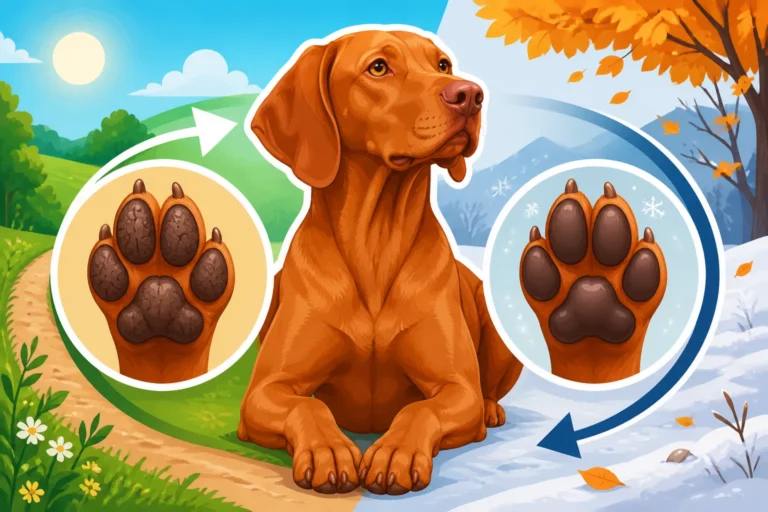
Whether a Vizsla Needs a Groomer at All
It’s a common misconception that short-haired dogs don’t really need much in the way of grooming. After all, they don't have those luxurious, flowing locks that mat and tangle, right? While it's true a Vizsla won't require hours on a grooming table like a Poodle or an Afghan Hound, dismissing their grooming needs entirely is a disservice to their health and comfort. Their unique single coat and sensitive skin actually demand a thoughtful, regular grooming routine, and sometimes, a professional touch is exactly what they need. This guide will delve into the specifics of caring for your Vizsla's coat and skin, helping you understand when your own hands are enough and when it’s time to call in the experts.
Understanding the Vizsla's Unique Coat
The Vizsla's coat is one of its most defining characteristics, beyond just its stunning golden-rust color. It's a marvel of efficiency, built for purpose in the field. But this streamlined design also means it comes with its own set of care requirements that are quite different from many other breeds.
The Single, Sleek Layer
Unlike many popular breeds such as Labradors or Golden Retrievers, Vizslas possess a single, short, and dense coat. They don't have a thick, insulating undercoat, which is a key factor in why they feel the cold so much more than their double-coated cousins. This absence of an undercoat means their grooming needs are less about de-shedding massive amounts of fluff and more about maintaining the health and integrity of that sleek, protective outer layer.
Their coat is often described as "silky" or "velvety" to the touch, and it lies flat against their body. This texture is incredibly practical for a hunting dog, allowing water to bead off and minimizing the collection of burrs, stickers, and debris from thick cover. It's truly a low-maintenance design in terms of not getting tangled, but it's not no-maintenance. The individual hairs are fine, and while they don't create big tumbleweeds of fur, they shed consistently throughout the year, embedding themselves into fabric with an almost magnetic quality. Understanding The Single Coat a Vizsla Has and Why It Changes Everything is crucial for any owner.
Minimal Shedding, Maximum Comfort
When people hear "short hair," they often assume "no shedding." Oh, if only that were true! While a Vizsla doesn't "blow coat" in dramatic seasonal dumps like a husky or a retriever, they do shed year-round. It's a continuous, low-level process where individual hairs are constantly being replaced. You might not see huge clumps of fur, but you'll certainly find fine, needle-like hairs on your furniture, clothes, and floors. This isn't a sign of a problem; it's just how their coat works.
Regular at-home grooming, particularly brushing, becomes essential not just for keeping your home tidier but also for your Vizsla's comfort. By regularly removing loose and dead hairs, you help keep their skin healthy and prevent irritation that can arise from clogged pores or trapped debris. It also helps to distribute natural skin oils, which contribute to that lovely sheen and act as a natural conditioner for their coat. Neglecting this can lead to a dull coat and potentially exacerbate any underlying skin sensitivities.
Essential At-Home Grooming for a Vizsla
For most Vizslas, the majority of their grooming needs can, and should, be handled right at home by you, their devoted owner. This isn't just about cleanliness; it's a fantastic bonding opportunity and a regular health check-up rolled into one.
Brushing: More Than Just Removing Hair
Brushing your Vizsla isn't just about pulling out loose hair; it's a vital part of their overall skin and coat health, and frankly, a lovely ritual you can share. Because their coat is short and doesn't tangle, you won't need an arsenal of brushes. A good quality rubber curry brush or a grooming mitt is usually all you'll need. These tools are designed to gently massage the skin, stimulating blood flow and distributing those natural oils that give their coat its characteristic healthy glow.
Aim for a quick brush down a few times a week, or even daily if you have a dog that particularly enjoys it. This simple act does wonders: it helps remove any dead skin cells, loose hairs, and dirt they might have collected during their adventures. More importantly, it allows you to get your hands all over your dog, feeling for any unusual lumps, bumps, hot spots, or injuries that might be hidden under their sleek coat. For an active breed like the Vizsla, who often tears through dense cover, this regular inspection can catch minor issues before they become bigger problems. If you're wondering How Often a Vizsla Needs Brushing, a few times a week is a great baseline.
Bathing: Keeping That Signature Scent Clean
One of the delightful traits many Vizsla owners brag about is that their dogs typically don't have that strong "doggy smell" that some breeds are known for. This is largely due to their single, close-lying coat and efficient skin. Why a Vizsla Has No Doggy Smell is often attributed to this coat type and their good natural oils. Because of this, Vizslas don't usually need frequent bathing. Over-bathing can actually strip their skin of essential oils, leading to dryness, itchiness, and irritation, which is the last thing you want for a breed already prone to sensitive skin.
Most Vizslas will do well with a bath every month or two, or whenever they get particularly dirty after a roll in something questionable. When you do bathe them, it’s crucial to use a gentle, dog-specific shampoo. Human shampoos are too harsh and can disrupt their skin’s pH balance. Look for hypoallergenic formulas or those designed for sensitive skin. You can find excellent options on Chewy or Amazon, often with descriptions highlighting their suitability for sensitive breeds. After shampooing, rinse thoroughly – any shampoo residue left behind can also cause irritation. Finally, towel-dry vigorously, and if it's chilly, ensure they are completely dry before heading out, as their lack of an undercoat makes them quite susceptible to cold.
Nail Care: An Often Overlooked Necessity
For a breed as athletic and constantly on the move as the Vizsla, proper nail care is paramount for their comfort and long-term joint health. Long nails aren't just unsightly; they can be genuinely painful. When a dog's nails grow too long, they push up into the nail bed, putting pressure on the toe joints. Over time, this can lead to splayed toes, uncomfortable walking, and even impact their gait, potentially contributing to joint issues further up the leg.
The frequency of nail trims depends on your Vizsla's activity level and the surfaces they regularly walk on. Dogs that run frequently on hard surfaces like pavement might wear their nails down naturally to some extent, but most will still need regular trims. Aim to trim their nails every 2-4 weeks. You can use traditional clippers or a dremel-style grinder, whichever you and your dog are more comfortable with. Introduce nail care early and make it a positive experience with lots of treats and praise. If you're unsure how to start or struggle with the process, your vet or a professional groomer can always offer guidance or perform the trims for you. Remember, keeping their nails short is a simple way to contribute significantly to their comfort and mobility throughout their lives. You can find more detail on How Often a Vizsla's Nails Need Cutting in another one of our posts.
Beyond the Basics: Specific Vizsla Care Needs
While brushing and bathing form the foundation, a Vizsla's active lifestyle and breed-specific sensitivities mean there are other crucial areas of at-home care that require your attention.
Ear Cleaning: Preventing Infections, Especially After Water Work
Vizslas typically have long, floppy ears that, while endearing, can also create a warm, moist environment ripe for bacterial or yeast infections. Their love for water—be it a pond, a lake, or even a muddy puddle—only compounds this risk. When water gets trapped in the ear canal, it provides the perfect breeding ground for these opportunistic pathogens.
It’s a good practice to check your Vizsla's ears weekly. Look for any redness, swelling, unusual discharge, or a foul odor. A little bit of brownish wax is normal, but excessive buildup, especially if it's dark and crumbly, warrants attention. After any swimming session or bath, make sure to gently dry the outer ear flap and as much of the ear canal as you can reach with a soft cloth or cotton ball. For cleaning, use a veterinarian-approved ear cleaner. Apply it as directed, massage the base of the ear, and then let your Vizsla shake their head to dislodge debris before wiping out the excess with a cotton ball. Never use cotton swabs inside the ear canal, as you could push debris deeper or damage delicate structures. Consistent ear care, particularly after water exposure, is key to preventing uncomfortable and costly infections, as detailed in Keeping a Vizsla's Ears Clear After Water Work. You can find gentle ear cleaning solutions readily available on Chewy.
Dental Health: More Than Just Fresh Breath
Just like humans, dogs need good dental hygiene to prevent plaque and tartar buildup, which can lead to gum disease, tooth decay, and even systemic health issues. While a Vizsla might not be known for specific dental problems more than other breeds, neglecting their oral health can have serious consequences. Bad breath is often the first sign of trouble, but it can quickly progress to painful infections and tooth loss.
The gold standard for canine dental care at home is daily brushing with dog-specific toothpaste and a soft-bristled toothbrush. Start young and make it a positive experience. If daily brushing isn't feasible, aim for several times a week. Beyond brushing, there are other aids that can help, such as dental chews, water additives, and specialized dental diets. While these are beneficial, they are generally not a complete substitute for brushing or professional cleanings. Regular veterinary check-ups should include an assessment of your Vizsla's teeth and gums, and your vet may recommend professional dental cleanings under anesthesia when necessary to remove stubborn tartar and address any issues below the gum line. More information on this topic can be found in our article, Whether a Vizsla Needs Its Teeth Brushed.
Skin Checks: A Crucial Part of Overall Health
The Vizsla's "thin skin," as it's often called, is both a blessing and a curse. It contributes to their sleek appearance and efficient thermoregulation but also makes them more susceptible to scrapes, cuts, and irritation, especially if they're actively working in the field. This sensitivity means that regular, thorough skin checks are not just an aesthetic chore but a critical health practice.
Every time you brush your Vizsla, or even just during a snuggle session, take the opportunity to run your hands over every inch of their body. Pay close attention to areas prone to friction or exposure, like their chest, belly, flanks, and legs. Feel for any new lumps, bumps, scabs, rashes, or areas of tenderness. Look for insect bites, ticks (especially after outdoor excursions), and any signs of dryness or flakiness. Their skin is prone to issues like allergies or conditions such as What Sebaceous Adenitis Does to a Vizsla, so early detection is key.
If your Vizsla is a working dog, Checking a Vizsla Over After a Hunt is non-negotiable. Inspect their paw pads for cuts, thorns, or grass seeds. Examine their armpits and groin for irritation. Their relatively fine, short hair offers less protection than a dense, harsh coat, making them more vulnerable to minor injuries from briars and rough cover. Keeping a small first-aid kit handy, which you can easily stock from Amazon, with antiseptic wipes and bandages for minor scrapes, is a smart move for any Vizsla owner. Early intervention for skin issues can prevent them from escalating into more serious infections or chronic problems, making Managing a Vizsla's Skin for Life a continuous effort.
When a Professional Groomer Becomes a Valuable Ally
While most Vizslas can thrive with a solid at-home grooming routine, there are definitely times when bringing in a professional groomer isn't just a luxury, but a genuine benefit or even a necessity. Don't feel guilty about it; sometimes, the pros have tools and expertise that make a world of difference.
Specialized Services for Skin and Coat Issues
Sometimes, a simple bath at home just won't cut it. If your Vizsla is battling a persistent skin condition, such as chronic allergies, a fungal infection, or something more complex like Sebaceous Adenitis, a professional groomer can be an invaluable part of their care team. They often have access to specialized medicated shampoos, conditioners, and therapeutic treatments that you might not be able to apply effectively at home. These might include specific deshedding treatments that, even for short-coated dogs, can help manage excessive year-round shedding by loosening and removing dead hair more efficiently than your typical rubber brush.
A groomer can also perform professional conditioning treatments that deeply moisturize the skin and coat, which is particularly helpful for dry, flaky skin. They have specialized equipment, like bathing tubs with adjustable heights and high-velocity dryers, which can make the process less stressful for your dog and more thorough. If your vet has prescribed a specific shampoo or routine, a professional groomer can often administer it consistently and correctly, ensuring your Vizsla gets the full benefit. For severe conditions, a groomer might even partner with your veterinarian, who could recommend specific products or protocols, many of which can be found through online retailers like Chewy or Amazon with your vet's guidance. Whether a Vizsla Needs Medicated Baths for Life is a question many owners face, and a groomer can assist with this long-term care.
Overcoming Grooming Challenges at Home
Let's be honest, not every dog is a saint on the grooming table, and not every owner is a wizard with nail clippers. If you find yourself in a wrestling match every time you try to trim nails, or if your Vizsla becomes an anxious mess during baths, a professional groomer can be a godsend. They are skilled in handling dogs of all temperaments, using calming techniques and often having a neutral, professional demeanor that dogs respond to differently than they do to their owners.
For example, if nail trims are a constant battle, a groomer has specialized tools, experience with quick identification, and often a more efficient, less stressful approach. Similarly, if your Vizsla is deeply afraid of the bath, a groomer can often work wonders with positive reinforcement and a calm environment. Some groomers even offer "sedation-free" dental cleaning services (though these are not a substitute for a veterinary dental cleaning that addresses below the gum line issues) that can help maintain oral hygiene between professional veterinary visits, especially for dogs who are simply too wiggly for at-home brushing.
The Convenience Factor and Expertise
In our busy lives, finding the time for thorough at-home grooming can be a challenge. A professional groomer offers convenience, allowing you to outsource these tasks and reclaim some precious time. Beyond convenience, they bring a level of expertise and a fresh pair of eyes that can be incredibly valuable. Groomers are trained to spot subtle changes in skin, coat, and overall physical condition that an owner might miss, simply because they see so many different dogs and know what to look for.
They might notice a new lump, an ear infection just starting, or early signs of skin irritation that could indicate an allergy or other health issue. This early detection can be crucial for your Vizsla's health, prompting you to visit the vet sooner rather than later. Furthermore, they have professional-grade equipment, like powerful dryers that get short coats completely dry without chilling your dog, and sturdy grooming tables that make the process safer and more comfortable for both the dog and the groomer. It’s not just about getting clean; it's about benefiting from specialized skills and equipment.
What to Look for in a Vizsla-Friendly Groomer
Choosing the right groomer for your Vizsla isn't just about finding someone who wields a brush; it's about finding a professional who understands the unique needs and temperament of this sensitive, active breed. A good match can make all the difference in your dog's grooming experience and overall well-being.
Experience with Short-Coated, Active Breeds
When interviewing potential groomers, don't hesitate to ask about their experience with short-coated breeds, specifically sporting dogs or even Vizslas themselves. A groomer who primarily works with fluffy Poodles or dense-coated Retrievers might not fully grasp the nuances of a Vizsla's delicate skin and sparse, single coat. You want someone who understands that a Vizsla's skin is prone to irritation and that aggressive brushing or harsh shampoos can do more harm than good.
They should also be familiar with the common areas where active dogs might pick up scrapes, thorns, or ticks, ensuring a thorough check during their session. A groomer who knows the breed will also understand their energetic nature and sensitivity. They'll appreciate that a Vizsla isn't meant for hours of intricate styling but benefits most from efficient, gentle care that respects their natural coat.
A Calm, Positive Environment
Vizslas are renowned for their sensitive nature. They are often described as "soft" dogs who can become easily stressed or shut down if subjected to harsh handling, loud noises, or an overly chaotic environment. This means that a calm, positive, and patient approach is absolutely essential when it comes to grooming them. Ask to tour the grooming facility if possible. Is it clean? Does it seem overly noisy or stressful? Observe how the groomers interact with other dogs.
A good groomer for a Vizsla will prioritize creating a stress-free experience, using gentle handling techniques, positive reinforcement (treats and praise!), and taking breaks if the dog seems overwhelmed. They should not use excessive force or fear-based methods. If a groomer understands the Vizsla's temperament, they'll know that building trust is key, and a bad experience can make future grooming sessions incredibly difficult. Look for signs of genuine affection and patience from the staff.
Communication and Customization
The best groomers are excellent communicators. Before your first appointment, they should take the time to discuss your Vizsla's specific needs, any known skin sensitivities or allergies, and your preferences. Do you have a special medicated shampoo prescribed by your vet? Do you want them to pay extra attention to drying their ears after a bath because they're prone to infections? A good groomer will listen carefully and be willing to customize their services to suit your dog, rather than just offering a one-size-fits-all package.
They should also be able to clearly explain what they will be doing, what products they will use, and what you can expect afterward. After the grooming session, they should provide feedback – perhaps they noticed a new lump you should have checked by a vet, or they found some redness in an ear. This open line of communication is vital for ensuring your Vizsla receives the best possible care and for building a trusting relationship between you, your dog, and the grooming professional.
Here's a quick comparison to help you weigh your options:
| Feature/Task | At-Home Grooming | Professional Grooming |
|---|---|---|
| Brushing | Easy, regular bonding, daily inspection possible | Thorough removal of dead hair, less frequent |
| Bathing | Controlled environment, familiar products | Specialized shampoos, high-velocity dryers, less mess at home |
| Nail Trims | Can be stressful for dog/owner, risk of cutting quick | Expert handling, proper tools, precise cuts |
| Ear Cleaning | Regular checks, preventive care | Deep cleaning, identification of subtle issues |
| Dental Care | Daily brushing (ideal), supplemental chews | Scaling (non-anesthetic if offered), professional cleaning (vet) |
| Skin/Injury Checks | Daily touch, familiar with dog's body | Fresh eyes, trained to spot issues, access to full body |
| Equipment | Basic brushes, clippers, towels | Professional tubs, dryers, specialized tools |
| Cost | Low (product purchase) | Varies by service and frequency |
| Convenience | On your schedule, no travel | Saves time, skilled labor |
| Behavioral Support | Builds comfort, gentle introduction to grooming | Expertise with anxious dogs, positive reinforcement |
Ultimately, whether your Vizsla needs a groomer isn't a simple yes or no. For many, consistent at-home care is perfectly adequate. However, a professional groomer can be an invaluable partner for specific needs, challenging tasks, or simply for the peace of mind that comes from expert care. It’s about understanding your Vizsla, assessing your own comfort and skill level, and making choices that best support their health and happiness.
Disclaimer
This article is for general informational purposes only and does not constitute professional advice. Laws, prices and regulations vary by location and change over time. Consult a qualified professional for guidance on your specific situation.