How Often a Vizsla Should Be Bathed
One of the trickiest parts of owning a Vizsla is figuring out their unique grooming needs. You might be wondering how often you really need to give your energetic, mud-loving companion a full bath without causing skin issues. This guide will walk you through understanding your Vizsla's distinctive coat, the factors that influence bathing frequency, and best practices to keep their skin and coat healthy and gleaming.
Understanding the Vizsla's Unique Coat
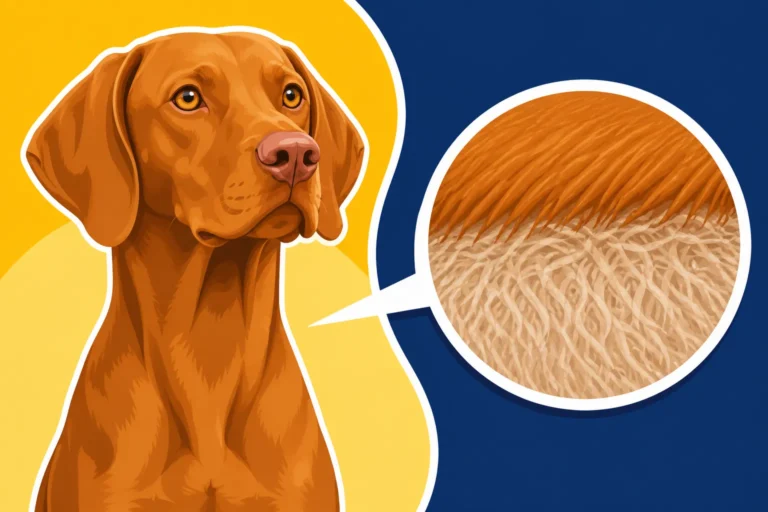
Vizslas are truly one-of-a-kind, and a big part of that distinction comes from their coat. It's not just that glorious golden-rust color, but the texture and structure of their hair that sets them apart. Many new Vizsla owners, or those accustomed to double-coated breeds, are often surprised by just how different their grooming needs are. Forget what you think you know about "dog hair" for a moment, because a Vizsla's coat plays by its own rules.
The Single Layer Advantage and Disadvantage
Unlike many other breeds, especially those built for cold weather like German Shepherds or Huskies, Vizslas have what we call a single coat. This means they lack the thick, insulating undercoat that provides warmth and often traps a lot of dirt and loose hair. On one hand, this is fantastic news for shedding—your Vizsla isn't going to "blow coat" in massive clumps twice a year like some breeds. You can read more about this in The Single Coat a Vizsla Has and Why It Changes Everything. Their shedding is generally light and consistent, rather than seasonal and extreme.
However, this single layer also comes with its own set of challenges. Without that dense undercoat, their skin is more exposed to the elements. While they dry incredibly quickly after a swim or a rainy romp, which is a huge convenience, their fine, short hair is also less effective at repelling mud, burrs, and general grime. You’ll notice that dirt doesn’t just sit on top; it often works its way right down to the skin, necessitating more thorough cleaning than a quick shake might accomplish. This means while you might not be de-shedding daily, you might be wiping down a dirty dog more often.
Why They Don't Have the "Doggy Smell"
One of the most celebrated traits of a Vizsla, aside from their stunning looks and boundless energy, is their remarkably low "doggy smell." Owners often boast that their Vizsla simply doesn't stink like other dogs, and it's largely true! This isn't magic; it's due to their genetics, specifically their skin's natural oil production. Vizslas tend to produce fewer natural oils than many other breeds. This is fantastic because it means they don't develop that heavy, sometimes pungent, oily odor that can accumulate on dogs with more sebaceous glands. You can dive deeper into this topic in Why a Vizsla Has No Doggy Smell.
But here's the crucial flip side to this benefit: while low oil production keeps them smelling fresh, it also means their skin can be more prone to dryness. These natural oils are vital for maintaining a healthy skin barrier, keeping the coat supple, and protecting against environmental irritants. If you over-bathe a Vizsla, especially with harsh shampoos, you risk stripping away the minimal protective oils they do produce. This can quickly lead to dry, flaky, itchy skin, turning a blessing into a curse. It's a delicate balance, and understanding this inherent trait is key to crafting a proper bathing routine that supports, rather than compromises, their skin health.
Factors Influencing Bathing Frequency
Deciding how often to bathe your Vizsla isn't a one-size-fits-all answer. There are so many variables that come into play, from their daily adventures to their individual skin sensitivities. Ignoring these factors can lead to either a constantly grubby dog or, worse, a pup with irritated, unhealthy skin. It's about tuning into your specific Vizsla's life and unique needs, rather than just sticking to an arbitrary schedule you might have heard from another breed owner.
The Active Lifestyle of a Vizsla
Let's be real: a Vizsla isn't content to be a couch potato. They are born athletes, bred to run, hunt, and explore, and that means they get dirty. If your Vizsla is living up to their potential, whether that's tearing through fields on a bird hunt, splashing through a muddy creek on a hike, or digging for imaginary varmints in the backyard, they're going to accumulate some serious grime. Mud, burrs, sticky seeds, pollen, dust, and whatever else nature throws at them will find a way onto their sleek, short coat and into their sensitive skin.
Consider a typical weekend: a full day of hunting through brush and wet marshland. Your Vizsla comes home caked in mud, smelling faintly of pond water, and probably sporting a few burrs that have somehow woven themselves into their short hair. A simple brush-off won't cut it. Or maybe they love to swim in the local lake, picking up that distinct "lake smell" and whatever microscopic flora and fauna reside there. Even a vigorous run at the dog park can leave them coated in dust and other dogs' dander. This active lifestyle is perhaps the biggest driver of bathing frequency for most Vizsla owners, and it’s a perfectly valid reason to increase baths, provided you use the right approach.
Skin Sensitivities and Allergies
While Vizslas are generally robust, they can be prone to certain skin sensitivities and allergies, which drastically impact how often you should bathe them and with what products. Some Vizslas develop environmental allergies, reacting to pollens, dust mites, or even certain grasses, which can manifest as itchy, red, or flaky skin. Others might experience food sensitivities that show up as skin problems. Then there are breed-specific conditions like sebaceous adenitis, which affects the oil glands in the skin. You can learn more about this in What Sebaceous Adenitis Does to a Vizsla or get broader advice in Managing a Vizsla's Skin for Life.
If your Vizsla is prone to these issues, bathing becomes a therapeutic tool rather than just a cosmetic one. For instance, a dog with environmental allergies might benefit from more frequent baths to wash away allergens clinging to their coat, offering significant relief from itching. However, this also means you need to be extremely careful with the type of shampoo you use, opting for gentle, medicated, or hypoallergenic formulas specifically designed not to strip their skin further. Over-bathing with the wrong products can exacerbate existing conditions, leading to a vicious cycle of irritation. It's crucial to work with your veterinarian if you suspect allergies or skin conditions, as they can recommend specific bathing protocols and products.
Environmental Exposure
Where your Vizsla lives and spends most of its time significantly dictates how often they'll need a bath. Think about the stark difference between a city dog and a country dog. A Vizsla living in an urban apartment, primarily walked on sidewalks and spending most of their time indoors, will likely stay cleaner for longer than one living on a rural property with acres of open land, forests, and ponds to explore.
City life still presents its own challenges, of course. Pavement dust, exhaust fumes, road salt (in winter), and urban pollutants can settle on a Vizsla's coat. While not as overtly "muddy" as a rural dog, this urban grime can still irritate sensitive skin and make them feel less than fresh. Conversely, a Vizsla that's regularly running through fields of tall grass, exploring dense brush, or swimming in natural bodies of water will inevitably pick up more dirt, mud, pollen, and potentially parasites. They might also encounter more plant matter like foxtails or burrs that need immediate attention. Even the climate plays a role: a dry, dusty environment means more dust collection, while humid, damp areas might lead to more mildewy smells if not properly dried. Taking these daily environmental exposures into account helps you gauge just how frequently a full scrub-down is necessary, versus a simple wipe-down or quick rinse.
The Risks of Over-Bathing Your Vizsla
It's tempting to think that a clean dog is always a healthy dog, and that more baths mean more hygiene. But with a Vizsla's particular skin and coat, excessive bathing can actually do more harm than good. You’re not just cleaning the dirt off; you’re interacting with their delicate skin ecosystem. Many well-meaning owners fall into the trap of bathing too frequently, only to find their Vizsla developing issues they didn't have before.
Stripping Natural Skin Oils
As we've touched on, Vizslas naturally produce fewer oils than many breeds, which contributes to their low odor. These natural oils, or sebum, are the skin's first line of defense. They form a protective barrier that locks in moisture, keeps the skin supple, and acts as a shield against environmental irritants, allergens, and bacteria. When you bathe your Vizsla too often, especially with shampoos that are not specifically formulated for sensitive canine skin, you risk stripping away these crucial natural oils.
The immediate consequence of oil stripping is often dry, flaky skin. Imagine how your own skin feels after using a harsh soap too frequently – tight, itchy, and sometimes even cracking. Your Vizsla experiences something similar. Their skin loses its elasticity and moisture, becoming vulnerable. This dryness can lead to incessant scratching, which then creates micro-abrasions, further compromising the skin barrier. It’s a cascading effect where the solution (bathing) actually creates a bigger problem by removing what their skin needs to stay healthy. This is why understanding Whether Frequent Bathing Dries a Vizsla's Skin is so important for long-term health.
Increased Risk of Skin Irritations and Infections
When a Vizsla's natural skin oils are stripped away, it's not just about dryness; it's about fundamentally weakening their skin's protective barrier. This compromised barrier then becomes much more susceptible to a whole host of problems, including irritations and secondary infections. The skin is designed to be a protective shield, and when that shield is damaged, unwanted guests can move in.
Allergens, bacteria, and yeast that are normally kept in check by healthy skin can suddenly thrive on irritated, defenceless skin. You might notice redness, persistent itching, hot spots, or even a yeasty odor, especially in skin folds or around their paws. These are often signs of secondary bacterial or fungal infections taking hold, which can be incredibly uncomfortable for your Vizsla and require veterinary intervention. A common issue can be a proliferation of yeast or bacteria that would otherwise be harmlessly present on the skin. This can lead to conditions that need medicated shampoos or even oral antibiotics to resolve. This increased vulnerability to infection is a serious downside of over-bathing, and it's something every Vizsla owner needs to be mindful of. We've talked about Whether a Vizsla's Skin Gets Secondary Infections in more detail previously, highlighting the challenges of managing these issues.
Drying Out the Coat
Beyond the skin itself, over-bathing also has a detrimental effect on the quality and health of your Vizsla's beautiful golden-rust coat. Just like our hair needs natural oils to stay shiny and strong, a Vizsla's short, sleek coat relies on those oils to maintain its characteristic luster, softness, and protective qualities. When the skin beneath the coat becomes dry and irritated from too frequent washing, the hair follicles suffer too.
A coat that is consistently stripped of its natural oils will appear dull, lack shine, and might even feel coarse or brittle to the touch. It loses that supple, silky feel that is so characteristic of a healthy Vizsla. This isn't just an aesthetic problem; a dry, brittle coat is also more prone to breakage and offers less protection against minor scrapes and environmental elements. The hair might not lay as flat and smooth, making it easier for dirt and debris to cling to it. It's a clear sign that the skin beneath isn't properly nourished, and it's a visual cue that your bathing routine might be out of balance.
Best Practices for Bathing Your Vizsla
So, now that we know the "why" behind careful bathing, let's talk about the "how." Bathing your Vizsla isn't just about suds and water; it's a thoughtful process that protects their sensitive skin and preserves their beautiful coat. Getting the right products and technique makes all the difference in preventing the issues we've just discussed.
Choosing the Right Shampoo and Conditioner
This is arguably the most critical step in bathing a Vizsla. You simply cannot grab any old dog shampoo off the shelf and expect good results, especially if your Vizsla has any skin sensitivities. The goal is to clean without stripping. Look for shampoos that are labeled "gentle," "hypoallergenic," "oatmeal-based," or "for sensitive skin." pH-balanced formulas are essential because a dog's skin pH is different from a human's, and using human shampoos can be incredibly drying and irritating. For example, brands often found on Chewy or Amazon specifically cater to sensitive canine skin with ingredients like colloidal oatmeal, aloe vera, and coconut oil, which are known for their soothing and moisturizing properties.
Avoid shampoos that contain harsh detergents, artificial fragrances, strong dyes, or parabens. These ingredients are common culprits behind skin irritation, dryness, and allergic reactions in sensitive dogs. If your Vizsla has specific skin conditions, your veterinarian might recommend a medicated shampoo (e.g., antifungal or antibacterial) to address the underlying issue. In such cases, these prescription shampoos become part of their treatment plan, not just a cleaning product. Following up with a gentle, moisturizing conditioner is also highly recommended for Vizslas. A good conditioner helps replenish some moisture, detangle any stray hairs, and leave the coat soft and shiny. It acts as a protective layer, sealing in moisture after the cleansing process. Finding Which Shampoo Suits a Vizsla's Skin is a journey, but it's vital for their comfort.
The Bathing Process: Step-by-Step
Once you have the right products, the actual bathing technique is key. A calm, methodical approach will make the experience better for both you and your Vizsla, reducing stress and ensuring a thorough, safe clean.
-
Preparation is Key: Before you even turn on the water, give your Vizsla a good brush-down. This helps remove loose hair, dirt, and any burrs or debris that are clinging to their coat. For those outdoor adventurers, this pre-bath brush can save a lot of shampoo and prevent matting when wet. Place cotton balls gently in your Vizsla's ears to prevent water from entering the ear canal, which can lead to ear infections, especially after water work. This is a crucial step that many overlook, but it's a lifesaver for ear health. Whether a Vizsla's Ears Should Be Dried After Water details this preventative measure.
-
Wet Thoroughly with Lukewarm Water: Get your Vizsla completely wet, from head to tail, using lukewarm water. Never use hot water, as it can be uncomfortable and further dry out their skin. Ensure the water penetrates their dense, short coat right down to the skin. This might take a bit longer than you expect.
-
Apply Shampoo and Lather: Apply a moderate amount of your chosen shampoo, starting from the neck and working your way down their body, including their legs and tail. Gently massage the shampoo into their coat and skin. Pay special attention to areas that tend to get dirtier, like their paws, belly, and underarms. Avoid getting shampoo directly in their eyes or nose. You don't need excessive lather to get them clean. Let the shampoo sit for a few minutes if the product instructions recommend it, particularly for medicated shampoos.
-
Rinse, Rinse, Rinse (Meticulously!): This is perhaps the most important step for a Vizsla. Their short, dense coat can hold onto shampoo residue, and leftover product can be a major cause of skin irritation, itching, and flakiness. Rinse until the water runs completely clear and you can no longer feel any slickness on their coat. It's often helpful to rinse for an additional minute after you think all the shampoo is gone, just to be sure.
-
Condition and Rinse Again: If you're using conditioner, apply it after rinsing the shampoo, following the product's instructions for how long to leave it on. Rinse the conditioner thoroughly as well, ensuring no residue is left behind.
-
Dry Properly: Gently squeeze excess water from their coat. Then, towel-dry your Vizsla as much as possible. Their short coat dries quickly, but a good towel-off prevents them from shaking water all over your house! If it’s not too cold, air drying in a warm, draft-free room is fine. For cooler weather or if you're concerned about them getting chilled (which they can, given The Cold a Vizsla Genuinely Cannot Handle), you can use a dog-specific blow dryer on a cool or low-heat setting, keeping it moving to avoid overheating any one spot.
Alternatives to Full Baths
Sometimes, a full bath isn't necessary or ideal. For Vizslas, who can get dirty often but have sensitive skin, knowing when to opt for a quicker cleanup can save you a lot of trouble and keep their skin healthy. These alternatives are fantastic for extending the time between full, thorough baths.
-
Spot Cleaning: Did your Vizsla just roll in something questionable, but the rest of them is relatively clean? A targeted spot clean is your best friend. Use a damp cloth or pet-safe wipes to clean only the affected area. This is great for muddy paws after a walk, a dirty belly from a low crawl, or any localized mess.
-
Wipe-Downs: For general dust, loose hair, or light grime after a dry outing, a thorough wipe-down with a damp cloth or a grooming mitt can work wonders. You can even use a diluted apple cider vinegar rinse (1 part ACV to 10 parts water) on a cloth to wipe down their coat; it can help balance skin pH and leave a nice shine, without the need for a full rinse.
-
Water-Only Rinses: If your Vizsla just came back from a swim in the lake or a run in the rain and is simply wet and maybe a bit muddy, but not stinky or covered in anything problematic, a plain water rinse might be all they need. Rinse them thoroughly with lukewarm water to remove mud and debris, and then towel dry. This cleans them without using shampoo that could strip oils.
-
Dry Shampoos and Deodorizing Sprays: For a quick freshen-up between baths, especially if they’ve developed a faint odor, pet-specific dry shampoos or deodorizing sprays can be useful. These products absorb excess oil and neutralize odors without water. Just be sure to choose reputable brands that use natural ingredients and avoid harsh chemicals or strong perfumes that could irritate their skin. Many good options can be found on sites like Amazon or Chewy. Always test a small area first if your Vizsla has known sensitivities.
Crafting a Personalized Bathing Schedule
The truth is, there's no single magic number for how often a Vizsla should be bathed. It truly comes down to a personalized approach, taking into account their unique needs, lifestyle, and environment. Think of it less as a rigid rule and more as a flexible guideline that you adapt as their circumstances change.
Assessing Your Vizsla's Needs
To determine the best bathing frequency, you need to play detective with your own Vizsla. Start by considering their baseline. What's their skin like normally? Is it healthy and supple, or do they tend towards dryness or itchiness, perhaps indicating Whether a Vizsla Gets Atopic Dermatitis?
Next, think about their daily life. A Vizsla who spends most of their time indoors with short, leash walks on pavement will likely need a bath far less often than one who is regularly out in the fields, woods, or water. If they are an active hunting dog, like many Vizslas are, they will inevitably get dirtier more frequently. A dog that just came back from a long day pheasant hunting will need a more thorough cleaning than one who had a leisurely stroll around the block.
Finally, consider the obvious: how dirty are they? If they're visibly muddy, stinky, or covered in something sticky, a bath is probably in order regardless of your "schedule." But if they just have a little dust or a faint smell, one of the alternative cleaning methods might be sufficient. Here's a general guideline to help you assess:
| Vizsla Activity Level & Skin Condition | Suggested Bathing Frequency | Notes |
|---|---|---|
| Low Activity / Indoor Pet | Every 4-6 weeks | Spot clean as needed. |
| Moderate Activity / Park Visits | Every 3-4 weeks | Wipe down after messy outings. |
| High Activity / Outdoor Adventures | Every 2-3 weeks | Use gentle, moisturizing shampoos. Water rinses often. |
| Hunting Dog / Frequent Water Work | As needed (can be weekly) | Prioritize thorough rinsing and conditioning. |
| Sensitive Skin / Allergies | Vet-recommended schedule | Use medicated/hypoallergenic shampoo. May be weekly or bi-weekly for therapy. |
| Visibly Dirty/Smelly | Immediately | Do not let dirt sit, especially with thin skin. |
Seasonal Considerations
The seasons can dramatically shift your Vizsla's bathing needs. This is where flexibility in your routine really pays off. In spring and summer, the world explodes with pollen, grass seeds, and more opportunities for muddy adventures. Your Vizsla might be spending more time swimming, rolling in newly thawed mud, or running through fields where they pick up allergens. During these warmer months, you might find yourself bathing your Vizsla more frequently, or at least giving them more thorough rinses after outdoor activities to remove allergens and debris before they cause irritation. The thin skin of a Vizsla can be particularly susceptible to things like foxtails, making a post-hunt check and rinse crucial.
Conversely, colder months often mean less mud (though snow can be a whole other kind of wet mess!) and fewer allergens in the air. However, cold weather also means your Vizsla is more prone to dry skin, especially indoors with heating systems. During winter, you might reduce full baths to protect their skin from drying out further. If they do get wet or muddy, focus on targeted cleaning or quick, warm rinses rather than full, stripping baths. Remember that The Cold a Vizsla Genuinely Cannot Handle means they will appreciate a warm bath, but too many baths can also compromise their natural protection against the elements. A balance between cleanliness and skin health is key here.
When to Consult Your Vet
While this guide offers plenty of advice for general bathing, there are definite red flags that indicate it's time to put down the shampoo and pick up the phone to your veterinarian. Your Vizsla's skin is a good indicator of their overall health, and persistent issues can point to underlying problems that simple home bathing cannot fix.
If you notice any of the following, especially if they are new or worsening, it's time for professional guidance:
- Persistent Itching or Licking: If your Vizsla is constantly scratching, licking, or chewing at their skin, paws, or base of their tail, even after a bath, it's a sign something is amiss. This could be allergies, parasites, or a deeper skin infection.
- Redness or Inflammation: Patches of red, inflamed, or irritated skin, particularly in their armpits, groin, or between their toes, are causes for concern.
- Hair Loss or Thinning: While Vizslas shed, unusual patches of hair loss, thinning coat, or a dull, brittle texture warrants a vet visit. This could be anything from a nutrient deficiency to a more serious skin condition.
- Unusual Odor: If your Vizsla develops a strong, persistent, or yeasty smell, even shortly after a bath, it can be a sign of bacterial or fungal overgrowth.
- Lumps, Bumps, or Lesions: Any new growths, scabs, oozing sores, or changes in skin texture should be evaluated by a vet.
- Pain or Discomfort: If your Vizsla reacts painfully when touched in certain areas, or seems generally uncomfortable, it’s a clear signal to seek veterinary advice.
Your vet can perform diagnostic tests to identify the root cause, whether it's allergies, parasites, a bacterial infection, a fungal infection, or a condition like sebaceous adenitis. They can then recommend appropriate treatments, which might include specific medicated shampoos, oral medications, dietary changes, or other therapies. Sometimes, your Vizsla might even require Whether a Vizsla Needs Medicated Baths for Life if they have chronic skin issues. Don't hesitate to reach out to them; early intervention can prevent minor issues from becoming major, painful problems for your beloved Vizsla.
Disclaimer
This article is for general informational purposes only and does not constitute professional advice. Laws, prices and regulations vary by location and change over time. Consult a qualified professional for guidance on your specific situation.