Whether a Vizsla Puppy’s Color Changes
One common concern among new Vizsla puppy parents is whether that beautiful, distinctive golden-rust coat they fell in love with is going to stick around, or if their little copper companion will transform into a different shade entirely. It’s totally understandable to worry about this, especially when you see so much variation in dog coats across breeds. This guide will walk you through what to expect regarding your Vizsla puppy’s coat color, separating the myths from the realities of their fascinating genetic makeup and natural development.
The Iconic Golden-Rust Coat
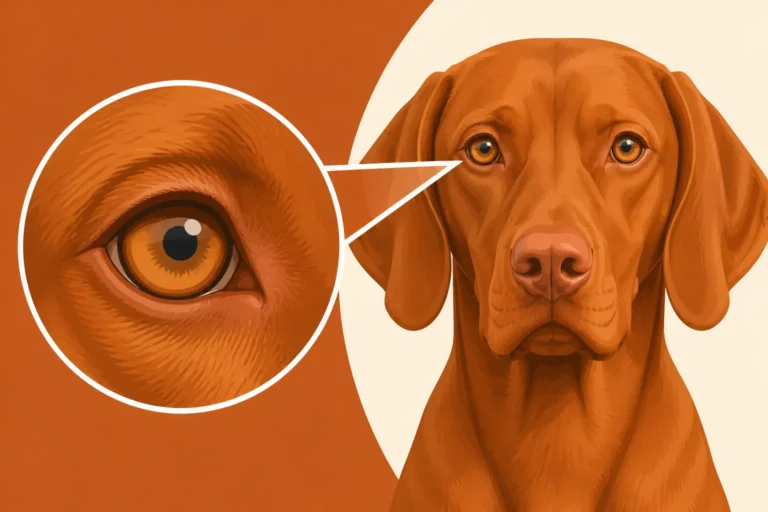
The Vizsla's coat is arguably its most striking feature, a rich, luminous golden-rust color that seems to glow in the sunlight. This isn't just a pretty characteristic; it's a defining trait of the breed, carefully preserved over centuries. When you bring home a Vizsla puppy, you're not just getting a dog; you're welcoming a piece of Hungarian history, and their color is a huge part of that heritage.
What is "Golden-Rust" Anyway?
The term "golden-rust" might sound straightforward, but it actually encompasses a beautiful range of shades. It’s not a single, unvarying hue, but rather a spectrum from a slightly lighter, sandier gold to a deeper, richer, almost red-copper tone. Think of it like a beautiful autumn leaf – vibrant and warm, but with subtle variations depending on the light and individual dog. Some days, especially under bright sunlight, your Vizsla might look incredibly golden, while indoors or on an overcast day, that deep rust hue really shines through. New owners might initially worry if their puppy appears a little paler or darker than the ideal they had in mind, but these subtle differences are usually well within the accepted standard for the breed. What you won't typically see is a drastic change to a completely different color, like black, liver, or cream. The essence of that golden-rust remains.
Genetic Underpinnings of Vizsla Color
The consistent golden-rust color of the Vizsla isn't a happy accident; it's the result of very specific genetics. Vizslas are what's known as "e/e" dogs in canine genetics, meaning they only produce red pigment (pheomelanin). They lack the dominant "E" gene that would allow for black pigment (eumelanin) to be expressed in their coat. This is why you never see a truly black or black-and-tan Vizsla; it's genetically impossible for the breed standard. This genetic makeup ensures that the only color they can express is within the red/yellow spectrum, which manifests as their characteristic golden-rust. This strong genetic foundation means that while there might be slight variations in shade between individuals, the core color will always be present. It’s a remarkable testament to careful breeding and preservation efforts over generations, ensuring that the unique beauty of the Vizsla remains distinct.
Subtle Shifts and Normal Maturation
While a Vizsla puppy isn't going to turn blue or brindle, their coat will certainly undergo a natural maturation process. These aren't "color changes" in the dramatic sense, but rather a refining and deepening of their existing hue, alongside changes in texture and density. Understanding these normal developments can alleviate concerns and help you appreciate the journey your puppy's coat takes.
Puppy Fuzz to Adult Shine
When you first bring home your Vizsla puppy, their coat is often softer, perhaps a bit fluffier, and might even appear a shade or two lighter than what you'd expect from an adult Vizsla. This is completely normal! Think of it as baby hair – it's typically finer and less dense. As your puppy grows and matures, usually between 6 to 18 months, that "puppy fuzz" gradually gives way to the adult coat. This adult coat is typically coarser, denser, and, most noticeably, takes on a richer, deeper golden-rust hue. The light often reflects differently off the denser, sleeker adult coat, making it appear more vibrant and lustrous. It's a bit like polishing a dull coin; the underlying metal is the same, but the shine makes it look entirely different. So, if your four-month-old pup seems a touch pale, don't fret; that deep, burnished copper is likely just around the corner.
Environmental Factors and Coat Appearance
Beyond maturation, several external factors can influence the appearance of your Vizsla's coat color, though they don't fundamentally change the pigment itself. Sun exposure is a big one. Just like human hair can lighten in the sun, a Vizsla's coat can sometimes lighten or develop subtle bleached highlights if they spend a lot of time outdoors, especially during summer. This isn't a permanent change to their genetics, but rather a temporary effect on the outer layer of their fur. You might notice this more pronounced on their back or sides. Conversely, after a winter spent mostly indoors, their coat might appear a deeper, more uniform shade.
Nutrition and overall health also play a significant role. A dog receiving a balanced diet rich in essential fatty acids will often have a healthier, shinier coat, which can make the color appear more vibrant and deep. If a dog is on a lower-quality diet or has nutritional deficiencies, their coat might look dull, dry, and lacklustre, potentially making the color seem washed out or less intense. Supplying high-quality food, perhaps with a supplement like fish oil, can make a world of difference. Many owners find great options for these nutritional needs at places like Chewy, which offers a wide array of specialized foods and supplements designed for active breeds. You can read more about how the elements affect their unique coat in The Single Coat a Vizsla Has and Why It Changes Everything and explore specific nutritional considerations in Whether a Vizsla Needs Fish Oil.
Unwanted Color Deviations and What They Mean
While the core golden-rust color is genetically stable, there are certain "color deviations" that are important to be aware of, some of which are minor cosmetic points, while others can signal underlying health issues. It’s crucial for any Vizsla owner, especially those interested in breeding or showing, to understand the breed standard and what falls outside of it.
White Markings and Their Acceptability
The Vizsla breed standard is quite specific about white markings. A small white patch on the chest, typically no larger than two inches in diameter, is generally acceptable. Similarly, a few white hairs on the toes are often permissible. These small markings are quite common and don't affect the dog's health or working ability. However, any extensive white markings, such as white on the throat, neck, belly, or beyond the small patch on the chest, are considered a fault in the breed standard. If a Vizsla puppy presents with larger white areas, it doesn't mean they aren't a wonderful companion, but it would typically disqualify them from conformation shows. It’s important to note that these markings are present from birth and don't "change" over time; they just become more apparent as the puppy grows. For more on this, check out Whether White Markings Are Allowed on a Vizsla or Whether White Toes Are Allowed on a Vizsla.
Nose and Eye Color Changes
Just as specific as the coat color is the expectation for a Vizsla's nose and eye pigment. The nose leather should always be self-colored, meaning it should blend perfectly with the golden-rust coat, appearing in a shade of brown or reddish-brown, never black. A black nose is a serious fault in the breed. Similarly, the eyes should be various shades of brown, often described as amber or hazel, again blending harmoniously with the overall coat color. You won't typically see a Vizsla puppy with bright blue eyes that then change to brown, for example. Any significant change in eye or nose color from the expected standard, or a loss of pigment (e.g., a "winter nose" where the nose lightens temporarily, although less common in Vizslas than some other breeds), should be noted. If you observe a dramatic or unexplained change, especially if it seems to progress, it might be worth mentioning to your veterinarian to rule out any underlying issues. Learning more about this can be helpful by reading Whether a Vizsla's Nose Loses Color.
Health Issues Affecting Coat Color or Quality
Sometimes, what appears to be a change in coat color or quality can actually be a red flag for a health problem. A dull, dry, brittle, or excessively shedding coat, or one that seems to be thinning, might be mistaken for a color issue when it's really a symptom of something deeper. For example, thyroid problems are not uncommon in Vizslas, and one of the hallmark signs of hypothyroidism can be a poor, dry coat and hair loss, which can make the remaining fur look less vibrant or even change in perceived shade. Thyroid Failure and the Vizsla's Coat delves into this in more detail.
Another condition, albeit rarer, is Sebaceous Adenitis, an autoimmune skin disease where the sebaceous glands become inflamed and destroyed. This often leads to dry skin, scaling, and significant hair loss, which naturally impacts the visual appearance of the coat's color and texture. While not strictly a "color change," the overall impression is certainly different from a healthy, glowing golden-rust. For more information, you might find What Sebaceous Adenitis Does to a Vizsla enlightening. If you ever notice significant changes in your Vizsla's coat quality, excessive hair loss, or skin irritation, it's always best to consult your veterinarian. They can help diagnose the issue and recommend appropriate treatment or dietary adjustments, which might include specific supplements or prescription foods found at retailers like Chewy.
The Lifelong Evolution of a Vizsla's Coat
Understanding that a Vizsla's coat has a natural lifecycle, from vibrant puppyhood through its prime and into graceful senior years, helps set realistic expectations. While the core color remains, the nuances certainly evolve. It’s part of the beautiful journey of having a Vizsla by your side for over a decade.
Graying Muzzles and Beyond
Just like humans, Vizslas eventually show signs of aging, and one of the most undeniable is the graying of their muzzle and face. This process typically begins around 6-8 years of age, though some Vizslas might start showing a few silver hairs earlier, and others later. This isn't a "color change" in the sense of their golden-rust pigment disappearing; rather, it's the gradual appearance of white hairs interspersed with their colored ones, giving a salt-and-pepper or fully white appearance to those areas. It's a natural, beautiful progression that marks the wisdom and maturity of your beloved companion. This graying will often extend around the eyes and sometimes to the eyebrows, but it rarely spreads significantly to the body coat, which generally retains its golden-rust hue. It's a sweet reminder of all the years you've shared. If you’re curious about this common sign of aging, Whether a Vizsla Goes Gray on the Muzzle offers more insights.
Maintaining Coat Health Through the Years
Keeping your Vizsla's coat healthy and vibrant throughout their life involves consistent care and attention to their overall well-being. Regular brushing, even with their short single coat, helps distribute natural oils, remove loose hairs, and stimulate circulation. This can enhance the natural sheen and richness of their color. How Much a Vizsla Sheds is a related read that details this.
| Age Stage | Typical Coat Appearance | Key Changes | External Factors Influencing Appearance |
|---|---|---|---|
| Puppy (0-12 mo) | Softer, finer, often slightly lighter "fuzz" | Develops denser, coarser, richer adult coat; shade deepens slightly. | Nutrition, sunlight exposure |
| Adult (1-7 yrs) | Sleek, dense, vibrant golden-rust, full shine | Stable color; minimal changes unless health issues arise. | Sun exposure, diet, health status |
| Senior (8+ yrs) | Retains golden-rust body coat, muzzle grays | Muzzle, around eyes, and sometimes chin develop white/gray hairs. | Age, health status, nutrition |
Beyond brushing, good nutrition, as mentioned, is paramount. A high-quality dog food tailored to their activity level, especially for a working breed like a Vizsla, provides the building blocks for a healthy coat. Supplements like Omega-3 fatty acids can further support skin and coat health, helping to keep their golden-rust gleaming. Regular veterinary check-ups are also crucial to catch any health issues early that might affect their coat. Your vet can recommend suitable products or dietary adjustments, and you can often find a wide variety of grooming tools and supplements from trusted retailers like Chewy to keep your Vizsla looking and feeling their best. Don't forget their overall hygiene either; a happy, healthy Vizsla means attention to all aspects of their care, including their teeth. For more on daily care, consider reading What a Vizsla Needs Every Day and Whether a Vizsla Needs Its Teeth Brushed.
Disclaimer
This article is for general informational purposes only and does not constitute professional advice. Laws, prices and regulations vary by location and change over time. Consult a qualified professional for guidance on your specific situation.