What a Vizsla Puppy Costs in 2026
Bringing home a Vizsla puppy is an incredibly exciting time, full of dreams of adventures, cuddles, and that unique bond they form. But let's be realistic: before you even bring that adorable, copper-colored bundle of energy home, there's a significant financial commitment to consider. Many prospective owners get caught off guard by the total cost involved beyond just the initial purchase price. This guide is here to walk you through all the expenses you can realistically expect when welcoming a Vizsla puppy into your life, ensuring you're prepared for the journey ahead.
Understanding the Initial Investment: The Puppy Price Tag
The first, and often most substantial, cost you'll encounter is the purchase price of the Vizsla puppy itself. It's not just a number pulled out of thin air; a responsible breeder invests heavily in their dogs, and that is reflected in what you pay. You're not just buying a puppy; you're often paying for years of genetic health testing, careful breeding decisions, proper nutrition, early socialization, and the ongoing support of an experienced mentor. This initial investment sets the stage for a healthy, well-adjusted companion, but it's crucial to understand what factors contribute to it.
Factors Influencing Vizsla Puppy Pricing
When you start researching Vizsla breeders, you'll notice a considerable range in puppy prices. This isn't random. A reputable breeder pours resources into ensuring the health and temperament of their line. They conduct extensive health clearances on both parent dogs for conditions common in Vizslas, such as hip and elbow dysplasia, eye diseases, and thyroid issues. These tests alone can run into hundreds, if not thousands, of dollars per dog, and that's before accounting for stud fees, breeding expenses, and the daily care of a pregnant dam and her litter.
Beyond health, a breeder's reputation and experience play a significant role. Breeders who actively compete with their dogs in field trials, hunt tests, or conformation shows often command higher prices because their dogs have proven their abilities and adherence to breed standards. This means you're investing in a puppy from a lineage of proven performers, which often translates to more predictable temperament, health, and working ability. Location can also influence cost, as breeders in areas with higher costs of living or strong demand may price their puppies accordingly.
Pet-Quality vs. Field/Show-Quality Puppies
It might surprise you to learn that not all puppies in a litter are priced the same, even from the same reputable breeder. There's often a distinction between "pet-quality" and "field/show-quality" puppies. Pet-quality puppies are just as healthy and wonderful, but they might have a minor conformational fault (like a slightly lighter eye color or a small white marking not ideal for the show ring) that doesn't impact their health or ability to be a fantastic companion, but means they wouldn't excel in competition. These puppies are usually sold with limited registration, meaning they cannot be bred or shown in conformation, and are often priced a bit lower.
On the other hand, puppies deemed "field-quality" or "show-quality" are those that exhibit the most potential to excel in their respective disciplines. These puppies conform closely to the breed standard and often have exceptional drive or conformation. They typically come with full registration, allowing for breeding or showing, and naturally carry a higher price tag. Keep in mind that even if you're not planning to compete, choosing a puppy from a breeder who aims for field or show quality often means you're getting a dog that is sound in structure and temperament. You can often discover more about these distinctions and their impact on price by reading about Why a Field Trial Vizsla Costs Three Times a Pet One.
Beyond the Purchase: Essential First-Year Costs for Your Vizsla Puppy
Once you've secured your Vizsla puppy, the costs don't stop there. The first year is often the most expensive, as you're setting up their entire life and addressing all their initial needs. These expenses are unavoidable for providing a safe, healthy, and happy environment for your new family member.
Initial Supplies and Setup
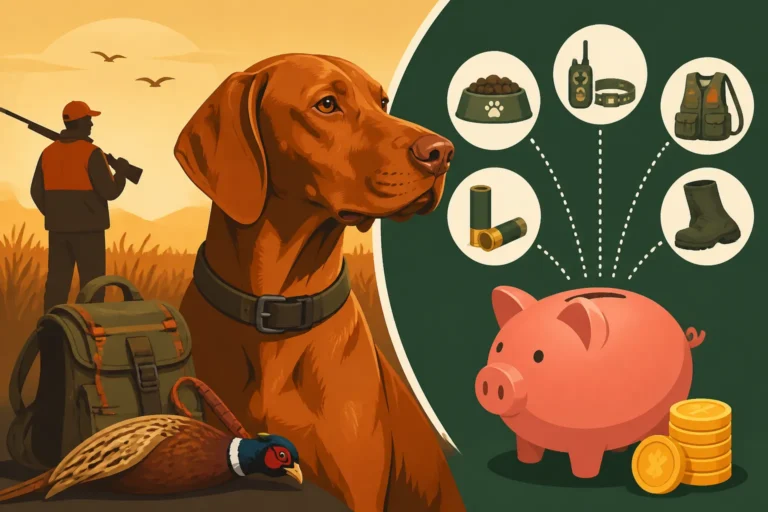
Before your puppy even sets paw in your home, you'll need a whole array of supplies. A comfortable crate is essential for house training and providing a safe den. Think about a durable, appropriately sized crate, perhaps even a crash-tested one if you plan on frequent car travel. You'll also need a soft, washable bed for the crate and potentially another for a lounging spot. Collars, leashes, and harnesses are critical for walks and training sessions. Look for sturdy options that can withstand a determined Vizsla pup.
Don't forget food and water bowls, an identification tag, and a good supply of chew toys. Vizslas are known for their chewing habits, especially as puppies, so having a variety of appropriate chew toys can save your furniture and shoes. You'll also need grooming essentials like a soft brush, nail clippers, and puppy-friendly shampoo. Online retailers like Chewy can be a great resource for getting all these initial supplies delivered right to your door, often at competitive prices. A first aid kit specifically for dogs is also a wise investment, especially if you plan on taking your Vizsla into the field, as they can sometimes cut themselves hunting.
Veterinary Care and Health Foundations
The first few months of a Vizsla puppy's life are packed with veterinary visits. They'll need a series of vaccinations to protect against common canine diseases like distemper, parvovirus, and rabies. These are crucial for building a strong immune system. Regular deworming treatments are also necessary to keep parasites at bay. Many vets also recommend microchipping your puppy for permanent identification, which can be invaluable if they ever get lost.
Beyond these initial preventative measures, you'll need to consider spaying or neutering your Vizsla, typically between six months and a year of age, depending on your vet's recommendation and your dog's development. This procedure prevents unwanted litters and can offer certain health benefits. These initial vet visits, vaccinations, deworming, microchipping, and the spay/neuter surgery represent a significant chunk of your first-year budget. It's always a good idea to factor in an initial comprehensive health check to ensure your puppy is off to the best start. Finding out What Vizslas Are Most Often Treated For can also help you understand potential long-term health considerations.
Nutrition for Growing Vizslas
Feeding a growing Vizsla puppy isn't just about throwing some kibble in a bowl; it's about providing the right fuel for their boundless energy and rapid development. Vizslas are high-energy dogs, and their dietary needs reflect that. Puppy-specific formulas are essential, as they contain the necessary balance of protein, fat, and nutrients for healthy bone and muscle growth. You'll likely feed your Vizsla puppy multiple meals a day, gradually transitioning to two meals as they get older.
The cost of quality puppy food can vary significantly. Premium kibbles, especially those formulated for active large breeds, will be more expensive than generic brands. Some owners opt for fresh food diets, which can be even pricier but offer specific nutritional benefits. Services like Ollie deliver fresh, human-grade dog food customized to your dog's needs, which can be an excellent option for optimal nutrition, though it's important to weigh the cost against your budget. Whatever you choose, ensure you're feeding a high-quality diet to support your Vizsla's health and vitality, preventing issues such as a Vizsla that stays too lean.
Training, Socialization, and Ongoing Support
Vizslas are intelligent, eager-to-please, but also highly energetic and sensitive dogs. Investing in proper training and socialization from a young age is paramount for their development into well-behaved companions and often saves money and headaches down the road.
Puppy Classes and Basic Obedience
Puppy classes are more than just learning "sit" and "stay"; they're crucial for early socialization. In these classes, your Vizsla puppy will learn to interact appropriately with other puppies and people in a controlled environment. This exposure during their critical developmental period can prevent behavioral issues later on. These classes usually involve a series of weekly sessions and have an associated cost. Following puppy class, basic obedience training, either group classes or private sessions, helps solidify good manners and strengthens the bond between you and your dog. A professional trainer can offer invaluable guidance, especially if you're a first-time Vizsla owner, helping you understand The Soft Vizsla That Shuts Down When You Raise Your Voice. Investing in training can save you a lot of grief (and potentially money spent on repairs) if your Vizsla develops destructive habits due to lack of direction.
Socialization Opportunities
Beyond formal classes, intentional socialization is a continuous effort. Exposing your Vizsla puppy to a wide variety of sights, sounds, people, and experiences in a positive way is critical. This could involve regular trips to dog-friendly parks (once fully vaccinated), inviting friends over, car rides, and walks in different environments. While many of these activities are free, some might involve gas money, entrance fees, or special treats used for positive reinforcement. A well-socialized Vizsla is less likely to develop fear-based aggression or anxiety, making them a joy to live with. Understanding Whether a Vizsla Is Safe With Toddlers or Whether a Vizsla Gets On With Other Dogs often comes down to early and consistent socialization.
Pet Insurance Considerations
Even with the best breeding and care, accidents and illnesses can happen. Vizslas, like many purebreds, can be prone to certain health conditions such as Thyroid Failure in a Vizsla or Epilepsy in a Vizsla. Emergency vet visits can quickly escalate into thousands of dollars, causing immense financial strain. This is where pet insurance becomes a real lifeline. Companies like Healthy Paws offer various plans that can help cover unexpected veterinary expenses, from accidents and injuries to serious illnesses.
While it's an ongoing monthly or annual cost, pet insurance can provide immense peace of mind. When your beloved Vizsla needs expensive diagnostics or surgery, you won't have to choose between their health and your financial stability. It’s important to research different policies, understand what they cover (and what they don't), and consider the deductibles and reimbursement rates. Some owners choose to self-insure by setting aside a dedicated savings fund, but insurance offers a predictable monthly cost in exchange for protection against large, unforeseen bills.
Long-Term Financial Planning for Your Vizsla
While the first year is often the most expensive, owning a Vizsla is a long-term commitment, typically spanning 12-14 years. Therefore, it's vital to consider the ongoing financial responsibilities that come with caring for your companion throughout their life.
Annual Recurring Costs
After the initial flurry of puppy expenses, you'll settle into a rhythm of recurring annual costs. Food will remain a significant expense, especially if your Vizsla is active or on a specialized diet. Annual veterinary check-ups, including booster vaccinations and parasite prevention (flea, tick, and heartworm medications), are essential for maintaining good health. These routine visits allow your vet to catch potential issues early. Grooming supplies will need replenishing, and replacing worn-out toys and beds is a given. Don't forget licenses and registration fees, which are required in many areas.
If you opted for pet insurance, those premiums will continue. For active Vizslas, you might also be investing in joint supplements or other preventative care to support their athleticism, especially if they are a working dog, as they can sometimes wear their joints out. These costs, while smaller individually than the puppy purchase, add up over a decade or more.
Unexpected Expenses
No matter how carefully you plan, unexpected expenses will inevitably arise. This could be anything from an emergency visit to the vet for an ingested foreign object (Vizslas are notoriously curious and can eat things in the field) to treating an acute illness, or dealing with chronic conditions that may develop later in life. A Vizsla's active lifestyle, while wonderful, can also lead to injuries like a Limping Vizsla Has a Cruciate Tear, which often require costly surgery and rehabilitation.
Having an emergency fund dedicated to your dog's care, or a robust pet insurance policy, is crucial for mitigating the impact of these unforeseen costs. Without such a safety net, owners can find themselves in difficult situations when faced with a large, unexpected vet bill. Remember, responsible pet ownership means being prepared for the good times and the challenging ones, both emotionally and financially.
Estimated Vizsla Puppy & First-Year Costs
To give you a clearer picture, here's a table outlining potential costs. Please note that these are estimated ranges and can vary widely based on location, breeder, product choices, and your dog's individual needs.
| Category | Estimated Cost (Low End) | Estimated Cost (High End) | Notes |
|---|---|---|---|
| Initial Purchase | |||
| Vizsla Puppy | Check Breeder Site | Check Breeder Site | Varies greatly by breeder, pedigree, and purpose (pet vs. show/field). |
| First-Year Essentials | |||
| Crate & Bedding | $100 | $300 | Larger crates cost more; durable bedding for chewers. |
| Collar, Leash, Harness | $50 | $150 | Quality and material choice. |
| Food & Water Bowls | $20 | $80 | Stainless steel or ceramic bowls. |
| Toys & Chews | $100 | $300 | Vizslas need a lot of enrichment and chew toys. |
| Grooming Supplies | $30 | $100 | Brush, nail clippers, puppy shampoo. |
| Puppy Food (12 months) | $600 | $1,200+ | High-quality kibble; fresh food options will be higher. Mention Chewy/Ollie. |
| Vet Visits (vaccines, deworming, check-ups) | $300 | $700 | Multiple visits, initial shots, fecal tests. |
| Spay/Neuter Surgery | $200 | $800+ | Varies by vet, location, and dog's weight/sex. |
| Microchipping | $50 | $100 | One-time fee, often includes registration. |
| Puppy Classes | $150 | $400 | Group classes vs. private sessions. |
| Optional/Contingency | |||
| Pet Insurance (12 months) | $300 | $900+ | Monthly premiums vary by age, breed, coverage, and provider (e.g., Healthy Paws). |
| Emergency Fund (set aside) | $500 | $1,000+ | Crucial for unexpected issues. |
| Miscellaneous (treats, bags) | $100 | $300 | Training treats, waste bags, other small items. |
| TOTAL (Excl. Puppy Price) | $2,210 | $6,330+ | This is just for the first year, after acquiring the puppy. |
This table highlights that while the puppy itself is a major expense, the first year of care quickly adds up, easily matching or even exceeding the initial purchase price. Being fully aware and prepared for these costs is a key step in providing a loving and responsible home for your Vizsla.
Disclaimer
This article is for general informational purposes only and does not constitute professional advice. Laws, prices and regulations vary by location and change over time. Consult a qualified professional for guidance on your specific situation.