Whether a Vizsla Picks Up Ticks
Vizsla dogs frequently pick up ticks in tall grass. Learn how to check short coats and remove attached ticks safely.
The daily stuff, done right.
Feeding amounts by life stage, coat and skin routines, dental and nail care, exercise needs, and what changes as they age.

Vizsla dogs frequently pick up ticks in tall grass. Learn how to check short coats and remove attached ticks safely.
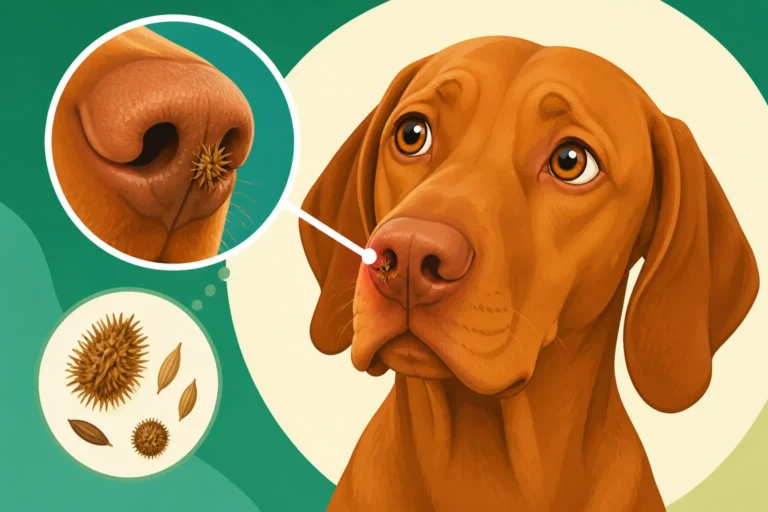
Barbed grass seeds in a Vizsla nose cause severe irritation, sneezing, and dangerous health complications that require vigilance.
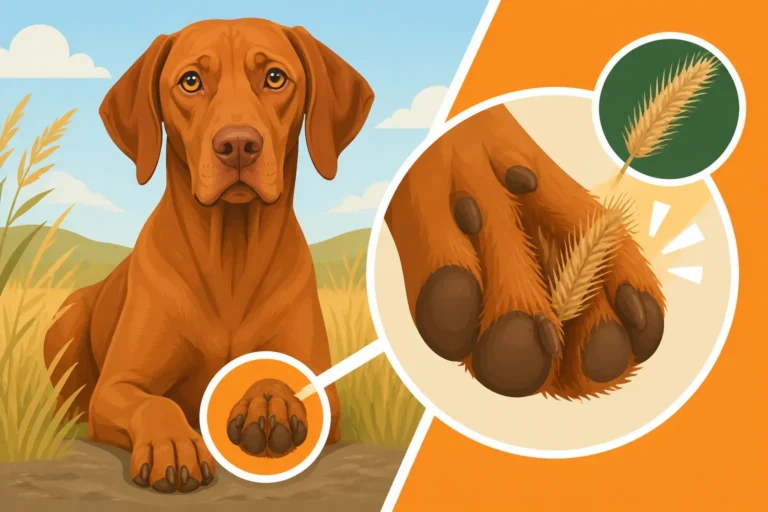
Foxtail grass seeds pose a dangerous medical emergency for active Vizslas because barbed awns penetrate skin easily.
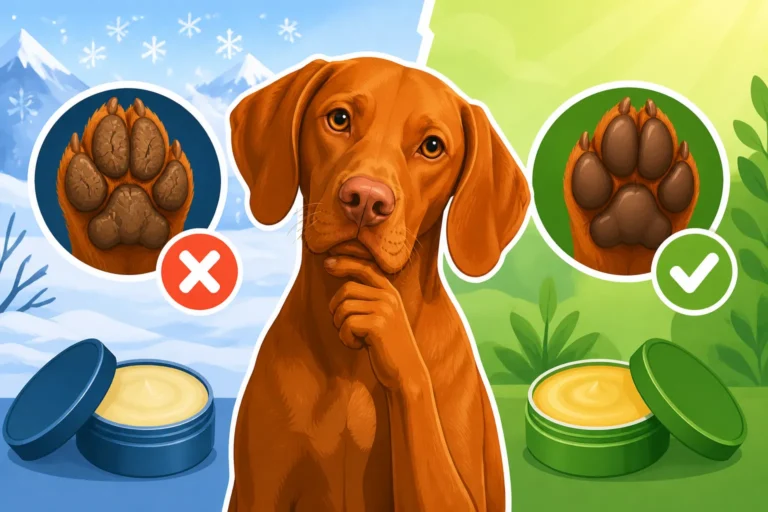
Vizsla paw wax protects sensitive paw pads from hot pavement, ice, and rough gravel terrain during outdoor adventures.
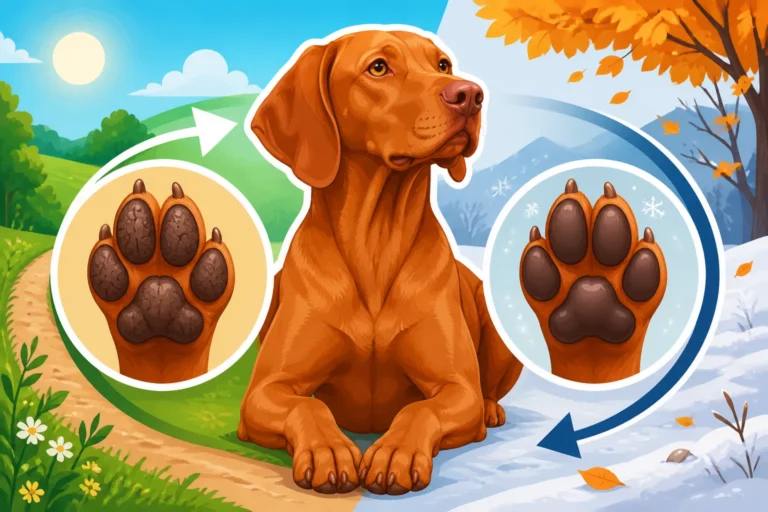
Vizsla paw pads adapt to rough terrain during hunting season through gradual exposure, forming protective calluses.
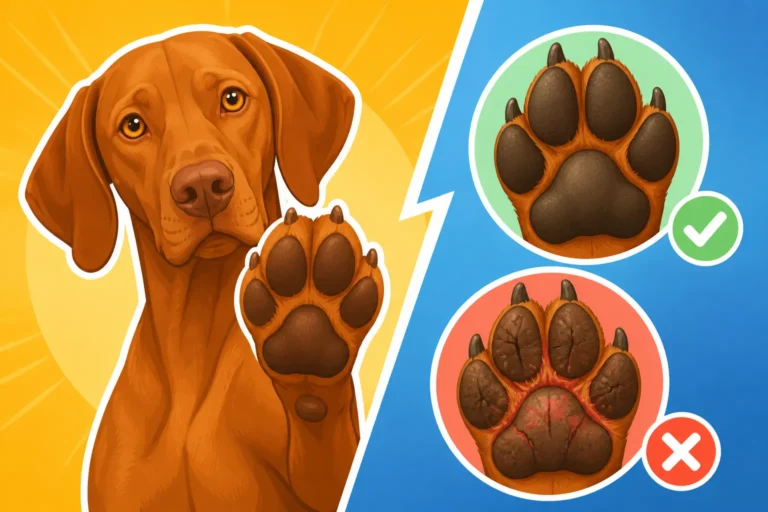
Vizsla paw pad splitting causes and prevention methods explain why active dogs suffer injuries on rough terrain.
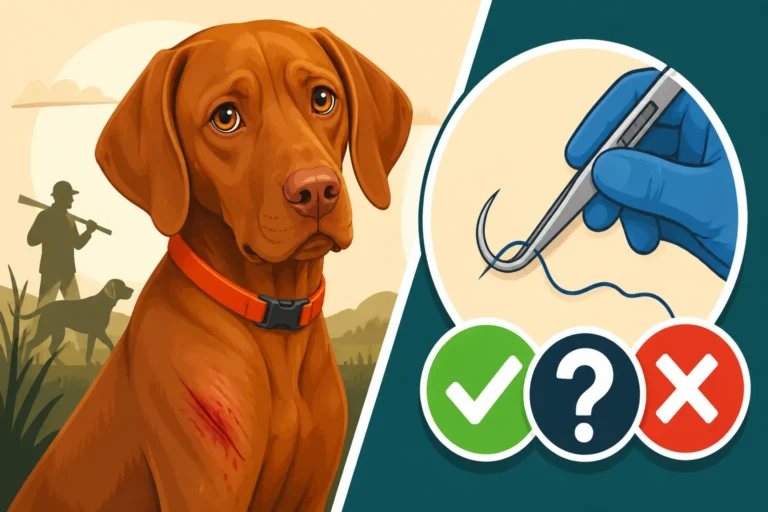
Vizsla skin injuries sustained during hunting require careful assessment to determine whether home care or veterinary stitches are needed.
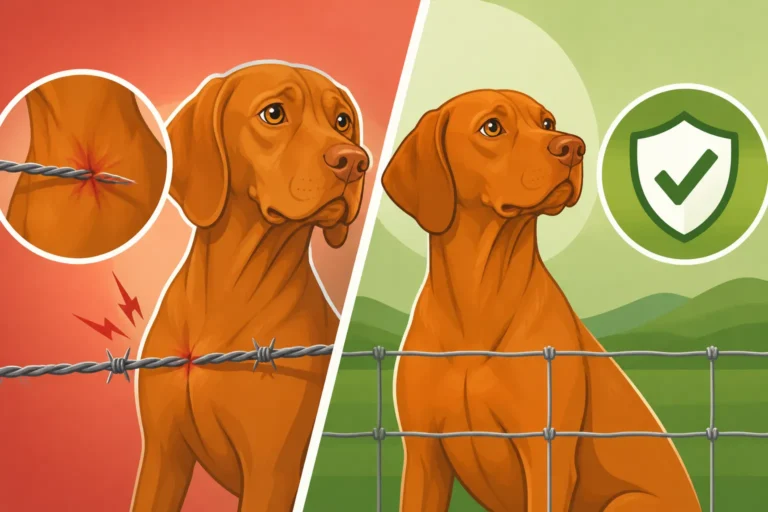
Vizsla chest cuts from wire happen due to their thin skin and single coat, requiring owner vigilance and risk mitigation.

Neutered Vizslas experience hormonal changes, slowed metabolism, and reduced energy needs that can lead to unhealthy weight gain and fat storage.

Overweight Vizslas lose excess pounds safely through calorie management, exercise adjustments, and limiting sneaky table scraps.