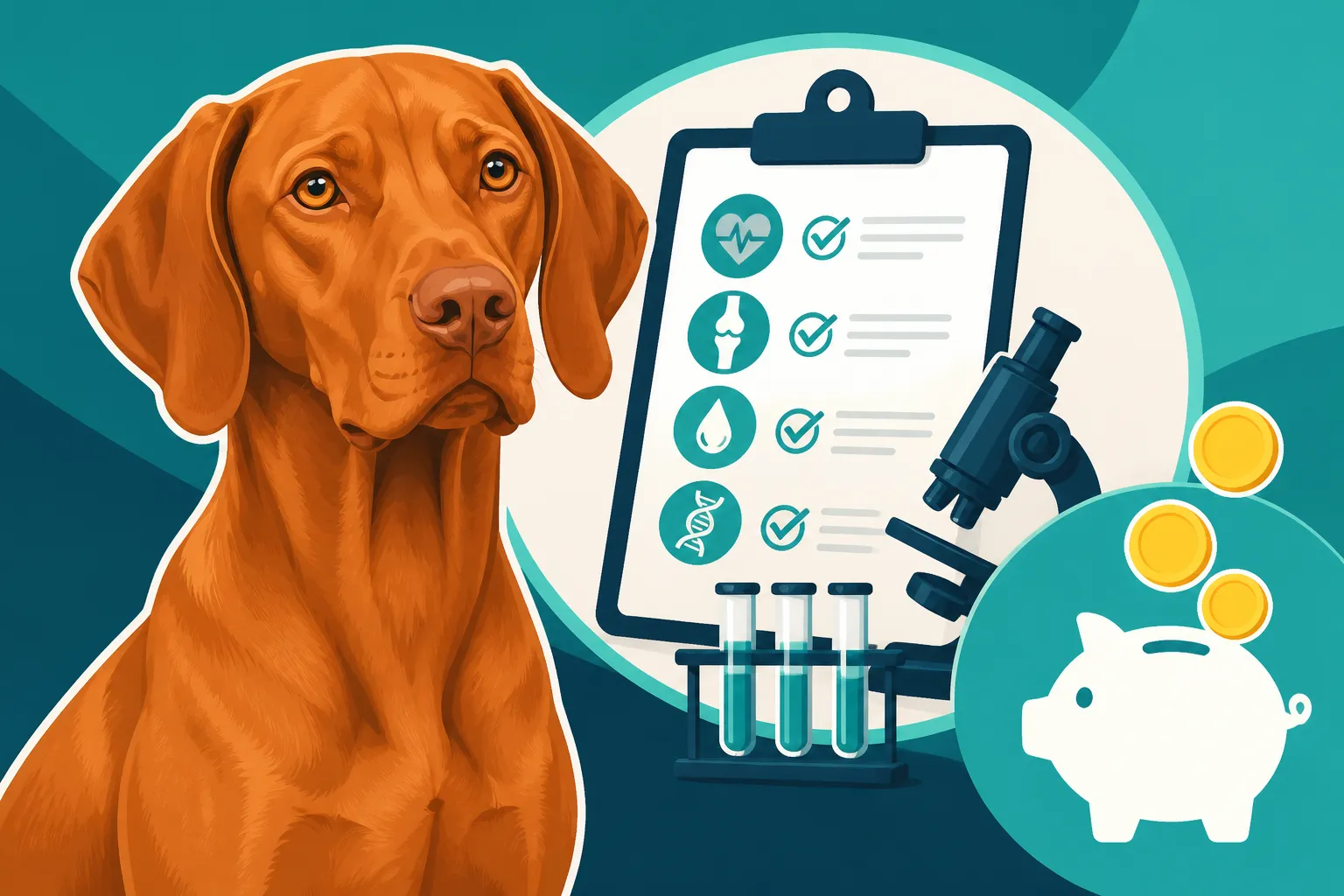
What Health Testing Costs a Vizsla Breeder
Bringing a Vizsla into your home is an incredible joy, but many prospective puppy owners don't realize the sheer depth of commitment and financial investment that responsible breeders pour into ensuring the health and longevity of their dogs. It's easy to look at a puppy price and wonder why it's so high, without fully understanding the crucial and often expensive health testing that happens long before those puppies are even conceived. This guide is here to pull back the curtain, detailing the essential health tests a Vizsla breeder undertakes, what these tests entail, and the significant costs involved in bringing you a healthy, well-started puppy.
The Foundation of Responsible Vizsla Breeding: Why Health Testing Matters So Much
For any dedicated Vizsla breeder, health testing isn't just a recommendation; it's an ethical imperative. It's about protecting the future of the breed, ensuring that the puppies they produce have the best possible chance at a long, healthy life, free from preventable genetic conditions that can cause heartache and massive vet bills for new owners.
More Than Just a "Good Looking" Dog
While a Vizsla's striking golden-rust coat and elegant physique are undeniably appealing, true quality in a breeding dog goes far beyond superficial beauty. A responsible breeder understands that the genetics carried beneath that beautiful coat dictate so much about a dog's future health, temperament, and ability to fulfill its potential as a companion, hunting partner, or competition dog. Without proper health testing, breeders would simply be guessing, potentially perpetuating debilitating conditions through generations.
Imagine bringing home a puppy, falling head over heels in love, only to discover at a young age that it suffers from a painful, genetically inherited condition. This isn't just a financial burden; it's an emotional one that no loving owner wants to face. Responsible breeders strive to minimize this risk by carefully screening their breeding stock. They invest time, effort, and considerable money to understand the genetic makeup of their dogs, making informed decisions that prioritize the well-being of every puppy they bring into the world. It’s a painstaking process, but it’s what separates a backyard breeder from a truly reputable one.
Understanding the Vizsla's Unique Health Vulnerabilities
Like all purebred dogs, Vizslas have certain predispositions to specific health conditions, some of which are genetic. The breed has faced challenges, including a relatively small gene pool in the past, which can sometimes concentrate certain genetic traits, both good and bad. This makes diligent health testing even more critical for Vizslas.
Among the more common health concerns in the breed are orthopedic issues like hip and elbow dysplasia, eye diseases, and thyroid problems. Beyond these, Vizslas are also known to have a higher incidence of certain immune-mediated diseases, which can manifest in various ways and be difficult to diagnose and manage. Understanding these vulnerabilities is the first step in a breeder's comprehensive health testing strategy. They know what to look for, what tests are most relevant, and how to interpret the results to make the best breeding choices. This proactive approach aims to reduce the prevalence of these conditions in future generations, safeguarding the breed's health for years to come.
Deciphering the Major Health Clearances for Vizslas
When you're looking into responsible Vizsla breeders, you'll hear a lot about "clearances." These aren't just buzzwords; they represent specific, rigorous evaluations performed by veterinary specialists to assess the health of breeding dogs.
Orthopedic Evaluations: Hips and Elbows
Perhaps the most universally recognized health clearances for large, active breeds like the Vizsla are evaluations for hip and elbow dysplasia. These conditions affect the joints, causing pain, arthritis, and lameness, especially in a dog that loves to run and work as much as a Vizsla does.
To properly screen for hip and elbow dysplasia, a Vizsla typically undergoes X-rays, often requiring sedation or general anesthesia to ensure proper positioning and minimize stress. These radiographs are then submitted to an independent expert panel, most commonly the Orthopedic Foundation for Animals (OFA) or PennHIP. The OFA evaluates hip conformation, assigning ratings like Excellent, Good, or Fair (all considered passing), Borderline, or Dysplastic. Elbows are rated as normal or various grades of dysplasia. PennHIP offers a quantitative measure of hip laxity, providing a distractive index (DI) score. The veterinarian performing the X-rays, the cost of the sedation or anesthesia, and the submission fees to the registry all contribute to a significant expense for the breeder. These tests generally can't be done before a dog is two years old, meaning a breeder is waiting and investing in a dog for a couple of years before knowing if it can even contribute to the gene pool. For more on this, you can look into Hips and Elbows on a Vizsla That Runs All Day.
Eye Health: Protecting Vision
Vision is paramount for an active hunting dog like a Vizsla, so eye health clearances are another critical component of responsible breeding. Vizslas can be predisposed to several eye conditions, including Progressive Retinal Atrophy (PRA), cataracts, and sometimes structural issues like entropion or ectropion. While some of these conditions may not manifest until later in life, diligent screening helps identify potential carriers or affected individuals before they are bred.
These eye examinations are performed by a board-certified veterinary ophthalmologist. The specialist conducts a thorough examination of the entire eye structure, looking for any signs of inherited eye disease. These examinations are typically registered with the OFA (formerly with CERF, the Canine Eye Registry Foundation). Unlike hip and elbow evaluations, which are often a one-time clearance (though some breeders re-certify later), eye exams are recommended annually for breeding dogs because some conditions can develop or progress over time. The cost involves the specialist's examination fee and the registration fee. Even with a perfectly healthy dog, these yearly check-ups represent an ongoing expense, highlighting the breeder's dedication to ensuring Eye Disease in a Vizsla is kept out of their lines.
Thyroid Function: A Hidden Health Concern
Hypothyroidism, an underactive thyroid gland, is another condition that can affect Vizslas. While treatable, it can lead to a host of problems if undiagnosed, including lethargy, weight gain, poor coat quality, and even behavioral changes or infertility. Responsible breeders screen their dogs for thyroid function to avoid passing on a predisposition to this endocrine disorder.
Thyroid testing involves a comprehensive blood panel that assesses various thyroid hormones. It's crucial that this isn't just a basic screening, but a full thyroid panel, often interpreted by a specialized veterinary laboratory or a veterinary endocrinologist. The results are typically registered with the OFA to maintain a public record of the dog's thyroid status. Like eye exams, thyroid testing is often recommended annually or biennially for breeding stock, as thyroid levels can fluctuate. This means repeated veterinary visits and laboratory fees for the breeder. It's a key part of how a responsible breeder commits to Thyroid Failure in a Vizsla prevention. Many breeders proudly state Whether a Vizsla Breeder Screens for Thyroid as part of their comprehensive program.
Beyond the Core: Specialized and Emerging Health Screens
While hips, elbows, eyes, and thyroid are generally considered the "core four" for Vizslas, truly dedicated breeders often go further, investigating other potential health concerns that may affect the breed.
Cardiac Health and Genetic Disease Panels
Cardiac health, while not as prevalent a concern in Vizslas as in some other breeds, is still something responsible breeders monitor. A basic cardiac auscultation (listening to the heart) by a general veterinarian is standard, but some breeders opt for more advanced screening. This might involve a consultation with a board-certified veterinary cardiologist, who can perform an echocardiogram to thoroughly assess the heart's structure and function. These specialist evaluations are significantly more expensive than a routine vet check but offer a deeper understanding of a dog's heart health, ensuring no congenital heart defects are unknowingly passed on.
Beyond individual organ screening, genetic science is constantly evolving. For some breeds, comprehensive genetic disease panels are available that screen for multiple conditions from a single DNA sample (often a cheek swab or blood sample). While not all Vizsla-specific genetic conditions currently have direct genetic tests, breeders are always on the lookout for new, validated tests that can help them make more informed breeding decisions. These panels can vary in cost depending on the number of diseases screened.
Addressing Immune-Mediated Conditions
Vizslas have a known predisposition to various immune-mediated conditions. This means their immune systems can sometimes mistakenly attack their own bodies. Two such examples that breeders are keenly aware of are Sebaceous Adenitis (SA) and Vizsla Inflammatory Polymyopathy (VIP). SA affects the skin and coat, leading to hair loss and skin issues, while VIP is a muscle disease primarily affecting the head and neck.
Unfortunately, direct genetic tests to definitively predict or diagnose these conditions in all cases are not always readily available or fully understood. This means breeders must rely on careful observation, tracking pedigrees, and, if a potential breeding dog shows any suspicious symptoms, investing in extensive diagnostics. Diagnosing conditions like Sebaceous Adenitis and the Vizsla That Loses Its Coat might involve skin biopsies, while investigating What Vizsla Inflammatory Polymyopathy Does could require blood tests, electromyography, or even muscle biopsies. These diagnostic procedures, especially those requiring specialists, can be incredibly expensive. Even if a dog is cleared from breeding due to such a diagnosis, the breeder has still incurred substantial costs in the diagnostic process. This vigilance reflects a deep understanding of Why Vizslas Carry So Much Immune Disease and the importance of mitigating its impact.
Fertility and Breeding Soundness Examinations
Ensuring that a breeding dog is not only free from genetic diseases but also reproductively sound is another crucial, and costly, aspect of a responsible breeding program. It's not just about getting a dog pregnant; it's about ensuring a healthy pregnancy, delivery, and viable litter.
For females, this can involve pre-breeding veterinary check-ups to assess overall health, uterine scans, and progesterone testing to accurately time breeding. Progesterone testing requires multiple blood draws, often every other day for a week or more, each with its own laboratory fee. For males, a breeding soundness exam typically includes a thorough physical examination, palpation of the testes, and semen analysis to check quality and motility. These tests ensure that both parents are physically capable of reproducing without undue stress or health risks, and that the resulting litter has the best chance of thriving. If issues arise, further specialist consultations and treatments can add significantly to the overall investment, ensuring the health of the parents and the potential puppies.
The True Financial Outlay for a Responsible Vizsla Breeder
Putting all these tests together, it becomes clear that responsible Vizsla breeding is a significant financial undertaking. These aren't one-off expenses; they're an ongoing commitment to the health of their breeding stock and the future of the breed.
Breaking Down the Costs Per Dog
Let's look at a realistic, though generalized, breakdown of what a breeder might expect to pay for health testing on a single Vizsla intended for breeding. Please remember, these are approximate ranges and can vary widely based on location, veterinarian fees, and specialist costs.
| Health Test Category | Specific Tests Included | Estimated Cost Range (per dog) | Notes |
|---|---|---|---|
| Orthopedic | Hip X-rays (OFA/PennHIP), Elbow X-rays (OFA) | $$$ – $$$$ | Includes vet fees for sedation/anesthesia, radiology, and submission fees to OFA/PennHIP. Done once at 24+ months. |
| Ocular | CERF/OFA Eye Exam by board-certified ophthalmologist | $$ | Includes specialist exam fee and OFA registration. Recommended annually for breeding dogs. |
| Thyroid | Comprehensive Thyroid Panel (OFA) | $$ | Includes blood draw and lab fees for full panel. Recommended annually or biennially. |
| Cardiac | Auscultation (vet), Echocardiogram (specialist, optional) | $ – $$$$ | Basic auscultation is cheaper. Specialist echocardiogram is much more expensive but offers comprehensive view. |
| Genetic Panels (if available) | Breed-specific DNA tests for known conditions | $ – $$ | Varies by number of conditions screened and lab. Often a one-time test. |
| Fertility/Repro (pre-breeding) | Progesterone testing, semen analysis, uterine check | $$ – $$$$ | Multiple vet visits/blood draws for females. Specialist fees for males. Performed for each breeding attempt. |
Key to Cost Ranges:
- $: $50 – $150
- $$: $150 – $300
- $$$: $300 – $700
- $$$$: $700 – $1500+
As you can see, the initial investment for a single breeding prospect to get all the necessary clearances easily runs into the thousands. And this doesn't even include the cost of raising the dog to breeding age, showing it to prove conformation and temperament, or its regular care. The list of The Health Tests Both Vizsla Parents Should Have is long for a reason.
Recurring Costs and Unexpected Expenses
The financial commitment doesn't stop once a dog has its initial clearances. Some tests, like eye and thyroid exams, need to be repeated throughout a dog's breeding career. This means annual or biennial costs for veterinary visits and specialist consultations.
Furthermore, sometimes a promising young Vizsla, after all the initial investment in its upbringing and training, might unexpectedly fail a clearance. Perhaps a PennHIP score isn't ideal, or a minor eye condition is detected. In these heartbreaking cases, the breeder has to make the ethical decision to remove that dog from their breeding program, losing all the prior investment in its potential. This can also lead to additional costs for further diagnostics or even treatment for the condition, even if the dog will now live as a beloved pet. It's a risk every responsible breeder accepts, prioritizing the health of the breed over their own financial returns.
How Breeder Costs Impact Puppy Prices (and Why It's Worth It)
When a puppy seeker sees a price tag that might seem high, it's essential to understand that a significant portion of that cost directly reflects the breeder's immense financial and ethical investment in health testing. A reputable breeder isn't just charging for the eight weeks they've had the puppies; they are recouping a fraction of the years of investment they've made in the parent dogs.
A puppy from health-tested parents means a reduced risk of inherited diseases, which translates to fewer potential vet bills, less heartache, and a better quality of life for your future companion. While it might seem expensive upfront, consider the alternative: buying a cheaper puppy from untested parents could lead to thousands of dollars in veterinary treatment for preventable conditions down the line. Many new owners discover the value of these tests when they face unexpected vet bills, often turning to solutions like pet insurance from providers such as Healthy Paws to help manage potential future costs. The investment in a puppy from a health-tested line is an investment in peace of mind and a healthier future for your Vizsla.
Navigating the World of Health Testing: Resources and Best Practices
Understanding health testing is empowering for both breeders and prospective puppy owners. Knowing where to find information and what to ask for is crucial in making responsible choices.
Official Registries and Organizations
The most prominent organization for health testing in the United States is the Orthopedic Foundation for Animals (OFA). The OFA maintains a comprehensive public database of health clearances for various breeds, including Vizslas. When a dog receives its hip, elbow, eye, or thyroid clearances, the results are registered with the OFA and are usually publicly accessible online. This transparency is a cornerstone of ethical breeding.
A breeder often strives for their breeding dogs to achieve a Canine Health Information Center (CHIC) number. A CHIC number is issued by the OFA to dogs that have completed all the recommended health screenings for their breed as determined by the parent club. For Vizslas, this typically includes hips, elbows, eyes, and thyroid. Seeing a CHIC number on a dog's pedigree is a strong indicator of a breeder's commitment to health testing. It's important to ask Whether a Vizsla Breeder Should Show a CHIC Number to verify their claims.
What Prospective Puppy Buyers Should Look For
As a prospective Vizsla puppy owner, you have a vital role to play in supporting responsible breeding. Don't be shy about asking breeders for proof of health clearances for both parents of the litter. Reputable breeders will be more than happy to provide OFA certificates, PennHIP reports, and eye exam results.
Go a step further and learn how to verify these results yourself on the OFA website. You can search by registered name or registration number. Look for certifications that indicate "normal" or "passing" results. Understand the breed's specific recommendations for testing and ensure the parents have undergone all of them. This due diligence ensures that the breeder is genuinely committed to health and not just paying lip service. It's also worth discussing the health history of grandparents and great-grandparents, if possible, as a broader picture of health in the line is always valuable. When considering what a Vizsla will cost you over its lifetime, checking these details upfront is invaluable. You might also want to look into What a Vizsla Owner Spends in the First Six Months and beyond, factoring in potential health issues.
Supporting Ethical Breeding Practices
By demanding verifiable health clearances and choosing breeders who prioritize these essential screenings, you directly support ethical breeding practices and contribute to the long-term health of the Vizsla breed. Beware of breeders who dismiss health testing as unnecessary, claim it's too expensive, or refuse to provide documentation. These are red flags that could indicate a lack of commitment to the well-being of their dogs and puppies.
Even if a perfectly healthy puppy is produced, its long-term health is also shaped by good nutrition and care. High-quality food can support overall well-being, and services like Ollie provide fresh, customized meal plans that some owners choose for their Vizslas. If, despite all efforts, a Vizsla develops an issue requiring ongoing care, retailers like Chewy offer a wide range of specialized diets, supplements, and supplies that can help manage conditions and maintain quality of life. Your choices as a puppy buyer have a ripple effect, encouraging more breeders to uphold the highest standards and ensuring that the magnificent Vizsla continues to be a healthy, vibrant breed for generations to come.
Disclaimer
This article is for general informational purposes only and does not constitute professional advice. Laws, prices and regulations vary by location and change over time. Consult a qualified professional for guidance on your specific situation.