Whether a Vizsla Puppy Outgrows Growing Pains
It’s a truly frightening experience when your energetic Vizsla puppy, who was just tearing around the yard moments ago, suddenly starts limping or crying out in pain. As Vizsla owners, we often prepare for the endless energy and the "velcro" tendencies, but sometimes unexpected health issues like mysterious lameness can throw us for a loop. Many assume these are just "growing pains" and that their puppy will simply outgrow them, but it’s crucial to understand what's really happening and how best to support your rapidly developing canine companion through these episodes. This guide will delve deep into the common condition known as Panosteitis and address whether your Vizsla puppy truly outgrows it.
Understanding Growing Pains in Vizsla Puppies (Panosteitis)
When a Vizsla puppy starts exhibiting lameness, often seemingly out of nowhere, many owners will hear the term "growing pains" thrown around. While it's a common phrase, it's actually referring to a specific, identifiable condition in dogs called Panosteitis, or Pano for short. It's a real and sometimes painful inflammatory process, not just a vague ache, and understanding it is the first step to helping your furry friend.
What Exactly Are "Growing Pains"?
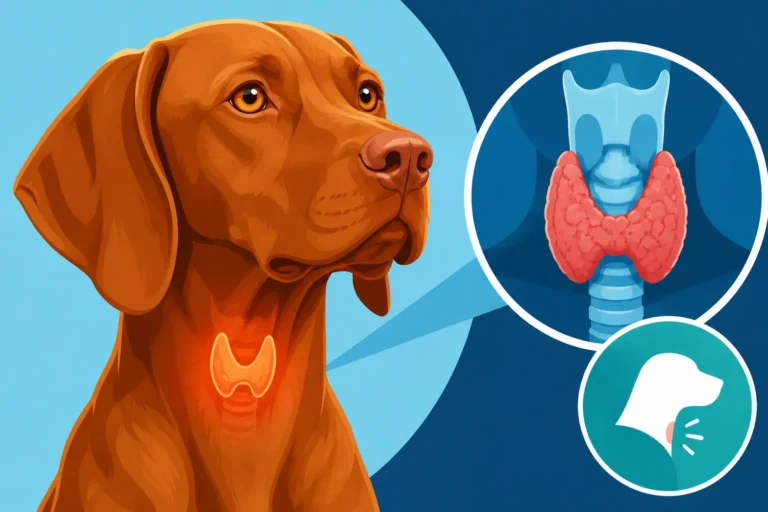
Panosteitis is an inflammatory condition affecting the outer surface (periosteum) and marrow cavity of the long bones in a dog's limbs. Imagine the long bones in your Vizsla's legs – the humerus in the front leg or the femur in the back. During periods of rapid growth, these bones are particularly susceptible. It's not entirely understood why some puppies get it and others don't, but it typically strikes medium to large breed dogs that grow quickly, like our beloved Vizslas.
The inflammation causes increased bone production and sometimes areas of bone degeneration, leading to pain. It usually affects puppies between 5 to 18 months of age, though it can sometimes be seen a bit earlier or later. It's important to remember this isn't just "soreness" from too much play; it's a genuine inflammatory response within the bone itself. Many owners mistakenly think their pup just "pulled something," when in fact, the issue is deeper within the bone structure.
The Typical Presentation in a Vizsla Puppy
A Vizsla puppy experiencing Panosteitis will often show sudden, unexplained lameness. What makes Pano particularly frustrating and confusing for owners is its "shifting leg" nature. One day your pup might be limping on their left front leg, the next day it's the right hind leg, and then maybe a few days later, they seem perfectly fine, only for the lameness to return in another limb. This intermittent, migratory lameness is a hallmark of the condition.
Beyond the limping, you might notice your Vizsla being reluctant to play or exercise, or they might cry out when you touch or palpate the affected leg. They might be lethargic, have a decreased appetite, or even run a slight fever. Because Vizslas are such high-energy dogs, they often try to "tough it out," continuing to play despite discomfort, which can make the lameness less obvious until it becomes quite severe. You might just notice a slight hitch in their gait after a long run, or they might seem unusually tired after what would normally be a routine walk. Observing these subtle changes is key, especially in a breed known for its boundless enthusiasm. For more insights into common joint issues, you might want to read about Hips and Elbows on a Vizsla That Runs All Day.
Why Vizslas Seem Prone to Panosteitis
While Panosteitis can affect many large and giant breeds, Vizslas, with their rapid growth rate and athletic build, seem particularly predisposed. The exact cause remains a bit of a mystery, but several factors are thought to contribute:
- Rapid Growth: Vizslas grow incredibly fast in their first year to 18 months. This accelerated growth can put stress on their developing bones and growth plates.
- Genetics: There may be a genetic component at play, with certain lines being more susceptible. Reputable breeders are often aware of the prevalence of Pano in their lines, but it's not something that can be tested for like Whether VIP Is Inherited in the Vizsla.
- Diet: While not a direct cause, an improper diet, particularly one too high in calories or calcium for a large breed puppy, can contribute to abnormal bone development and exacerbate growth-related issues.
- Trauma/Exercise: While Pano isn't caused by trauma, vigorous or excessive exercise on hard surfaces during growth spurts can certainly aggravate existing inflammation and make symptoms more apparent. This is why many vets advise against forced, high-impact exercise for young Vizslas, especially during their most intense growth phases. Consider this when thinking about Whether a Vizsla Puppy Should Run on Hard Ground.
Understanding these potential contributing factors helps owners make informed decisions about their puppy's care, from nutrition to exercise routines, aiming to support healthy growth and minimize the chances or severity of Panosteitis episodes.
Diagnosing and Managing Panosteitis in Your Vizsla
When your Vizsla puppy starts showing signs of lameness, it's natural to worry. While "growing pains" might be the first thing that comes to mind, it's vital to get a proper veterinary diagnosis to rule out other, potentially more serious, conditions. Once diagnosed, managing Panosteitis typically involves a combination of pain relief and careful activity modification.
Getting a Proper Veterinary Diagnosis
The first step is always a visit to your veterinarian. Don't try to self-diagnose based on internet searches. Your vet will perform a thorough physical examination, carefully palpating your Vizsla's long bones in each limb to check for pain and swelling. They'll also observe your puppy's gait.
Often, the definitive diagnosis comes from X-rays. While Panosteitis can be tricky to spot in its early stages on an X-ray, your vet will look for specific changes in the bone density or texture in the marrow cavity. Sometimes, multiple X-rays over several weeks might be needed to confirm the diagnosis as the bone changes can come and go. It’s important for your vet to rule out other conditions that can cause lameness in growing Vizslas, such as osteochondritis dissecans (OCD), or more severe developmental orthopedic diseases like Hip Dysplasia in a Vizsla or Elbow Dysplasia in a Vizsla. These conditions require very different management strategies, making an accurate diagnosis paramount. If you have pet insurance like Healthy Paws, knowing that diagnostic procedures like X-rays are generally covered can offer great peace of mind during this stressful time.
Practical Management and Support at Home
Once Panosteitis is diagnosed, the cornerstone of treatment is pain management and controlled activity. There's no "cure" for Pano, as it's a self-limiting condition, but we can make our pups much more comfortable.
- Pain Relief: Your vet will likely prescribe Non-Steroidal Anti-Inflammatory Drugs (NSAIDs) such as carprofen, meloxicam, or galliprant. These medications help reduce inflammation and pain, allowing your puppy to move more comfortably. Always administer these exactly as prescribed and never use human pain relievers, which can be toxic to dogs.
- Controlled Exercise and Rest: This is critical. While a Vizsla's instinct is to run and play, during a Pano flare-up, gentle leash walks are usually recommended, avoiding strenuous exercise, jumping, or long periods of high-impact activity. Short, frequent walks on soft surfaces are preferable to long runs. When not walking, rest is important. You might notice your dog is more comfortable on softer bedding or in a quiet, calm environment.
- Nutrition: Ensure your Vizsla is on a high-quality, large breed puppy food that supports slow, steady growth rather than rapid weight gain. Over-nutrition can exacerbate growth problems. Discuss your puppy's diet with your vet, especially if they are growing exceptionally fast. For details on feeding, check out How Much a Vizsla Puppy Eats at Four Months.
This period can be frustrating for both you and your high-energy Vizsla, but patience and consistency in following your vet's advice will help your pup navigate these growing pains more comfortably.
The Role of Supplements and Alternative Therapies
Beyond prescribed medication and controlled exercise, many Vizsla owners wonder about additional ways to support their puppy through Panosteitis.
- Joint Supplements: Supplements containing ingredients like glucosamine, chondroitin, and MSM are often recommended for joint health. While their direct impact on Panosteitis specifically isn't definitively proven, they can support overall joint and cartilage health, which is beneficial for a rapidly growing, athletic breed like the Vizsla. Omega-3 fatty acids (fish oil) also have anti-inflammatory properties that could be helpful. Always consult your vet before adding any supplements to your puppy's regimen to ensure they are appropriate and don't interfere with other treatments. If you're wondering whether these are effective, you can explore Whether Joint Supplements Help a Vizsla.
- Alternative Therapies: Some owners explore alternative therapies in consultation with their veterinarian. These might include cold laser therapy, which can help reduce inflammation and pain, or acupuncture, which aims to relieve discomfort and promote healing. While these are not primary treatments, they can be complementary options for some dogs, especially if traditional pain management isn't fully effective or if there are concerns about long-term medication use. Keep in mind that specialized treatments like these can add up, and having pet insurance from providers like Healthy Paws can be invaluable for covering a portion of these costs, making advanced care more accessible.
- Warm Compresses: Applying warm compresses to the affected limbs can sometimes provide temporary relief by increasing blood flow and soothing sore muscles around the inflamed bone. Always ensure the compress is comfortably warm, not hot, and monitor your puppy's reaction.
It's important to approach supplements and alternative therapies as complementary to veterinary care, not as replacements. Open communication with your vet about all aspects of your Vizsla's treatment plan will ensure the best possible outcome.
Do Vizsla Puppies Truly Outgrow Panosteitis?
This is the burning question for many worried Vizsla owners: will my puppy always be in pain, or is there an end in sight? The good news is, for the vast majority of Vizsla puppies, Panosteitis is indeed a condition they will outgrow.
The Self-Limiting Nature of Panosteitis
Yes, Vizsla puppies truly do outgrow Panosteitis. This condition is considered "self-limiting," meaning it resolves on its own once the puppy matures and its long bones stop growing rapidly. As their growth plates close and their skeletal development stabilizes, the inflammation in the bone typically subsides permanently.
Most puppies will experience episodes of lameness that come and go, lasting anywhere from a few days to several weeks at a time, but these will progressively become less frequent and less severe. By the time a Vizsla reaches 18 to 24 months of age, when their major growth is complete, the episodes usually cease entirely. It's a challenging period for both dog and owner, requiring patience and consistent care, but the prognosis for a full recovery with no lasting effects is excellent. This understanding can be a huge relief, especially for those navigating The First Year With a Vizsla Puppy.
Potential Long-Term Implications and Owner Concerns
A common fear among owners is that Panosteitis will lead to long-term arthritis or permanent damage to their Vizsla's joints. Thankfully, this is generally not the case. Unlike conditions such as hip or elbow dysplasia, which can predispose dogs to lifelong arthritis, Panosteitis typically leaves no lasting impact on joint function or bone health once it resolves. The bone changes seen on X-rays during an active episode also usually disappear over time.
However, the experience can be stressful for both the puppy and the owner. While the physical pain is temporary, the anxiety of seeing your active companion suddenly sidelined can be significant. Owners might worry about recurrence, but once the rapid growth phase is over, new episodes are very rare. The key is recognizing the signs, getting a proper diagnosis, and managing the pain effectively when it occurs. Understanding The Twelve to Fourteen Years a Vizsla Lives means knowing that early growth issues like Pano are usually just a blip in their long, active lives.
Preventing and Minimizing Future Episodes
While you can't always prevent Panosteitis, especially if there's a genetic predisposition, there are certainly steps you can take to minimize the severity and frequency of episodes and support healthy growth in your Vizsla puppy:
- Controlled Exercise: Avoid excessive or forced exercise, especially high-impact activities like repetitive jumping, long runs on pavement, or intense agility training, before your Vizsla is fully mature (typically 18-24 months). Encourage free play on softer surfaces, but ensure your puppy gets adequate rest. A good rule of thumb is five minutes of structured exercise per month of age, twice a day, up to their adult recommendations.
- Appropriate Nutrition: Feed a high-quality, large-breed puppy food formulated to support slow, steady growth. Avoid diets that are too high in calories, protein, or calcium, as these can promote rapid growth, which can exacerbate orthopedic issues. Your vet can provide guidance on the best food and feeding schedule. For a comprehensive look at diet, consider Whether a Vizsla Needs Large Breed Puppy Food.
- Maintain a Lean Body Condition: Keep your Vizsla puppy at a lean weight. Extra weight puts additional stress on growing bones and joints. You should be able to easily feel their ribs but not see them prominently.
- Regular Veterinary Check-ups: Regular vet visits are important to monitor your puppy's growth and overall health. Your vet can catch subtle signs of issues early and offer guidance on managing their development.
- Consider Pet Insurance: Investing in pet insurance early, perhaps from a provider like Healthy Paws, can be a smart move. While they won't cover pre-existing conditions, a good policy can help cover diagnostic tests, pain medications, and other treatments for unexpected issues like Panosteitis or other injuries that can occur during an active Vizsla's life. This helps manage the financial aspect of veterinary care, allowing you to focus on your pup's recovery. For a broader look at costs, see What a Vizsla Costs a Year to Keep.
By being proactive and mindful of these factors, you can help your Vizsla puppy navigate their growth period more comfortably and ensure they mature into a healthy, robust adult ready for years of adventure.
Comparing Vizsla Puppy Growing Pains with Other Orthopedic Concerns
Understanding the nuances of different growth-related issues is crucial for Vizsla owners. Here’s a quick comparison of Panosteitis with some other common orthopedic problems that can affect growing Vizslas.
| Feature | Panosteitis (Growing Pains) | Hip Dysplasia | Elbow Dysplasia | Osteochondritis Dissecans (OCD) |
|---|---|---|---|---|
| Affected Age | Typically 5-18 months | Usually appears 5 months to 2 years, can manifest later | Typically 4-12 months | Generally 4-12 months |
| Affected Area | Long bones of limbs (humerus, radius, ulna, femur, tibia) | Hip joints (femoral head and acetabulum) | Elbow joints | Cartilage and underlying bone, often shoulder, elbow, knee, or ankle |
| Symptoms | Shifting leg lameness, sudden onset, pain on palpation, fever | Hind leg lameness, "bunny hop" gait, reluctance to exercise, pain | Foreleg lameness, stiffness, reluctance to bend elbow, pain | Lameness, stiffness after rest, pain on joint manipulation |
| Cause | Inflammation of bone marrow and periosteum, rapid growth | Genetic predisposition, poor joint conformation, environmental factors | Genetic predisposition, abnormal elbow joint development, rapid growth | Defect in cartilage development, genetic, rapid growth, nutrition |
| Diagnosis | Physical exam, X-rays (bone changes may be subtle/intermittent) | Pelvic X-rays (OFA/PennHIP evaluations) | Elbow X-rays (OFA evaluation) | X-rays, sometimes CT or MRI |
| Treatment | Pain management (NSAIDs), controlled exercise, rest | Pain management, exercise restriction, weight control, surgery (if severe) | Pain management, exercise restriction, surgery (arthroscopy) | Pain management, rest, surgery to remove cartilage flap |
| Prognosis | Excellent, self-limiting, typically no long-term effects | Varies from mild to severe, lifelong management, potential for arthritis | Varies, lifelong management, potential for arthritis | Good with surgery, lifelong management if left untreated, potential for arthritis |
This table highlights why accurate diagnosis is so important. While Panosteitis is generally outgrown, conditions like hip or elbow dysplasia require careful, long-term management and can significantly impact your Vizsla's quality of life if not addressed properly.
Disclaimer
The information provided in this article is for general informational purposes only and is not intended as a substitute for professional veterinary advice. Always consult with a qualified veterinarian for any health concerns or before making any decisions related to your pet's health and treatment.