The Health Tests Both Vizsla Parents Should Have
Bringing a Vizsla into your life is an incredible joy, full of boundless energy, cuddles, and an unwavering loyalty that truly makes them "Velcro dogs." But let's be honest, the flip side of that joy can be the gut-wrenching worry and heartbreak when our beloved companions face serious health issues. No one wants to see their vibrant Vizsla suffer, and certainly, no one wants to unwittingly contribute to the continuation of genetic problems. This guide is here to walk you through the essential health tests that responsible Vizsla parents should undergo, empowering you to make informed decisions for the health and longevity of future generations.
Understanding the Importance of Parent Health Screening
It's a tough truth that many purebred dogs, including our cherished Vizslas, can be predisposed to certain genetic conditions. This isn't a fault of the breed itself, but often a consequence of careful line breeding over generations, sometimes inadvertently concentrating genes for both desirable traits and less desirable health issues. When we talk about health screening for breeding dogs, we're not just talking about a simple vet check-up. We're talking about specific, often specialized, tests designed to identify if a potential parent carries genes for conditions that could be passed on to their puppies.
Why Genetic Health Matters So Much
Think about it: when you bring home a puppy, you're hoping for a lifetime of adventures, snuggles, and good health. The emotional toll of watching a young dog develop a debilitating genetic disease is immense, not to mention the significant financial strain of managing chronic conditions. Imagine a Vizsla puppy, full of life, suddenly struggling with debilitating Hip Dysplasia in a Vizsla or facing the progressive loss of sight from Eye Disease in a Vizsla. These aren't just minor inconveniences; they can severely impact a dog's quality of life and the family's well-being. Proactive health screening on the parent dogs is the single most powerful tool we have to reduce the incidence of these hereditary conditions, helping to ensure that puppies have the best possible start and chance at a healthy life.
The Role of Responsible Breeding
For breeders, health screening isn't optional; it's an ethical imperative. A responsible breeder isn't just trying to produce pretty puppies or win show titles; they are stewards of the breed, dedicated to improving its health and temperament for generations to come. This means a commitment to understanding the health challenges within the Vizsla breed, utilizing all available health tests, and making thoughtful breeding decisions based on those results. It's not about achieving perfection – no dog is perfect – but about minimizing risk. It's about being transparent with potential puppy buyers about the health of the parents and what steps have been taken to ensure the health of the litter. This dedication can significantly reduce the likelihood of heartbreaking diagnoses down the line, potentially saving future owners from immense vet bills and emotional distress. Pet insurance providers like Healthy Paws often see claims for these hereditary conditions, highlighting just how common they can be if proper screening isn't performed.
Key Health Clearances for Vizsla Breeding Dogs
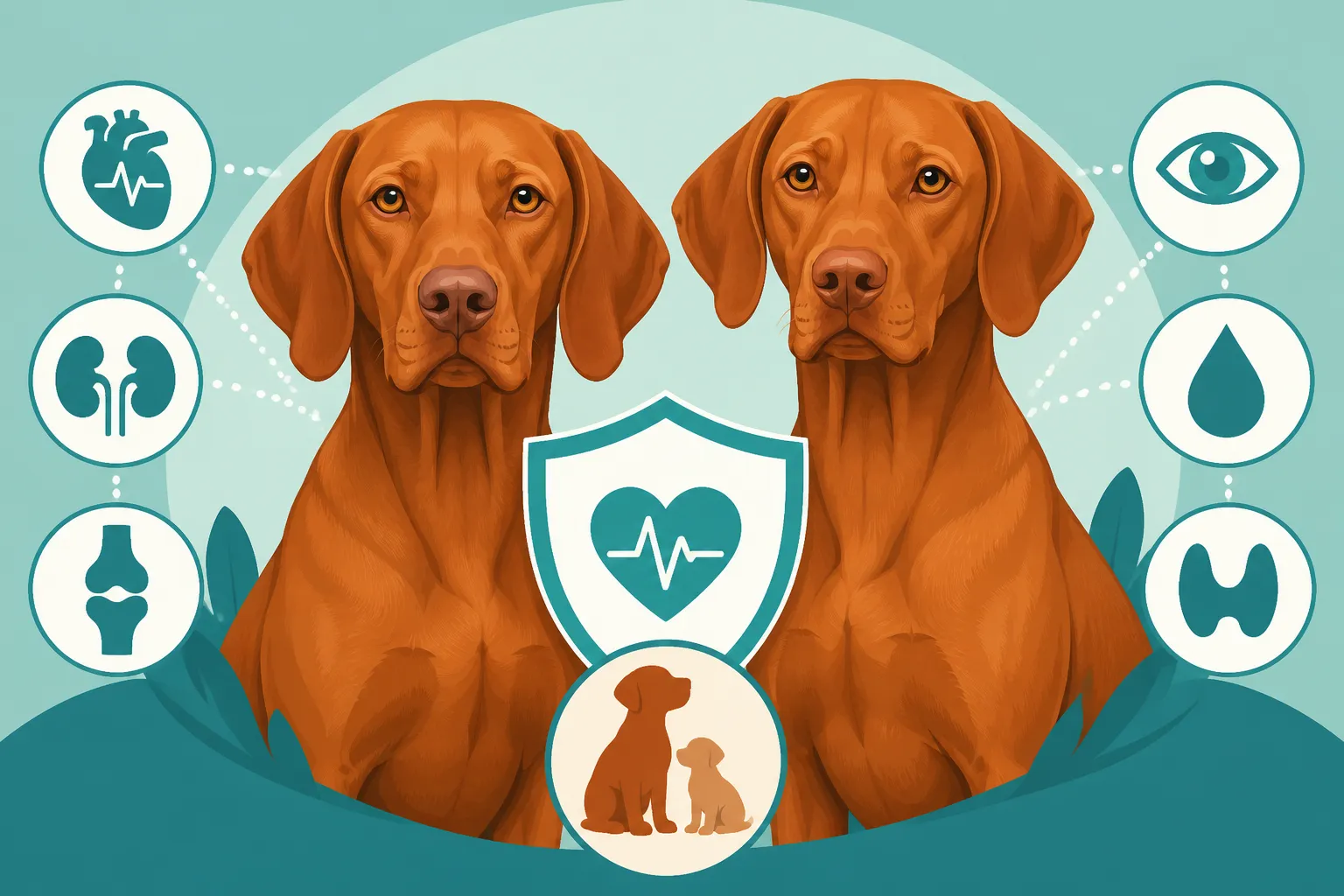
When you're looking at potential Vizsla parents, or if you're a breeder preparing your dogs, there's a standard set of health clearances that are widely recognized and recommended by the Vizsla Club of America (VCA) and the Orthopedic Foundation for Animals (OFA). These tests cover the most prevalent and impactful genetic conditions in the breed.
Orthopedic Evaluations: Hips and Elbows
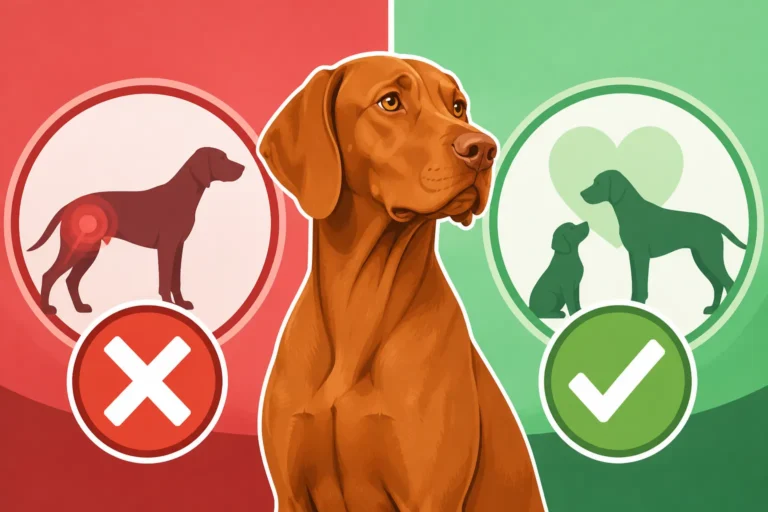
Vizslas are incredibly active dogs, known for their athleticism and speed. This high-impact lifestyle means their joints, especially their hips and elbows, are under a lot of stress. Hip and elbow dysplasia are unfortunately common conditions across many active breeds, including Vizslas.
- Hip Dysplasia: This condition involves the abnormal development of the hip joint, where the ball and socket don't fit together properly. Over time, this leads to painful arthritis, lameness, and reduced mobility. To screen for hip dysplasia, adult Vizslas (typically two years or older) undergo X-rays which are then evaluated by a panel of expert radiologists at the OFA. The hips are graded (Excellent, Good, Fair, Borderline, Mild, Moderate, or Severe). Only dogs with hips rated Fair or better should be bred. If you're wondering Whether a Vizsla Gets Hip Dysplasia, the answer is yes, and proper screening is crucial.
- Elbow Dysplasia: Similar to hips, elbow dysplasia refers to abnormalities in the elbow joint that can lead to arthritis and pain. Like hip evaluations, X-rays are taken and submitted to the OFA for grading. The elbows are scored as Normal, Grade I, Grade II, or Grade III. Only dogs with normal elbows (no evidence of dysplasia) should be used for breeding.
Both hip and elbow clearances require the dog to be at least two years old because the joints are still developing before that age, and results could be misleading.
Eye Examinations: OFA Eye Certification
Our Vizslas use their keen eyesight for everything from spotting birds in the field to finding dropped treats in the living room. Certain hereditary eye conditions can impact their vision and quality of life.
- OFA Eye Certification (CAER): This involves a thorough examination by a board-certified veterinary ophthalmologist. The exam screens for a range of conditions, including progressive retinal atrophy (PRA), cataracts, entropion, and ectropion. Progressive retinal atrophy, in particular, is a group of genetic diseases that cause the retina to degenerate, eventually leading to blindness. The examination should be done annually, as some conditions can develop later in life. A clear eye exam certificate indicates the dog is free from observable inherited eye diseases at the time of the exam. This is vital to prevent conditions like Whether a Vizsla Goes Blind From PRA.
Thyroid Function Testing: Hypothyroidism
The thyroid gland plays a critical role in regulating metabolism and overall health. Hypothyroidism, where the thyroid gland doesn't produce enough hormones, is a concern in Vizslas.
- OFA Thyroid Database: This involves a blood test to measure thyroid hormone levels. The results are evaluated to determine if the dog has normal thyroid function. Hypothyroidism can manifest with symptoms like lethargy, weight gain, poor coat quality, and skin issues. Dogs diagnosed with hypothyroidism should not be bred, even if they are successfully managed with medication, as the condition can be hereditary. It's recommended that breeding Vizslas have their thyroid tested annually or at least every other year, especially if you consider Whether a Vizsla's Thyroid Should Be Tested Yearly. This is a key part of screening, as issues like Thyroid Failure and the Vizsla's Coat can stem from this.
Canine Health Information Center CHIC Number
The Canine Health Information Center (CHIC), a program sponsored by the OFA and the AKC Canine Health Foundation, is an excellent resource for tracking completed health tests.
- CHIC Number Requirements: For a Vizsla to receive a CHIC number, it must have satisfactory clearances for hips, elbows, eyes, and thyroid. These results are publicly available in the OFA database, allowing prospective puppy buyers to easily verify the health testing of breeding dogs. Always ask a breeder for a CHIC number or proof of OFA health clearances; a responsible breeder will be happy to provide this information. This is why it's so important for Whether a Vizsla Breeder Should Show a CHIC Number.
Beyond Basic Tests: Considering Other Genetic Factors
While the core four (hips, elbows, eyes, thyroid) are fundamental, a truly comprehensive health strategy for Vizsla breeding acknowledges that other health concerns can pop up. Some conditions might not have direct genetic tests yet, or they might be less common but still impactful.
Expanding the Genetic Panel
The landscape of canine genetics is always evolving. New DNA tests are constantly being developed for various diseases. While not always a mandatory "clearance," responsible breeders stay abreast of new research and available tests.
- Genetic Diversity: Sometimes, focusing too narrowly on specific disease genes can inadvertently lead to a reduction in overall genetic diversity within a breed. Whether the Small Founding Population Explains It for certain conditions in Vizslas is a topic of ongoing discussion. Breeders may consider genetic diversity testing (e.g., through companies like Embark or Wisdom Panel) to help make breeding choices that maintain a robust gene pool, reducing the risk of concentrating other unknown or complex genetic issues. A diverse gene pool is a healthier gene pool in the long run, making the breed more resilient to future health challenges.
- Heart Health: Although not a mandatory OFA clearance for Vizslas, heart conditions, such as certain murmurs or arrhythmias, can affect any breed. Some breeders may choose to have their breeding stock screened by a veterinary cardiologist, particularly if there's any history of heart issues in the lines. This typically involves an echocardiogram and/or auscultation by a specialist. While Whether a Vizsla Gets a Heart Murmur can be a complex question, proactive screening adds another layer of confidence.
Considering Inflammatory Polymyopathy
Vizsla Inflammatory Polymyopathy (VIP), sometimes referred to as polymyositis, is a serious muscle disease that can affect the breed. It primarily impacts the muscles of the head and neck, leading to difficulties in swallowing and a distinctive facial appearance.
- No Direct Genetic Test (Yet): As of now, there isn't a definitive genetic test to screen for VIP, making it a particularly challenging condition for breeders to manage. While research is ongoing, breeders must rely on careful observation and knowledge of their lines. What Vizsla Inflammatory Polymyopathy Does and The Muscle Disease Named After the Vizsla are significant concerns. A strong indicator of a responsible breeder is their willingness to discuss this condition openly, acknowledging its presence in the breed and sharing any known history within their lines. If a dog in a line has been diagnosed with VIP, a responsible breeder will carefully evaluate breeding decisions to avoid perpetuating the condition.
Navigating the Results and Making Informed Choices
Understanding the tests is one thing, but knowing how to interpret the results and what questions to ask a breeder can feel like navigating a maze. It’s crucial to remember that clearances are a tool, not a guarantee, but they significantly stack the odds in favor of healthier puppies.
Interpreting OFA and CHIC Data
When you look at OFA results, you’ll often see terms like "OFA Excellent Hips" or "OFA Normal Elbows." A CHIC number signifies that all the recommended breed-specific health tests have been completed and the results are publicly available.
- Public Databases: The beauty of the OFA database is its transparency. You can search for a specific dog by name or registration number and see all their listed health clearances. If a breeder tells you their dogs are health tested, but you can’t find their information on the OFA website, that's a red flag. A legitimate clearance will have a public record. Don't be shy about asking to see the actual certificates or checking the database yourself. Remember, the goal is to look for dogs with passing results in all the required categories.
- Beyond Pass/Fail: While a "pass" is good, some breeders go further. For example, some might prefer to only breed dogs with "Excellent" hips, even though "Fair" is still considered passing. This reflects an extra level of commitment to orthopedic health. Discussing these nuances with a breeder can provide insight into their breeding philosophy and dedication to health. This diligent approach helps minimize the chance of expensive health issues later on, which can be reassuring when considering the financial aspect, even with robust pet insurance like Healthy Paws.
What Questions to Ask a Breeder
Finding a responsible breeder is paramount. Don't be afraid to ask detailed questions about their health testing protocols and the health history of their dogs. A good breeder will welcome your questions and be eager to share information.
- Specific Test Results: Ask for proof of OFA hip, elbow, and thyroid clearances, as well as current OFA Eye Certification (CAER) exams for both parents. Confirm that the dogs are at least two years old for hip and elbow evaluations. You should also ask Whether a Vizsla Breeder Screens for Thyroid.
- Health History of the Lines: Inquire about the health of the parents' siblings, grandparents, and previous litters. Are there any instances of The Cancers That Take a Vizsla Early, Epilepsy in a Vizsla, or Sebaceous Adenitis and the Vizsla That Loses Its Coat in their lines? While not every condition has a direct genetic test, a breeder who is open about health challenges in their lineage is often more trustworthy than one who claims their line has "no problems" – a statement that is rarely true for any breed.
- Breeding Philosophy: A truly dedicated breeder will have a clear philosophy on health and conformation. They should be able to articulate why they chose a particular pairing, what they hope to achieve, and how health testing plays into those decisions. They should also be able to explain their policy on puppies that develop hereditary conditions.
By taking the time to understand these health tests and engaging in thorough conversations with breeders, you're not just protecting your future puppy; you're also supporting ethical breeding practices that will benefit the entire Vizsla breed for years to come. Investing in a puppy from health-tested parents is one of the best ways to ensure your golden shadow lives a long, happy, and healthy life by your side.
| Health Test Category | Specific Test | Purpose of Test | Minimum Age for Clearance | CHIC Requirement |
|---|---|---|---|---|
| Orthopedic | OFA Hips | Screens for Hip Dysplasia | 24 Months | Yes |
| Orthopedic | OFA Elbows | Screens for Elbow Dysplasia | 24 Months | Yes |
| Ophthalmologic | OFA Eye (CAER) | Screens for inherited eye diseases (e.g., PRA, cataracts) | 12 Months (Annual) | Yes |
| Endocrine | OFA Thyroid | Screens for Hypothyroidism | 12 Months | Yes |
Disclaimer
The information provided in this guide is for general educational purposes only and should not be considered a substitute for professional veterinary advice. Always consult with a qualified veterinarian for any health concerns regarding your Vizsla.