Whether a Vizsla Gets Ear Infections
It’s a familiar, frustrating scenario for many Vizsla owners: your normally energetic, happy-go-lucky companion starts shaking their head, scratching frantically at their ears, or holding one ear at a strange angle. The culprit? Often, it’s an ear infection, a common and uncomfortable ailment that can leave both you and your beloved Vizsla feeling miserable. This guide aims to shed light on why Vizslas are particularly susceptible to ear infections, how to recognize the signs, and most importantly, how to treat and prevent them, ensuring your copper dog’s ears stay healthy and itch-free.
Why Vizslas Are Prone to Ear Infections
Vizslas, with their distinctive floppy ears and active lifestyles, unfortunately, have a few strikes against them when it comes to ear health. While no dog is entirely immune, understanding these predispositions can help you be more vigilant.
The Vizsla's Ear Anatomy
Take a good look at your Vizsla's ears. They're long, soft, and flop down over the ear canal, creating a warm, dark, and often humid environment. This isn't just a charming breed trait; it's a significant factor in their susceptibility to ear infections. Unlike breeds with erect, open ears that allow for plenty of airflow, a Vizsla's floppy ears act like little curtains, trapping moisture, warmth, and debris inside. This creates the perfect breeding ground for bacteria and yeast, which thrive in such conditions.
Think of it like a miniature greenhouse inside their ear. Good airflow is essential for keeping the ear canal dry and healthy, discouraging the overgrowth of these opportunistic microorganisms. When that airflow is restricted, as it is with a Vizsla's anatomy, the risk significantly increases. Their ears are not just about looks; The Single Coat a Vizsla Has and Why It Changes Everything also hints at how their specific physical traits influence their overall care needs, including their delicate skin and ear environment.
Allergies and Underlying Skin Conditions
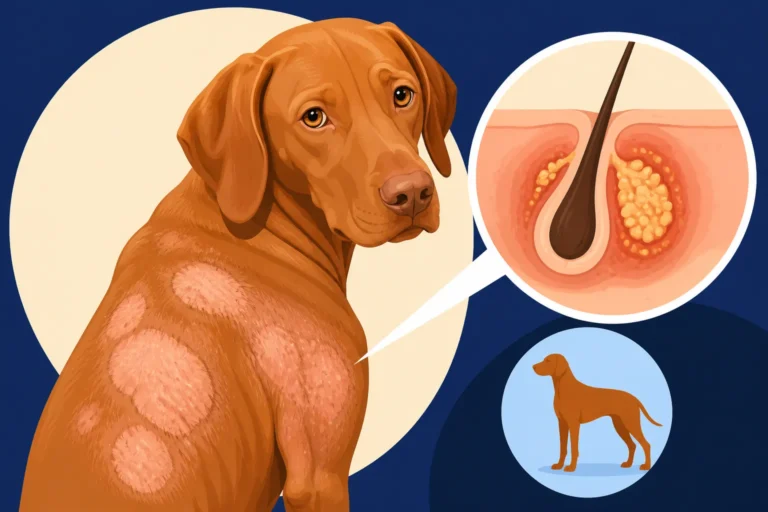
Many Vizslas, much to their owners' dismay, are predisposed to allergies. These can be environmental, food-related, or even contact allergies, and a common way they manifest is through skin and ear inflammation. When a Vizsla experiences an allergic reaction, their immune system goes into overdrive, leading to itching and inflammation not just on their skin, but often deep within their ear canals.
This inflammation changes the ear's internal environment, making it even more hospitable to infections. It's a vicious cycle: allergies cause inflammation, which then makes secondary bacterial or yeast infections more likely. If your Vizsla frequently battles ear infections, it's crucial to investigate potential underlying allergies. This is closely related to Why Vizslas Carry So Much Immune Disease and how Whether a Vizsla Gets Atopic Dermatitis are common concerns for the breed, often presenting with symptoms that include persistent ear problems. Managing these underlying sensitivities is key to breaking the cycle of recurring ear infections.
Moisture and Foreign Bodies
Vizslas are built for activity and often love water. Whether they're retrieving ducks from a pond, splashing in a lake on a hot day, or simply running through tall, dewy grass, their ears are frequently exposed to moisture. Water can easily get trapped in their deep ear canals, and combined with their floppy ear anatomy, it doesn't evaporate quickly. This trapped moisture provides an ideal damp habitat for bacteria and yeast to multiply rapidly, leading to infection.
Beyond water, their adventurous nature means they're constantly exploring fields, woods, and dense cover. During these excursions, tiny foreign bodies like grass seeds, burrs, or even small twigs can easily find their way into the ear canal. Once lodged, these irritants can cause trauma to the delicate lining of the ear, creating entry points for infection. They also cause intense irritation, leading to scratching and further damage. It's similar to how Whether a Vizsla Gets Grass Seeds in Its Feet is a common issue for their paws; these same outdoor elements pose a risk to their ears too.
Improper Cleaning or Lack Thereof
You might think that cleaning your Vizsla's ears regularly is always a good thing, but it's a bit of a Goldilocks situation: too much, too little, or the wrong kind of cleaning can all lead to problems. On one hand, neglecting ear hygiene, especially for a breed prone to infections, allows wax and debris to build up, creating a perfect environment for pathogens. This is why many owners wonder Whether a Vizsla's Ears Need Cleaning Weekly.
On the other hand, over-cleaning can strip the ear of its natural protective oils, irritate the delicate skin lining the canal, and disrupt the healthy microbiome, paradoxically making it more susceptible to infection. Using cotton swabs too deeply can push debris further in or even damage the eardrum. Harsh or inappropriate cleaning solutions can also cause chemical irritation. The key is finding the right balance and using vet-approved products and techniques that are gentle yet effective.
Spotting the Signs of an Ear Infection
Catching an ear infection early can make a world of difference in your Vizsla's comfort and the ease of treatment. Since our furry friends can't tell us what's wrong, it's up to us to be observant and recognize the subtle and not-so-subtle cues they give us.
Visual Cues and Odor
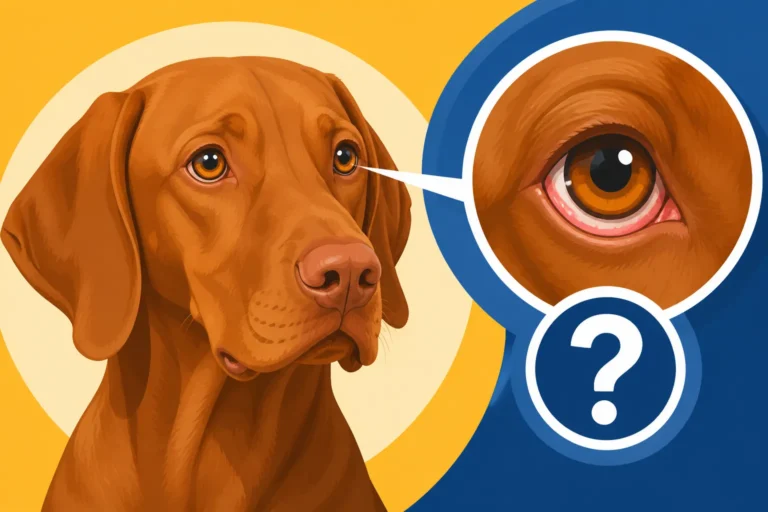
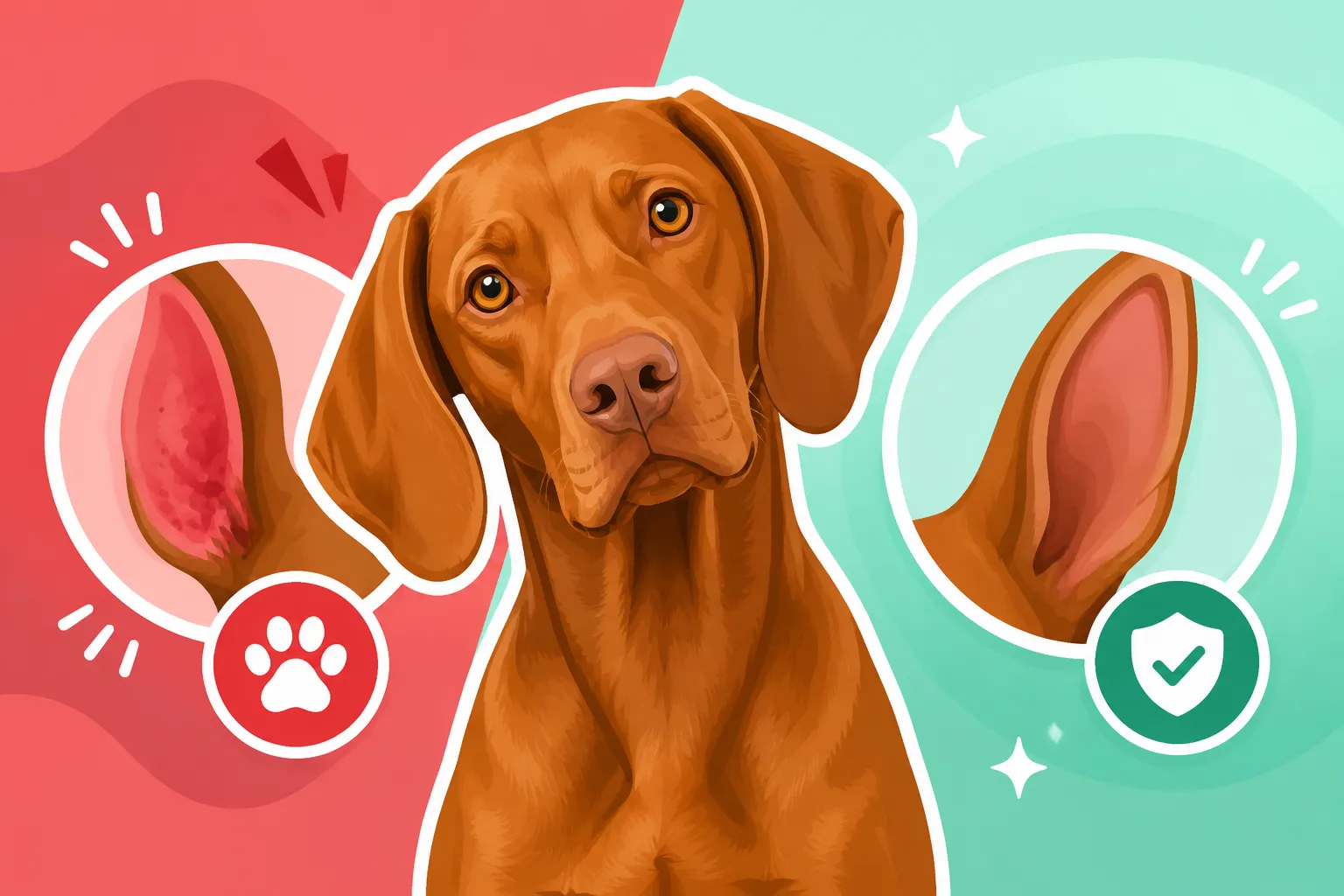
The first things you'll likely notice are changes in the appearance and smell of your Vizsla's ears. Start by gently lifting their ear flap and taking a peek inside. A healthy Vizsla ear canal should be a pale pink, clean, and have minimal, odorless wax. If you see redness, swelling, or crusting around the ear opening, these are immediate red flags.
Even more telling can be the discharge. It might be brown, black, yellow, or even green, and its consistency can range from waxy to pus-like. A particularly foul odor, often described as yeasty or simply "stinky," is another almost unmistakable sign of an infection. It's not just a little doggy smell; it's distinctly unpleasant and can even fill a room. If you notice any of these visual or olfactory changes, it's time to investigate further.
Behavioral Changes in Your Vizsla
Vizslas are expressive dogs, and their behavior will often be your first clue that something is amiss. One of the most common signs of an ear infection is persistent head shaking. It might start subtly, then become more frequent and vigorous as the discomfort increases. You might also see them scratching at their ears with a back paw, sometimes so intensely that they rub the fur raw or cause bleeding.
Beyond direct ear manipulation, you might notice more generalized behavioral shifts. Your usually cuddly Vizsla might become withdrawn or irritable, especially if you try to touch their head or ears. They might rub their head against furniture or the floor in an attempt to alleviate the itch. If the infection is painful, they might be reluctant to play, or seem generally lethargic. Any sudden change in your Vizsla's normal cheerful demeanor warrants a closer look at their ears and overall health.
Pain and Discomfort Indicators
Ear infections can be incredibly painful, and your Vizsla will try to communicate this pain, even if indirectly. If you attempt to touch or examine an infected ear, your dog might pull away sharply, yelp, or even snap out of pain (though this is rare unless the pain is severe and they are usually not a dog to snap, it’s a sign of significant distress). They might hold their head tilted to one side, favoring the painful ear, or seem generally off-balance.
Chewing can become difficult or painful if the infection is deep within the ear or if there's inflammation affecting the jaw muscles nearby. You might notice them dropping food or being hesitant to eat hard kibble. These signs indicate a significant level of discomfort and signal that veterinary attention is needed promptly. When a Vizsla is in pain, they might try to hide it, but these subtle clues can tell you a lot. While specific to a different condition, the concept of a Vizsla struggling to eat due to discomfort in the head/neck area is also seen in conditions like Whether a Vizsla With VIP Struggles to Eat, highlighting how pain can manifest in surprising ways.
Treatment and Prevention Strategies
Dealing with an ear infection is never fun, but with the right approach and a good partnership with your veterinarian, you can get your Vizsla back to comfort. More importantly, establishing a consistent prevention routine is key to avoiding future issues.
Veterinary Diagnosis and Treatment
If you suspect your Vizsla has an ear infection, your first step should always be a visit to your veterinarian. Self-diagnosing or trying to treat with home remedies can often do more harm than good. Your vet will conduct a thorough examination, including looking deep into the ear canal with an otoscope to check for foreign bodies, ruptured eardrums, or tumors. They'll also typically take a swab of any discharge for cytology – examining it under a microscope to identify whether the infection is bacterial, yeast, or both, and which specific types. This targeted approach ensures the correct medication is prescribed, which might include antibiotic or antifungal ear drops, or sometimes oral medications for more severe cases.
It’s important to complete the full course of medication, even if your Vizsla seems better after a few days, to ensure the infection is completely cleared. Follow-up appointments are often necessary to confirm the infection is gone and to discuss long-term prevention. Vet visits can add up, especially if your Vizsla is prone to recurrent infections or other breed-specific ailments. Many Vizsla owners wisely consider pet insurance, with companies like Healthy Paws offering plans that can help manage these costs. Thinking about What a Vizsla Costs a Year to Keep or the financial aspect of Insuring a Vizsla Against Immune Disease often includes budgeting for common health issues like ear infections.
At-Home Ear Care and Cleaning
Once your vet has diagnosed and prescribed treatment, they will likely give you specific instructions for at-home ear cleaning. This usually involves using a vet-approved ear cleaning solution designed to break down wax and debris without irritating the delicate ear canal. Gently massage the base of the ear, allow your Vizsla to shake their head, and then wipe away any loosened gunk with a soft cotton ball or gauze. Avoid cotton swabs, as they can push debris deeper or damage the eardrum.
Consistency is key, especially if your Vizsla is a swimmer or spends a lot of time in damp environments. After every swim or bath, make sure to thoroughly dry your Vizsla's ears with a towel, and consider using a drying ear solution specifically designed to remove moisture from the canal. This proactive step can prevent water from sitting in the ear and kickstarting an infection. It goes hand-in-hand with advice like Whether a Vizsla's Ears Should Be Dried After Water to prevent the perfect moist environment for bacteria and yeast.
Managing Allergies and Diet
If your Vizsla’s ear infections are recurrent, allergies are a very strong suspect. Working with your vet or a veterinary dermatologist to identify and manage these allergies is crucial. This might involve an elimination diet to pinpoint food sensitivities, environmental controls (like air purifiers or frequent cleaning), or even long-term allergy medications or immunotherapy. Addressing the root cause of the inflammation can significantly reduce the frequency and severity of ear infections.
Diet also plays a vital role in overall skin and coat health, which directly impacts ear health. A balanced, high-quality diet can support a healthy immune system and reduce inflammatory responses. Some Vizslas might benefit from supplements like omega-3 fatty acids, which have anti-inflammatory properties and can improve skin barrier function. If your Vizsla often has a Whether a Vizsla Has a Sensitive Stomach, you might find that managing their diet carefully helps not only their gut but also their skin and ears. This holistic approach is often part of Managing a Vizsla's Skin for Life.
Proactive Preventative Measures
Beyond specific treatments and allergy management, there are general proactive measures you can take to keep your Vizsla's ears healthy. Make regular ear checks a part of your daily or weekly grooming routine – a quick lift of the ear flap and a sniff can tell you a lot. Teach your Vizsla to be comfortable with ear handling from a young age, making future examinations much easier.
Avoid exposing your Vizsla to known irritants, such as harsh shampoos or chemicals that could accidentally enter the ear canal during bathing. If your Vizsla is often in the field, check their ears carefully for foreign bodies like grass seeds after each outing. Integrating preventative care into your routine, much like the commitment to a What a Vizsla's Yearly Checkup Costs or the general care involved in What Vizslas Are Most Often Treated For, is the best way to catch issues early and maintain their overall well-being. A stitch in time saves nine, and nowhere is that more true than with preventing a full-blown, painful ear infection.
Vizsla Ear Health Checklist
To help you stay on top of your Vizsla's ear health, here’s a quick checklist to guide your regular inspections and prompt action.
| Symptom Category | Healthy Ear | Potential Infection | Action Recommended |
|---|---|---|---|
| Appearance | Pale pink, clean, minimal light wax | Redness, swelling, crusting, excessive wax buildup | Vet visit soon |
| Smell | Mild, neutral, almost no odor | Strong, foul, yeasty, or sweet odor | Vet visit soon |
| Behavior | Normal, comfortable with ears handled | Persistent head shaking, scratching, rubbing ears, tilting head | Monitor closely; consult vet if persistent or worsens |
| Pain | No discomfort upon touch or movement | Whining, yelping, sensitive/flinching when ears are touched | Urgent vet visit |
| Discharge | None or very minimal, light brown/yellow wax | Brown, black, yellow, green, pus-like, excessive | Vet visit soon |
| Ear Canal | Open, clear, good airflow | Narrowed, inflamed, swollen | Vet visit soon |
Disclaimer
The information provided in this article is intended for general informational purposes only and is not a substitute for professional veterinary advice, diagnosis, or treatment. Always seek the advice of your veterinarian or other qualified animal health provider with any questions you may have regarding a medical condition or the health and welfare of your pet. Never disregard professional veterinary advice or delay in seeking it because of something you have read here.