Whether a Vizsla Gets Cataracts
It’s a moment that can make any Vizsla owner’s heart sink: you’re looking into those beautiful, soulful amber eyes that usually sparkle with intelligence and mischief, and you notice a subtle, milky cloudiness beginning to form. This isn't just a fleeting reflection; it's a persistent change that signals something deeper. The worry immediately sets in: is my Vizsla losing its sight? Can Vizslas get cataracts, and if so, what does that mean for their active, vibrant life? This comprehensive guide is here to shed light on cataracts in Vizslas, helping you understand what they are, how to spot them, and the options available to keep your beloved companion seeing the world as clearly as possible.
Understanding Cataracts in Vizslas: What Are They Really?
When we talk about cataracts, what we're actually describing is an opacity or clouding of the eye's natural lens. Think of it like looking through a window that’s slowly becoming frosted over – light can't pass through as easily, making vision blurry or, in severe cases, completely blocking it. For a Vizsla, a breed known for its keen eyesight and incredible field prowess, any impairment to their vision can be particularly distressing for both dog and owner. They rely so heavily on their sight for hunting, playing, and navigating their world with boundless energy.
How Cataracts Form and Affect Vision
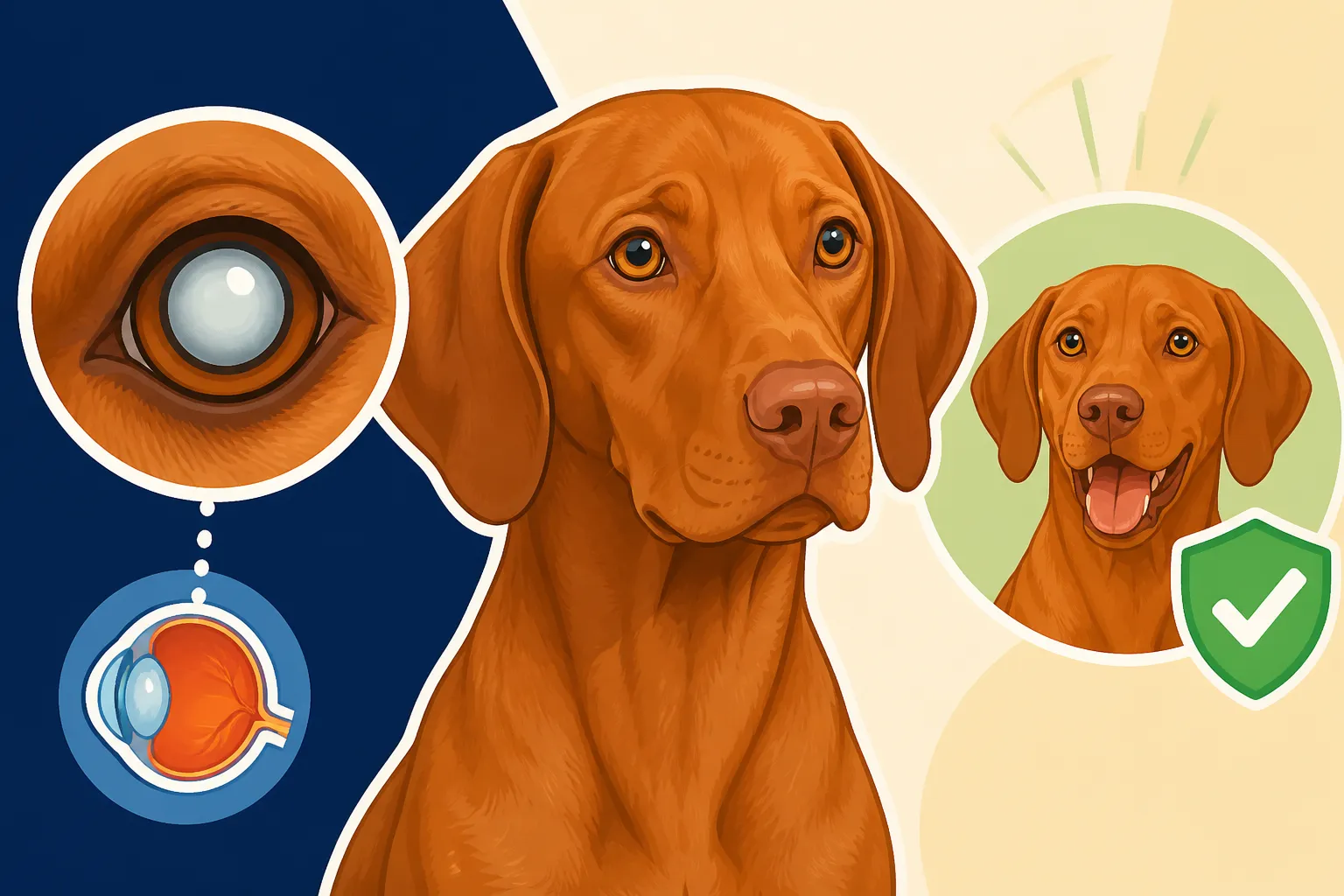
The lens of a dog's eye, just like ours, is normally clear and helps focus light onto the retina, which then sends signals to the brain to form an image. A cataract develops when the proteins within the lens start to break down and clump together. This clumping makes the lens opaque, hindering light from reaching the retina effectively. The degree of vision loss depends entirely on how much of the lens is affected and how dense the opacity is.
It's not an overnight process. Cataracts typically progress gradually. Initially, you might just notice a small, almost imperceptible haziness. As it grows, the cloudiness becomes more pronounced, often appearing as a white, grey, or bluish-white disc within the pupil. For an active breed like the Vizsla, even partial vision loss can impact their ability to track a bird, navigate dense cover, or even play fetch with their usual precision. They might start to hesitate going down stairs, bump into furniture, or seem less confident in unfamiliar environments, especially at dusk or in low light. These subtle changes can be heartbreaking to observe, especially knowing how much joy your Vizsla derives from being alert and agile.
Common Causes of Cataracts in Dogs, Including Vizslas
Cataracts aren't exclusive to Vizslas; they're a common eye condition across many dog breeds and can arise from several factors. Understanding the root cause is crucial for diagnosis and treatment planning.
One of the most frequent causes is simply age. As dogs get older, the lens can naturally harden and become more opaque, a condition often referred to as nuclear sclerosis. This is distinct from a cataract, as nuclear sclerosis usually only causes mild vision impairment, like presbyopia in humans, whereas cataracts actively block light. However, true age-related cataracts can also develop alongside or after nuclear sclerosis. Considering that The Twelve to Fourteen Years a Vizsla Lives, age is certainly a factor for any senior Vizsla.
Another significant cause, and one that Vizsla owners should be particularly aware of, is diabetes mellitus. If your Vizsla is diagnosed with diabetes, cataracts can develop incredibly quickly – sometimes within weeks or months. The high sugar levels in the blood lead to an accumulation of sorbitol in the lens, which draws water into the lens, causing the proteins to denature and cloud. If you're managing a diabetic Vizsla, vigilant monitoring of their eyes is paramount.
Cataracts can also be hereditary. While Vizslas aren't typically cited as a breed with a widespread, dominant gene for early-onset hereditary cataracts like some other breeds (e.g., Boston Terriers, Afghan Hounds, Miniature Poodles), individual lines within the breed can certainly carry genes predisposing them to juvenile cataracts, which appear in young dogs, often before two years of age. This highlights the importance of The Health Tests Both Vizsla Parents Should Have before breeding.
Other potential causes include trauma to the eye (a bump, scratch, or foreign body), inflammation within the eye (uveitis), nutritional deficiencies (though less common with commercially prepared diets), or even exposure to toxins. In some cases, cataracts can develop secondary to other underlying eye conditions or diseases, so a thorough veterinary examination is always necessary to get to the bottom of things. It’s important not to assume a cause, but rather to partner with your vet to rule out systemic issues that might be contributing to the eye changes.
Recognizing the Signs and Getting a Diagnosis
Noticing changes in your Vizsla's eyes or behavior can be unsettling. Their inherent drive and intelligence often mean they're good at masking discomfort or adapting to subtle changes, so catching early signs requires a keen eye from you. Don't dismiss a slight cloudiness or a momentary hesitation; these could be crucial clues. Regular checks, like the Whether a Vizsla Needs a Yearly Eye Exam, are key.
Early Indications of Developing Cataracts
The most obvious visual cue is the cloudy or opaque appearance within the pupil. It might start as a small speck, a shimmering halo, or a diffuse haze that becomes more pronounced over time. The color can vary from white to bluish-grey. Sometimes, you'll only notice it in certain lighting conditions, perhaps when light hits their eyes just right.
Beyond the physical appearance of the eye, observe your Vizsla's behavior closely. As their vision deteriorates, especially in dim light, you might start to see changes in their confidence and agility. A Vizsla who used to bound through the yard with abandon might start to hesitate at doorways, trip over familiar objects, or bump into furniture. They might be more reluctant to go down stairs or jump off the couch. Their ability to catch a thrown toy in mid-air might diminish, or they might seem to misjudge distances.
For a hunting Vizsla, these changes are even more critical. They might start to struggle to track birds in flight or on the ground, become disoriented in thick cover, or seem less efficient in their search patterns. You might notice they rely more on their nose than their eyes, even in situations where sight was previously dominant. This can be frustrating for them, and you might see signs of increased anxiety or confusion in situations they once handled with ease.
It's also worth noting if they're displaying any signs of discomfort, such as rubbing their eyes, squinting, or increased tearing. While these aren't direct signs of cataracts, they could indicate an underlying issue causing the cataract or a secondary problem like inflammation.
The Importance of a Professional Veterinary Examination
As soon as you suspect any eye issue, it's vital to schedule an appointment with your veterinarian. Don't wait, hoping it will resolve on its own. Early diagnosis is key to understanding the cause and exploring treatment options. Your regular vet will perform a general physical exam, paying close attention to your Vizsla's eyes. They will likely use an ophthalmoscope to look into the eye and assess the lens.
They will also perform a thorough history intake, asking about the onset of symptoms, any changes in behavior, your Vizsla's diet, and any other health conditions, such as diabetes. They might also check your Vizsla's blood glucose levels to rule out undiagnosed diabetes if cataracts are present, especially if they are rapidly progressing.
If your vet confirms the presence of cataracts or suspects a more complex eye condition, they will most likely recommend a referral to a veterinary ophthalmologist. This specialist has advanced training and equipment to perform a much more detailed examination of the eye. They can differentiate between nuclear sclerosis (a normal aging change) and true cataracts, determine the type and maturity of the cataract, and assess the overall health of the eye, including the retina, which is crucial for predicting the success of any potential surgery.
The ophthalmologist might perform several specialized tests, including:
- Schirmer Tear Test: Measures tear production to rule out dry eye.
- Tonometry: Measures intraocular pressure to check for glaucoma.
- Electroretinography (ERG): Measures the electrical activity of the retina. This is particularly important before cataract surgery to ensure the retina is healthy enough to receive images once the lens is cleared. If the retina is not functional, cataract surgery would not restore vision.
- Ocular Ultrasound: Allows the ophthalmologist to see behind dense cataracts that obscure the view of the retina, identifying any retinal detachments or other issues.
This comprehensive evaluation by a specialist is crucial for developing an accurate prognosis and the most effective treatment plan for your Vizsla, giving you peace of mind that you're pursuing the best possible care.
Managing and Treating Cataracts in Your Vizsla
Discovering your Vizsla has cataracts can be a heavy blow, especially if their vision loss is significantly impacting their quality of life. The good news is that there are options, and a dedicated team of veterinary professionals can help guide you through them. The approach taken will depend on the type, cause, and maturity of the cataracts, as well as your Vizsla's overall health and your family's circumstances.
Surgical Intervention: The Most Effective Treatment
For cataracts that significantly impair vision, surgical removal is the only truly effective treatment to restore sight. This is a specialized procedure performed by a veterinary ophthalmologist, similar to cataract surgery in humans. The most common technique is called phacoemulsification, where a small incision is made in the eye, and an ultrasonic probe is used to break up the cloudy lens, which is then aspirated out. Once the natural lens is removed, an artificial intraocular lens (IOL) is usually implanted to restore proper focusing ability.
The decision for surgery is a significant one, both emotionally and financially. It’s important to have a frank discussion with your veterinary ophthalmologist about the risks, potential complications, and expected outcomes. Not every Vizsla is a candidate for surgery. Dogs with severe retinal disease, chronic eye inflammation, or uncontrolled systemic illnesses (like diabetes) might not be good candidates. Success rates are generally high, often over 90%, especially when cataracts are treated early.
Post-operative care is intensive and crucial for success. Your Vizsla will require multiple eye drops administered several times a day for weeks or months, as well as oral medications. Regular follow-up appointments with the ophthalmologist are also necessary to monitor healing and manage any potential complications, such as inflammation or glaucoma. The commitment from the owner is substantial, but for many Vizslas, the return of sight is nothing short of miraculous, allowing them to return to their active lives, including, for some, even The Old Vizsla That Still Wants to Hunt.
Non-Surgical Options and Supportive Care
While surgery is the only way to remove existing cataracts, there are situations where it might not be feasible or desired. For instance, if the cataracts are very small and not significantly impacting vision, if the Vizsla has other serious health issues, or if the owners decide against surgery for personal reasons.
In such cases, the focus shifts to supportive care and managing the Vizsla's environment to ensure their safety and quality of life. There are no scientifically proven eye drops or medications that can dissolve existing cataracts. However, some veterinarians might prescribe anti-inflammatory eye drops if there's concurrent inflammation, or drops to dilate the pupil (like atropine) in very specific circumstances to allow light to pass around a small central cataract. These are palliative measures and do not cure the cataract itself.
For Vizslas living with vision impairment or blindness, adapting their home environment is paramount. Keep furniture and dog beds in consistent locations. Use scent cues (like essential oils or diffusers in specific areas) or textured mats to mark important spots like food bowls or stairs. Consider installing baby gates to block off dangerous areas, and always supervise them closely outdoors, especially in new environments. A harness with a sturdy handle can be invaluable for guiding them.
Encourage other senses. Engage them with squeaky toys, scent games, and vocal commands. Their incredible nose and hearing can compensate remarkably for lost sight. Maintaining a consistent routine also helps reduce anxiety in visually impaired dogs. Remember, your Vizsla still wants to be an engaged member of the family, even if their mode of interaction changes.
Financial Considerations and Pet Insurance
The cost associated with cataract diagnosis and treatment can be substantial. A full ophthalmic work-up by a specialist can cost several hundred dollars. If surgery is chosen, the price tag can easily run into the thousands of dollars per eye, ranging from $2,500 to $4,000 or more, depending on the veterinary practice, the region, and whether one or both eyes are done. This doesn't even include the extensive post-operative medications and follow-up visits.
This is where a good pet insurance policy can be a lifesaver. Providers like Healthy Paws offer comprehensive coverage that can help mitigate these unexpected veterinary costs. Many policies, including those from Healthy Paws, will cover the diagnosis and treatment of conditions like cataracts, provided the condition isn't pre-existing before enrollment. It's always wise to enroll your Vizsla in pet insurance when they are young and healthy to ensure coverage for potential future ailments. When considering What a Vizsla Costs a Year to Keep, potential medical expenses like cataract treatment are a significant factor to budget for.
Before any major procedure, thoroughly review your insurance policy or contact your provider, such as Healthy Paws, to understand what is covered, your deductible, and reimbursement rates. Planning ahead can alleviate a tremendous amount of financial stress, allowing you to focus on your Vizsla's recovery.
Preventing and Preparing for Eye Health Challenges
While not all causes of cataracts are preventable, especially age-related or some hereditary forms, there are proactive steps Vizsla owners can take to monitor their dog's eye health and prepare for potential challenges. Being vigilant and working closely with your vet can make a significant difference in catching issues early and managing them effectively.
Proactive Eye Health Monitoring
Regular at-home eye checks should be a part of your grooming routine. Get your Vizsla comfortable with having their eyes gently examined. Look for any changes in clarity, discharge, redness, squinting, or pawing at the face. Compare one eye to the other – sometimes subtle changes are easier to spot when you have a baseline.
Beyond your daily checks, adherence to regular veterinary check-ups is paramount. During these annual visits, your vet will perform a basic eye examination. Don't hesitate to ask them to pay particular attention to their eyes, especially as your Vizsla ages. As we discussed earlier, an annual eye exam is highly recommended for all dogs, and especially important for breeds that might be prone to certain conditions.
For a breed as active as the Vizsla, especially those who spend time in the field, regular post-hunt checks are essential. Small scratches or foreign bodies (like grass seeds) can cause inflammation or trauma that could lead to cataracts. Always check for Whether a Vizsla Gets Grass Seeds in Its Feet and around the eyes after a day out. Prompt treatment of any eye injury or infection can prevent secondary complications.
Monitoring for systemic diseases is also key. Regular blood work as part of What Vizslas Are Most Often Treated For can help detect conditions like diabetes early, which is a major risk factor for cataracts. If your Vizsla is diagnosed with diabetes, meticulous management of their blood sugar levels is the best defense against diabetic cataracts.
Genetic Screening and Responsible Breeding
For hereditary forms of cataracts, responsible breeding practices are the most powerful preventative tool. If you are considering purchasing a Vizsla puppy, always choose a reputable breeder who performs comprehensive health screenings on their breeding stock. The Canine Health Information Center (CHIC) program, co-sponsored by the Orthopedic Foundation for Animals (OFA) and the AKC Canine Health Foundation, provides a standardized set of health clearances for various breeds. For Vizslas, this often includes hip, elbow, and thyroid evaluations, and increasingly, eye certifications through the OFA Eye Certification Registry (formerly CERF).
This involves a board-certified veterinary ophthalmologist examining the eyes of breeding dogs annually to screen for inherited eye diseases, including cataracts. Breeders should be transparent about these results and be able to provide documentation for both parents. While a "clear" certification doesn't guarantee a puppy will never develop an eye issue, it significantly reduces the risk of inherited forms of cataracts and other conditions like Whether a Vizsla Gets Progressive Retinal Atrophy.
When you choose a breeder, don't be afraid to ask detailed questions about the health history of the puppy's parents, grandparents, and any siblings from previous litters. A good breeder will be open and knowledgeable about the health concerns in their lines and the breed as a whole. This diligence helps ensure that you are bringing home the healthiest possible Vizsla puppy, reducing the likelihood of encountering costly and heartbreaking hereditary health issues later in life.
Adapting to Vision Loss and Maintaining Quality of Life
Even with the best preventative care, some Vizslas will inevitably face vision impairment due as they age, especially during The Old Vizsla That Still Wants to Hunt years. It's crucial to remember that a Vizsla can still live a full and happy life with reduced or even no vision. Their adaptability, coupled with their strong bond with their owners, allows them to navigate their world with surprising grace.
Beyond the environmental adjustments mentioned earlier, your attitude and consistency are perhaps the most important factors. Remain calm, use clear verbal cues, and maintain routines. Your Vizsla will pick up on your confidence and reassurance. Many owners find that a blind dog's other senses, particularly their hearing and sense of smell, become incredibly heightened. This means they might enjoy new types of enrichment, like advanced scent work or auditory toys, even more.
Consider joining online support groups or local communities for owners of blind dogs. Sharing experiences and tips can provide invaluable emotional support and practical advice. Watching your Vizsla adapt and thrive despite vision challenges can be an incredibly rewarding experience, deepening the bond you share and highlighting their remarkable resilience.
Disclaimer
This article is intended for informational purposes only and does not constitute veterinary advice. Always consult with a qualified veterinarian or veterinary ophthalmologist for any health concerns or before making any decisions about your Vizsla's care.