Whether a Vizsla Goes Blind From PRA
The fear that your beloved Vizsla might lose their eyesight is a truly heartbreaking thought. These dogs are so reliant on their keen senses, their agility, and their ability to scan the horizon for a bird or a playmate. When you consider their active, adventurous spirit, the idea of them navigating the world without their vision can bring a lump to your throat. While no owner wants to contemplate such a future, understanding conditions like Progressive Retinal Atrophy (PRA) can empower you to recognize early signs, support your dog, and make informed choices, especially if you're looking for a puppy. This comprehensive guide will walk you through what PRA is, its prevalence in Vizslas, how to spot it, and how to ensure your Vizsla continues to live a full and happy life, even if their sight diminishes.
Understanding Progressive Retinal Atrophy (PRA)
Progressive Retinal Atrophy (PRA) isn't a single disease, but rather a blanket term for a group of inherited eye disorders that cause the retina to degenerate. Think of the retina as the film in a camera – it's the light-sensitive tissue at the back of the eye that captures images and sends them to the brain. When this critical component starts to fail, vision gradually declines, ultimately leading to blindness. It's a cruel condition because it often takes away a dog's sight over time, making the loss a slow, agonizing process for both dog and owner.
What PRA Actually Is
At its core, PRA involves the deterioration of the photoreceptor cells within the retina. These cells are essentially the light-detectors of the eye: rods, which are responsible for vision in low light (night vision), and cones, which handle bright light and color perception. In most forms of PRA, the rod cells are affected first, leading to initial signs of night blindness. This means your Vizsla might start to bump into furniture in dimly lit rooms or become hesitant to go outside after dusk. As the disease progresses, the cone cells also begin to degenerate, eventually leading to complete blindness, even in daylight.
This degeneration isn't due to injury or infection; it's a genetic blueprint gone awry. The cells either fail to develop correctly in the first place (early-onset PRA) or they develop normally but then begin to break down over time (late-onset PRA). It's a relentless process, and unfortunately, there's no cure for the retinal damage itself.
Different Forms and Progression
There are several different genetic mutations that can cause PRA, and the specific mutation often dictates the age of onset and the rate of progression. Some forms of PRA manifest in puppies, leading to blindness by a year or two of age, while others might not show symptoms until a dog is middle-aged or even senior. This variability makes it challenging, as dogs can appear perfectly healthy for years before the subtle signs begin to surface. The most common presentation begins with nyctalopia (night blindness). Owners often notice their dog hesitating on stairs or becoming disoriented in familiar surroundings when the lights are low.
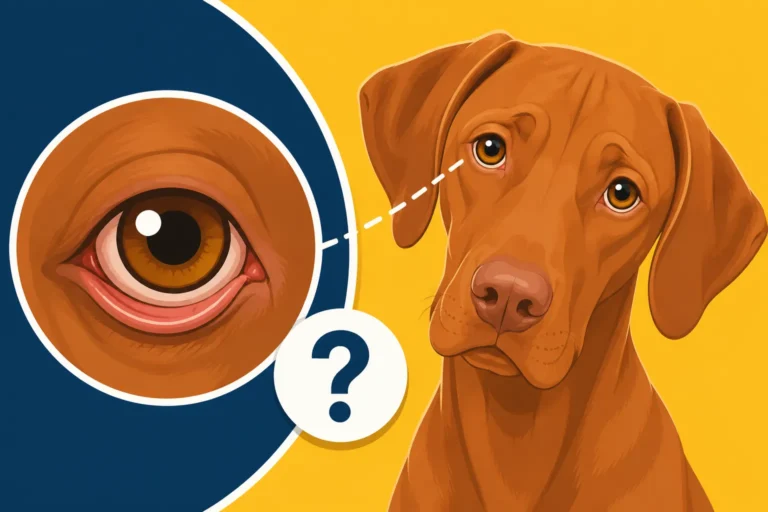
As the condition advances, the dog's pupils often become increasingly dilated as their eyes try to gather every last bit of available light. The tapetum lucidum, a reflective layer behind the retina, becomes more prominent, sometimes giving the dog's eyes an unusually bright, reflective "glowing" appearance in photos or at night. This is often followed by day blindness, where even in bright light, their vision becomes severely impaired. Eventually, for most dogs with PRA, total blindness is the outcome.
How PRA Impacts a Vizsla's Vision
For an active, intelligent breed like the Vizsla, the gradual loss of vision can be particularly challenging. Their world is often defined by what they see – the darting pheasant, the thrown dummy, the familiar path through the woods. The initial night blindness can be quite disorienting. A Vizsla who once bounded fearlessly through the yard at dusk might now hesitate, bumping into known objects or becoming more clingy and anxious in low-light conditions. They might become reluctant to go into unfamiliar dark spaces.
As daylight vision deteriorates, they start to rely much more heavily on their other senses. Their exceptional sense of smell, their acute hearing, and their tactile whiskers become their primary tools for navigation. You might notice them sniffing the ground more intently, listening for your voice or the rustle of leaves, and moving more cautiously. This doesn't mean their quality of life is over, but it does mean their environment and your interactions with them will need to adapt considerably to support their changing needs.
Is PRA a Significant Risk for Vizslas?
It's natural to wonder how susceptible your Vizsla might be to a debilitating condition like PRA. When considering breed-specific diseases, PRA is often mentioned prominently for breeds like Labrador Retrievers, Irish Setters, and Portuguese Water Dogs, where specific genetic tests are readily available and widely used. For Vizslas, the situation is a bit different.
Is PRA a Common Concern for Vizslas?
While Vizslas can, like any breed, theoretically be affected by various eye conditions, Progressive Retinal Atrophy is not typically listed as one of the breed's most prevalent or genetically identified eye diseases. This doesn't mean it's impossible for a Vizsla to develop PRA, but rather that there isn't a universally recognized, widespread genetic marker for a specific form of PRA that is highly prevalent within the Vizsla population, unlike some other breeds. The primary eye concerns often highlighted for Vizslas tend to be more related to conditions like entropion or ectropion, or occasionally cataracts, rather than generalized PRA. However, any responsible breeder will still pay close attention to the eye health of their breeding stock.
The good news here is that you don't generally need to live in constant fear that your Vizsla is on an inevitable path to blindness due to PRA. However, diligence regarding regular veterinary check-ups and asking about eye health in a puppy's lineage remains paramount.
The Genetics Behind Vizsla PRA
When PRA occurs, it is almost always inherited, typically as an autosomal recessive trait. This means that a dog must inherit two copies of the faulty gene (one from each parent) to develop the disease. Dogs with only one copy of the faulty gene are carriers; they won't develop PRA themselves, but they can pass the gene on to their offspring. If two carriers are bred together, there's a 25% chance per puppy that they will develop PRA, a 50% chance they will be carriers, and a 25% chance they will be clear.
Because PRA is not one of the more common or specifically identified genetic conditions with a known, widely tested gene marker for Vizslas, breeders focus on broader ophthalmic screening. If a specific genetic test for a form of PRA did become prevalent and available for Vizslas, responsible breeders would certainly incorporate it into their health testing protocols to eliminate affected and carrier dogs from the breeding pool. For now, the focus is on clinical examination by veterinary specialists.
The Role of Responsible Breeding
Even without a specific, widely available genetic test for PRA in Vizslas, responsible breeders play a crucial role in minimizing the risk of various eye conditions. This is done through comprehensive eye examinations by board-certified veterinary ophthalmologists. These specialists perform thorough exams, often referred to as OFA Eye Certifications (previously CERF exams), on breeding dogs to screen for inherited eye diseases, including various forms of retinal disease, cataracts, and other structural abnormalities.
A breeder committed to the health of the breed will ensure that their breeding stock has up-to-date eye certifications. They should be transparent about the results of these tests and be able to provide documentation. This practice, while not specifically looking for a "Vizsla PRA gene," helps identify any dog showing signs of retinal degeneration that might be consistent with PRA or other inherited eye conditions, thereby preventing them from passing on those traits. When looking for a puppy, always ask about the parents' health clearances, including eye exams. This is a critical step to ensure you're bringing home the healthiest possible companion, and can potentially help avoid costly treatments down the line that a pet insurance plan like Healthy Paws might otherwise cover. You can find more information on general eye health in our guide on Eye Disease in a Vizsla.
Recognizing Symptoms and Seeking Diagnosis
Catching any health issue early is always beneficial, and this holds true for eye conditions. While PRA might not be at the top of the list of common Vizsla ailments, knowing what to look for can help you advocate for your dog if their vision seems to be changing.
Early Warning Signs to Watch For
The earliest and most common sign of PRA is often night blindness. Your Vizsla, who once navigated your home with ease in the dark, might start:
- Hesitating or bumping into objects in low-light conditions, especially in familiar environments.
- Being reluctant to go outside after dusk or refusing to enter dark rooms.
- Becoming more clingy or anxious when lighting is poor, seeking out your presence for reassurance.
- Their pupils appearing more dilated than usual, even in moderately lit environments, as their eyes try to compensate for the lack of light detection.
As the disease progresses and impacts daylight vision, you might notice:
- General clumsiness during the day, bumping into furniture, walls, or even people.
- Difficulty finding dropped treats or toys if they don't land directly in front of them.
- Disorientation in new environments, even with good lighting.
- A "glow" in their eyes when light hits them a certain way, due to the increased prominence of the tapetum lucidum. This can be more noticeable in photos.
The Diagnostic Process
If you notice any of these signs, your first step should be a visit to your regular veterinarian. They will perform a general eye examination and may refer you to a veterinary ophthalmologist, a specialist in animal eye care. The ophthalmologist has specialized equipment and expertise to diagnose retinal diseases accurately.
The primary diagnostic tools include:
- Ophthalmoscopy: The ophthalmologist uses a special scope to look directly at the retina, assessing its structure and health. In dogs with PRA, the retina may appear thinned, and the blood vessels supplying it might be attenuated (narrowed).
- Electroretinography (ERG): This is the most definitive test for PRA. It measures the electrical activity of the retina's photoreceptor cells in response to flashes of light. If the cells are degenerating, their electrical response will be diminished or absent, confirming the diagnosis of PRA. This test usually requires sedation.
- Genetic Testing: If a specific genetic test for a form of PRA is available for Vizslas (or if a particular form known to affect Vizslas exists, even if rare), the ophthalmologist might recommend it. However, as noted, these are not as common for Vizslas as for some other breeds.
Differentiating PRA from Other Eye Issues
It's important to remember that not all vision loss or eye problems are PRA. Other conditions can cause similar symptoms or contribute to overall eye issues in your Vizsla. These include:
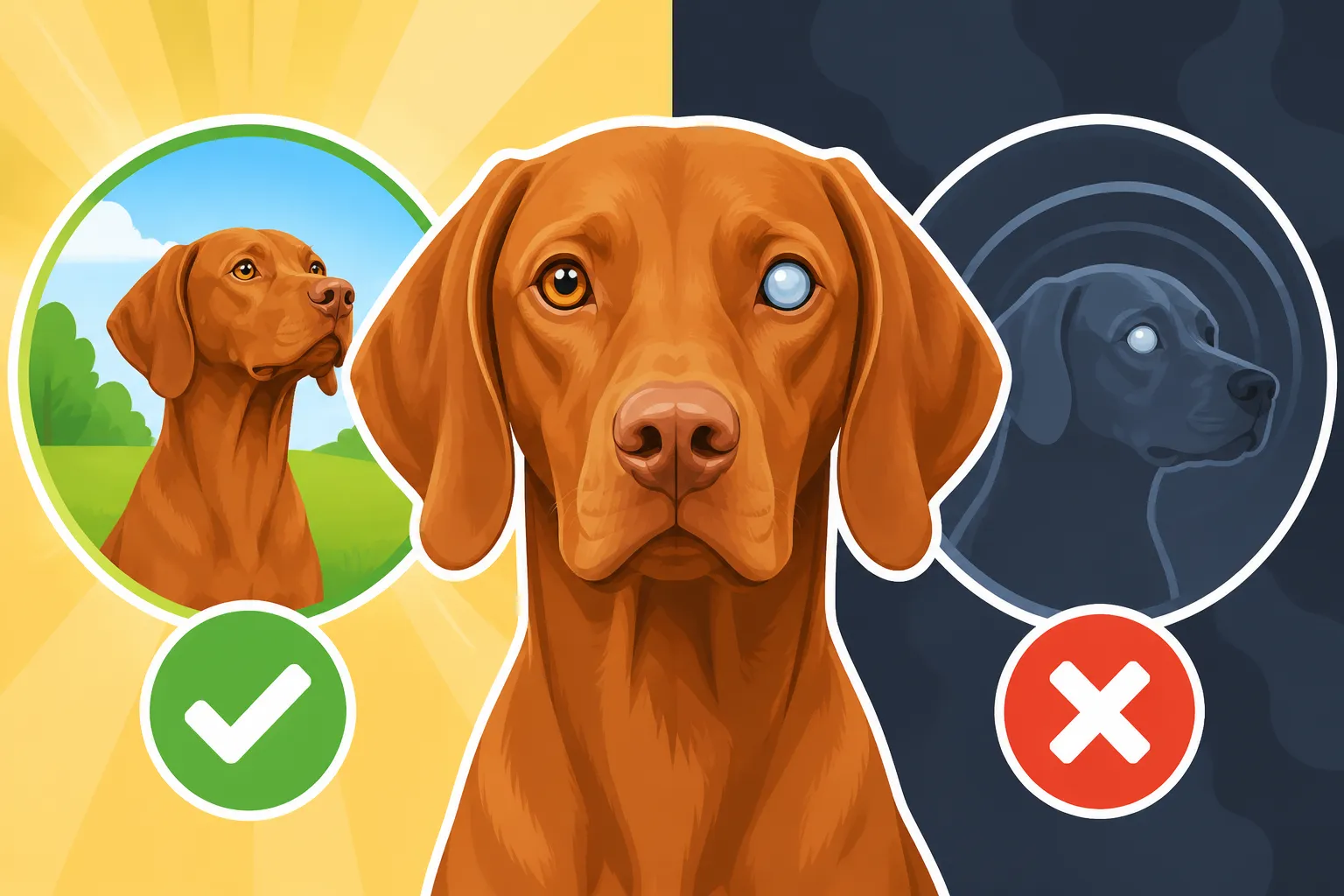
- Cataracts: Clouding of the lens of the eye, which can block light from reaching the retina. Cataracts often appear as a milky or bluish-white opacity within the pupil. Unlike PRA, cataracts can often be surgically treated.
- Glaucoma: A painful condition caused by increased pressure within the eye, leading to damage of the optic nerve and retina. Glaucoma can cause sudden blindness and requires immediate veterinary attention.
- Sudden Acquired Retinal Degeneration Syndrome (SARDS): This condition causes a rapid onset of blindness, often over days to weeks. The retina appears normal on ophthalmoscopic exam, but the ERG will show no retinal activity. SARDS is not inherited.
- Nutritional Deficiencies: While rare in commercially fed dogs, severe deficiencies in certain vitamins (like Vitamin A) can affect vision.
A veterinary ophthalmologist is best equipped to distinguish between these conditions and provide an accurate diagnosis. Regular eye exams, especially as your Vizsla ages, are beneficial for catching any developing issues. You might want to read our article on Whether a Vizsla Needs a Yearly Eye Exam for more details on preventative care.
Supporting a Vizsla Through Vision Loss
Receiving a diagnosis of PRA or realizing your Vizsla is losing their sight can be devastating. However, it's crucial to remember that dogs are incredibly adaptable, and a blind Vizsla can still live a wonderfully happy and fulfilling life with the right support and adjustments. Their world may change, but their capacity for joy and connection remains.
Adapting Your Home Environment
The key to helping a blind Vizsla is to create a safe, predictable, and comfortable environment. Here are some practical steps:
- Maintain Consistency: Once you arrange your furniture, try to keep it that way. Every piece of furniture becomes a landmark for your dog. Moving things around can cause anxiety and bumps.
- Safety Gates: Use baby gates to block off stairs, dangerous areas (like pools), or rooms that aren't necessary for them to navigate independently.
- Soft Barriers: Consider adding soft covers or bumpers to sharp furniture corners to minimize injury from accidental bumps.
- Scent and Texture Markers: Dogs rely heavily on smell. You can place different scented items (e.g., a few drops of vanilla extract on a cotton ball) near doorways or steps to help them orient themselves. Placing mats or rugs with different textures at the top and bottom of stairs, or before obstacles, can also provide tactile cues.
- Clear Pathways: Keep floors clear of clutter, shoes, or anything that could become a tripping hazard.
- Outdoor Safety: If you have a yard, ensure it's securely fenced. Consider a separate, smaller, extremely secure run for unsupervised outdoor time, or always supervise them closely on a leash.
- Sound Cues: Utilize sound. Jingling keys, talking to your dog as you move around, or even playing soft music can help them track your location and feel less alone.
Maintaining Quality of Life
A Vizsla's spirit is indomitable, and even without sight, they crave activity, mental stimulation, and affection.
- Routine is King: Stick to a consistent daily routine for feeding, walks, and playtime. Predictability reduces anxiety for blind dogs.
- Leash Walks: Continue to take them on walks, exploring familiar routes and introducing new, safe, and interesting sniff-spots. A long lead in a secure field can allow them to explore safely by scent.
- Verbal Cues: Teach or reinforce verbal cues like "step up," "step down," "wait," "stop," "left," and "right" to guide them. Reward heavily for listening.
- Scent Games and Puzzle Toys: These are fantastic for mental stimulation. Hide treats around the house and encourage them to "find it" using their nose. Snuffle mats and puzzle feeders are also excellent.
- Touch and Affection: Vizslas thrive on physical connection. Lots of gentle petting, cuddling, and reassuring touches will strengthen your bond and make them feel secure.
- Consistent Play: Don't stop playing! Use squeaky toys or balls with bells inside to engage their hearing. Roll a scented treat for them to find.
- Maintain Socialization (Carefully): If your Vizsla enjoyed interacting with other dogs, continue to facilitate these interactions, but always in a controlled, safe environment and with other dogs you trust. Inform other owners that your dog is blind so they can approach gently.
Vizslas are known for their intelligence and desire to please. With patience and consistency, they can learn to adapt remarkably well. Many blind Vizslas continue to enjoy their lives, go on adventures, and remain cherished family members for their The Twelve to Fourteen Years a Vizsla Lives. Even if your Vizsla is senior and their vision is fading, adapting their routine allows them to continue being an active part of your life, much like The Old Vizsla That Still Wants to Hunt.
Veterinary Care and Long-Term Management
While PRA itself has no cure, regular veterinary care remains vital. The ophthalmologist will want to monitor the progression of the disease and address any secondary issues that might arise.
- Regular Check-ups: Continue with annual vet visits to ensure their overall health is good.
- Managing Secondary Conditions: Sometimes, blind dogs can develop other eye problems, like cataracts or glaucoma, which might need separate management or treatment.
- Pain Management: Ensure your dog isn't experiencing any pain from accidental bumps or other age-related conditions.
- Nutrition and Supplements: Discuss with your vet if any nutritional supplements, like omega-3 fatty acids, might support general eye health, even if they won't reverse PRA.
- Pet Insurance: Having pet insurance, such as a plan from Healthy Paws, can be incredibly beneficial for covering diagnostic tests, specialist visits, and any ongoing care or management of secondary conditions related to vision loss. While most policies have waiting periods and don't cover pre-existing conditions, if you get a plan early, it can offer peace of mind should unexpected health challenges arise.
A Vizsla that loses its sight is still the same loving, devoted companion. With your understanding, patience, and adaptability, they can continue to bring immense joy to your life, navigating their world with confidence and the unwavering bond they share with you.
Understanding Eye Conditions in Vizslas
| Condition | Primary Impact on Vision | Typical Onset Age | Common Symptoms | Treatment Options |
|---|---|---|---|---|
| Progressive Retinal Atrophy (PRA) | Gradual loss of vision, usually night blindness first, then day blindness. | Highly variable (puppy to senior) | Hesitation in low light, bumping into objects, dilated pupils, 'eye shine.' | No cure for retinal degeneration; supportive care and environmental adaptation. |
| Cataracts | Cloudy or opaque lens, blocking light. | Variable (congenital to senior onset) | Milky/bluish-white opacity in pupil, vision impairment. | Surgical removal of cataracts (phacoemulsification). |
| Glaucoma | Increased intraocular pressure, damaging optic nerve and retina. | Middle-aged to senior | Red, painful, cloudy eye; dilated pupil; sudden blindness. | Emergency vet care, medication to reduce pressure, surgery (if severe). |
| Entropion/Ectropion | Eyelids roll inward/outward, irritating eye. | Early life (puppy to young adult) | Tearing, discharge, rubbing eyes, corneal ulcers (entropion); dry eye (ectropion). | Surgical correction. |
| Sudden Acquired Retinal Degeneration Syndrome (SARDS) | Rapid, acute blindness (days-weeks). | Middle-aged to senior | Sudden blindness, dilated pupils, increased thirst/urination (sometimes). | No cure for blindness; supportive care. |
Disclaimer
Please note that this article is intended for informational purposes only and does not constitute veterinary advice. Always consult with a qualified veterinarian or a board-certified veterinary ophthalmologist for any health concerns or before making any decisions about your Vizsla's medical care.