Whether a Vizsla Gets Atopic Dermatitis
Many Vizsla owners find themselves constantly monitoring their dog's skin, worried about persistent scratching, redness, or those tell-tale red paws. It's a common and frustrating battle when you see your normally energetic Vizsla constantly uncomfortable. This guide is here to shed light on whether Vizslas are susceptible to atopic dermatitis, what signs to look for, and how you can work with your vet to manage this challenging condition, helping your beloved companion find lasting relief.
Unpacking Atopic Dermatitis and Its Impact on Vizslas
Watching your Vizsla relentlessly scratch, lick, or chew at themselves can be truly heartbreaking. It’s not just an annoying habit; it’s often a sign of underlying discomfort, and for many, that discomfort stems from a chronic allergic skin condition known as atopic dermatitis. This isn't just "itchy skin" – it's a deeply rooted issue that affects their quality of life.
What Atopic Dermatitis Actually Means for Your Dog
Atopic dermatitis (AD) is an inherited, chronic inflammatory skin disease that results from an overreaction of the immune system to common environmental allergens. Think of it like hay fever or seasonal allergies in people, but instead of sneezing, our dogs mainly manifest it as intense skin itchiness. These allergens aren't just irritating on contact; they are inhaled or absorbed through the skin, triggering an internal immune response that leads to a cascade of inflammation and itching. This condition is persistent, often lifelong, and requires dedicated management to keep symptoms at bay. Owners often feel a deep sense of guilt and frustration, wondering if they're doing enough for their scratching companion, especially when flare-ups seem to appear out of nowhere despite their best efforts.
Common Symptoms You Might See in Your Vizsla
Vizslas, with their distinctive short, fine coats and sensitive skin, often present very clear signs when they are struggling with atopic dermatitis. The most noticeable symptom, hands down, is incessant itching, known medically as pruritus. This isn't just an occasional scratch; it’s a focused, persistent effort to relieve discomfort. You might see your Vizsla:
- Licking and Chewing Paws: This is a classic sign. They might lick their paws until the fur is stained reddish-brown from saliva, or even chew them raw.
- Rubbing and Scratching: They’ll rub their face on furniture, carpets, or your legs, trying to get relief. You might notice them scratching behind their ears, under their armpits, or in their groin area with their hind legs.
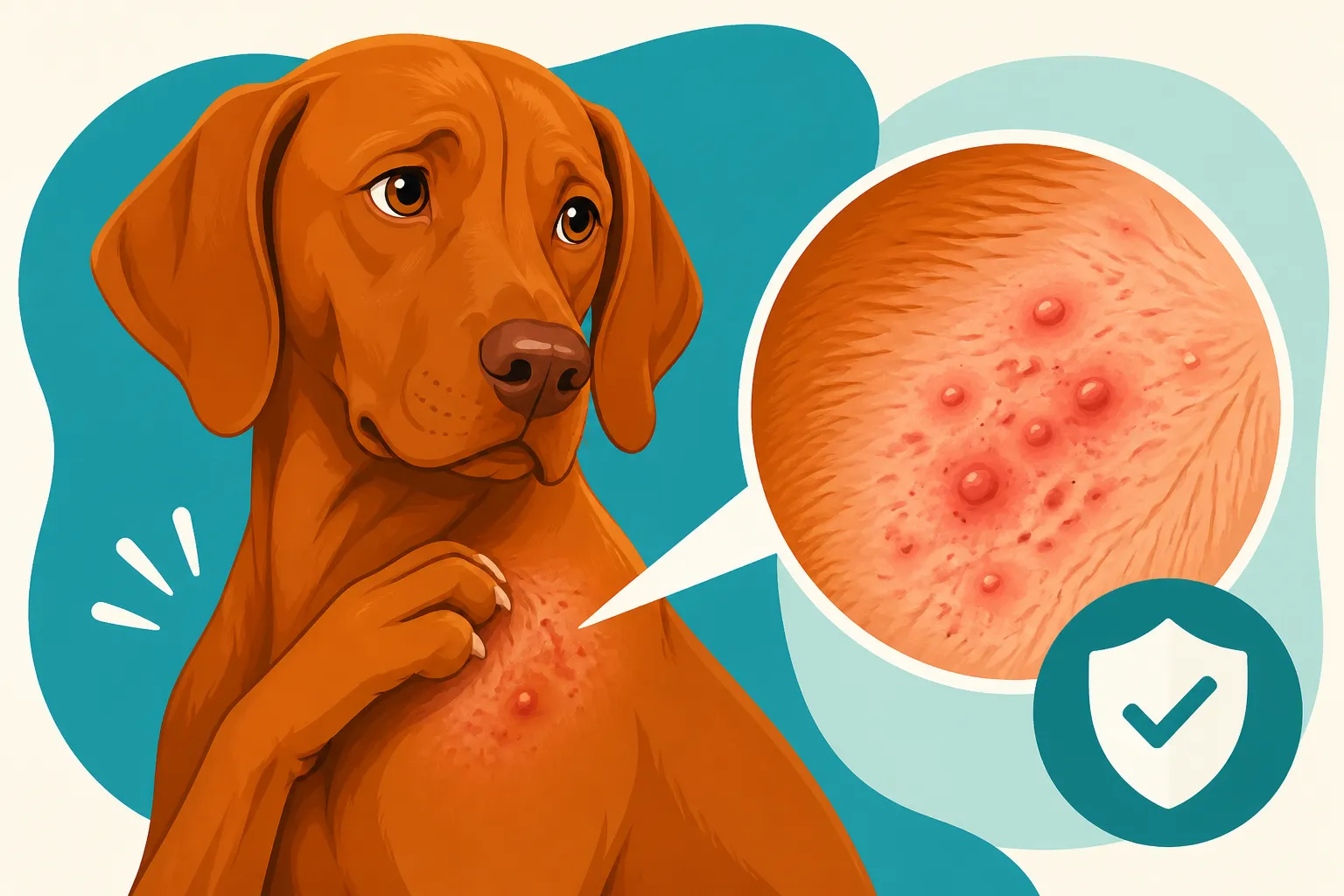
- Red, Inflamed Skin: Because their coat is so thin, you’ll easily spot areas of redness, especially in the armpits, groin, belly, between the toes, and on the ears. This can progress to thickened, darkened skin in chronic cases.
- Recurrent Ear Infections: The floppy ears of a Vizsla, combined with the underlying inflammation, make them highly susceptible to chronic ear infections (otitis externa). You might notice a yeasty smell, discharge, or they might shake their head frequently.
- Hair Loss and Scabs: Constant scratching and licking can lead to hair loss, broken hairs, and secondary skin damage like scabs or hot spots.
- Generalized "Doggy Odor": If secondary bacterial or yeast infections take hold, which is very common, your Vizsla might develop an unpleasant odor, even shortly after a bath.
It’s crucial to understand that these symptoms don’t necessarily mean a dirty dog or a behavioral issue; they are distress signals from a body struggling with an allergic reaction. Catching these signs early and seeking veterinary attention is key to preventing the condition from escalating and making your Vizsla even more miserable.
Why Vizslas Might Be More Prone to Environmental Allergies
When you choose a Vizsla, you're embracing a dog with a rich history and incredible athleticism, but also one that comes with certain breed-specific health considerations. While not always at the very top of lists for atopic dermatitis prevalence, their genetic makeup and a generally sensitive constitution mean they can certainly be among those who suffer.
The Role of Genetics and Breed Predisposition
Atopic dermatitis is strongly believed to have a hereditary component. This means that if a Vizsla’s parents or grandparents suffered from environmental allergies, there's a higher chance that their offspring will too. While the exact genes haven't been fully mapped for Vizslas specifically, we know that many purebred dogs have certain predispositions. For instance, Vizslas are known to have a somewhat sensitive immune system overall, making them susceptible to a range of immune-mediated conditions. You might be surprised to learn about other conditions like Why Vizslas Carry So Much Immune Disease, which can manifest in various ways, including skin issues. This underlying immune sensitivity can mean they are more reactive to environmental allergens compared to some other breeds.
Furthermore, another breed-specific skin condition that Vizsla owners sometimes face is Sebaceous Adenitis and the Vizsla That Loses Its Coat. While entirely different from atopic dermatitis, the very fact that the breed has a predisposition to a chronic, immune-mediated skin condition highlights that their skin and immune systems can be particularly delicate. This means that when evaluating a Vizsla with persistent itching, a thorough differential diagnosis is always necessary to pinpoint the exact cause of their discomfort.
Environmental Triggers and How They Affect Your Vizsla
Just like humans, dogs with atopic dermatitis react to common environmental triggers. These aren't just things they eat; they're often invisible particles in the air or on surfaces. The usual culprits include:
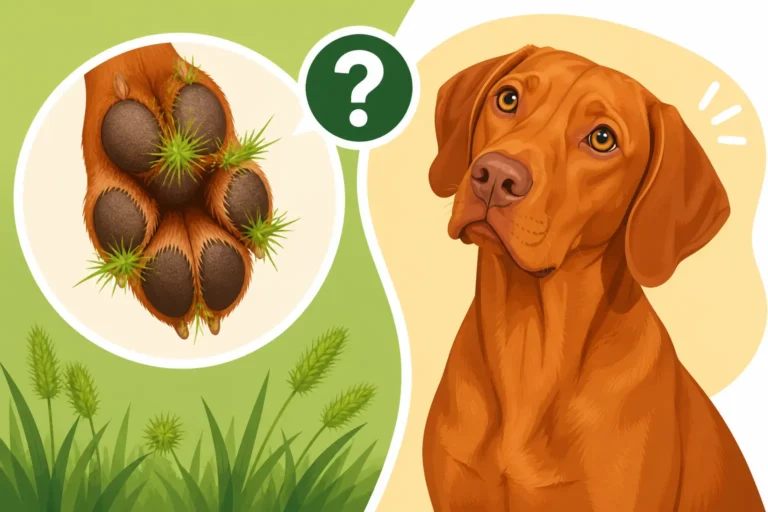
- Pollen: From trees, grasses, and weeds, pollen is a major seasonal trigger, often causing flare-ups in spring, summer, or fall, depending on what specific plants are blooming in your area. Imagine your Vizsla bounding through a field, joyfully sniffing every blade of grass—they're not just enjoying the scents; they're inhaling and absorbing pollen through their skin.
- Dust Mites: These microscopic creatures live in our homes, particularly in bedding, carpets, and upholstery. For a Vizsla allergic to dust mites, their symptoms might be year-round, or worsen when they spend more time indoors, like during colder months. A dog constantly rubbing against your sofa or burrowing into blankets might be seeking comfort, but also exposing themselves to more allergens.
- Mold Spores: Found in damp environments, mold spores can also be a year-round or seasonal trigger, depending on humidity levels and exposure.
A hypothetical scenario might be a Vizsla who is perfectly fine during the winter but starts licking his paws intensely and developing red patches on his belly every spring when the trees start budding. Then, come late summer and fall, the grass pollen gets him again. This points strongly to seasonal atopy. In contrast, a Vizsla that is itchy year-round, regardless of the season, might be reacting more to indoor allergens like dust mites. It's also worth noting that while food allergies are a distinct issue, they can present with very similar skin symptoms. It's why differentiating between the two is a critical step in diagnosis, as explored in articles like Whether a Vizsla Reacts to Its Food. Getting to the root cause is often a process of elimination, but it's essential for effective management.
Navigating Diagnosis and Effective Management Strategies
Discovering your Vizsla has atopic dermatitis can feel overwhelming, but a clear path exists for diagnosis and management. It's a journey that requires patience, close collaboration with your veterinarian, and often a multi-faceted approach to treatment.
The Diagnostic Journey with Your Veterinarian
The first, and often most challenging, step in dealing with suspected atopic dermatitis is getting a definitive diagnosis. This isn't a simple "yes" or "no" test; it's a process of elimination. Your vet will need to rule out other conditions that can cause similar symptoms, as many skin issues look alike on the surface. This diagnostic journey typically involves:
- Thorough Physical Exam and History: Your vet will ask detailed questions about your Vizsla's symptoms – when they started, if they're seasonal, what makes them better or worse, and what you've already tried. This is where your keen observations are invaluable.
- Rule Out Parasites: Fleas, mites (like Sarcoptes or Demodex), and other external parasites are common causes of itching. Your vet will likely perform skin scrapes or prescribe a course of parasite control to eliminate these possibilities.
- Address Secondary Infections: The compromised skin barrier and constant scratching in dogs with atopy make them highly susceptible to secondary bacterial (pyoderma) and yeast (Malassezia) infections. These infections exacerbate the itching and inflammation. Your vet will perform cytology (examining skin samples under a microscope) to identify these infections and prescribe appropriate antibiotics or antifungals. This is often the first step to provide your Vizsla with some immediate relief. For more on this, you might look into Whether a Vizsla's Skin Gets Secondary Infections.
- Consider Food Allergies: Food allergies can mimic atopic dermatitis symptoms closely. A strict elimination diet trial, typically lasting 8-12 weeks, with a novel protein or hydrolyzed protein diet, is the gold standard for diagnosing food allergies. You'd feed only the prescribed diet during this period, with no other treats or supplements. This step is crucial before concluding it’s environmental atopy.
- Allergy Testing: Once other causes are ruled out, if atopic dermatitis is suspected, allergy testing can help identify specific environmental triggers. There are two main types:
- Intradermal Skin Testing (IDT): Performed by a veterinary dermatologist, this involves injecting tiny amounts of common allergens into the skin and observing reactions. It's considered very accurate but requires sedation and access to a specialist.
- Serum IgE Blood Testing: A blood sample is sent to a lab to measure IgE antibodies to various environmental allergens. It's less invasive but can sometimes produce false positives or negatives.
This diagnostic process can be lengthy and emotionally taxing, but it's essential to ensure your Vizsla receives the most effective and targeted treatment plan. Understanding What Vizslas Are Most Often Treated For often involves a mix of these diagnostic approaches.
Comprehensive Treatment Plans for Long-Term Relief
Once atopic dermatitis is confirmed, the goal shifts to long-term management, as there is no single cure. The best approach is typically multimodal, combining several strategies to reduce inflammation, control itching, and prevent flare-ups.
- Medication to Control Itch and Inflammation:
- Antihistamines: For mild cases or as an adjunct, but often not strong enough on their own.
- Corticosteroids: (e.g., Prednisone) Highly effective for quick relief during severe flare-ups, but their long-term use is associated with significant side effects (increased thirst, urination, appetite, panting, muscle wasting, thinning skin). Vets try to use these judiciously and at the lowest effective dose.
- Oclacitinib (Apoquel): A targeted medication that quickly inhibits the itch pathway. It's often very effective and generally has fewer side effects than steroids, making it a popular choice for long-term management.
- Lokivetmab (Cytopoint): An injectable monoclonal antibody that specifically targets and neutralizes a key protein involved in canine itch. It provides relief for 4-8 weeks per injection with minimal systemic side effects, making it an excellent option for many dogs, especially those who don't tolerate oral medications well.
- Allergen-Specific Immunotherapy (ASIT): This is the only treatment that aims to retrain the immune system not to overreact to specific allergens. Based on the results of allergy testing, a custom vaccine (either injectable shots or oral drops) is formulated. Over time, giving small, increasing doses of the allergens helps desensitize the immune system. It’s a long-term commitment, often taking 6-12 months to see significant improvement, and it's not 100% effective for all dogs, but when it works, it can drastically reduce the need for other medications.
- Topical Therapies: Regular bathing with medicated shampoos (e.g., those containing chlorhexidine for bacteria, miconazole for yeast, or oatmeal for soothing) and conditioners is crucial. These not only remove allergens from the coat but also help to soothe inflamed skin and treat secondary infections. Managing a Vizsla's Skin for Life often involves a consistent bathing schedule, sometimes even weekly. Topical sprays, mousses, or wipes can also provide localized relief and antiseptic action.
- Nutritional Support and Supplements: A high-quality diet is fundamental. Omega-3 fatty acids, often in the form of fish oil, are widely recommended. These supplements have anti-inflammatory properties and help support a healthy skin barrier, making the skin less reactive and better able to withstand allergens. Learn more about this in Whether a Vizsla Needs Fish Oil for Its Skin.
- Environmental Control: While impossible to completely eliminate allergens, you can minimize exposure. Frequent vacuuming with a HEPA filter, using dust mite covers on dog beds, washing bedding regularly, and using air purifiers can help with indoor allergens. After outdoor adventures, especially during high pollen seasons, wiping down your Vizsla's paws, belly, and face can remove accumulated pollen.
The key to success is finding the right combination of therapies that works for your individual Vizsla, balancing efficacy with minimal side effects and your family's lifestyle.
Life with a Vizsla Living with Atopic Dermatitis
Living with a Vizsla affected by atopic dermatitis can be a marathon, not a sprint. It demands dedication, vigilance, and a deep understanding of your dog's needs. While challenging, with consistent management, your Vizsla can still lead a wonderfully full and happy life.
Maintaining Quality of Life and Preventing Flare-Ups
The goal of treatment isn't necessarily to eradicate all signs of atopy, which is often unrealistic, but to keep your Vizsla comfortable, itch-free for most of the time, and minimize flare-ups. This means a consistent, proactive approach. You'll become an expert in your Vizsla's normal skin, quickly noticing any subtle changes that signal an impending flare-up – a bit more licking than usual, a slight redness, or the faint return of that "doggy smell." Early intervention at these stages can prevent a full-blown crisis, which is much harder to bring under control.
The reality of managing a chronic condition like this is that it can be a significant financial undertaking. Medications, veterinary visits, allergy testing, special shampoos, and supplements add up. This is where comprehensive pet insurance can truly be a lifesaver. Many owners find policies from providers like Healthy Paws incredibly beneficial, as they can cover a substantial portion of the costs associated with chronic conditions like atopic dermatitis. It's worth researching options like Insuring a Vizsla Against Immune Disease or even just understanding What Lifelong Skin Treatment Costs a Vizsla Owner to prepare for the commitment. Without financial support, the emotional and practical strain of maintaining quality of life for your Vizsla can be immense.
Supporting Your Vizsla's Overall Well-being
Beyond medical treatment, supporting your Vizsla's overall well-being is paramount. Stress and anxiety can exacerbate itching, as anxious dogs may lick and chew more, even without an intense allergic trigger. Ensuring your Vizsla gets adequate exercise and mental stimulation appropriate for the breed is crucial. A tired Vizsla is often a happier, less obsessive Vizsla. Engage them in activities they love, like long walks, runs, or scent games, which can distract them from the urge to scratch.
The emotional toll on owners cannot be overstated. It's completely normal to feel helpless, frustrated, or even guilty when your beloved dog is constantly uncomfortable. Acknowledging these feelings and seeking support from your vet or other Vizsla owners who understand can be incredibly helpful. Remember, you are doing your best, and your dedication makes a profound difference in your Vizsla's life. With consistent care, patience, and a strong partnership with your veterinary team, your Vizsla can indeed enjoy a full, active, and happy life, even with atopic dermatitis. It simply means you'll both be on a lifelong journey of careful management and loving attention to their sensitive skin.
| Treatment Type | Mechanism | Pros | Cons |
|---|---|---|---|
| Antihistamines | Block histamine release | OTC, generally safe, inexpensive | Often ineffective alone, can cause drowsiness |
| Corticosteroids (Prednisone) | Reduce inflammation and immune response | Highly effective for acute flare-ups, fast-acting | Significant side effects with long-term use (thirst, hunger, panting, muscle wasting, infections) |
| Oclacitinib (Apoquel) | Selectively targets itch pathways | Fast acting, fewer steroid-like side effects, oral | Can be expensive, some immune suppression, not for all dogs (e.g., young puppies) |
| Lokivetmab (Cytopoint) | Monoclonal antibody, targets itch protein | Very specific, long-lasting (4-8 weeks), minimal systemic side effects, injectable | Injection only, can be expensive, does not treat secondary infections |
| Allergen-Specific Immunotherapy | Desensitizes immune system to specific allergens | Targets underlying cause, long-term solution, reduces reliance on other drugs | Slow to show results (6-12 months), consistent administration needed, not 100% effective |
| Medicated Shampoos/Conditioners | Remove allergens, soothe skin, fight infections | Immediate relief, good for maintenance, topical | Requires frequent bathing, not a standalone solution for severe cases, time-consuming |
| Omega-3 Fatty Acids | Support skin barrier, reduce inflammation | Natural, improves coat quality, few side effects, oral | Takes time to show effect, not a standalone solution, proper dosage crucial |
Disclaimer
The information provided in this guide is for general educational purposes only and should not be considered a substitute for professional veterinary advice. Always consult with a qualified veterinarian regarding any health concerns or before making any decisions about your Vizsla's medical care.