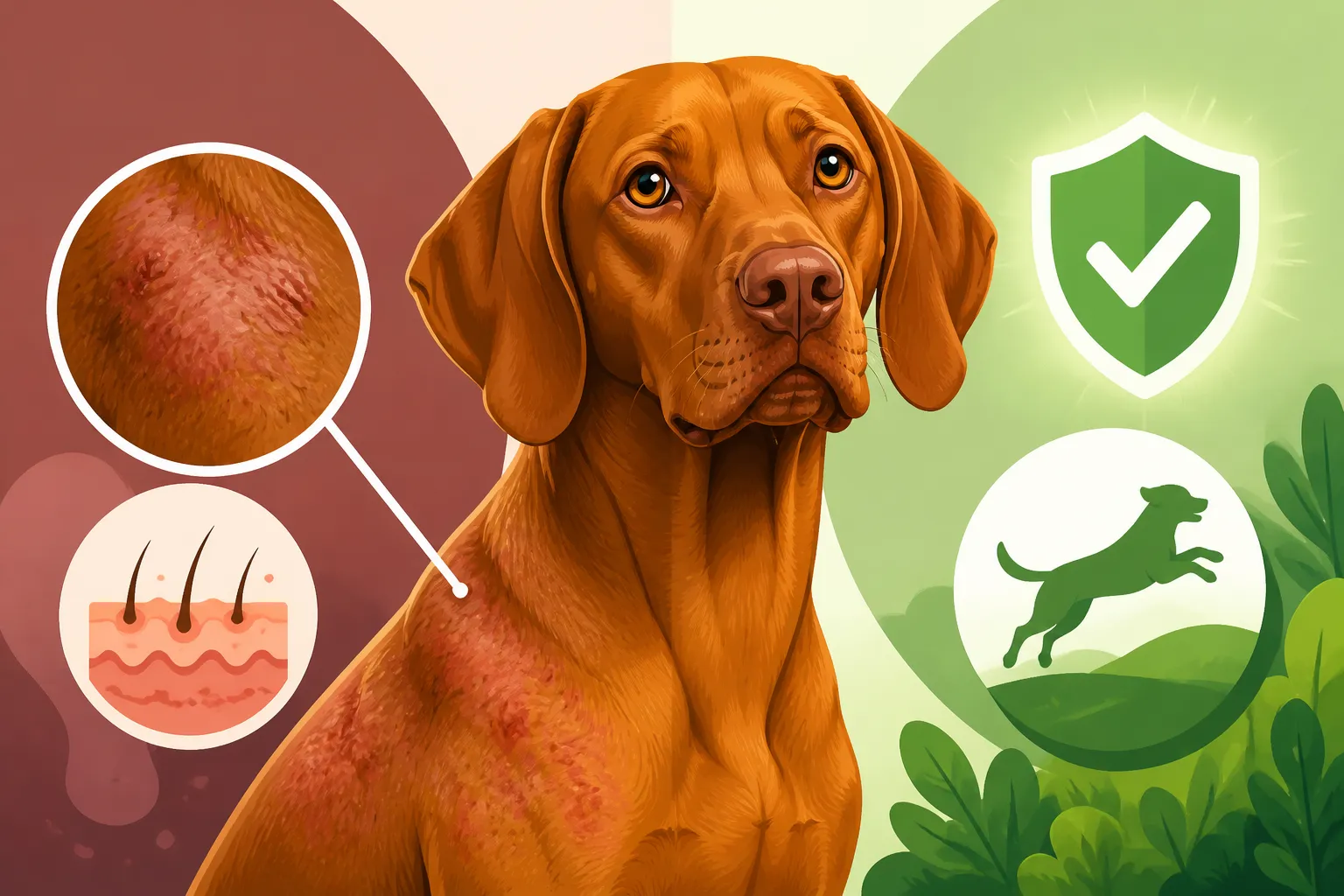
Whether a Vizsla’s Skin Disease Shortens Its Life
It's incredibly distressing to watch your beloved Vizsla struggle with chronic skin issues. Many of us worry constantly: is this constant battle with flaky skin, hair loss, or incessant itching impacting their overall health, and more importantly, is it actually shortening their precious life? This guide aims to tackle that difficult question head-on, exploring the realities of Vizsla skin diseases and their true influence on your companion's lifespan and quality of life.
Understanding Vizsla Skin Diseases and Their Nature
Vizslas are magnificent dogs, known for their striking golden-rust coats, incredible energy, and deep devotion. However, beneath that sleek exterior, many Vizslas carry a predisposition to a range of skin conditions that can be both frustrating and concerning for their owners. It's not just a cosmetic issue; these conditions often stem from deeper immune system vulnerabilities inherent in the breed.
Common Skin Conditions in Vizslas
When we talk about Vizsla skin disease, we're often talking about a few key culprits that appear repeatedly in the breed. One of the most significant and heartbreaking is Sebaceous Adenitis (SA). This is an immune-mediated disease where the immune system mistakenly attacks and destroys the sebaceous glands in the skin. These glands are vital for producing sebum, the natural oil that keeps the skin and coat healthy, moisturized, and protected. Without them, the skin becomes dry, scaly, and prone to severe hair loss. You might find yourself asking, "What Sebaceous Adenitis Does to a Vizsla?" as you try to understand the progression.
Beyond SA, Vizslas are also susceptible to environmental allergies (atopy), food allergies, and various forms of dermatitis. These conditions cause intense itching, redness, and inflammation. Often, these primary issues pave the way for secondary infections. Think about it: constant scratching breaks the skin barrier, creating open wounds and inviting bacteria or yeast to move in and set up shop. This can quickly escalate into painful, smelly infections that add another layer of misery to an already uncomfortable situation. The frustration is palpable for owners trying to discern the cause and offer relief.
It’s crucial to understand that these aren't isolated incidents or simple rashes that clear up with a single course of medication. We're talking about chronic, often lifelong conditions that require continuous vigilance and management. For instance, Sebaceous Adenitis is progressive, meaning it can worsen over time if not managed. Owners might notice their Vizsla losing its coat, particularly along the back, ears, and head – leading them to research topics like "Whether a Vizsla Loses Hair on Its Head and Ears?"
The Chronic Reality of These Conditions
The hard truth about many Vizsla skin diseases is that they are not curable. Sebaceous Adenitis, for example, is a chronic, progressive autoimmune disorder. Once the sebaceous glands are destroyed, they don't regenerate. This means management focuses on controlling symptoms, preventing secondary infections, and trying to halt or slow the progression of the disease. This is a journey, not a destination, and it requires immense dedication from owners.
Similarly, allergies in Vizslas, whether environmental or food-related, are often lifelong battles. While symptoms can be managed with diet, medication, and environmental controls, the underlying allergic predisposition remains. This constant state of inflammation, even if subtle, can put a persistent strain on a Vizsla's immune system, which is already known to be a weak point in the breed. You might find yourself deep in research about "Managing a Vizsla's Skin for Life" or "Whether a Vizsla Needs Medicated Baths for Life" because that's the reality of living with a Vizsla affected by these conditions. The dedication required to maintain their comfort and health is significant, and it’s a constant consideration.
Direct vs. Indirect Impact on Lifespan
So, does a Vizsla's skin disease directly shorten its life? The answer isn't a simple yes or no, but rather a nuanced exploration of direct complications versus the cumulative toll on quality of life. While a skin disease like sebaceous adenitis rarely causes direct, immediate fatality, its long-term effects and the management required can certainly influence a Vizsla's overall prognosis.
When Skin Disease Becomes Life-Threatening
In most cases, skin conditions themselves aren't the primary cause of a Vizsla's death. However, there are scenarios where they can become genuinely life-threatening. The most common pathway to severe complications is through uncontrolled secondary infections. When a Vizsla's skin is compromised by inflammation, dryness, or self-trauma from itching, it creates an open invitation for bacteria and yeast. If these infections are allowed to fester, they can become deep, systemic, and incredibly difficult to treat. We're talking about widespread skin infections that can lead to cellulitis, sepsis (a bloodstream infection), or severe organ involvement if bacteria spread throughout the body.
Chronic inflammation from severe, widespread skin disease also places a continuous burden on the immune system. Vizslas are known for carrying a lot of immune-mediated diseases, and a body constantly fighting skin issues may become more vulnerable to other illnesses or experience a reduced ability to fight off new pathogens. This constant drain can weaken the dog over time, making them less resilient to other health challenges that may arise. Furthermore, some of the medications used to manage severe skin disease, such as long-term corticosteroids, can have significant side effects, including increased risk of infections, organ damage, or metabolic disorders, which can indirectly impact a Vizsla's lifespan.
Quality of Life and Indirect Effects
Perhaps the more profound, and often more heartbreaking, impact of chronic skin disease on a Vizsla's lifespan is its effect on their quality of life. Imagine living with constant itching, pain, and discomfort. This isn't just an annoyance; it's a persistent source of stress and misery for an animal. A Vizsla suffering from severe Sebaceous Adenitis, for example, might experience cracked skin, painful lesions, and constant scaling, sometimes accompanied by a foul odor due to secondary infections. You might be wondering, "Whether Sebaceous Adenitis Is Painful for a Vizsla?" and the answer, unfortunately, can be yes.
This suffering can lead to behavioral changes, including irritability, lethargy, or even aggression due to discomfort. A Vizsla's joy in running, playing, and interacting with their family can be significantly diminished. For owners, the emotional and financial toll of managing a chronically ill dog can also be immense. When a dog's quality of life deteriorates to a point where they are in constant pain or distress, and treatments are no longer effective, or the financial burden becomes unsustainable, difficult decisions about euthanasia may arise. In this way, chronic skin disease can indirectly "shorten" a Vizsla's life, not by direct biological failure, but by compromising their ability to live a happy, comfortable existence. It’s a harsh reality that many dedicated Vizsla owners have had to confront.
Proactive Management and Long-Term Prognosis
The good news amidst the challenges is that proactive and consistent management can make a world of difference for a Vizsla with skin disease. While these conditions are often chronic, effective strategies exist to control symptoms, prevent complications, and vastly improve your dog's comfort and long-term prognosis. This dedication is key to ensuring they live as long and full a life as possible.
The Power of Early Diagnosis and Consistent Care
Early diagnosis is paramount. If you notice any signs of unusual flaking, hair loss, excessive itching, or a change in your Vizsla's coat texture, don't delay in consulting your veterinarian. For conditions like Sebaceous Adenitis, a skin biopsy is usually required for a definitive diagnosis, as described in "Whether a Skin Biopsy Confirms It in a Vizsla?". Once a diagnosis is made, a comprehensive treatment plan can be put in place, often involving a combination of therapies.
This usually includes topical treatments such as specialized medicated shampoos and conditioners, soothing oil soaks, and moisturizing sprays. Systemic medications might include antibiotics or antifungals for secondary infections, anti-inflammatory drugs, or immunosuppressants like cyclosporine (you might investigate "Whether Cyclosporine Helps a Vizsla?"). Dietary management, including specific foods or supplements like omega-3 fatty acids, can also play a vital role. Consistency is key here; a missed bath or a skipped dose can quickly lead to a flare-up. Owners learn to be meticulous in their care routines, knowing that their Vizsla's comfort depends on it.
Financial Considerations and Support
Let's be realistic: managing chronic skin disease in a Vizsla can be expensive. From diagnostic tests to prescription medications, specialized shampoos, and regular vet visits, the costs can add up quickly over a dog's lifetime. Treatments for Sebaceous Adenitis, for example, can include ongoing medication like cyclosporine, which can be a significant monthly expense, as well as the cost of frequent specialized baths and topical products. Exploring "What Treating a Vizsla's Skin Disease Costs" often reveals a substantial financial commitment.
This is where pet insurance can become a true lifesaver for many Vizsla owners. Providers like Healthy Paws, for instance, offer comprehensive coverage that can help offset the costs of unexpected illnesses and ongoing chronic conditions. While some pre-existing conditions may not be covered, having a policy in place before a chronic condition develops can provide invaluable peace of mind and ensure you can always afford the best possible care for your Vizsla without financial stress dictating treatment choices. It's a pragmatic decision that can significantly impact a Vizsla's access to consistent, high-quality care, thereby influencing their comfort and long-term health.
Living a Full Life with Chronic Skin Disease
Despite the challenges, many Vizslas with chronic skin conditions, even severe ones like Sebaceous Adenitis, can live long, happy, and fulfilling lives when properly managed. It all comes down to commitment, consistent care, and maintaining a focus on their overall well-being. The goal isn't just to extend their years, but to ensure those years are filled with joy and comfort, not constant suffering.
Focusing on Comfort and Well-being
Creating a comfortable environment and minimizing triggers are essential. This might mean investing in high-quality bedding that is easy to wash, using humidifiers in dry climates to prevent further skin dryness, and avoiding harsh cleaning chemicals in the home. For Vizslas with environmental allergies, diligent cleaning to reduce dust mites or pollen exposure can be beneficial. Regular grooming, including appropriate brushing and bathing with prescribed products, not only treats the skin but also provides an opportunity for owners to bond with their dogs and monitor their condition closely.
Beyond the physical, a Vizsla's mental well-being is crucial. Consistent exercise, mental stimulation, and plenty of positive interaction help keep their spirits high, even if they're experiencing discomfort. A happy Vizsla is a resilient Vizsla. Owners must remember that while the disease is a part of their dog's life, it doesn't have to define it. Many Vizslas with well-managed skin conditions continue to hunt, compete in dog sports, or simply enjoy long walks and snuggle sessions with their families, proving that a full life is absolutely possible.
Monitoring for Changes and Complications
Living with a Vizsla with chronic skin disease means embracing a mindset of continuous observation and adaptation. Their skin condition can fluctuate, sometimes worsening with seasonal changes, stress, or secondary infections. It's vital for owners to be vigilant about monitoring their dog's skin and coat daily. Look for new lesions, increased redness, more intense itching, changes in odor, or any signs of discomfort. These small changes can indicate a flare-up or the onset of a secondary infection, which needs prompt veterinary attention.
Regular check-ups with your veterinarian, and possibly a veterinary dermatologist, are also crucial for ongoing management. These appointments allow for adjustments to treatment protocols, assessment of the disease's progression, and early detection of any new complications. Maintaining open communication with your vet and keeping detailed records of symptoms, treatments, and their effectiveness will be invaluable in crafting the best long-term care plan. By working closely with your veterinary team and remaining proactive, you can ensure your Vizsla continues to thrive, managing their condition to ensure it doesn't unnecessarily shorten their vibrant life.
Disclaimer
The information provided in this article is for general informational purposes only and is not a substitute for professional veterinary advice. Always consult with a qualified veterinarian for any health concerns or before making any decisions related to your Vizsla's health and treatment.