The Age a Vizsla Counts as Senior
It’s a common moment for many Vizsla owners: you look at your energetic, goofy companion, and then you hear someone say "seven years old is senior for a dog." You might blink, thinking, my Vizsla is seven and still acts like a wild puppy! The truth is, while age seven is a common benchmark for senior status in the canine world, for a breed as vibrant and driven as the Vizsla, that number can feel a bit misleading. Understanding when your Vizsla truly enters their golden years, and what that actually means for their health and happiness, is crucial for adapting their care. This guide will help you navigate the nuanced journey of your Vizsla's senior phase, from the subtle shifts to the necessary adjustments in their routine and medical care.
The Shifting Definition of "Senior" for a Vizsla
When we talk about senior dogs, it's easy to fall into the trap of thinking there's a magic number where they suddenly transform. But especially with a high-energy, athletic breed like the Vizsla, the transition into their senior years is far more of a gradual process, influenced by genetics, lifestyle, and overall health. It's less about a birthday and more about a collection of subtle changes that accumulate over time.
Beyond the Calendar Age
For many larger breeds, the seven-year mark is often cited as the point where they are considered senior. This general guideline comes from studies showing that larger dogs tend to have shorter lifespans and thus age more quickly than smaller dogs. However, the Vizsla, while a medium-large breed, often retains a puppy-like exuberance well into what would be considered their senior years. You might find your seven-year-old Vizsla still tearing around the field, pointing birds, and bouncing with the same boundless energy they had at two or three. Their spirit and physical prowess can defy the calendar. The typical Vizsla lifespan, often The Twelve to Fourteen Years a Vizsla Lives, means that while seven might be the start of the senior spectrum, it's certainly not the end of their active life.
Individual Variation and Lifestyle Impact
No two Vizslas are exactly alike, and neither is their aging process. A Vizsla that has spent its life as a competitive field dog, covering miles of varied terrain weekly, might show signs of joint wear and tear earlier than a Vizsla who has enjoyed a more leisurely life of daily park romps and backyard play. Conversely, a highly conditioned hunting Vizsla might maintain muscle mass and cardiovascular health longer than a dog that has been more sedentary. Diet, genetics, preventative care, and even the amount of mental stimulation they receive throughout their lives all play significant roles. Think of it less as a definitive age, and more as a spectrum where early signs of aging can emerge from around seven years onward, but truly mature senior behavior and physical changes might not become prominent until eight, nine, or even ten years of age.
Comparing to Other Breeds
Vizslas are often compared to other sporting breeds like German Shorthaired Pointers or Weimaraners. While all these breeds are known for their athleticism and strong work ethic, Vizslas tend to maintain a remarkable level of enthusiasm and physical capability even as they age. They are typically lighter-boned than some of their sporting counterparts, which can sometimes mean less strain on joints earlier in life, but their intense drive to run and jump can still lead to orthopedic issues. Their lean build also means they may not show weight gain as readily as some breeds, but monitoring their body condition is still paramount. It's this unique combination of enduring vitality and potential for age-related health issues that makes understanding their senior years so important.
Subtle Physical Clues That Age Is Creeping In
Even if your Vizsla still acts like a pup, their body is undergoing changes. These shifts are often subtle at first, easily missed if you’re not actively looking for them. Recognizing these early physical indicators can help you make timely adjustments to their care and discuss them with your veterinarian.
Changes in Coat and Skin
One of the most noticeable changes in many aging Vizslas is the appearance of graying around their muzzle, eyes, and sometimes even their chest. This silvery dusting is a classic sign of aging, much like in humans. Beyond color, you might notice subtle alterations in their beautiful golden-rust coat itself. It could become a bit thinner in places, or perhaps not as uniformly sleek and shiny as it once was. Their skin, too, can lose some elasticity, becoming a bit looser or drier. While a Vizsla has no doggy smell, senior skin can sometimes be more prone to dryness, flakiness, or even benign skin growths. Regular grooming and moisturizing baths, perhaps with a gentle, hydrating shampoo, can become more important to keep their skin and coat healthy and comfortable. Pay particular attention to any unusual lumps or bumps, as vigilance for Lumps Worth Checking on a Vizsla becomes critical as they age.
Muscle Tone and Joint Mobility
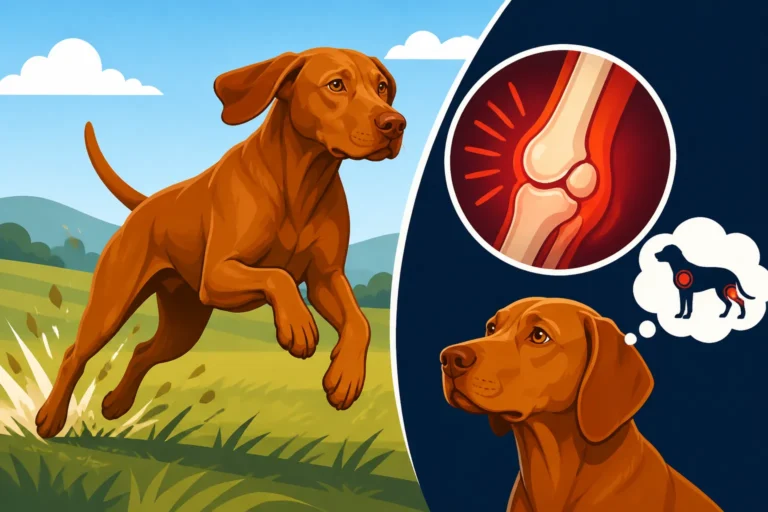
This is where the high-drive nature of a Vizsla can start to show the miles. Even if they still want to run like the wind, you might observe a slight stiffness when they first get up after a nap, or a subtle slowing on long walks. They might not jump into the truck with the same effortless grace, or their retrieving might be a touch less enthusiastic. You might notice a decrease in overall muscle mass, especially over their hindquarters, even if they're still active. These can be early signs of arthritis or other joint issues, which are common in aging dogs. If you start to see your Vizsla showing signs of Arthritis in a Vizsla at Ten, it's definitely time to have a conversation with your vet about joint supplements or pain management. Keeping an eye on their gait and how they move can give you valuable insights into their comfort levels.
Sensory Decline
Just like people, Vizslas can experience a decline in their senses as they age. Their vision might not be as sharp, making them a little more hesitant in dimly lit areas or when navigating unfamiliar surroundings. You might notice them bumping into things more frequently or not tracking moving objects as accurately. Hearing loss can also be a factor; they might not respond to their name or familiar commands as readily, especially when their back is turned. This isn't always stubbornness; it could be a sign their hearing is fading. Their sense of smell, usually so acute, might also slightly diminish, though this often remains robust for longer. Being aware of these changes allows you to adapt your communication and environment to keep them safe and confident. For example, louder claps or hand signals might replace verbal cues if their hearing is going, and ensuring clear pathways in your home can help if their vision is declining.
Behavioral Shifts and Cognitive Changes
While physical changes are often more obvious, behavioral and cognitive shifts can be just as significant, if not more so, in defining your Vizsla's senior status. These changes can be subtle initially but can gradually alter their daily routines and interactions. Understanding them can help you provide better support and maintain a strong bond.
Energy Levels and Sleep Patterns
The most common behavioral change you’ll notice is a shift in energy. That relentless drive to GO, GO, GO might start to taper slightly. Instead of two hours of intense running, your Vizsla might be content with a solid hour, or perhaps a couple of shorter, brisk walks. They might still love to chase a frisbee, but the sessions become shorter, with more breaks for panting and resting. You’ll also likely observe an increase in their sleep. They’ll nap more frequently throughout the day, often seeking out warm, comfortable spots. While they still enjoy being part of the family action, they might choose to observe from their bed rather than being in the thick of it all. This natural deceleration is a key sign, but it doesn't mean the end of their desire to engage, just a shift in how they engage.
Cognitive Dysfunction Syndrome (CDS)
Sometimes, behavioral changes go beyond simple slowing down and can indicate cognitive decline, often referred to as Canine Cognitive Dysfunction (CDS) or "doggy dementia." This can be heartbreaking to witness, as it feels like your companion is losing a piece of themselves. Common signs of CDS include:
- Disorientation: Your Vizsla might seem confused in familiar surroundings, stare blankly at walls, or get "stuck" in corners.
- Changes in social interaction: They might seek less interaction, become irritable, or surprisingly, become more clingy.
- Sleep-wake cycle disturbances: They might pace or whine at night, leading to disturbed sleep for everyone, and sleep excessively during the day.
- House soiling: Accidents inside, even from a perfectly house-trained dog, can be a sign of cognitive decline, not just a full bladder.
- Changes in activity: A decrease in purposeful activity or exploring, or conversely, an increase in repetitive behaviors like pacing.
If you suspect CDS, it's vital to speak with your vet. There are medications and supplements that can help manage symptoms and improve their quality of life. Early intervention can make a significant difference.
Changes in Affection and Interaction
Your Vizsla has always been a "Velcro dog," sticking by your side, wanting to be involved in everything. As they age, this can manifest in different ways. Some senior Vizslas become even more affectionate, seeking out cuddles and leaning into you more than ever before. They might demand more lap time, even if they're a bit too big for it! This can be a sign of increased need for comfort and security. On the other hand, some Vizslas might become a bit more withdrawn or even irritable. They might not tolerate rambunctious children or other pets as well, seeking solitude. This isn't personal; it's often a sign of discomfort, pain, or confusion. Observing these shifts in their social patterns, whether it's an increased need for proximity or a desire for more personal space, provides crucial clues about their inner state and helps you tailor your interactions to their evolving needs.
Proactive Care: Adapting Your Routine for an Older Vizsla
Recognizing the signs of aging is only the first step. The real art of caring for a senior Vizsla lies in proactively adjusting their daily routine, diet, and environment to support their changing needs. These thoughtful modifications can significantly enhance their comfort and overall well-being.
Nutritional Adjustments
As your Vizsla ages, their metabolism naturally slows down, and their activity levels might decrease. This means their caloric needs will likely drop. Continuing to feed them the same amount of food as their younger, more active selves can lead to unwanted weight gain, which puts extra strain on their joints and organs. Transitioning to a high-quality senior dog food, which is often lower in calories but still packed with essential nutrients, can be very beneficial. These formulas also frequently include ingredients like glucosamine and chondroitin for joint support, and omega fatty acids for skin and coat health. If your Vizsla is starting to lose muscle mass, your vet might recommend a senior diet with a slightly higher protein content to help Keeping an Old Vizsla's Muscle On.
A common challenge is Feeding an Old Vizsla, especially if they become pickier or have dental issues. Softening kibble with warm water, adding low-sodium broth, or incorporating some fresh, cooked lean protein can make meals more appealing and easier to chew. Remember, consistent access to fresh water is also critical, as older dogs can be more prone to dehydration.
Exercise Modifications
The idea that senior dogs need no exercise is a myth. They still need and benefit from physical activity, but the type and intensity of that exercise need to change. Instead of one long, grueling run, consider multiple shorter, gentler walks throughout the day. These still provide mental stimulation and help maintain muscle tone without over-stressing their joints. Swimming can be an excellent low-impact exercise for senior Vizslas, supporting joint health without concussive force. Mental exercise, like puzzle toys, scent work, or practicing familiar commands, becomes even more important to keep their minds sharp and engaged.
If your Vizsla is still showing a strong desire to hunt, you might need to adapt the experience. Perhaps shorter hunts, or focusing on field trials that involve less sustained running and more pointing. Many older Vizslas still have the heart for the field, so finding ways to allow The Old Vizsla That Still Wants to Hunt in a modified way can bring immense joy. Always listen to your Vizsla's cues; if they're lagging behind, panting excessively, or showing signs of discomfort, it's time to head home.
Creating a Comfortable Environment
Your home environment can make a huge difference in your senior Vizsla's comfort and mobility. Consider soft, orthopedic beds to cushion aching joints and provide warmth. Since an old Vizsla feels the cold more, especially with their thin single coat, ensuring they have warm bedding or even a cozy sweater for chilly days is thoughtful. Non-slip rugs or runners on hard floors can prevent slips and falls, which can be dangerous for a dog with reduced mobility or vision. Ramps can be incredibly helpful for getting into and out of cars, onto furniture, or up stairs, reducing strain on their aging bodies. If your Vizsla has arthritis, you might also be looking into Beds That Suit an Arthritic Vizsla to give them the best support possible.
Ensuring easy access to food and water, perhaps with raised bowls if they struggle to bend down, is also beneficial. Think about their daily path through the house – are there obstacles they might trip over? Clear pathways and good lighting, especially at night, can help dogs with declining vision or cognitive issues navigate their familiar space safely.
Health Screening and Vigilance in Senior Years
As your Vizsla transitions into their senior years, maintaining open communication with your veterinarian and being extra vigilant about their health becomes paramount. Early detection of age-related conditions can lead to more effective management and a better quality of life. This is where pet insurance, like plans offered by Healthy Paws, can become invaluable for helping manage unexpected vet bills.
Regular Veterinary Check-ups
While yearly check-ups are standard for all dogs, senior Vizslas often benefit from semi-annual (every six months) vet visits. These more frequent appointments allow your vet to monitor subtle changes, catch potential issues earlier, and perform routine screenings. During these visits, your vet will likely perform a thorough physical exam, checking their teeth, eyes, ears, heart, lungs, and joints. They'll also discuss any changes you've observed in your Vizsla's behavior, appetite, or activity levels.
Blood work, including a complete blood count (CBC) and a chemistry panel, is highly recommended during these visits. This allows your vet to assess organ function (kidneys, liver), screen for anemia, and check for inflammation or infection. Knowing Whether a Vizsla Needs a Yearly Blood Panel is important, and in their senior years, even more frequent blood work can provide critical insights into their internal health. Regular urine analysis can also flag kidney disease or urinary tract infections before they become serious.
Common Senior Vizsla Ailments
Vizslas, like all breeds, are prone to certain health issues as they age. Awareness of these can help you identify symptoms early:
- Arthritis and joint problems: As mentioned, stiffness, lameness, and difficulty with movement are common.
- Thyroid issues: Hypothyroidism, where the thyroid gland doesn't produce enough hormones, is relatively common in Vizslas. Symptoms can include weight gain, lethargy, and a dull or thinning coat. Regular screening to know Whether a Vizsla's Thyroid Should Be Tested Yearly is a good preventative measure.
- Dental disease: Accumulation of plaque and tartar can lead to gum disease, pain, and even systemic infections. Regular dental check-ups and cleanings are essential.
- Kidney and liver disease: These organs can become less efficient with age. Blood and urine tests can detect these conditions early.
- Cancer: Unfortunately, cancer is a leading cause of death in older dogs, including Vizslas. Be vigilant for any new lumps, unexplained weight loss, changes in appetite, or persistent lameness. Early detection is key, so understanding The Cancers That Take a Vizsla Early can help owners be proactive.
- Cognitive Dysfunction Syndrome (CDS): As discussed, this neurodegenerative condition can cause disorientation, changes in sleep patterns, and house soiling.
Here's a quick reference for some key health changes to watch for in your aging Vizsla:
| Area of Concern | Signs to Watch For | When to Consult Your Vet |
|---|---|---|
| Mobility | Stiffness, reluctance to jump, difficulty with stairs, slowing gait | Persistent limping, obvious pain, sudden lameness |
| Appetite/Weight | Decreased interest in food, unexplained weight loss or gain | Chronic changes in appetite, significant weight fluctuations, vomiting/diarrhea |
| Energy/Behavior | Increased napping, pacing at night, disorientation, increased anxiety | Sudden aggression, severe confusion, incontrollable nocturnal activity |
| Coat/Skin | Dull coat, dry skin, new lumps or bumps, hair loss | Rapid hair loss, painful skin lesions, fast-growing or bleeding lumps |
| Elimination | Frequent urination, accidents in the house, straining | Blood in urine/stool, uncontrolled urination/defecation, excessive thirst |
| Senses | Bumping into objects, not responding to calls, cloudy eyes | Sudden vision loss, obvious pain in eyes, complete hearing loss |
The Role of Supplements and Medications
Your vet might recommend various supplements to support your senior Vizsla's health. Glucosamine and chondroitin are popular for joint health, helping to maintain cartilage and reduce inflammation. Omega-3 fatty acids can also support joint health, as well as skin, coat, and cognitive function. Antioxidants, like vitamins C and E, can help combat cellular damage. For Vizslas with diagnosed cognitive dysfunction, supplements containing ingredients like SAMe or phosphatidylserine might be recommended to support brain health.
If your Vizsla is experiencing pain from arthritis, your vet might prescribe non-steroidal anti-inflammatory drugs (NSAIDs) or other pain relievers. Always administer medications exactly as prescribed and report any side effects immediately. Remember, never give human pain relievers to your dog without veterinary guidance, as many are toxic. This is where a robust pet insurance plan, such as one from Healthy Paws, can really make a difference by covering the ongoing costs of these crucial medications and treatments.
Embracing the Golden Years: Quality of Life Considerations
The goal for any senior Vizsla is to ensure they continue to live a full, happy, and comfortable life, regardless of their age. This means focusing on their overall quality of life, which encompasses mental well-being, physical comfort, and emotional connection.
Mental Enrichment and Social Connection
Just because your Vizsla is slowing down physically doesn't mean their mind has to follow suit. Mental stimulation is incredibly important for senior dogs, helping to keep their cognitive functions sharp and preventing boredom or anxiety. Puzzle toys, KONGs stuffed with treats, and short, gentle training sessions (revisiting old tricks or learning new, simple ones) can be fantastic. Scent games, where they use their powerful noses to find hidden treats, are particularly enriching and low-impact. Even just exploring a new, safe walking path can provide a wealth of new smells and experiences.
Maintaining their social connections is equally vital. Vizslas thrive on companionship. Continue to include them in family activities, even if it's just lying at your feet while you work or watch TV. Gentle interactions with familiar, calm dogs can also be beneficial, but be mindful of their comfort levels and avoid overly boisterous play that could lead to injury or stress. Your Vizsla still wants to be part of your world; their need for connection often grows as they age.
Managing Pain and Discomfort
One of the biggest factors impacting a senior Vizsla's quality of life is pain, particularly from conditions like arthritis. Even if your Vizsla is stoic, they often hide their discomfort. Subtle signs like reluctance to move, slower movements, irritability when touched, or changes in posture can indicate pain. If you suspect your Vizsla is in pain, it's crucial to consult your veterinarian. They can accurately diagnose the source of pain and recommend appropriate management strategies, which might include NSAIDs, gabapentin, acupuncture, laser therapy, or even therapeutic massage.
Consistent pain management is not about making them "feel better" for a day; it's about providing ongoing comfort that allows them to move more freely, sleep better, and engage more fully in life. This ongoing care can be an investment, and having pet insurance from a reliable provider like Healthy Paws can alleviate some of the financial burden, allowing you to prioritize your Vizsla's comfort without undue stress.
Knowing When It's Time
This is arguably the hardest part of having a senior dog. There may come a time when, despite all your best efforts and veterinary care, your Vizsla's quality of life significantly diminishes. This might be due to chronic, untreatable pain, severe cognitive decline that leaves them constantly distressed, or a terminal illness. Making the decision to say goodbye is a deeply personal and agonizing one, but it is also the final act of love and kindness we can offer our beloved companions.
It's important to have honest conversations with your veterinarian about your Vizsla's prognosis and quality of life. They can help you assess pain levels, discuss treatment options, and provide guidance. Ultimately, the decision rests with you, and it's about prioritizing your Vizsla's comfort and dignity above all else. Understanding Knowing When an Old Vizsla Has Had Enough is a topic no one wants to consider, but it's an essential part of responsible senior Vizsla ownership, ensuring their final days are peaceful and surrounded by love.
Disclaimer
This article provides general information and is not a substitute for professional veterinary advice. Always consult with a qualified veterinarian for any health concerns or before making any decisions about your Vizsla's care.