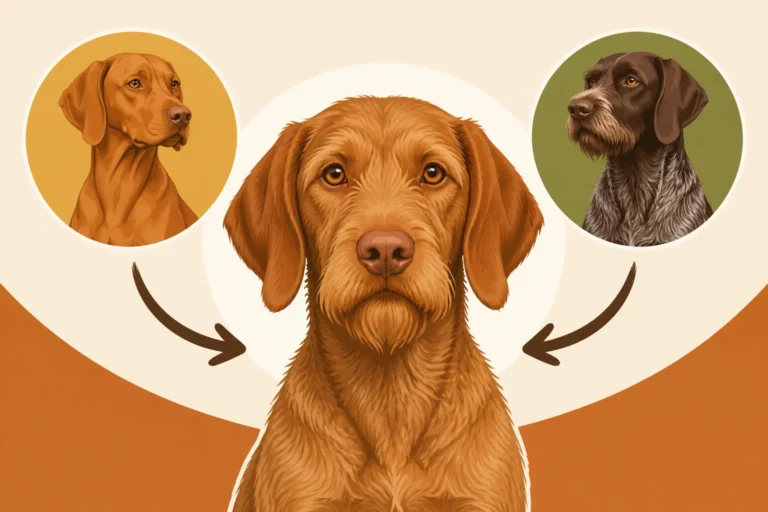
Whether a Vizsla Can Be Too Dark
One of the most striking features of a Vizsla is their incredible coat, a unique shade often described as "golden-rust" or "russet gold." It's one of those things that, once you see it, you never forget. But for potential owners or those admiring the breed, a common question arises: can a Vizsla's coat actually be too dark? This guide will explore the nuances of the Vizsla's signature color, delving into what the breed standard considers ideal, what constitutes an acceptable variation, and when a shade might be considered outside the norm, helping you understand this beautiful dog a little better.
Understanding the Vizsla's Signature Golden-Rust Coat
The coat of a Vizsla isn't just a pretty color; it's a defining characteristic, steeped in the breed's history as a versatile Hungarian hunting dog. It's so distinctive that it often sets them apart immediately from other breeds, even those with similar builds. When you see a Vizsla, that rich, glowing hue is usually the first thing that catches your eye.
What "Golden-Rust" Truly Means in the Breed Standard
When we talk about the Vizsla's coat, the phrase "golden-rust" is more than just a poetic description; it's a precise directive from breed standards around the world. Imagine the color of a perfectly ripe apricot, or perhaps a burnished copper penny freshly polished – that’s the kind of warmth and depth we’re looking for. It's a spectrum, not a single point, ranging from a lighter, almost sandy yellow-gold to a deeper, more profound red-gold. The key is that it's always warm and vibrant, never dull or tending towards brown or liver. It should have a certain richness that makes the coat appear almost luminous in the right light.
This golden-rust isn't just about the fur itself. A true Vizsla should be "self-colored," meaning their nose, eye rims, lips, and even their toenails should match the coat color, creating a seamless, harmonious appearance. This is a crucial detail that often gets overlooked by those who aren't familiar with the breed standard. A black nose or dark brown eyes that stand out sharply against the coat would be considered a deviation. The overall impression should be one of complete cohesion, as if the dog was sculpted from a single, precious metal. It's this all-encompassing golden-rust that defines the breed's aesthetic. You can learn more about the specific shade requirements in What Shade a Vizsla's Coat Should Be.
Why Uniformity is Prized and What Happens Without It
The emphasis on a uniform golden-rust coat in Vizslas isn't just about winning ribbons in the show ring, though that's certainly a factor. It's deeply rooted in the breed's origins and its very purpose. Historically, this specific color provided excellent camouflage in the fields and scrublands of Hungary, allowing them to blend in with the dry grasses and autumn foliage while hunting. A dog that stands out too much might be easily spotted by game, reducing its effectiveness as a gundog. So, uniformity of color wasn't just a preference; it was a functional advantage.
Breeders, therefore, dedicate significant effort to maintaining this consistent color. When you see a variation from the standard, it might simply be a natural genetic difference, but in some cases, it can hint at mixed lineage or less selective breeding practices in the past. For a pet owner, a slightly off-standard color might not matter at all – their Vizsla is still their beloved companion, after all. But in the world of conformation showing, any significant deviation from the specified golden-rust, or the presence of non-matching pigmentation (like a black nose on an otherwise standard-colored dog), would be considered a serious fault and could lead to disqualification. It speaks to the integrity of the breeding program and the preservation of the breed's distinctive characteristics.
Can a Vizsla's Coat Be "Too Dark"? Unpacking the Nuance
The question of whether a Vizsla can be "too dark" isn't as simple as a yes or no. It really boils down to how dark, and whether that darkness still falls within the acceptable range of "golden-rust" or crosses into colors that are considered foreign to the breed. It's a subtle distinction that dedicated Vizsla enthusiasts and judges pay close attention to.
The Spectrum of Acceptable Darker Shades
It's absolutely true that there's a natural variation in the golden-rust spectrum. You'll encounter Vizslas that are a lighter, almost sandy gold, and others that possess a much deeper, richer reddish-gold hue. These deeper tones can be incredibly striking, almost like burnished copper or a dark red gold. As long as this darker shade retains that characteristic warmth, vibrancy, and a clear golden-rust tone, it's generally considered perfectly acceptable within the breed standard. Think of it as the difference between a light honey and a dark amber – both are clearly amber, just at different ends of the same beautiful spectrum.
A Vizsla with a deep, rich red-gold coat can be breathtaking. The key is that the color remains golden-rust. It should still have that inherent glow, that distinctive reddish-gold warmth, without appearing muddy, brown, or liver-colored. These darker, yet still standard, Vizslas often have equally deep amber eyes and a rich, self-colored nose that completes their striking appearance. For many, a darker Vizsla holds a particular appeal, embodying a powerful, robust look. It’s important to remember that "darker" doesn't automatically mean "incorrect"; it merely means a different point along the acceptable range of their unique color. We explore similar distinctions when considering Whether a Red Vizsla Is Different From a Golden One.
When Dark Becomes a Disqualification or Fault
Here's where the "too dark" question truly gets answered. While a deep golden-rust is perfectly fine, a coat becomes "too dark" when it crosses the line into colors that are explicitly not golden-rust. This typically means shades like mahogany, true liver brown, or, God forbid, blackish tones. These colors are considered severe faults or, more often, disqualifications in the conformation ring because they are not characteristic of the Vizsla breed. The purity of the golden-rust is a cornerstone of their identity.
Beyond simply being too dark in shade, a coat might also be considered problematic if it's described as "dull" or "muddy." The Vizsla's coat should have a vibrant sheen, an almost iridescent quality that catches the light. A dark coat that lacks this brilliance, appearing flat or lifeless, would also be seen as undesirable. These non-standard dark colors can sometimes be an indication of outcrossing in a dog's lineage, or simply a genetic fluke that deviates significantly from the desired type. For breeders dedicated to preserving the Vizsla's heritage, maintaining the correct coat color is a serious undertaking. It’s a part of their genetic signature, much like their energy levels or their pointing instinct. Contrasting this, it's also worth noting Whether a Vizsla Can Be Too Pale could also be considered a fault.
Factors Influencing Coat Color and Appearance
While the core golden-rust color is genetically encoded, several factors can influence the exact shade a Vizsla displays and how its coat appears throughout its life. It's not always a fixed, unchanging attribute, and understanding these influences can help owners appreciate the subtle shifts in their dog's beautiful coat.
Genetics and Breeding Choices
At the heart of every Vizsla's coat color is its genetic makeup. The specific genes passed down from its parents determine its inherent shade of golden-rust. Responsible breeders make very deliberate choices when pairing dogs, aiming to produce puppies that conform closely to the breed standard, not just in temperament and health, but also in appearance, including coat color. They study pedigrees and the color tendencies of their breeding stock to ensure they are maintaining the desired hue.
However, even within carefully planned, standard-conforming lines, there can be slight variations in shade. It’s like human hair color – two blonde parents might have a child with slightly darker blonde hair, or vice versa. These subtle differences are normal and contribute to the individuality of each dog, as long as they stay within the acceptable golden-rust range. When you're looking at a litter, a reputable breeder will be able to discuss the color tendencies of the parents and what to expect. If a breeder isn't knowledgeable or transparent about their dogs' lineage and how it pertains to breed standards, it might be a red flag. This also ties into broader discussions about Whether an Untested Vizsla Litter Is Worth Buying, as responsible breeders prioritize more than just aesthetics.
Environmental and Age-Related Changes
While genetics lay the foundation for a Vizsla's coat color, environmental factors and age can certainly play a role in its appearance. Don't expect a profound change in your dog's fundamental golden-rust, but you might notice subtle shifts over time.
For instance, prolonged exposure to sunlight can sometimes cause a Vizsla's coat to lighten slightly or take on a more pronounced reddish tint, similar to how human hair can get sun-kissed. It's rarely a dramatic change, but a dog that spends a lot of time outdoors in the summer might appear a touch lighter or redder than one that is primarily indoors. Conversely, during winter months or periods with less sun, the coat might deepen slightly. This is often more noticeable in dogs that are already on the lighter end of the spectrum. This phenomenon is why people often wonder Whether a Vizsla's Coat Fades in the Sun.
Age is another natural factor. Just like humans, Vizslas tend to "salt and pepper" with age, primarily around their muzzle and eyes. You'll likely see white or grey hairs emerging, but the golden-rust of their body coat usually remains largely consistent throughout their life, barring any health issues. A healthy diet rich in essential fatty acids also contributes to a vibrant, shiny coat, regardless of its specific shade. A dull coat can sometimes indicate nutritional deficiencies or underlying health problems, rather than a change in the genetic color. Even as they age, Whether a Vizsla's Coat Dulls With Age can be managed with good nutrition and care.
The Importance of Color Beyond Aesthetics
The specific golden-rust color of the Vizsla isn't just about what looks appealing; it carries significant historical, practical, and even health-related importance for the breed. It's deeply woven into their identity and purpose.
Color as a Breed Identifier
The distinctive golden-rust coat is perhaps the most immediate and recognizable identifier of the Vizsla breed. When someone mentions a "Vizsla," that particular hue is what often comes to mind. It's part of their brand, a living testament to their unique heritage. This color isn't just a random trait; it was intentionally developed and preserved over centuries by Hungarian hunters who needed a dog that could perform its duties while blending seamlessly into the local landscape. The ability to disappear into the tall, golden grasses and rust-colored leaves of the Hungarian plains was a crucial asset for a pointing and retrieving dog, making it harder for game to spot them and for hunters to lose sight of them.
This signature color connects every Vizsla, from the champion field dog to the cherished family pet, back to their roots as the "Golden Dog of Hungary." It’s why deviations are taken seriously in breeding and showing – to protect this historical and functional characteristic. The Golden Rust Color Only a Vizsla Wears is a statement about their singularity and purpose. Without this specific coloration, a Vizsla would, in a sense, lose a part of its very essence and identity as a breed.
Health and the Vizsla's Unique Pigmentation
Beyond aesthetics and camouflage, the Vizsla's unique golden-rust pigmentation also has subtle connections to their overall health and care needs. As a self-colored breed, their nose, eye rims, and paw pads are all a shade of the coat color, rather than black. This uniform lighter pigmentation, while beautiful, does come with some considerations, particularly regarding sun exposure.
Vizslas are known for their fine, short, single coat, which offers less protection from the elements than a dense double coat. This, combined with their often paler, self-colored skin and nose, means they can be more susceptible to sunburn, particularly on exposed areas like the bridge of their nose, ear tips, and belly. While a darker golden-rust coat itself doesn't offer significantly more protection than a lighter one, the overall lighter pigmentation of the breed makes sun awareness crucial. Owners need to be mindful of protecting their Vizsla during peak sun hours, especially if they have a very pale nose or spend a lot of time outdoors. For more on this, you can look into Sunburn and the Pale Vizsla Nose. Ultimately, while their lifespan can be a healthy The Twelve to Fourteen Years a Vizsla Lives, maintaining their skin and coat health is part of their overall wellbeing, especially given The Single Coat a Vizsla Has and Why It Changes Everything.
Here's a quick comparison of what's generally considered acceptable versus problematic when it comes to Vizsla coat color:
| Characteristic | Acceptable Golden-Rust Shades | Problematic (Fault/Disqualification) |
|---|---|---|
| Color Range | Lighter sandy yellow to deep, rich reddish-gold | Mahogany, liver, brown, blackish, or dull/muddy tones |
| Vibrancy/Sheen | Luminous, warm, clear, with a noticeable sheen | Flat, lifeless, chalky, or lacking brilliance |
| Pigmentation Match | Nose, eye rims, lips, nails match coat color (self-colored) | Black nose, blue eyes, distinctively dark or light non-matching points |
| Markings | Small white spot on chest or toes allowed in some standards | Large white patches, white on other body areas, flecking |
| Genetic Purity | Reflects generations of breed-standard adherence | May indicate outcrossing or significant genetic deviation |
So, while your Vizsla can certainly be on the darker side of golden-rust and still be a perfectly standard, beautiful example of the breed, there is a line. That line is crossed when the color moves beyond the unique, vibrant golden-rust into shades that simply aren't Vizsla. It's a testament to the dedication of breeders and enthusiasts that this magnificent, singular color has been so carefully preserved.
Disclaimer
This article is for general informational purposes only and does not constitute professional advice. Laws, prices and regulations vary by location and change over time. Consult a qualified professional for guidance on your specific situation.