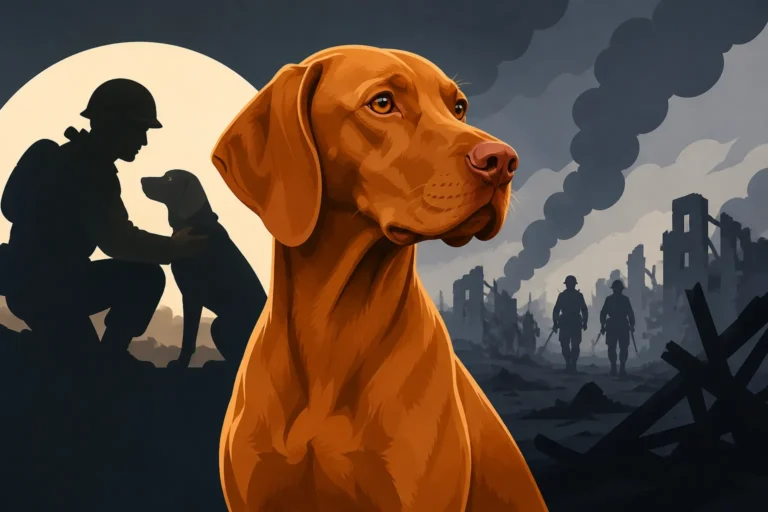
What Shade a Vizsla’s Coat Should Be
One of the most instantly recognizable features of a Vizsla is their stunning coat. That striking, uniform "golden rust" color is truly their signature, setting them apart in a crowd. However, if you're a new Vizsla owner or even just considering bringing one of these magnificent dogs into your home, you might find yourself wondering about the exact shade. What does "golden rust" really mean? Is there a right or wrong? It’s a common question, and this guide is here to help you understand the nuances of the Vizsla coat color, from the ideal standards to natural variations and how to keep it looking its best.
The Iconic Golden Rust: Defining the Vizsla Standard
When you first lay eyes on a Vizsla, that rich, warm, almost luminous coat color is usually what catches your attention. It's unique, and it’s a defining characteristic of the breed. But what exactly is "golden rust," and what does the breed standard say about it? Understanding this helps appreciate the specific beauty of these dogs.
The Official Description and its Nuances
The official breed standard for the Vizsla generally describes the coat color as "golden rust" or "russet gold." This isn't just any red or brown; it's a very specific hue that is rich, deep, and without being overtly red like an Irish Setter, nor too light and yellow like some other breeds. Think of it as the color of a newly minted copper penny, or perhaps the warm glow of an autumn leaf just turning. It should be uniform throughout the body, though minor variations in shading are not uncommon, especially in different lighting. The key is that the color is distinctly golden with a strong reddish undertone, creating that characteristic "rust" effect. It's a striking color that makes them easily identifiable. Historically, this color was also prized for camouflage in the fields of Hungary where they originated, allowing them to blend seamlessly with the dry grasses and rich earth.
Nose and Eye Color Connection
A hallmark of the Vizsla's distinctive appearance is the way their nose and eye color complement their coat. The breed standard dictates that the nose leather should be self-colored, meaning it should blend harmoniously with the coat. It shouldn't be black or pink. Instead, you'll find it's a shade of brown that is in perfect sync with their golden rust fur. This creates a beautifully cohesive look across their face. Similarly, their eyes are expected to be medium brown, again, blending into the overall warm tones of their head. You won't see light or blue eyes in a purebred Vizsla. This attention to detail in the standard ensures that the Vizsla presents a harmonious and elegant picture. This connection between coat, nose, and eye color is one of the most beautiful and integral parts of their breed identity. For more on this, you might want to read Why a Vizsla's Nose Matches Its Coat and Whether a Vizsla's Eyes Blend Into Its Coat.
Minor Markings and Their Acceptability
While the Vizsla's coat is prized for its uniformity, it's not uncommon to see very minor white markings. The breed standard generally allows for a small amount of white on the chest and occasionally on the toes. However, these markings should be minimal and not distracting. A large white patch on the chest, or significant white on the feet, is typically considered a fault in the show ring, but it certainly doesn't impact the dog's ability to hunt or be a wonderful companion. It’s important to remember that these are aesthetic considerations for conformation showing, not indicators of health or temperament. Many beautiful, healthy Vizslas have these slight deviations. What’s truly valued is the overall quality and uniformity of the primary golden rust color. If you're curious about the specifics of these markings, check out Whether White Markings Are Allowed on a Vizsla.
Understanding Variations from the Ideal Vizsla Shade
While the "golden rust" is the standard, Vizsla coats can present with a spectrum of shades within that general description. It’s natural for owners to wonder if their dog's particular hue falls within the acceptable range or if it’s a significant deviation. These variations are part of what makes each Vizsla unique, even if some might be less favored in the show ring.
Too Dark or Too Pale
You might encounter Vizslas that appear a bit darker than the quintessential "golden rust," sometimes leaning towards a deep liver or mahogany shade. Conversely, some can be noticeably paler, almost a light sandy or yellowish hue. Both extremes are generally considered deviations from the ideal in the breed standard. A coat that is too dark might lose some of that characteristic golden warmth, while one that is too pale can lack the rich "rust" depth. In the conformation ring, judges are looking for that specific balance. However, in the vast majority of cases, these shade differences are purely cosmetic. A dog with a slightly darker or paler coat is just as much a Vizsla in spirit, just as capable in the field, and just as loving a family member. These variations highlight the natural genetic diversity within the breed. To learn more about these specific deviations, explore Whether a Vizsla Can Be Too Dark and Whether a Vizsla Can Be Too Pale.
The "Red" Vizsla Versus Golden Rust
It’s easy to describe a Vizsla as "red," given the strong reddish tones in their coat. However, within the specific context of breed standards, "red" can sometimes imply a color closer to an Irish Setter’s deep, solid red, which is distinctly different from the Vizsla’s signature "golden rust." The Vizsla’s color has that inherent golden warmth and a unique luminosity that differentiates it from a purely red coat. When the standard calls for golden rust, it’s looking for that specific blend, not just a plain red. This distinction might seem subtle, but it's important for understanding the specific aesthetic goals of the breed. It’s more about the interplay of gold and red, rather than one dominating the other. This particular nuance is elaborated further in Whether a Red Vizsla Is Different From a Golden One.
Seasonal and Age-Related Changes
A Vizsla's coat is not a static canvas; it can change subtly over time and with environmental factors. Many owners notice their Vizsla's coat fading slightly in the sun, particularly if they spend a lot of time outdoors in bright conditions. The sun’s rays can lighten the hair, sometimes giving it a slightly bleached appearance. This is entirely normal and not a cause for concern. Similarly, as a Vizsla ages, their coat can become a bit duller or lighter, a natural part of the aging process, much like humans might experience changes in hair texture and color. This is especially true around the muzzle, where they often "go gray." Even Vizsla puppies might show slight variations in their coat color as they mature, typically settling into their permanent shade by their first birthday. These changes are expected and just add character to your beloved companion. You can delve into more details about these changes by reading Whether a Vizsla's Coat Fades in the Sun, Whether a Vizsla's Coat Dulls With Age, and Whether a Vizsla Puppy's Color Changes.
Here's a quick overview of acceptable versus less desirable coat traits:
| Trait Category | Acceptable/Ideal | Less Desirable/Fault |
|---|---|---|
| Main Coat Color | Golden rust, russet gold, uniform, luminous | Too dark (liver/mahogany), too pale (sandy/yellow) |
| Nose Color | Self-colored, blending with coat | Black, pink |
| Eye Color | Medium brown, blending with coat | Light, blue |
| White Markings | Small patch on chest, minimal on toes | Large patches, white on other areas, distracting |
| Coat Texture | Short, smooth, dense, lying close to the body | Long, wiry, fluffy, sparse |
Why Coat Color Matters (and When It Doesn't)
The precise shade of a Vizsla's coat is a topic that can spark a lot of conversation, especially among those involved in the breed. It truly matters in some contexts, while in others, it's barely a blip on the radar. Understanding this distinction can help owners appreciate their Vizsla, regardless of its exact hue.
Show Ring Versus Field Work
For those involved in dog shows and conformation events, the adherence to the breed standard regarding coat color is paramount. Judges meticulously evaluate every aspect of a dog's appearance, and a coat that is too dark, too pale, or has excessive white markings can be considered a fault. In this arena, the "golden rust" is not just a description; it’s a precise ideal that breeders strive to achieve and maintain. The uniformity and correct shade are essential for a dog to excel in the show ring.
However, when it comes to a Vizsla's primary purpose—being a versatile hunting dog in the field—the exact shade of its coat becomes far less important. A Vizsla’s ability to point, retrieve, and work tirelessly is what truly counts. A dog with a slightly darker coat will perform just as admirably as one with a perfect golden rust. Their drive, intelligence, scenting ability, and biddability are the traits that matter most to a hunter. While the golden rust color originally offered a degree of camouflage, its practical advantage is minimal compared to the dog's innate hunting instincts. So, for the vast majority of Vizslas who are beloved family companions and field partners, minor variations in coat color are simply part of their individual charm.
Health Implications, or Lack Thereof
It's a common and valid concern for dog owners to wonder if specific coat colors are linked to health issues. In some breeds, certain dilute colors (like blue or Isabella in Dobermans) can be associated with skin problems or other genetic conditions. Thankfully, with Vizslas, variations in the golden rust shade typically do not carry any known health implications. Whether your Vizsla is on the slightly darker or paler side of the spectrum, it's highly unlikely that this specific coat color difference will predispose them to any health problems.
Instead of focusing on the exact shade, it's more important to consider the overall health of the coat and skin. Vizslas have The Single Coat a Vizsla Has and Why It Changes Everything, which means they lack the insulating undercoat found in many other breeds. This makes their skin more exposed and can be a factor in their susceptibility to cold or superficial skin injuries in dense cover. Focusing on a healthy diet, proper grooming, and protecting their skin from the elements is far more beneficial for their well-being than worrying about a slight variation in their golden rust hue.
The Love of a Vizsla
Ultimately, the most important aspect of any Vizsla, regardless of its coat shade, is the incredible companionship and joy they bring into our lives. Whether your Vizsla is a show champion with a perfectly uniform golden rust coat or a beloved pet with a slightly darker or lighter shade, their personality, loyalty, and boundless energy are what truly define them. The bond you share with your Vizsla transcends superficial appearance. Their affectionate "Velcro" nature, their intelligent eyes, and their unwavering desire to be by your side are the qualities that make them so special.
So, while understanding the breed standard is interesting and important for breeders and show enthusiasts, don't let a subtle difference in coat color overshadow the incredible dog you have or are hoping to welcome into your home. Each Vizsla is an individual, and their unique shade of golden rust is just one facet of their overall charm. Remember, a dog is loved for its heart, not just its hue. You can find many products to support your Vizsla's overall health and happiness, like quality food, grooming tools, and toys, from retailers like Chewy.
Caring for Your Vizsla's Distinctive Coat
Given the Vizsla's single coat and active lifestyle, proper care is essential to maintain that beautiful golden rust color and, more importantly, the health of their skin. Their short, sleek coat is relatively low maintenance compared to some long-haired breeds, but it still requires attention.
Maintaining the "Golden Glow"
To keep your Vizsla's coat looking vibrant and healthy, a few key practices are essential. First and foremost, nutrition plays a massive role. A high-quality diet, rich in omega-3 and omega-6 fatty acids, will contribute significantly to a shiny, healthy coat. Many reputable dog food brands, easily found on platforms like Chewy, formulate their foods with skin and coat health in mind. If you're wondering Whether a Vizsla Needs Fish Oil, the answer is often yes, as these supplements can further enhance coat condition.
Beyond diet, sun protection is surprisingly important, especially for Vizslas with paler noses or bellies. While their coat protects much of their skin, prolonged sun exposure can lead to fading of the coat and even sunburn on sensitive areas. Using dog-safe sunscreen on exposed skin, especially during long outdoor adventures, can be beneficial. Regular bathing with a good quality shampoo designed for sensitive skin or short coats can also help. Just be sure not to over-bathe, as this can strip natural oils. If you're looking for specific recommendations, Which Shampoo Suits a Vizsla's Skin might offer some guidance.
Brushing and Shedding Management
Despite their short hair, Vizslas do shed. It's not usually as dramatic as a double-coated breed, but you'll definitely find their fine, stiff hairs on furniture and clothing. Regular brushing is key to managing this shedding and keeping their coat healthy. Aim for at least a few times a week, or even daily during peak shedding seasons. A rubber curry brush or a grooming mitt works wonders for removing loose hair and distributing natural oils, which helps maintain that healthy sheen. Not only does it reduce the amount of hair floating around your house, but it also provides a lovely massage for your dog and an opportunity for bonding. If you want more details on managing this, take a look at How Much a Vizsla Sheds and How Often a Vizsla Needs Brushing.
Protecting Their Thin Skin
The Vizsla's single, short coat means their skin is quite exposed, especially compared to breeds with thick double coats. This characteristic, while contributing to their elegant appearance and low "doggy smell," also makes them more vulnerable to cuts, scrapes, and environmental factors. When your Vizsla is out in the field, navigating dense brush or thorny undergrowth, their skin can be susceptible to tears. Always check your Vizsla thoroughly after any outdoor adventures for minor injuries or embedded grass seeds.
Furthermore, their lack of an insulating undercoat means they are sensitive to cold. The Cold a Vizsla Genuinely Cannot Handle is a real concern, and a protective coat or sweater is often necessary in chilly weather, even for short walks. Similarly, in direct sun, their thin skin can be prone to sunburn, as mentioned before, especially on the belly or bridge of the nose if it's paler. Consider a protective vest or clothing during hunting season or extreme weather to safeguard their delicate skin. Ensuring they have a warm, comfortable place to rest, perhaps with a soft blanket from Chewy, is also crucial year-round.
Disclaimer
This article is for general informational purposes only and does not constitute professional advice. Laws, prices and regulations vary by location and change over time. Consult a qualified professional for guidance on your specific situation.