Whether a Vizsla Reacts to Vaccines
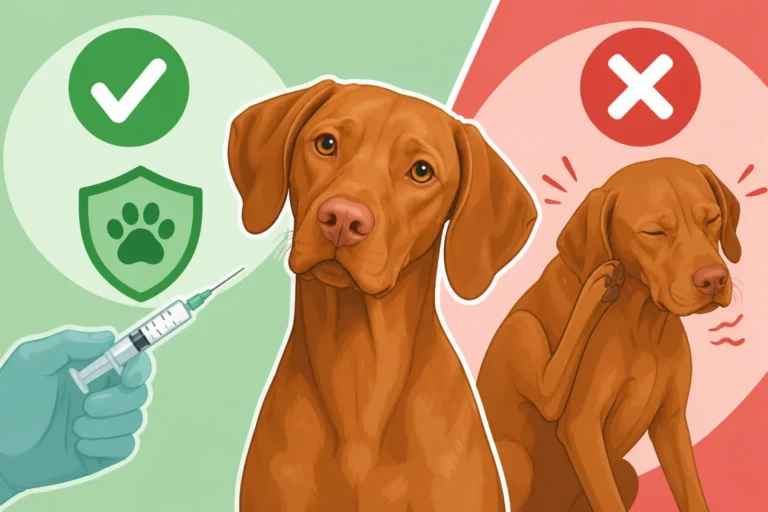
It’s a heart-stopping moment for any Vizsla owner: you take your beloved companion in for their routine vaccinations, only to notice a lump, a swelling face, or a sudden bout of lethargy afterward. The worry is immediate and intense. Are Vizslas particularly prone to vaccine reactions? What should you look for, and how can you best protect your sensitive dog? This comprehensive guide will walk you through everything you need to know about Vizslas and vaccine reactivity, offering practical advice and peace of mind.
Understanding Vaccine Reactivity in Vizslas
The decision to vaccinate our Vizslas is a cornerstone of responsible pet ownership, protecting them from a host of dangerous, even fatal, diseases. However, it's also a source of anxiety for many, especially when you consider the breed's known sensitivities. It feels like a delicate balance, doesn't it? On one hand, you want to shield them from distemper, parvovirus, and rabies. On the other, you dread the thought of an adverse reaction, knowing how profoundly their immune system can be impacted.
Why Vizslas Might Be More Prone to Reactions
Vizslas are a unique breed, and anyone who lives with one knows they’re not just physically active; they often have a finely tuned, sometimes overly responsive, immune system. This isn't just anecdotal chatter among owners; there's a recognized genetic predisposition within the breed to certain immune-mediated conditions. It's almost as if their bodies are designed to react strongly to invaders, sometimes even turning that powerful response inward. This heightened sensitivity means that when a vaccine introduces a weakened or dead form of a pathogen, a Vizsla's immune system can sometimes respond with more vigor than we'd ideally want, leading to a reaction. We often talk about how Why Vizslas Carry So Much Immune Disease, and this sensitivity extends to their response to vaccines, making careful consideration even more crucial.
It's a frustrating paradox: the very system designed to protect them can sometimes cause trouble. This isn't to say every Vizsla will react, or that vaccinations should be avoided, but it does mean we need to be extra vigilant and work closely with our veterinarians. This inherent "sensitivity" isn't a fault of the vaccine itself, but rather a characteristic of the breed's genetic makeup. Think of it like certain people having stronger reactions to medications or environmental allergens; it's just how their body processes things.
Types of Vaccine Reactions Seen in Dogs
Vaccine reactions in dogs, including Vizslas, can range from incredibly mild and self-limiting to severe, life-threatening emergencies. Knowing what to look for can help you differentiate between a normal post-vaccination sniffle and something more serious.
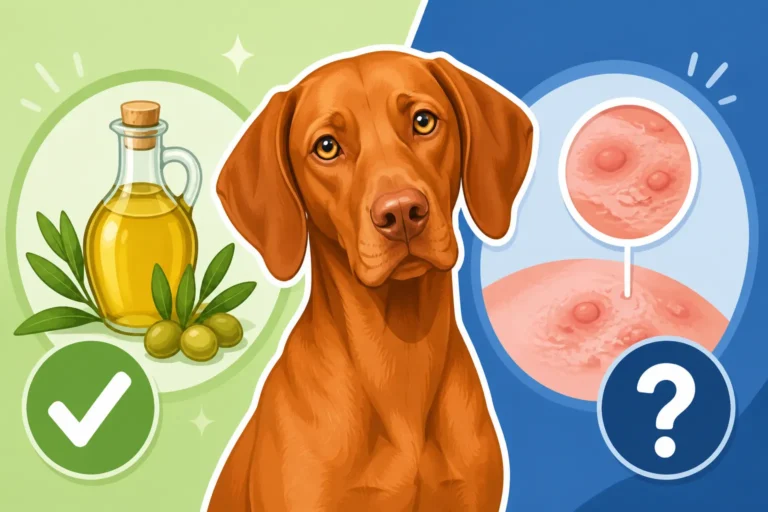
Most commonly, dogs experience mild, localized reactions. You might notice your Vizsla feeling a bit "off" for a day or two. They might be a little sleepier than usual, perhaps less enthusiastic about their morning run, or skip a meal. There might be some soreness, swelling, or even a small, firm lump at the injection site – particularly common after a booster. This is typically just the immune system doing its job, mounting a local inflammatory response, and it usually resolves on its own without intervention.
Moderate reactions, while more concerning, are also usually treatable. These can manifest as generalized symptoms like hives (urticaria), which appear as raised, itchy welts on the skin, often most noticeable on the belly or inside the legs. Facial swelling, especially around the muzzle and eyes, is another common moderate reaction, making your usually handsome Vizsla look like they've gone a round with a bee. Some dogs might experience gastrointestinal upset, such as vomiting or diarrhea. While distressing to witness, these reactions typically respond well to antihistamines and anti-inflammatory medications administered by your vet.
The most severe, and thankfully rarest, reaction is anaphylaxis. This is a true emergency and requires immediate veterinary attention. Anaphylactic shock is a rapid, whole-body allergic reaction that can involve multiple organ systems. Signs include sudden collapse, difficulty breathing (due to swelling in the throat or lungs), severe vomiting and diarrhea, pale gums, and a rapid, weak pulse. If you ever suspect your Vizsla is experiencing anaphylaxis, do not hesitate; get them to an emergency vet clinic immediately. This is one of those times when having robust pet insurance, such as a plan from Healthy Paws, can provide immense relief, allowing you to focus on your dog's immediate care without the added stress of unexpected emergency vet bills.
Common Vaccine Protocols and Vizsla Specifics
Navigating the world of canine vaccinations can feel overwhelming with all the different types, schedules, and recommendations. For Vizsla owners, this complexity is compounded by the breed's known sensitivities. It's not about avoiding vaccines entirely, but about making the most informed and safest choices for our individual dogs.
Standard Canine Vaccination Schedules
Generally, puppies receive a series of "core" vaccines starting around 6-8 weeks of age, typically given every 3-4 weeks until they are 16 weeks old. These core vaccines protect against distemper, parvovirus, adenovirus (hepatitis), and parainfluenza. Rabies, a legally mandated vaccine in most places, is usually given as a single dose around 12-16 weeks of age, with boosters every one or three years depending on local regulations and the specific vaccine used.
Beyond the core vaccines, there are "non-core" vaccines. These include protection against kennel cough (Bordetella), Leptospirosis, Lyme disease, and canine influenza. Your veterinarian will recommend these based on your Vizsla's lifestyle, geographic location, and exposure risks. For example, a Vizsla that spends a lot of time hunting in marshy areas or wooded fields might be at a higher risk for Leptospirosis and Lyme disease than a city dog. It’s a conversation worth having every year during their annual check-up.
Tailoring Vaccine Choices for Your Vizsla
Because of the Vizsla's delicate immune system, a "one-size-fits-all" approach to vaccination might not always be the best strategy. This is where a truly collaborative relationship with your veterinarian becomes invaluable. Rather than just blindly following a standard schedule, discuss your Vizsla's individual risk factors, their history of any previous reactions, and your lifestyle.
For example, if your Vizsla rarely leaves your fenced yard and has no exposure to other dogs or wildlife, certain non-core vaccines might be less critical. Conversely, if your Vizsla is an avid hunter, frequently interacting with game birds and other dogs at trials, their exposure risk is much higher, and additional protections, carefully considered, may be necessary. For Vizslas who spend a lot of time exploring outdoors, knowing Whether a Vizsla Eats Things in the Field can inform discussions about leptospirosis and other environmental risks.
One increasingly popular approach for Vizslas, especially after their initial puppy series and first adult boosters, is titer testing. Instead of automatically re-vaccinating, a blood test (titer) can measure the level of antibodies present from previous vaccinations. If your Vizsla still has protective antibody levels, a booster might be unnecessary at that time. This can reduce the overall vaccine load on their immune system while still ensuring they are adequately protected. This is particularly relevant when considering Whether a Vizsla Needs Titers Instead of Boosters. It allows for a truly personalized vaccine protocol, aiming to vaccinate "no more often than necessary, but no less often than needed."
Recognizing and Managing Vaccine Reactions
Even with the most careful planning, vaccine reactions can sometimes happen. The key is to be prepared, know what to look for, and understand when to act. It's scary when your dog isn't feeling well, and that golden coat can't hide discomfort as easily as some longer-haired breeds.
Signs of a Mild to Moderate Reaction
After your Vizsla receives their shots, keep a close eye on them for the next 24-48 hours. Many mild reactions will manifest within this timeframe. Signs include:
- Lethargy and low energy: Your typically boundless Vizsla might be more subdued, sleeping more, or simply not wanting to play.
- Reduced appetite: Skipping a meal or two, or not eating with their usual gusto.
- Mild fever: While hard to detect without a thermometer, your Vizsla might feel warm to the touch or seem generally unwell.
- Soreness or a small lump at the injection site: This is very common. The lump should be small, soft, and not painful when lightly touched. It should gradually decrease in size over a few days to a week.
- Hives (urticaria): Raised, itchy bumps that can appear anywhere on the body, but are often visible on the belly, groin, or inside of the thighs.
- Facial swelling: Swelling around the eyes, muzzle, or ears. This can make their face look puffy and distorted.
For mild symptoms like lethargy or a small lump, simply monitoring your Vizsla closely is often sufficient. Ensure they have access to fresh water and a comfortable, quiet place to rest. If they're showing signs of moderate reaction, such as hives or facial swelling, it’s time to call your veterinarian. They may advise administering an antihistamine like diphenhydramine (Benadryl) at a specific dose, but always confirm with your vet first before giving any medication. They might also want to see your Vizsla to administer an injectable antihistamine or steroid for faster relief.
Recognizing and Responding to Severe Reactions
Severe vaccine reactions, particularly anaphylaxis, are rare but demand immediate, emergency intervention. Time is critical, and knowing these signs could save your Vizsla's life. Look out for:
- Sudden collapse: Your Vizsla might suddenly become weak, disoriented, and fall over.
- Difficulty breathing: This can manifest as rapid, shallow breathing, open-mouthed breathing, struggling for air, or bluish gums due to lack of oxygen.
- Severe vomiting and/or diarrhea: Profuse, uncontrollable gastrointestinal upset.
- Pale gums: A sign of shock, indicating poor circulation.
- Weakness or unresponsiveness: Your dog might be limp and unresponsive to your calls.
If you observe any of these signs, do not delay. Get your Vizsla to the nearest emergency veterinary clinic without a moment's hesitation. Call ahead if possible to let them know you're coming and what symptoms your dog is exhibiting. The vet team will work to stabilize your Vizsla, typically with intravenous fluids, epinephrine, antihistamines, and steroids.
For Vizslas with a history of moderate reactions, your vet might recommend administering an antihistamine before future vaccinations to help mitigate the response. They might also suggest giving vaccines one at a time, spaced a few weeks apart, rather than all at once, to pinpoint which vaccine might be causing the issue and to lessen the immune system's load. It's a proactive step that can make a big difference in preventing another scary experience.
Long-Term Considerations and Prevention
Preventing vaccine reactions is always preferable to treating them. For Vizsla owners, this often means taking a more thoughtful and individualized approach to their dog's vaccination schedule. It’s about being proactive and working closely with your vet to make choices that are right for your particular dog, especially considering the breed's immune predispositions.
The Role of Titer Testing
Titer testing is a game-changer for many owners of sensitive breeds like Vizslas. Instead of simply assuming your dog needs a booster shot every year or three, a titer test measures the level of antibodies in their blood against specific diseases like distemper, parvovirus, and adenovirus. If the antibody levels are high enough, it indicates that your Vizsla still has protective immunity, and a booster can safely be postponed.
This approach significantly reduces the frequency of vaccinations, minimizing the cumulative exposure to vaccine components and potentially lowering the risk of adverse reactions. For a breed already prone to immune-mediated conditions, this can be incredibly beneficial. However, it's important to remember that rabies titers, while available, typically do not replace the legal requirement for a rabies vaccination in most areas. Always check your local laws regarding rabies.
The pros of titer testing are clear: reduced vaccine burden, personalized care, and peace of mind that you're only vaccinating when necessary. The cons primarily involve cost – titer tests are generally more expensive than a vaccine booster – and the fact that you still might need to vaccinate if titers are low. Some pet insurance policies, like those from Healthy Paws, may cover diagnostic tests, which could potentially include titers if they are deemed medically necessary by your veterinarian to guide treatment or prevention strategies. This coverage can make the decision to opt for titers more financially feasible for many owners. Moreover, regular health screenings, including comprehensive thyroid panels, are often recommended for Vizslas, reinforcing the concept of individualized health management, and it might be worth discussing Whether a Vizsla's Thyroid Should Be Tested Yearly during your titer discussions.
Strategies for Minimizing Risk
Beyond titer testing, several strategies can help minimize the risk of vaccine reactions in Vizslas:
- Space Out Vaccinations: If your Vizsla requires multiple non-core vaccines (e.g., Lepto, Lyme, Bordetella) in addition to their core boosters, ask your vet about spacing them out over several weeks. This prevents overwhelming the immune system with too many antigens at once.
- Pre-medication: For dogs with a history of mild to moderate reactions, your vet might recommend giving an antihistamine (like Benadryl) a few hours before vaccination. This can help to dampen the allergic response.
- Vaccinate Healthy Dogs Only: Never vaccinate a Vizsla that is already feeling unwell, stressed, or on immunosuppressant medications. A compromised immune system is more likely to react poorly. Make sure they are in peak condition before their shots, especially when considering What Vizslas Are Most Often Treated For throughout their lives.
- Stay at the Clinic: After vaccination, wait in the veterinary clinic parking lot or reception area for at least 30-60 minutes. This allows you to be immediately on hand if a severe, acute reaction occurs, as these often happen within this window.
- Discuss Vaccine Type: Some vaccines come in different forms (e.g., killed vs. modified live). While not always an option, discussing this with your vet might offer alternatives for particularly sensitive dogs.
- Report All Reactions: Even mild reactions should be reported to your veterinarian so they can be noted in your Vizsla's medical record. This information is crucial for future vaccination planning.
By implementing these strategies, you can significantly reduce the risk and severity of vaccine reactions, ensuring your Vizsla receives necessary protection with the fewest possible adverse effects.
The "Vizsla Immune System" and Vaccines
The Vizsla breed's distinct immune system is a frequent topic of conversation among owners and veterinarians alike. It's often described as being "sensitive" or "overreactive," leading to a higher prevalence of autoimmune diseases compared to many other breeds. This characteristic understandably raises questions and concerns when it comes to vaccination.
Genetic Predisposition and Autoimmune Concerns
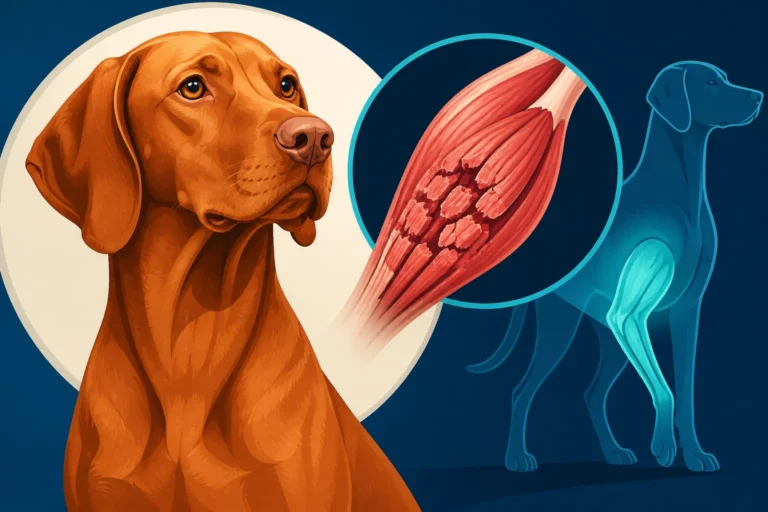
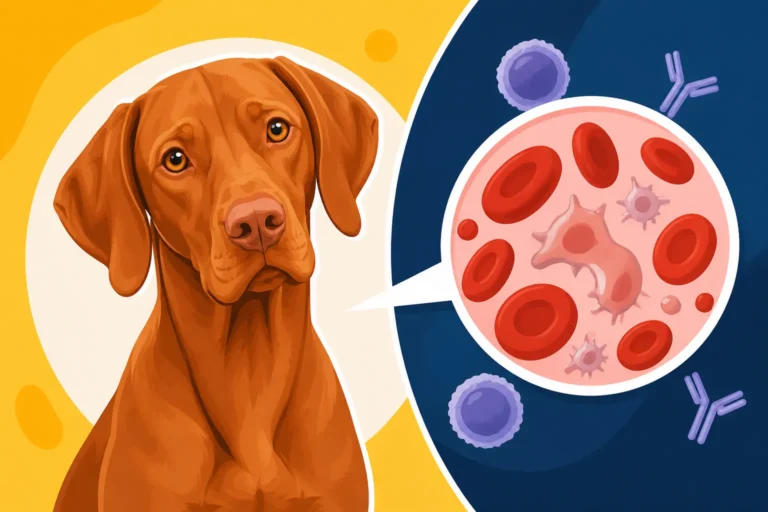
Vizslas are known to have a genetic predisposition to various immune-mediated diseases. This means their immune systems, while powerful, sometimes struggle to differentiate between foreign invaders and their own healthy tissues, leading to autoimmune attacks. Conditions like The Muscle Disease Named After the Vizsla, or Vizsla Inflammatory Polymyopathy (VIP), Sebaceous Adenitis and the Vizsla That Loses Its Coat, and even potentially Whether a Vizsla Gets Immune Mediated Anemia are examples of the types of challenges their immune systems can face.
The concern among many Vizsla owners is whether vaccinations, by stimulating an already sensitive immune system, could potentially trigger or exacerbate these underlying autoimmune tendencies. While scientific research on a direct, causal link between routine vaccinations and the onset of specific autoimmune diseases in Vizslas is complex and still evolving, the anecdotal evidence and veterinary observations suggest a need for caution and thoughtful planning. It’s not that vaccines cause these diseases in a healthy dog, but rather that in a genetically predisposed individual, the intense immune stimulation from a vaccine could potentially tip the scales if the system is already teetering on the edge of an autoimmune response. This is why understanding Why Vizslas Carry So Much Immune Disease is so vital for their overall health management.
This isn't to say vaccines should be abandoned; the diseases they protect against are often far more devastating than the potential for a reaction. Instead, it underscores the importance of minimizing unnecessary immune stimulation, hence the growing popularity of titer testing and individualized vaccine protocols.
Balancing Protection and Risk
The goal, then, is to strike a delicate balance: providing robust protection against highly contagious and potentially fatal diseases while minimizing the risk of adverse reactions or triggering latent immune issues. It's a nuanced discussion that requires open communication with your trusted veterinarian.
Your vet can help assess your Vizsla's individual risk profile based on their age, health history, lifestyle (e.g., exposure to kennels, dog parks, or hunting fields), and any family history of immune-mediated conditions. For example, a young puppy in a high-risk environment needs comprehensive initial protection. An adult Vizsla with a history of vaccine reactions and a low-exposure lifestyle might benefit from a less frequent vaccination schedule guided by titers.
Remember, diseases like parvovirus, distemper, and rabies are serious threats. Rabies, in particular, is almost always fatal and poses a public health risk. Vaccines are an incredibly effective tool for preventing these illnesses. The art is in using that tool wisely and judiciously for our sensitive Vizslas. Partnering with a veterinarian who understands the breed's specific needs and is willing to discuss alternative strategies, like titer testing or spaced-out vaccinations, is paramount for the long-term health and well-being of your dog, potentially extending The Twelve to Fourteen Years a Vizsla Lives in good health. And in the unfortunate event that a reaction or other health issue does arise, having pet insurance from a provider like Healthy Paws can be an absolute lifesaver, covering a significant portion of unexpected vet costs, giving you one less thing to worry about during a stressful time.
Specific Vaccines and Vizsla Sensitivities
While all vaccines carry some degree of risk, certain ones are sometimes associated with a higher incidence of reactions in sensitive breeds. Knowing which vaccines these are and discussing them specifically with your vet can empower you to make even more informed decisions for your Vizsla.
Rabies Vaccine Considerations
The rabies vaccine is unique because it's not just about protecting your dog; it's a critical public health measure, often legally mandated. This means that even if your Vizsla has had a reaction to it in the past, finding a safe way to administer it is usually necessary. This can be one of the most frustrating aspects for owners whose Vizslas have reacted badly.
Anecdotally, the rabies vaccine is sometimes singled out by owners as a culprit for more severe or delayed reactions in sensitive breeds. While this isn't universally true, it's a common enough concern that it warrants discussion. For Vizslas, the potential for an adverse response to this legally required vaccination is a real worry, making careful planning essential. This is precisely why a dedicated discussion like Whether a Vizsla Reacts to a Rabies Shot is so important for owners to understand.
Strategies to mitigate risk for the rabies vaccine might include:
- 3-Year Vaccine Protocol: If available in your area and legally permissible, opting for the 3-year rabies vaccine instead of the 1-year version reduces the frequency of vaccination over your Vizsla's lifetime.
- Single Vaccine Day: Never give the rabies vaccine concurrently with other vaccines, especially if your Vizsla has a history of reactions. Administer it on its own, separated by at least 2-4 weeks from any other vaccinations.
- Pre-medication: As with other vaccines, your vet might recommend pre-medicating with an antihistamine before the rabies shot.
- Post-Vaccination Monitoring: As always, close observation for several hours post-vaccination is crucial.
Leptospirosis and Lyme Vaccines
These two non-core vaccines are often recommended for Vizslas due to their active, outdoor lifestyles, especially if they are frequently in wooded or rural areas, near standing water, or interact with wildlife. Leptospirosis is a bacterial disease spread through the urine of infected wildlife (like deer, raccoons, rats) and can be picked up by drinking contaminated water or walking through infected soil. Lyme disease is transmitted by ticks. Given that many Vizslas are Whether a Vizsla Eats Things in the Field or drinks from puddles, their exposure risk can be high.
However, Leptospirosis and Lyme vaccines have historically been associated with a slightly higher rate of adverse reactions in some dogs, including breeds known for sensitivities. This is often due to the larger number of antigens in these vaccines, which can provoke a stronger immune response. Reactions typically manifest as lethargy, fever, soreness, and sometimes facial swelling or hives.
When considering these vaccines for your Vizsla, engage in a detailed discussion with your vet about their specific risk factors:
- Geographic location: Is Leptospirosis or Lyme prevalent in your area?
- Lifestyle: Does your Vizsla swim in natural bodies of water, frequent dog parks, or hunt in high-risk areas?
- Previous reactions: Has your Vizsla reacted to these vaccines (or any others) in the past?
If the risk of exposure is significant, the protection these vaccines offer is invaluable. If your Vizsla is at low risk, you might decide to forego them, or opt for a titer if that becomes available for these specific diseases. If you do choose to vaccinate, ensure they are given on a separate visit from other core vaccines, allowing your Vizsla’s immune system to process one challenge at a time.
Here's a quick summary table of common vaccine reactions:
| Reaction Type | Onset | Symptoms | Action |
|---|---|---|---|
| Mild Local | Hours to 1-2 days | Soreness, small lump at injection site, mild lethargy, decreased appetite | Monitor closely; provide comfort. Usually resolves on its own. |
| Moderate Systemic | Minutes to 24 hrs | Hives, facial swelling, mild vomiting/diarrhea, fever, generalized itching | Contact vet immediately for advice. May require antihistamines/steroids. |
| Severe (Anaphylaxis) | Within minutes to 1 hr | Collapse, difficulty breathing, severe vomiting/diarrhea, pale gums, weakness | Emergency Vet Immediately. Life-threatening. |
Ultimately, making informed decisions about your Vizsla's vaccination protocol is a partnership between you and your vet. Don't be afraid to ask questions, voice your concerns, and explore all available options to ensure the safest and most effective protection for your cherished companion.
Disclaimer
This article is intended for informational purposes only and does not constitute veterinary advice. Always consult with a qualified veterinarian regarding your Vizsla's specific health needs, vaccination schedule, and any potential reactions. Do not attempt to self-diagnose or treat your pet.