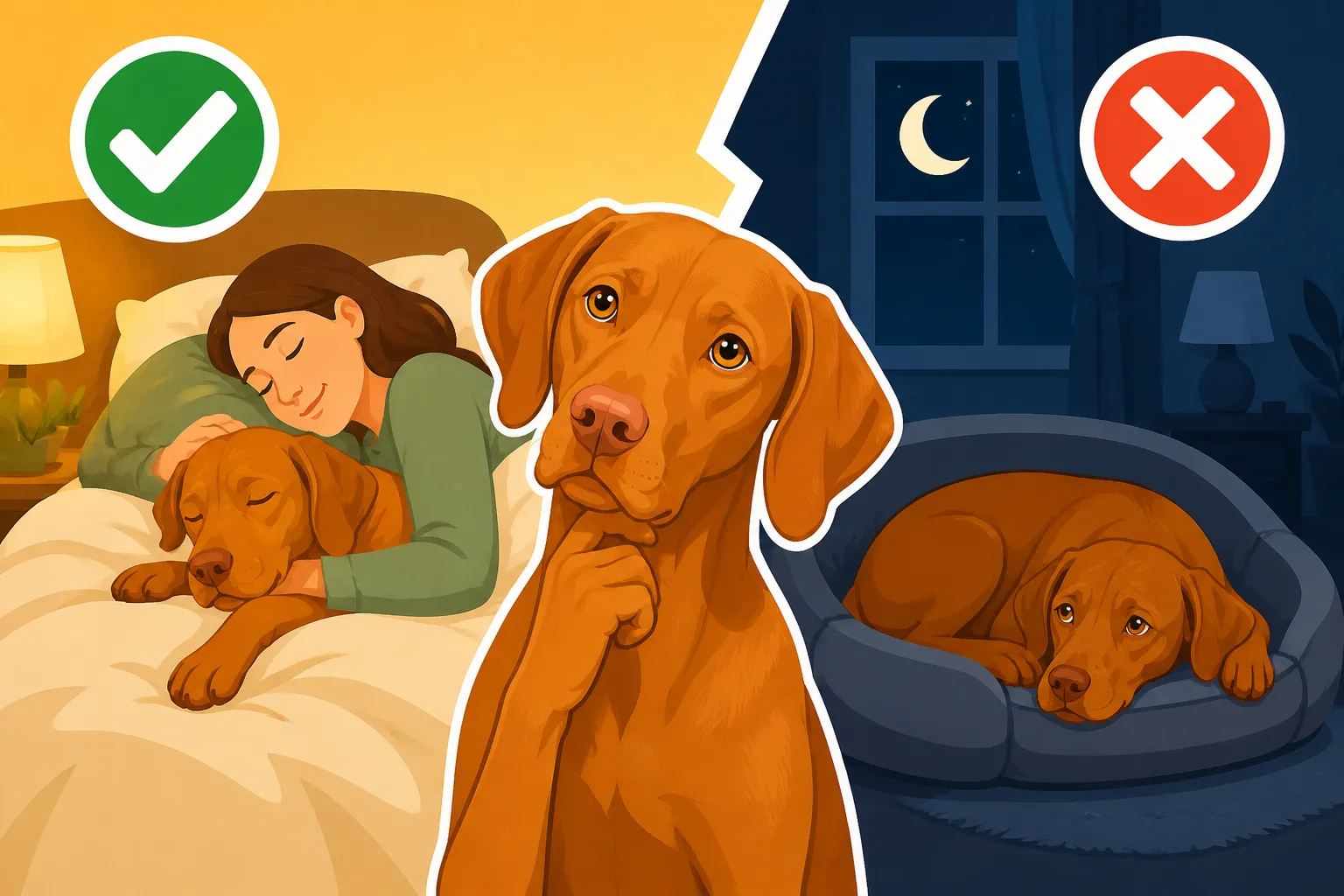
Whether a Vizsla Should Share a Bed for Warmth
As a Vizsla owner, you know that unmistakable shiver. It’s not always cold outside; sometimes it’s just a cool evening indoors, or perhaps they’ve just finished a vigorous run and are cooling down a little too fast. This often leads to the question: should I let my Vizsla snuggle into my bed for warmth? It’s a common dilemma, balancing our beloved dog’s comfort and our own sleep, not to mention the practicalities. This guide will dive deep into why Vizslas seem to always be seeking warmth, the pros and cons of sharing your bed, and how to create the coziest, warmest environment for your orange shadow, whether they're under your covers or in their own dedicated spot.
Understanding Your Vizsla's Unique Relationship with Cold
Vizslas are magnificent creatures, but their physical attributes make them particularly susceptible to cold. It’s not just a preference; it’s a physiological reality that dictates much of their behavior when the temperature drops. Understanding this is key to providing them the best care and comfort.
The Vizsla's Barely-There Coat
One of the first things you notice about a Vizsla is their stunning, short, sleek, golden-rust coat. It's beautiful, but it's not designed for insulation. Unlike many other breeds, especially those originating from colder climates, Vizslas lack a dense undercoat. They truly only have The Single Coat a Vizsla Has and Why It Changes Everything. This single layer, while fantastic for shedding burrs and drying quickly after a dip, offers minimal protection against the chill. Imagine going outside in just a t-shirt when everyone else is in a heavy sweater – that's often how your Vizsla feels.
When they’re out in the field, moving constantly, their internal furnace keeps them warm. But the moment they stop, or if they’re just lounging around the house, that warmth dissipates quickly. This is why you often see them seeking out sunbeams, burrowing into blankets, or, yes, attempting to crawl right into your lap or bed. Their body is simply telling them they need an external heat source to maintain a comfortable temperature. It’s not just being "needy" – it’s often a genuine physical need for warmth.
Why Shivering Isn't Always a Bad Sign But Can Be
That signature Vizsla shiver! It can send a pang of concern through any owner. Sometimes, it's a simple, physiological response to a drop in body temperature. You might notice Whether a Vizsla Shivers Indoors even when the house feels perfectly comfortable to you. This is often just their body’s way of generating heat – muscle contractions producing warmth. It’s similar to how humans shiver. If they've just come in from a brisk walk or settled down after a burst of energy, a little shiver might just mean they're cooling off and could use a warm blanket or a cozy spot.
However, it's crucial to learn to differentiate this normal cold shiver from shivering that signals stress, pain, or illness. If the shivering is accompanied by other symptoms like lethargy, loss of appetite, whimpering, or unusual behavior, then it’s time to investigate further and consult your vet. A Vizsla’s thin skin and high metabolism mean they can genuinely struggle with The Cold a Vizsla Genuinely Cannot Handle, so while a shiver isn't always an emergency, it's always a cue to assess their environment and comfort.
Beyond Temperature: The Emotional Need for Proximity
Beyond the physical need for warmth, Vizslas are renowned for their intense desire for closeness. They are often called "Velcro Vizslas" for a reason! They thrive on physical contact with their humans, and this isn't just a quirk; it's a fundamental part of their breed personality and emotional well-being. This is What Velcro Behavior Looks Like in a Vizsla, and it often translates into an irresistible urge to be right next to you, on you, or under the covers with you.
For a Vizsla, sharing your bed isn't just about getting warm; it's about cementing that bond, feeling secure, and being part of your "pack." It's comforting to them. They genuinely want to be The Vizsla That Sits On You Rather Than Beside You, and the ultimate expression of that is often an invitation into your sleeping space. This emotional drive can be just as powerful as their physical need for warmth, making the decision to share your bed even more complex, as you want to meet both their physical and emotional needs.
The Practicalities of Co-Sleeping with a Vizsla
While the idea of a warm, snuggly Vizsla sharing your bed is appealing, there are practical considerations that every owner should weigh before making it a regular habit.
Safety First: Setting Boundaries and Space
First and foremost, consider safety. A Vizsla, even a smaller female, can weigh a good 45-60 pounds and is quite muscular. If you're a restless sleeper, or if there are small children or elderly individuals in the bed, there's a risk of accidental bumps or even a dog being accidentally rolled on. It’s vital that everyone in the bed, including the dog, has adequate space to move comfortably and safely. You might find that your Vizsla pushes under a blanket, or Whether a Vizsla Sleeps Under the Covers is their preferred method of bed-sharing, which can add to the space crunch.
If you decide to let your Vizsla sleep with you, establishing boundaries is crucial. This might mean designating a specific side of the bed for them, or having their own blanket on the bed that they know is "theirs." Consistency is key, so they understand where they are allowed to be and don't take over the entire mattress. This also helps if you ever need them to sleep elsewhere, as they've learned not every inch of the bed is fair game.
Hygiene and Allergen Considerations
Let's be realistic: dogs, no matter how clean, bring certain elements into your bed. Vizslas have a short coat, but How Much a Vizsla Sheds might still surprise you. Those tiny, stiff hairs can weave themselves into bedding, requiring more frequent washing. And while Vizslas are known for having "no doggy smell," they still pick up dirt, pollen, and other outdoor debris, especially if they've been Whether a Vizsla Eats Things in the Field. This can mean a dirtier bed and potentially more allergens for sensitive individuals.
For those with allergies, even mild ones, a dog in the bed can exacerbate symptoms. The dander, saliva, and outdoor allergens they carry can accumulate in your sheets and pillows. Regular bathing (though not too frequent, to protect their skin) and diligently washing bedding more often can mitigate this. Consider using washable dog blankets on top of your covers that can be tossed into the laundry frequently, or investing in mattress and pillow protectors.
The Sleep Disruptions – For Both of You
Sharing your bed with a lively Vizsla can absolutely impact your sleep quality. While the warmth is certainly a benefit, think about the potential disruptions. Vizslas can be surprisingly active sleepers – twitching, stretching, sighing, and even full-on "running" in their dreams. Some Vizslas snore, others might shift around trying to find the perfect spot, nudging you with a cold nose or a bony elbow. Plus, they might need to get up for a drink of water or a potty break in the middle of the night, potentially waking you up in the process.
| Aspect of Bed Sharing | Potential Benefits for Vizsla | Potential Drawbacks for Owner |
|---|---|---|
| Warmth | Increased comfort, reduced shivering | Overheating for some humans |
| Bonding | Enhanced security, emotional closeness | Can reinforce separation anxiety |
| Space | Sense of belonging, physical comfort | Reduced personal space, discomfort |
| Hygiene | N/A | Increased laundry, allergens, dirt |
| Sleep Quality | Deeper, more relaxed sleep | Frequent waking, restlessness |
| Safety | Secure feeling | Risk of accidental injury (small children/elderly) |
It's a two-way street. If you're constantly being woken up, your sleep suffers, which can impact your mood and energy during the day. While your Vizsla might love sleeping with you, it's worth considering if they are also getting restful, uninterrupted sleep, or if they'd actually be more comfortable in their own designated, warm, and quiet space nearby. Sometimes, what we think they want isn't always what's best for both parties.
Alternatives and Enhancements for Warmth and Comfort
So, what if sharing your bed isn't the right fit, or you simply want to offer your Vizsla additional ways to stay toasty? There are plenty of fantastic options to ensure your beloved companion is warm and content.
Warming Options That Aren't Your Duvet
Creating alternative heat sources can be a game-changer for a cold Vizsla. One of the most effective solutions is a heated dog bed. These come in various styles and sizes, from simple pads that go under their regular bed to full orthopedic heated beds. Brands like K&H Pet Products offer a range of safe, low-wattage heated options that can provide consistent warmth throughout the night. You can find many of these convenient heated beds and blankets on platforms like Chewy or Amazon, making it easy to research and choose one that fits your Vizsla's needs and your home.
Beyond heated beds, consider extra blankets. Vizslas love to burrow, and a pile of soft fleece blankets can be incredibly comforting. You'll often see them nose their way under, creating a cozy den. For evenings when the house is cooler or after outdoor adventures, a dog sweater or a comfortable fleece house coat can make a huge difference, keeping their core temperature up without having to rely solely on your body heat. Remember, Whether a Vizsla Needs a Winter Jacket is often a resounding yes for outdoor activities, and sometimes, a lighter version is perfect for indoors too.
Creating a Cozy Canine Den
Every Vizsla deserves a dedicated "den" – a safe, warm, and comfortable space they can call their own. This could be a well-appointed crate or a comfortable dog bed in a quiet corner. The key is to make it as inviting as possible. Start with a plush, orthopedic bed that supports their joints, especially as they get older, as discussed in Beds That Suit an Arthritic Vizsla. Layer it with soft blankets. Many Vizslas appreciate a covered crate or a bed with high sides, which mimics the feeling of a den and helps trap warmth.
Strategic placement is also important. Avoid putting their bed near drafty windows or doors. Instead, choose a spot in a warmer part of the house, away from direct cold air currents. If you're concerned about them feeling isolated, place their den in your bedroom or a common living area where they can still feel connected to the family. This ensures they get the warmth they need while still being a part of your household's routine.
Managing Outdoor Exposure and Post-Hunt Chills
A significant part of keeping your Vizsla warm is proactively managing their exposure to cold, especially if they are a working dog. If your Vizsla hunts late season birds or enjoys winter hikes, you already know whether a Vizsla needs a coat for wet cold. A good quality, insulated, and waterproof dog coat is non-negotiable for outdoor activities in chilly or damp weather. This protects their delicate skin and helps them maintain core body temperature.
After any outdoor activity, especially if they've been wet, it's crucial to dry them thoroughly and get them warmed up quickly. Towel drying is usually sufficient, but for very cold or wet conditions, a dedicated dog drying coat can absorb moisture rapidly. Have a warm, dry bed ready for them to collapse into. A warm, nutritious meal can also help internally generate heat after a strenuous, cold outing. Being proactive about their outdoor care directly impacts their comfort indoors.
The Human-Canine Bond: Emotional Benefits of Sharing Space
Beyond the practicalities, there's an undeniable emotional component to sharing a bed with your Vizsla. It strengthens a unique bond that many owners cherish.
Deepening the Connection Through Physical Closeness
For many Vizsla owners, the gentle thrum of their dog's breathing next to them, the feeling of a warm body curled into theirs, is one of life's simple joys. This physical closeness undeniably deepens the bond between you and your Vizsla. It offers them immense comfort, security, and a profound sense of belonging. They feel truly integrated into the family, not just as a pet, but as a cherished member who shares your most personal space. This is especially true for a breed like the Vizsla, where their entire temperament is geared towards being close to their people.
It’s an affirmation of your love and acceptance. When your Vizsla snuggles in, they're not just seeking warmth; they’re seeking connection. And for us, it's a powerful reminder of the unconditional affection they offer. The simple act of Whether a Vizsla Sleeps in the Bed can be a profound experience, fostering a level of intimacy that's hard to replicate through other interactions. It can provide a sense of calm and well-being for both dog and human, often leading to a more relaxed and content household overall.
When Co-Sleeping Works Best And When It Doesn't
Co-sleeping isn't for everyone, and that's perfectly okay! It works best when both human and dog can achieve restful sleep without significant disruption. It often thrives in households where:
- There's ample space: A larger bed or a single human who doesn't mind sharing allows for comfort for both.
- The dog is well-behaved: A Vizsla who understands boundaries, doesn't jump on faces, or demand attention all night is a better bed-sharer.
- Hygiene can be maintained: Regular grooming and bedding changes are part of the routine.
- There are no allergies: This is a non-starter for individuals with moderate to severe pet allergies.
However, co-sleeping might not be ideal if:
- Your sleep is constantly disturbed: Chronic sleep deprivation isn't healthy for you.
- The Vizsla shows signs of separation anxiety: While they love closeness, sometimes constant physical contact can worsen underlying anxiety when you do have to leave them alone. It's better to teach them to be confident in their own space. Teaching a Vizsla to Be Alone is a crucial skill, regardless of where they sleep at night.
- There are safety concerns: As mentioned, small children, elderly individuals, or even very fragile adults might be at risk from an accidental bump from a restless dog.
- Hygiene becomes overwhelming: If the constant cleaning and hair management are too much, it negates the benefits.
Ultimately, the decision comes down to what works best for your individual household and your Vizsla’s specific needs. Some Vizslas are perfectly content in Why a Vizsla Needs Somewhere Warm to Sleep in their own bed right next to yours, while others truly thrive curled up against you. There’s no single right answer, only what creates the most harmonious and loving home for everyone involved. Just ensure their warmth needs are met, whether it's through your body heat or a cozy, heated bed of their own.
Disclaimer
This article is for general informational purposes only and does not constitute professional advice. Laws, prices and regulations vary by location and change over time. Consult a qualified professional for guidance on your specific situation.