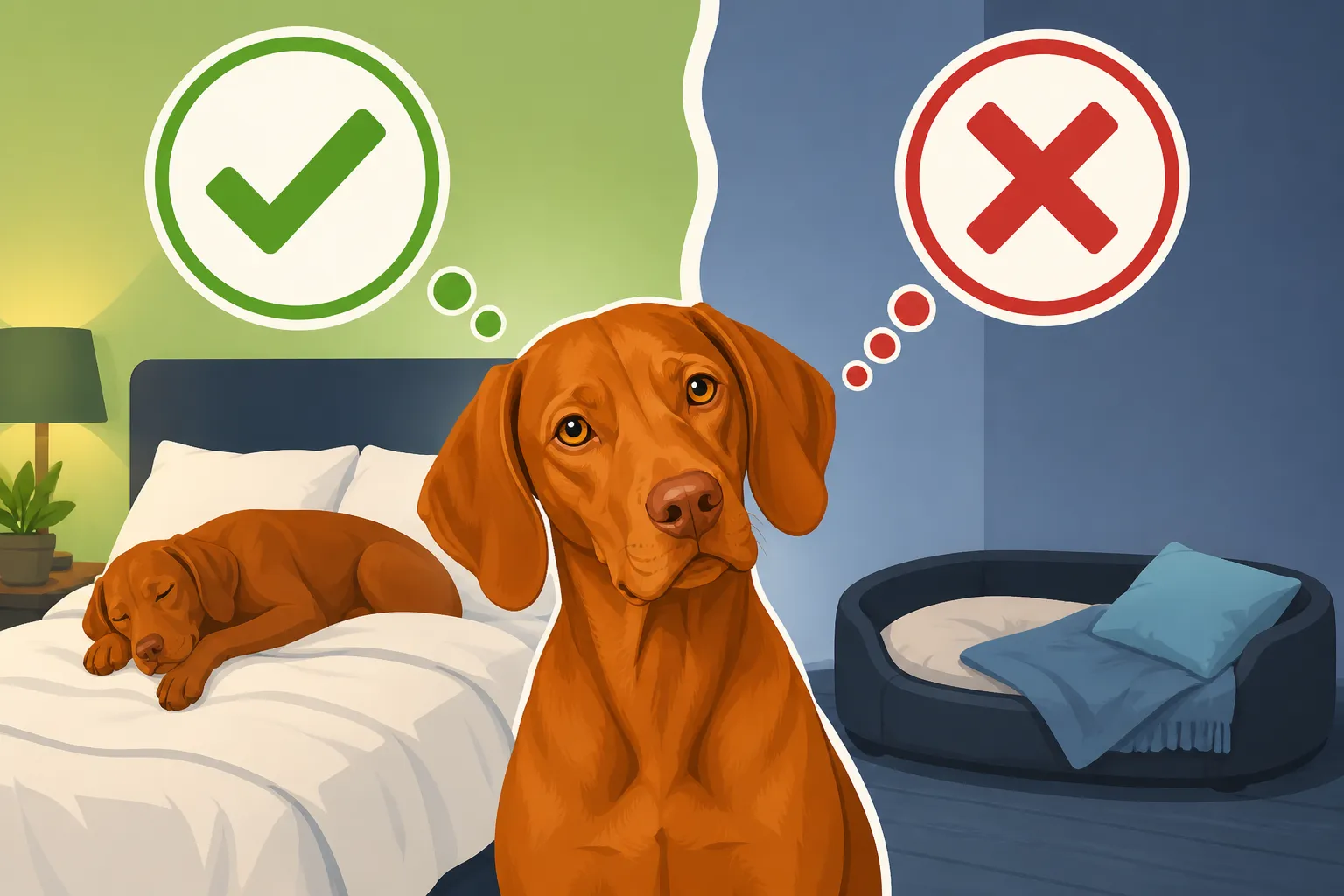
Whether a Vizsla Sleeps in the Bed
It’s a question that many Vizsla owners ponder, often with a mix of longing and practicality: should our beloved Velcro dog be allowed to sleep in the human bed? The pull to have your warm, loving companion snuggled up beside you can be incredibly strong, yet the realities of sharing a bed with a dog, especially one as active and affectionate as a Vizsla, come with their own set of considerations. This guide aims to explore the emotional, practical, and behavioral aspects of inviting your Vizsla into your bed, offering insights to help you make the best decision for your household and ensure everyone gets a good night's rest.
The Irresistible Pull of the Bed-Hogging Vizsla
Let’s be honest, there’s a certain magic to waking up next to a soft, warm Vizsla. Their deep sighs of contentment, the way they burrow under the covers, or simply the steady rhythm of their breathing can be incredibly comforting. It’s no wonder so many of us give in to their charm.
Why They Want to Be So Close
Vizslas are famously known as "Velcro dogs," and this isn't just a cute nickname; it's a fundamental aspect of their breed personality. They thrive on close physical contact with their humans, a trait deeply ingrained from generations of being companion hunters who worked closely alongside their people in the field and then shared their homes. For a Vizsla, proximity isn't just a preference; it’s a core need for security and connection.
When it comes to bedtime, this innate desire for closeness amplifies. They don't just want to be in the room; they want to be on you, or at the very least, pressed right up against you. You might find your Vizsla subtly inching closer throughout the night, using their whole body to stake their claim. This isn't them trying to dominate; it's their way of feeling safe, loved, and part of the pack. They literally want to be part of your personal space, and they’ll often communicate this with soft nudges, quiet sighs, or simply by melting into your side. If you've ever wondered What Velcro Behavior Looks Like in a Vizsla, their determination to share your bed is a prime example. They are rarely satisfied with just being near you; they want to be with you, feeling your warmth and hearing your heartbeat.
The Comfort and Security They Find
For a Vizsla, your bed represents the ultimate den. It’s warm, it smells like their favorite people, and it provides a sense of profound security that a lone dog bed, no matter how plush, simply can't replicate. The act of sharing a bed taps into their primal need for companionship and protection. In the wild, canids sleep together for warmth and safety, and your bed offers this same primitive comfort.
The routine of bedtime itself can become a calming ritual. As you settle in, your Vizsla settles too, often with an audible sigh of relief. This shared space reduces any potential anxiety about being left alone, creating an environment where they feel completely safe and loved. Many Vizslas also have a strong instinct to burrow, pushing themselves right under blankets or duvets. This isn't just for warmth, though Whether a Vizsla Pushes Under a Blanket can certainly be for that; it's also a way to create an even more secure, cave-like feeling, enveloping themselves in comfort.
The Argument for Deeper Bonding
From the human perspective, letting your Vizsla sleep in the bed often feels like a natural extension of your relationship. It’s an intimate act that many owners believe deepens the bond they share with their dog. There’s a quiet joy in feeling their presence through the night, a sense of unconditional love and companionship that can be incredibly comforting, especially after a long or stressful day.
For some, it’s simply part of the family dynamic. They see their Vizsla not just as a pet, but as a furry family member who deserves all the comforts of home, including the prime sleeping spot. Sharing the bed can foster a unique closeness, allowing for quiet moments of affection, like a gentle pat or a sleepy nuzzle in the middle of the night. This shared space can reinforce trust and emotional connection, leading to a Vizsla who feels even more secure and deeply integrated into your life. It's a testament to the powerful bond we forge with these sensitive dogs.
Practical Considerations and Potential Drawbacks
While the emotional benefits of bed-sharing are clear, it's equally important to consider the practical realities. What feels good in theory can sometimes be a challenge in practice, especially with a dog like a Vizsla.
Space, Sleep Quality, and Human Comfort
Vizslas are lean and elegant, but they are not small dogs. An adult Vizsla typically weighs between 45 and 60 pounds, and they have an uncanny ability to expand to fill every available inch of bed space. What starts as a small cuddle can quickly become a full-scale bed invasion, with your Vizsla stretched out, leaving you clinging to the edge. Their penchant for burrowing means they often end up under the covers, which can quickly turn a comfortable sleep into a warm, cramped battle for real estate.
Beyond sheer size, their sleep habits can impact yours. Vizslas are restless sleepers. They twitch, snore (oh, do they snore!), dream-run, and shift positions frequently. Many Vizslas also sleep with you but on you, seeking that constant physical pressure. This can lead to disrupted sleep for the human, constant waking, and waking up with aches and pains from awkward sleeping positions. If your Vizsla decides to perform a full 360-degree rotation or a "superman" stretch across the bed at 3 AM, your sleep quality will undoubtedly suffer.
Hygiene and Allergies
Let's address the less glamorous side of bed-sharing: hygiene. While it's true that a Vizsla has no doggy smell for the most part, especially compared to some other breeds, they still shed. Those short, fine hairs weave themselves into bedding, clothing, and anything else soft. If you or a family member has even mild allergies, this can exacerbate symptoms, leading to stuffy noses, itchy eyes, and general discomfort throughout the night.
Furthermore, Vizslas are active dogs that love the outdoors. They roll in dirt, run through fields, splash in puddles, and pick up all sorts of environmental allergens, dust, and pollen. Even with diligent grooming, a certain amount of this is transferred directly to your bed linens. While diligent flea and tick prevention is crucial for any dog, having them in your bed can feel like an added vector for these unwelcome visitors. Consider how often you'll need to wash your bedding to keep things fresh and hygienic. This isn't just about dirt; it's about all the microscopic hitchhikers they bring in from their daily adventures.
Behavioral Implications and Boundary Setting
For some dogs and owners, allowing the Vizsla to sleep in the bed can inadvertently blur boundaries, potentially leading to behavioral issues down the line. While Vizslas are generally eager to please and non-aggressive, allowing them unrestricted access to all human spaces, especially the most intimate ones, without clear rules can sometimes foster a sense of entitlement or, in rare cases, resource guarding of the bed itself. A Vizsla who growls if you try to move them or is reluctant to get off the bed could be exhibiting such behavior.
More commonly, bed-sharing can sometimes hinder a Vizsla's ability to be truly comfortable and independent when alone. Their "Velcro" nature already predisposes them to separation anxiety, and if their deepest comfort and security are always tied to your physical presence, it can make it harder for them to cope when you leave. Instead of learning to self-soothe in their own designated space, they might become even more dependent, leading to increased anxiety when you’re not there. This is a crucial consideration, especially if you're actively working on Teaching a Vizsla to Be Alone during the day. If they aren't ever given the opportunity to feel secure in their own space, even at night, that foundation of independence can be harder to build.
| Aspect | Pros of Bed-Sharing | Cons of Bed-Sharing |
|---|---|---|
| Bonding | Deepens emotional connection, enhances trust | Can create over-reliance, hinder independence |
| Comfort/Security | Provides warmth & security for the dog, calming | Disrupts human sleep, leads to overheating/cramping |
| Hygiene/Allergies | None for this category | Shedding, dander, dirt, allergens, increased laundry |
| Behavior | Strengthens sense of pack inclusion | Can blur boundaries, potentially lead to guarding |
| Logistics | Easy for the dog to settle | Takes up significant space, awkward sleeping positions |
Alternatives to Sharing the Human Bed
For many Vizsla owners, the thought of not sharing the bed with their beloved companion can be heartbreaking. But don't despair! There are wonderful, loving alternatives that still provide comfort, security, and closeness without sacrificing your own sleep or boundaries.
Creating a Cozy Canine Sanctuary
The key to a successful alternative sleeping arrangement is making your Vizsla's space just as inviting, if not more so, than your own bed. Invest in a high-quality dog bed. Forget flimsy cushions; Vizslas, with their thin skin and lean bodies, benefit immensely from orthopedic or memory foam beds that support their joints. Look for beds with bolstered sides, as many Vizslas love to lean or rest their heads on a soft edge. Brands like those found on Amazon offer a wide variety of durable, comfortable, and washable options that can withstand a Vizsla's active lifestyle.
Placement is critical. Initially, place their new bed right next to yours, allowing them to feel your presence. As they get comfortable, you might gradually move it further away, perhaps to the foot of your bed or even to a cozy corner of the room. Warmth is also a huge factor for these thinly coated dogs. Whether a Vizsla needs a heated bed is a common question, and for many, the answer is a resounding yes, especially in cooler climates or for older Vizslas. A heated bed can mimic the warmth of your body, making their space incredibly appealing. Providing soft, familiar blankets – perhaps an old, worn-out one that smells like you – can further enhance their sense of security.
Crate Training for Sleep Success
Crate training, when done correctly, is not a punishment; it’s about providing a safe, personal den for your Vizsla. A properly introduced and comfortable crate can become their ultimate safe space, a place they willingly retreat to for rest and security. Many owners find that Whether Crate Training Helps a Vizsla is a game-changer for independent sleeping.
To make the crate inviting, ensure it's the right size – large enough to stand up, turn around, and lie down comfortably, but not so large that they can soil one end and sleep in the other. Fill it with a soft bed, a cozy blanket, and a favorite, safe chew toy. Introduce the crate gradually, with positive reinforcement, feeding meals inside, and never using it for punishment. Over time, your Vizsla will associate the crate with peace and quiet. This can be particularly helpful for puppies during house-training, teaching them to hold it overnight, and fostering a sense of self-reliance from a young age. Many trainers, including those that offer online courses like BAXTER & Bella, emphasize the importance of making the crate a positive and secure space right from puppyhood.
Gradual Transition Strategies
If your Vizsla is already a bed-sharer, transitioning them to their own sleeping space requires patience and consistency. Start by making their new bed or crate incredibly appealing. Encourage them to spend time there during the day with treats and praise. At night, initially, you might allow them to start in your bed and then gently move them to their own spot once they’re deeply asleep. This strategy allows them to feel the comfort of closeness before settling into their designated area.
Gradually, reduce the time they spend in your bed, always making their alternative space the most comfortable and rewarding option. Use a consistent phrase like "go to your bed" and reward them when they comply. Consistency is the most important element. Even if they whine or try to jump back in the bed, calmly and repeatedly direct them back to their own space without anger. It might take a few nights or even a few weeks, but with persistence, most Vizslas will adapt. Remember, the goal is to create a positive association with their own sleeping area, not to make them feel banished. This gradual approach can prevent undue stress and reinforce good habits.
Making an Informed Decision for Your Household
Ultimately, the decision of whether your Vizsla sleeps in your bed is a deeply personal one, with no universal right or wrong answer. It depends on a unique blend of your dog's personality, your lifestyle, and your own preferences.
Assessing Your Vizsla's Temperament and Needs
Consider your individual Vizsla. Are they genuinely distressed when not physically touching you, or do they simply prefer it? Some Vizslas, due to their breed's inherent "Velcro" nature, truly struggle with separation, even at night. For these particularly sensitive souls, denying them the comfort of your bed might lead to increased anxiety, whining, or disruptive behavior throughout the night. It's not about spoiling them, but about addressing their deep-seated need for companionship.
Their age also plays a role. A young puppy, especially during The First Year With a Vizsla Puppy, might genuinely benefit from the close proximity for warmth and security as they adjust to their new home. Similarly, an older Vizsla, perhaps one who is becoming a bit arthritic or more sensitive to the cold, might find immense comfort and pain relief from being close to you, especially if The Old Vizsla That Still Wants to Hunt is slowing down but still craves closeness. Observing your Vizsla's individual cues and reactions will provide the best insights into their specific sleeping needs.
Evaluating Your Own Lifestyle and Preferences
This decision isn't just about the dog; it's about you, too. Are you a light sleeper who will be constantly woken by a restless Vizsla? Does the thought of dog hair and dirt in your bed genuinely bother you, or are you relaxed about hygiene? Be honest with yourself about your own comfort and sleep quality. Chronic sleep deprivation can impact your health, mood, and even your patience with your dog during the day.
Also, consider the long-term commitment. A Vizsla can live for The Twelve to Fourteen Years a Vizsla Lives, and if you start bed-sharing, it's often a commitment for their entire life. Are you prepared for that? Your own lifestyle changes – new partners, children, or moving to a smaller home – could make bed-sharing less feasible in the future, and it's much harder to change established habits later on. Thinking through these implications now can save headaches down the road.
Finding the Right Balance for Everyone
There is a vast middle ground between a Vizsla sleeping alone in an outdoor kennel and one hogging the covers every night. The goal is to find a solution that maximizes comfort and security for your Vizsla while ensuring your sleep and well-being aren't compromised.
Perhaps your Vizsla starts the night in their cozy dog bed right next to yours and, if they seem settled, you can let them join you for a morning cuddle. Or maybe a large, luxurious dog bed at the foot of your bed provides enough proximity without the full-on bed invasion. Some owners even choose to have two dog beds in the bedroom, allowing their Vizsla options. The important thing is consistency in whatever you decide. Once you've set a routine, stick to it to avoid confusion for your dog. Your Vizsla thrives on routine and clear expectations, and a consistent sleeping arrangement, whatever it may be, will contribute to their overall sense of security and happiness.
Disclaimer
This article is for general informational purposes only and does not constitute professional advice. Laws, prices and regulations vary by location and change over time. Consult a qualified professional for guidance on your specific situation.