Whether a Vizsla Rides Loose in a Car
It’s a common sight, isn’t it? That beautiful Vizsla, head out the window, ears flapping in the breeze, looking like the happiest dog on earth. Many of us have been there, enjoying the simple joy of our canine companions reveling in a car ride. But beneath that picture-perfect image lies a host of potential dangers, for both your beloved Vizsla and everyone else on the road. This guide is here to walk you through why letting your Vizsla ride loose in the car isn't just a risk, but a genuine safety concern, and to offer practical, empathetic solutions to keep them safe on every journey.
The Allure and the Hidden Dangers of an Unrestrained Vizsla
There's something undeniably charming about a dog freely enjoying the wind in their fur. We see it in movies, in advertisements, and it just feels natural for our adventure-loving Vizslas. They’re often so eager to join us, whether it’s a quick trip to the coffee shop or a longer haul to a hunting ground. Their enthusiasm is infectious, and it's easy to dismiss the risks when you see that happy, slobbery grin. But as responsible dog owners, we need to look beyond the immediate joy to the potential consequences.
Why the Open Window Seems So Appealing and Why It Isn't
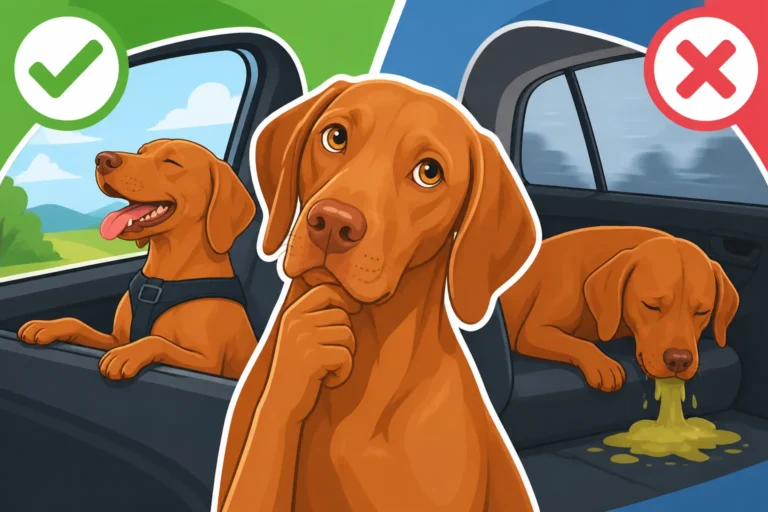
For a Vizsla, the car is often a gateway to excitement. It means a walk, a run, the field, or seeing their favorite people. Their boundless energy and curiosity make them naturally want to explore every scent and sight that whizzes by. An open window offers a sensory overload: new smells, sights, and the exhilarating rush of air. It’s like a doggy amusement park!
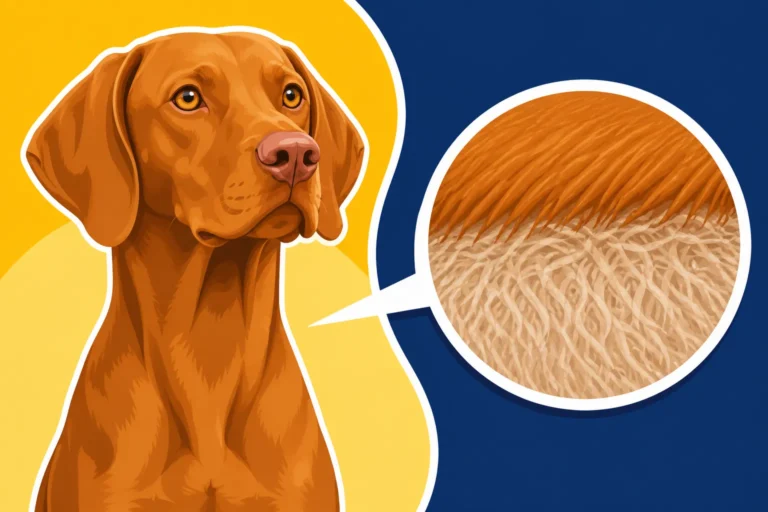
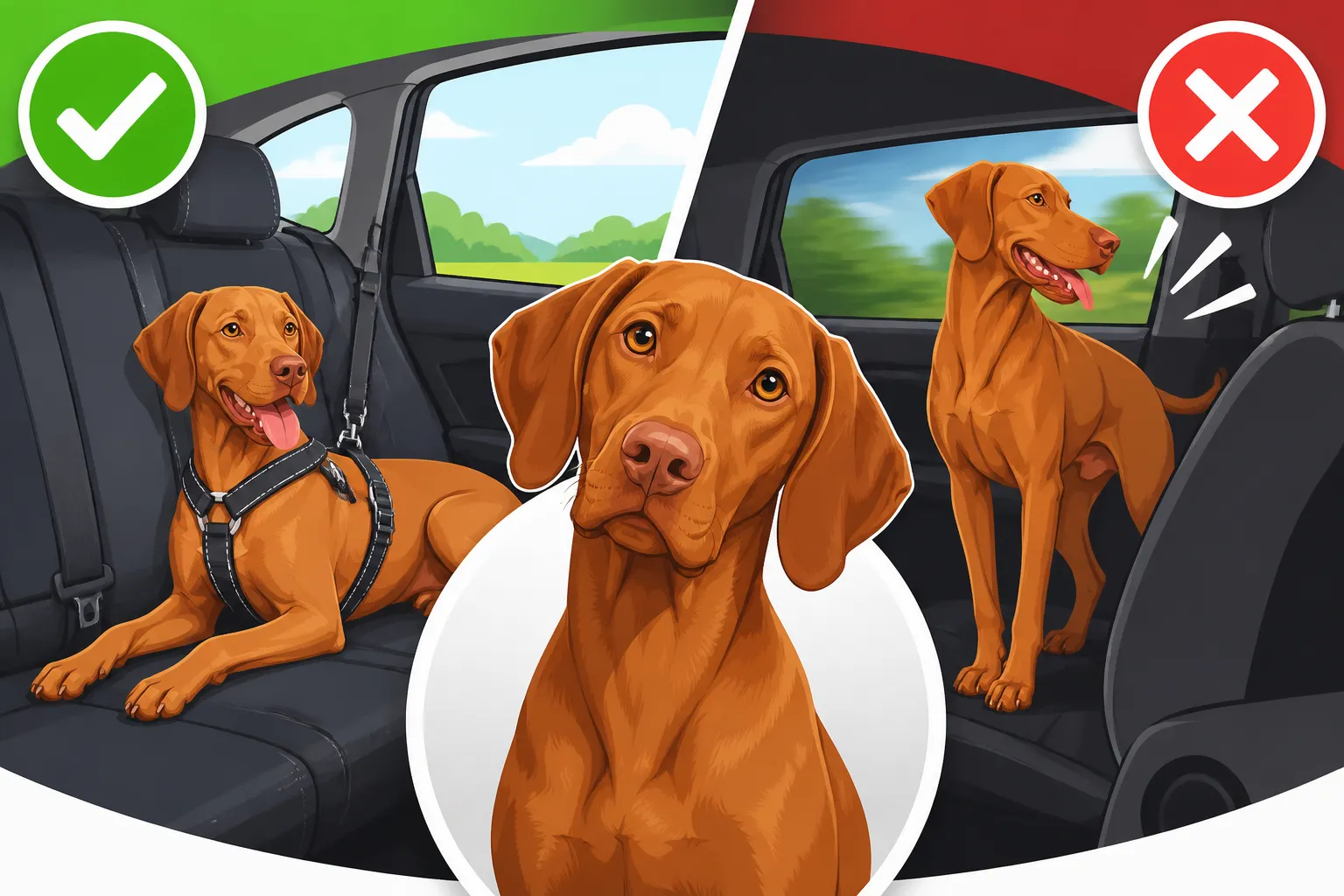
However, this seemingly innocent pleasure carries serious risks. A Vizsla leaning too far out a window could be struck by passing debris, a tree branch, or even another vehicle. I’ve heard horror stories of dogs jumping or falling out of moving cars, often with devastating results. Even if they don't fall, the constant rush of air at speed can lead to serious eye, ear, and respiratory problems. Dirt, dust, and insects can fly into their eyes, causing irritation, abrasions, or infections. Imagine the frantic pawing at their face when a bee gets caught in their eye – a dangerous distraction for the driver, not to mention agonizing for your dog. For a breed like the Vizsla, known for The Thin Skin a Vizsla Takes Into the Field, even a minor scrape from debris can become a more significant issue.
The Immediate Risks in an Accident or Sudden Stop
This is where the reality check truly hits home. We never plan for accidents, but they happen. A sudden stop, a fender bender, or a more serious collision can turn your loose Vizsla into a projectile. Imagine your 50-60 pound dog being thrown forward at impact. That force can cause severe, life-threatening injuries to your Vizsla, from broken bones to internal trauma. And because Vizslas are so stoic and often Whether a Vizsla Hides Its Pain, you might not immediately see the full extent of the damage.
But it’s not just about your dog. An unrestrained dog can also cause severe injury to human passengers. That same projectile force can hit a child, an adult, or even the driver. It's a sobering thought, but in an accident, your beloved companion could inadvertently become a lethal hazard to you or your family. Beyond collisions, even a sharp turn or emergency braking can send a loose Vizsla tumbling into the footwell, under pedals, or against hard surfaces. What if they end up tangled in your feet at a critical moment? The thought alone is enough to send shivers down any dog owner's spine.
Distraction: The Often Overlooked Hazard
Beyond the immediate physical dangers, a loose Vizsla is a significant distraction to the driver. This is a big one that often gets overlooked. A curious Vizsla might pace, whine, try to get into your lap, or nudge your arm. They might react to something outside by barking or lunging, startling you. Imagine driving down a busy highway, and your energetic Vizsla suddenly decides to explore the back seat, bumping your arm off the steering wheel or obscuring your view of the side mirror.
Even smaller distractions, like turning to check on them or reaching back to pet them, take your eyes off the road for crucial seconds. Those seconds are all it takes for an accident to happen. Vizslas are known for their "Velcro" nature, always wanting to be close. This affectionate trait, while endearing at home, can be a serious liability in a moving vehicle. Their strong prey drive also means a squirrel darting across the road could trigger a sudden lunge, further compromising your focus.
Understanding the Law and Your Responsibilities
It’s easy to think of pet safety in the car as purely a personal choice, but the truth is, there are legal and ethical responsibilities involved. Laws regarding pet restraint in vehicles vary significantly, but the general trend is towards increased awareness and regulation of pet safety on the road.
State and Local Regulations on Pet Restraints
While there isn't a universal federal law requiring pet restraints in cars across the entire country, many states, counties, and even cities have enacted their own regulations. These laws typically fall into a few categories:
- Distracted Driving Laws: Many jurisdictions consider an unrestrained pet a form of distracted driving, similar to using a cell phone. If your dog is moving freely in the car and your driving is compromised, you could receive a ticket.
- Specific Restraint Laws: Some states explicitly require pets to be restrained or in a carrier, particularly if they are in the front seat or if they could interfere with the driver. Laws often prohibit dogs from riding with their heads out the window or in the back of open pickup trucks unless safely secured.
- Cruelty or Neglect Laws: In extreme cases, if a dog is injured due to being unrestrained in a vehicle, owners could face charges related to animal cruelty or neglect.
It’s crucial to research the specific laws in your area and any areas you plan to travel through. What's legal in your hometown might not be legal a few states over. Ignorance of the law is rarely an excuse. A quick search online for "pet car restraint laws [your state/county]" can give you clarity. This isn’t about being punitive; it’s about acknowledging the very real danger and trying to prevent tragic outcomes.
Insurance Implications and Liability
This is another aspect many people don't consider until it's too late. If you are involved in an accident and your Vizsla was unrestrained, your insurance company might deny certain claims or increase your premiums. They could argue that your unrestrained pet contributed to the accident or increased the severity of injuries. For example, if your dog was loose and caused you to swerve or distracted you just before an impact, your liability could be significantly higher.
Furthermore, if your loose dog causes injury to another passenger, even a family member, or if they escape the vehicle post-accident and cause another incident, you could be held financially responsible. The medical bills, property damage, and legal fees could be substantial. This is why having pet insurance is so vital for a Vizsla, especially considering Insuring a Vizsla Against Immune Disease, but standard pet insurance usually covers your dog's injuries, not liability for damages or injuries they cause to others in an accident due to being unrestrained. Think about the peace of mind that comes with knowing you’ve done everything to mitigate these risks.
What It Means to Be a Responsible Vizsla Owner on the Road
Being a responsible Vizsla owner means prioritizing their safety and the safety of others. While the image of a loose, happy Vizsla is romanticized, the reality is far from it. It means making the conscious decision to secure your dog for every car ride, no matter how short.
This responsibility extends beyond just physical restraint. It includes:
- Checking equipment: Ensure harnesses, seat belts, and crates are in good condition and properly fitted.
- Hydration and breaks: On longer trips, plan for regular stops for water and potty breaks.
- Temperature control: Never leave your Vizsla in a hot car, even for a few minutes. Their single coat makes them less tolerant to cold, but they can still overheat quickly. Whether a Vizsla Handles a Hot Summer is a crucial consideration.
- Emergency preparedness: Have a pet first-aid kit readily accessible.
Ultimately, it’s about creating a safe travel environment that reduces stress for everyone. Your Vizsla will adapt to being restrained, especially if you introduce it positively.
Safe and Practical Restraint Options for Your Vizsla
The good news is that there are many excellent, safe, and relatively affordable options available to keep your Vizsla secure in the car. It’s not about restricting their joy, but channeling their energy into a safe travel routine. The market has truly evolved to offer solutions for every type of vehicle and dog. You can find many of these options easily through retailers like Chewy or Amazon.
Crash-Tested Harnesses and Seat Belts
For many Vizsla owners, a crash-tested safety harness combined with a seat belt attachment is the ideal solution. These harnesses are specifically designed to distribute crash forces across the dog’s chest, minimizing injury, unlike a standard walking harness which can put dangerous pressure on the neck. They typically connect to your car's existing seat belt system.
- How they work: The harness wraps around your Vizsla's body, and a strap or loop on the back connects to a seatbelt clip. This clip then buckles into the car's seat belt receiver, or sometimes loops around the existing seat belt itself.
- Pros: Allows your Vizsla some movement (to lie down, sit up), keeps them on the seat, relatively easy to put on, and generally more affordable than a large crate. They can also double as walking harnesses when you reach your destination.
- Cons: Not all harnesses are truly crash-tested and certified, so research is critical. Look for certifications from organizations that conduct rigorous testing. Some dogs might still get tangled if they move excessively, or chew through the tether if not properly supervised. It's vital to get the correct size for your Vizsla, which can vary wildly.
- Best for: Vizslas who prefer to ride on the seat next to a person, in the back seat.
Secure Crate and Kennel Solutions
For ultimate safety, especially for dogs who are already crate-trained, a crash-tested travel crate or kennel is often considered the gold standard. These are designed to withstand significant impact, protecting your dog from crushing forces and keeping them contained.
- How they work: The crate is placed in the back of the vehicle (often in the cargo area of an SUV or hatchback, or secured in the back seat) and then secured using straps, anchors, or the vehicle’s LATCH system. Your Vizsla rides inside the crate, fully protected.
- Pros: Provides a secure, enclosed space that prevents your dog from becoming a projectile or being injured by flying debris. It also prevents them from distracting the driver. Many dogs find crates comforting, seeing them as their safe den. This is especially good if you’re traveling to a hunting trip and need your dog contained safely at your destination too, like Whether a Vizsla Needs a Crate in the Truck.
- Cons: Can be expensive, especially for certified crash-tested models. They take up significant space and can be heavy. Your Vizsla might need to be crate-trained for this to be a positive experience.
- Best for: Owners prioritizing maximum safety, Vizslas who are comfortable in crates, or those with ample cargo space.
Barriers and Dividers: A Partial Solution
Car barriers and dividers can be useful for keeping your Vizsla in a specific area of the vehicle, like the back cargo space of an SUV, or separating the front and back seats. However, it's crucial to understand that these are not a primary safety restraint in an accident.
- How they work: These can be made of mesh, metal, or plastic and are installed to create a physical separation. They might attach to headrests, pressure-mount, or be custom-fitted.
- Pros: Prevents your Vizsla from accessing the front seats, which reduces driver distraction. It keeps them contained in a designated space.
- Cons: Does not protect your Vizsla from injury in a sudden stop or crash. They will still become a projectile within their confined space, potentially hitting the barrier itself or other hard surfaces. They offer no protection from outside forces.
- Best for: Use in conjunction with another restraint method (like a harness or a crate within the cargo area) to add an extra layer of containment, or for very short, low-speed trips where the primary concern is preventing front-seat access.
Here's a quick comparison of common restraint options:
| Restraint Type | Primary Benefit | Accident Protection | Distraction Prevention | Space Required | Cost (General Shape) |
|---|---|---|---|---|---|
| Crash-Tested Safety Harness | Keeps dog on seat, some movement | Good | Fair to Good | Low (on seat) | Moderate |
| Crash-Tested Travel Crate | Maximum containment and impact protection | Excellent | Excellent | High (cargo/seat) | Higher |
| Dog Car Seat / Booster Seat | Elevates small dogs, secures | Fair to Good | Fair to Good | Low to Moderate | Moderate |
| Vehicle Barrier/Divider | Separates areas, prevents front seat access | None | Excellent (within area) | Moderate (install) | Low to Moderate |
| Standard Walking Harness/Leash | Not recommended | Poor/Dangerous | Poor | Low | Very Low (if already owned) |
Easing Your Vizsla into Car Travel and Restraint
Introducing any new routine to a Vizsla requires patience, positive reinforcement, and understanding. These dogs are intelligent and sensitive, and a negative experience can create lasting anxiety. Whether you have a new puppy or an adult Vizsla who’s always ridden loose, a gradual, positive approach is key to making car travel a safe and enjoyable part of their life. You want your Vizsla to see the car and their restraint as a normal, even pleasant, part of going on an adventure, not a punishment.
Starting Early: Positive Associations with the Car
The best time to start is when your Vizsla is a puppy. Even before they are fully vaccinated and ready for adventures, you can begin building positive associations with the car itself.
- Make it a happy place: Start by simply letting your Vizsla explore the car while it’s parked and turned off. Let them jump in and out, sniff around.
- Treats and play: Toss some high-value treats (perhaps some yummy Whether a Vizsla Needs a High Fat Diet appropriate snacks) into the car, play a quick game of "find it" in the back seat. What a Vizsla Will Work For often includes food!
- Short, positive sessions: Spend a few minutes inside the parked car with your Vizsla, offering praise and gentle petting. Make it a calm, low-pressure experience.
- Engine on, no movement: Once they’re comfortable, sit in the car with the engine running for a few minutes, still offering treats and praise, but don't go anywhere. This helps them get used to the sounds and vibrations.
- Very short rides: Start with incredibly short drives – just around the block. End on a positive note, perhaps immediately going to a fun destination like a park or for a quick walk. The goal is to make the car a predictor of good things, not just a means to an end. This can help prevent issues like Whether a Vizsla Gets Car Sick.
Gradual Introduction to Restraints
Once your Vizsla is comfortable with the car itself, introduce the chosen restraint method in a similar gradual fashion.
- Harness first: If using a harness, let them wear it around the house for short periods before trying it in the car. Associate it with positive things, like meal times or playtime.
- Crate in the house: If using a crate, make it their primary den at home. Feed them meals in it, give them special toys inside. Once they love their crate at home, transfer that positive association to the car. Whether Crate Training Helps a Vizsla is a resounding yes, for many aspects of their life, including car travel.
- Combine with car sessions: Once they accept the restraint, introduce it in the parked car. Buckle the harness, close the crate door. Give treats and praise generously. Gradually increase the time they spend restrained in the parked car.
- Short drives with restraint: Just like with the car itself, start with very short drives while restrained. Keep the first few rides quiet and calm. Have a family member ride in the back if possible, offering quiet reassurance and treats.
- Consistency is key: Always use the restraint, even for the quickest trip. Vizslas thrive on routine and predictability.
Making Car Rides a Calm and Enjoyable Experience
Beyond the initial training, there are ongoing ways to ensure car rides remain a positive experience for your Vizsla.
- Comfort items: Always bring a familiar blanket or their favorite chew toy (like something from Chewy or Amazon) into the car. The scent of home can be very comforting.
- Chew treats: A long-lasting chew or a stuffed KONG (you can find these on Amazon or Chewy, and even fill them with dog-friendly peanut butter or a bit of their Ollie fresh food) can keep them happily occupied during the ride, especially for dogs with mild anxiety or those prone to chewing.
- Appropriate exercise: A well-exercised Vizsla is a calmer Vizsla. If possible, give them a good run or mental workout before a long car trip. This can significantly reduce restlessness and anxiety in the car, helping them settle more easily.
- Calm demeanor: Your mood will transfer to your Vizsla. If you are stressed or rushed, they will pick up on it. Project a calm, confident attitude when getting them into the car.
- Safety checks: Before every drive, do a quick check: Is the harness snug? Is the crate securely anchored? Are windows open just enough for air without allowing too much head-out exposure?
By committing to these practices, you'll not only keep your Vizsla safe but also cultivate a more relaxed and enjoyable travel companion for years to come.
Disclaimer
This article is for general informational purposes only and does not constitute professional advice. Laws, prices and regulations vary by location and change over time. Consult a qualified professional for guidance on your specific situation.