Whether a Vizsla’s Belly Gets Sunburned
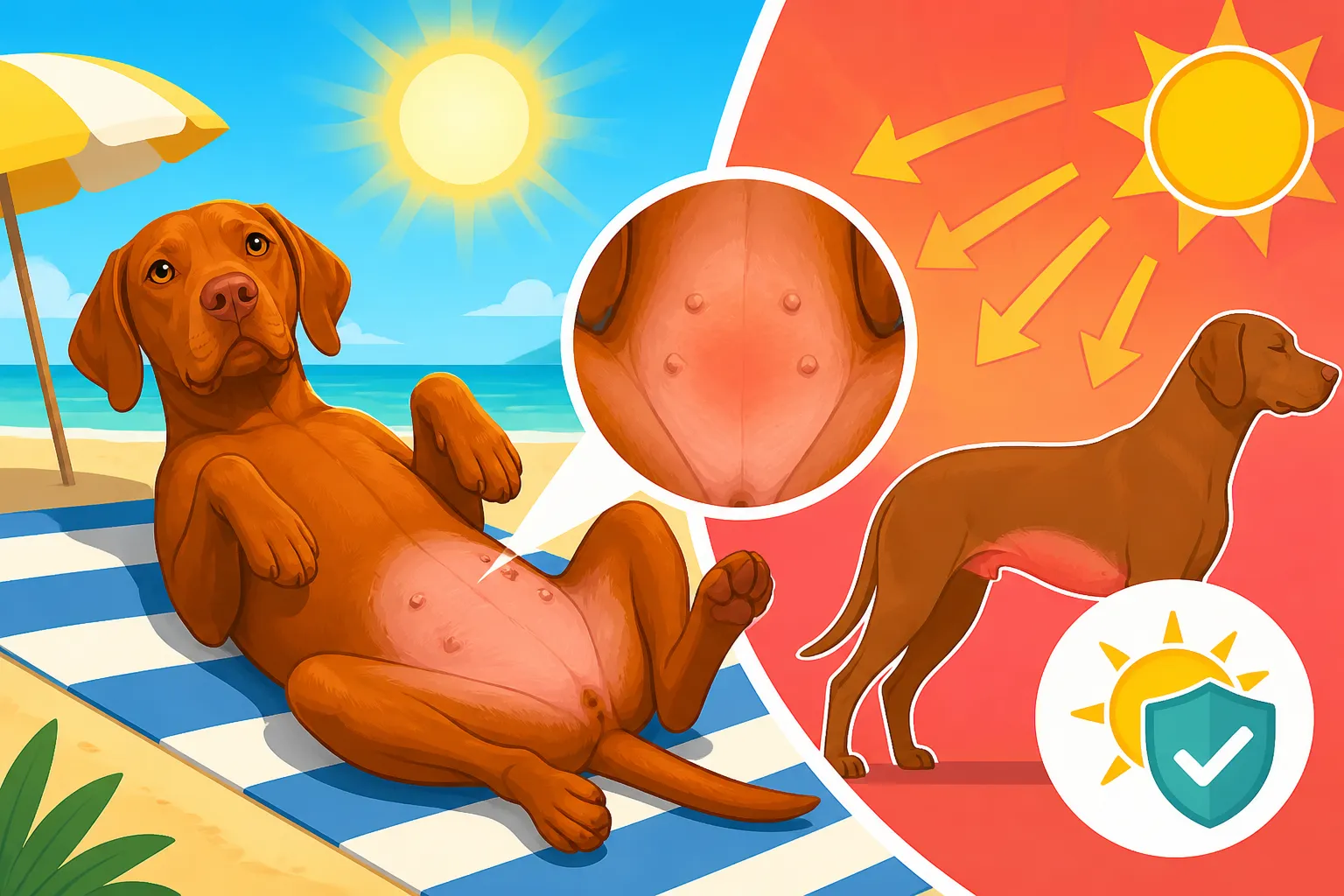
It’s a common sight for Vizsla owners: your beloved rusty shadow, after a vigorous play session or a long walk, flops down in a patch of sunlight and rolls over, exposing that soft, pale belly to the warmth. It looks idyllic, a picture of pure canine contentment. But as a Vizsla owner, you might find yourself squinting, a little concerned. With their famously thin coats and delicate skin, you can’t help but wonder: is that tender belly at risk of a nasty sunburn? This guide will address those worries, explaining why your Vizsla’s belly is so susceptible, how to spot the signs of sunburn, and most importantly, how to keep that precious skin safe from harmful UV rays.
Why a Vizsla's Belly is Prone to Sunburn
Vizslas are magnificent dogs, renowned for their striking golden-rust coat and athletic build. However, those very characteristics that make them so distinctive also leave them vulnerable to certain environmental factors, with sunburn being a significant one. Unlike many breeds with thick undercoats or dense fur, the Vizsla’s protection against the elements is minimal, especially on sensitive areas.
The Vizsla's Unique Coat and Skin
The Vizsla's coat is a marvel of efficiency for a hunting dog in milder climates. It's single-layered, short, and lies close to the body, allowing for quick drying after a dip in the water and reducing the likelihood of burrs getting tangled. It's often described in one of my other posts, The Single Coat a Vizsla Has and Why It Changes Everything, which really highlights its distinctive nature. While fantastic for streamlining through brush and preventing overheating during strenuous activity, this sleek design offers very little in the way of sun protection.
Think about your own skin when you spend time outdoors. Darker skin tones have more melanin, which acts as a natural shield against UV radiation. The Vizsla's golden-rust color, while beautiful, is a lighter pigmentation compared to, say, a black Labrador. This means their skin often has less natural melanin to begin with. On top of that, their skin itself is remarkably fine and thin, particularly on their bellies, inner thighs, and the bridge of their nose. You can often see the delicate network of veins just beneath the surface, a testament to how exposed that skin truly is. When your Vizsla flips onto their back, basking in the sun, there's virtually no fur to filter those intense UV rays, leaving that delicate, often pinkish skin entirely vulnerable. It's a bit like us going out with no sunscreen at all – the consequences are almost inevitable with prolonged exposure. Many owners don't realize just how easily their dog's skin can burn until they see the tell-tale redness. The truth is, that thin skin they take into the field, as discussed in The Thin Skin a Vizsla Takes Into the Field, is just as susceptible in the backyard.
Common Sun Exposure Scenarios
It’s not just about intentional sunbathing, although that’s certainly a major culprit. Vizslas love warmth and comfort, and finding a sunny spot to nap is often high on their agenda. The classic "belly-up" sunbathing pose is probably the most common way their delicate skin gets scorched. They seem to instinctively know that the sun feels good, but they don't understand the long-term damage it can cause. They’re just enjoying the moment, soaking up those rays.
Beyond the backyard lounge, consider other everyday scenarios. Extended time at the dog park on a bright day, a long hike through open fields, or even just hanging out on the patio can lead to too much sun. Water activities are particularly risky. If your Vizsla loves to swim in a lake or at the beach, the reflection of UV rays off the water dramatically increases exposure. Even after they towel off, or air dry, their skin is still vulnerable. And don't forget car rides! If your Vizsla likes to stick their head out the window, or just lies curled up in the sunbeam coming through the glass, prolonged exposure, even through a window, can contribute to cumulative damage. I’ve seen Vizslas get sunburned bellies just from lying on a boat deck for a few hours, or after a full day of field training under a clear sky. It's not always obvious, but the sun is relentless.
Recognizing and Treating Vizsla Sunburn
Spotting sunburn on a Vizsla can sometimes be tricky because their natural coat color can mask mild redness. However, knowing what to look for and how to react quickly is crucial for their comfort and health. Just like us, a severe sunburn is more than just an inconvenience; it can be quite painful and even lead to further complications.
Signs Your Vizsla Has a Sunburned Belly
When your Vizsla gets a sunburn, the symptoms are remarkably similar to what you’d experience. The first and most common sign is redness and inflammation. On their naturally lighter pink skin, this might be quite evident, but if their belly has a slightly darker pigmentation, you might need to look closely. It won't just be pink; it will be an angry, blotchy red, often with clearly defined edges where their coat offered some protection.
Beyond the visual, your Vizsla will likely exhibit pain and tenderness in the affected area. They might flinch or whine when you try to touch their belly, or they may become unusually protective of that region. You might notice them licking or chewing at their belly excessively, trying to soothe the irritation. The skin will feel warm to the touch, much warmer than the surrounding unburned skin. In more severe cases, you might observe the skin starting to peel a few days after the initial burn, much like human skin does. While rare, extreme burns can even lead to blistering, which is a serious medical concern. If your Vizsla also seems lethargic, has a reduced appetite, or is showing other signs of discomfort, especially after a very hot day, it could also be an indication that they're generally unwell from sun exposure or even heading towards heatstroke. This is why it’s important to always perform Checking a Vizsla Over After a Hunt, not just for cuts but for sunburn too.
First Aid and When to See the Vet
If you suspect your Vizsla has a sunburn, the first step is to get them out of the sun immediately and keep them in a cool, shady, or indoor environment. For mild sunburns, you can try some gentle first aid at home. Applying cool compresses (a cloth dampened with cool, not cold, water) to the affected area can help soothe the inflammation and provide immediate relief. Just hold it gently against the skin for a few minutes at a time.
Some owners consider using pure, alcohol-free aloe vera gel for minor burns, but it's absolutely critical to check with your veterinarian first. Many commercial aloe products contain ingredients that can be toxic if licked by dogs, and since your Vizsla will likely try to lick any applied substance, safety is paramount. Your vet can advise on a safe product or recommend alternatives. Never use human pain relievers or topical creams like hydrocortisone without veterinary guidance, as they can be harmful.
You should definitely see a vet if the sunburn is severe – if you see blistering, the skin is broken, your dog is in obvious pain, or a large area is affected. Signs of infection (pus, foul smell, increased redness or swelling) also warrant a vet visit. If your Vizsla seems lethargic, isn't eating or drinking, or has other signs of systemic illness, seek veterinary attention immediately. Your vet might prescribe dog-safe anti-inflammatory medications to reduce pain and swelling, antibiotics if a secondary bacterial infection has set in, or specialized topical creams designed for canine use. Ignoring a severe sunburn can lead to prolonged discomfort, skin infections, and potentially increase the risk of skin cancer later in life.
Preventing Sunburn on Your Vizsla's Delicate Skin
Prevention truly is the best medicine when it comes to sunburn for your Vizsla. With their minimal coat protection, being proactive about sun safety is a crucial part of their daily care, especially if you spend a lot of time outdoors. It's not just about comfort; it's about long-term health, helping you with Managing a Vizsla's Skin for Life.
Sunscreen for Dogs
Just like us, dogs benefit from sunscreen, but you absolutely cannot use human sunscreen on your Vizsla. Many human products contain zinc oxide or para-aminobenzoic acid (PABA), which are toxic if ingested – and your Vizsla will lick it off. Instead, invest in a dog-specific sunscreen. These formulations are designed to be non-toxic if licked and provide crucial UV protection. You can usually find these at your local pet store, or through online retailers like Chewy or Amazon.
When applying, focus on the most vulnerable areas: the belly, inner thighs, the bridge of the nose (Sunburn and the Pale Vizsla Nose is a great read on this), and the tips of the ears. If your Vizsla has any thinning patches of fur due to age, allergies, or other skin conditions, make sure those are protected too. Apply it generously about 15-20 minutes before going outside, allowing it to absorb a bit. Reapply every 2-4 hours, or more frequently if your Vizsla has been swimming or is sweating heavily from activity. Make it part of your routine before any extended outdoor adventure. I always keep a tube of dog-safe sunscreen right next to my own in the summer, because it's genuinely one of What a Vizsla Needs Every Day when the sun is out.
Protective Clothing and Shade
For Vizslas who spend a lot of time outdoors, especially near reflective surfaces like water, protective clothing can be a game-changer. Lightweight, breathable rash guards or UV protection shirts designed for dogs can provide an excellent physical barrier against the sun's rays. These are particularly useful for dogs who might try to lick off sunscreen. They come in various sizes and styles and can be a fantastic addition to your gear, especially for activities like paddleboarding, beach trips, or long hikes in open country.
Beyond clothing, actively seeking and providing shade is paramount. Try to limit your Vizsla's exposure during peak sun hours, typically between 10 AM and 4 PM. This might mean adjusting your walk schedule to early mornings or late evenings, or ensuring your dog has access to a shaded area in the yard. If you’re at an outdoor event or a field trial, bring along a portable shade solution like a pop-up tent or a large umbrella. Even setting up a tarp or parking your vehicle in a spot that casts a good shadow can make a big difference. Remember, simply being outside is not the problem; prolonged, unprotected exposure is the danger.
Dietary Support and General Skin Health
While sunscreen and shade offer external protection, a healthy diet plays a vital role in supporting your Vizsla's skin health from the inside out. Just like us, what they eat can impact the resilience and overall condition of their skin barrier.
Omega-3 fatty acids are well-known for their anti-inflammatory properties and their ability to promote healthy skin and coat. Incorporating a high-quality fish oil supplement or feeding a diet rich in these beneficial fats can contribute to a stronger, healthier skin barrier, potentially making it somewhat less reactive to environmental stressors like the sun. Many reputable brands offer specific supplements, and you can often find them at places like Chewy or ask your vet for recommendations. If you're considering dietary changes, you might look into whether Whether a Vizsla Needs Fish Oil specifically helps with skin resilience.
Beyond supplements, feeding a high-quality, balanced diet is foundational for overall health, including skin and coat condition. A nutritionally complete diet provides the necessary vitamins, minerals, and proteins to maintain healthy skin cells and a robust skin barrier. This means looking for premium dog foods, and perhaps exploring options from brands like Ollie, which focus on fresh, wholesome ingredients. Proper hydration is also absolutely crucial, especially in warmer weather. Ensure your Vizsla always has access to fresh, cool water, as well as electrolytes on long hunts. Well-hydrated skin is generally healthier and more resilient. While diet won't prevent a sunburn entirely, it creates a healthier canvas for all your external protective measures to work upon, and can help with recovery if they do experience irritation or even Whether a Vizsla Gets Hot Spots after an incident.
| Sunburn Prevention Method | Description | Key Benefits | Important Considerations |
|---|---|---|---|
| Dog-Specific Sunscreen | Topical cream or spray applied to exposed skin. | Direct protection against UV rays; easy to apply to specific vulnerable areas (belly, nose, ears). | Must be non-toxic (zinc-oxide/PABA free); requires regular reapplication; can be licked off. |
| Protective Clothing (e.g., Rash Guards) | Lightweight, breathable fabric shirts that cover the body. | Physical barrier against sun; ideal for extended exposure or water activities; prevents licking of sunscreen. | Can cause overheating in very hot weather; ensures proper fit for comfort and effectiveness. |
| Seeking/Providing Shade | Limiting direct sun exposure, using natural or artificial shade. | Most natural and effective prevention; prevents overheating; reduces overall UV exposure. | Requires planning; may limit outdoor activity during peak hours; portable options needed for open areas. |
| Omega-3 Fatty Acids | Dietary supplements or specific food formulas. | Supports overall skin health and resilience from the inside; anti-inflammatory properties. | Not a direct sunscreen; effects are cumulative over time; consult vet for dosage. |
Ultimately, caring for your Vizsla means being attentive to all their needs, and protecting that unique, delicate skin from the sun is definitely one of them. Enjoy those sunny days, but do so responsibly, for the sake of your loyal companion.
Disclaimer
This article is for general informational purposes only and does not constitute professional advice. Laws, prices and regulations vary by location and change over time. Consult a qualified professional for guidance on your specific situation.