Whether a Vizsla Burrows Under Blankets for Warmth
If you're a Vizsla owner, you've probably noticed it: that tell-tale lump under a pile of blankets on the sofa, or perhaps a deep burrow created within your own bed covers. It's a common sight that often sparks a question in our minds – why does my Vizsla do this, and is it just for warmth? This guide will dive deep into the fascinating world of your Vizsla's cozy habits, exploring the reasons behind their love for burrowing and how you can best support their natural need for comfort and security.
The Vizsla's Unique Sensitivity to Cold
Let's be honest, Vizslas aren't exactly built for arctic expeditions. Their stunning, short, sleek coat is beautiful to behold, but it's not designed for harsh winter conditions. Many Vizsla owners quickly realize that their typically robust and energetic dogs can become quite the shivering creatures when the temperature drops, even indoors.
Understanding the Single Coat
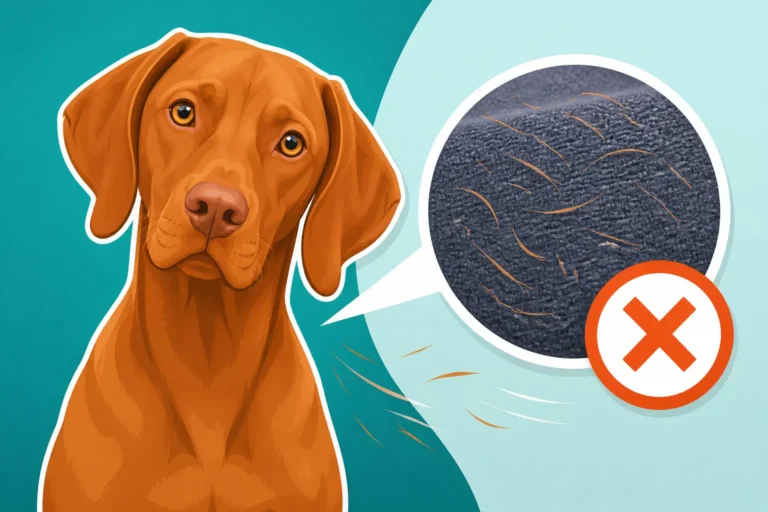
Unlike many other breeds that come equipped with a thick undercoat to trap warm air, the Vizsla possesses what we call a "single coat." This means they have one layer of fine, dense hair that lies close to their body. While this coat offers some protection from the elements, it simply doesn't provide the insulation needed to keep them toasty when it's chilly. Think of it like wearing a single thin sweater in winter – it’s better than nothing, but you'd definitely prefer a thick wool coat. This lack of a protective undercoat makes them particularly susceptible to cold, which is a major factor in their quest for warmth. It's an important characteristic to understand about The Single Coat a Vizsla Has and Why It Changes Everything.
Low Body Fat and High Metabolism
Beyond their single coat, Vizslas are naturally lean dogs with very little body fat. This sleek physique is part of what makes them such agile and athletic hunters, but it also means they have less natural insulation. Add to this their incredibly high metabolism – these dogs are bundles of energy, constantly burning calories – and you have a recipe for a dog that generates a lot of heat when active but can lose it quickly when at rest. Their bodies are optimized for movement, not for lounging in a cold spot. This combination of thin skin, sparse fur, and low body fat means they genuinely feel The Cold a Vizsla Genuinely Cannot Handle more acutely than many other breeds.
The Burrowing Instinct: More Than Just Seeking Heat
While warmth is a huge factor, the act of burrowing for a Vizsla often taps into deeper, instinctual behaviors. It's not just about turning up the thermostat; it's about comfort, security, and a primal desire for a den.
A Natural Denning Behavior
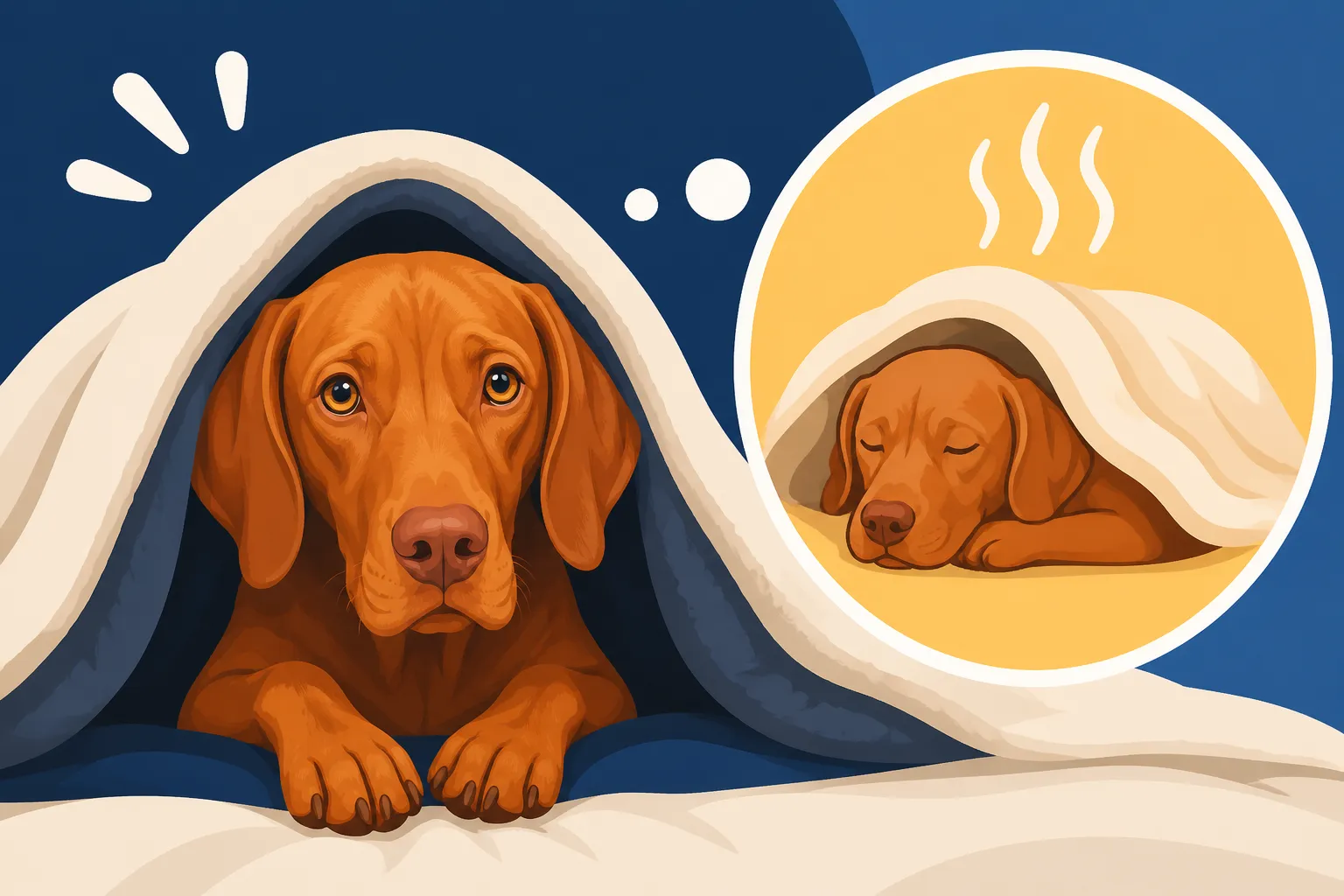
In the wild, canids seek out dens or secure, enclosed spaces to rest, raise their young, and feel safe from predators or harsh weather. Even though our Vizslas are domesticated companions, many retain a strong denning instinct. A pile of blankets, a dog bed with high sides, or even a tight squeeze under the duvet can mimic this natural den, providing a sense of security and enclosure. This feeling of being tucked away, protected on all sides, is incredibly comforting to them. This primal urge is a big reason Why a Vizsla Needs Somewhere Warm to Sleep.
The Need for Security and Comfort
Beyond just warmth, burrowing provides a profound sense of security for your Vizsla. Imagine being a dog in a large, open house – while safe, it might not always feel secure. Tucking themselves into a snug spot, hidden from view, offers a psychological buffer against perceived threats or just the general hustle and bustle of a household. It's their personal safe space, a quiet retreat where they can truly relax. If your Vizsla is prone to anxiety or easily startled, you might notice this behavior even more, as they seek solace in their cozy hideaway. This behavior is strongly linked to Whether a Vizsla Curls Up Tight to Stay Warm.
Coping with Anxiety or Overstimulation
Sometimes, burrowing can also be a coping mechanism for anxiety or overstimulation. A busy household, loud noises, or even the subtle stress of being left alone can prompt a Vizsla to seek out a comforting, enclosed space. The act of pushing into blankets, surrounded by familiar scents, can be self-soothing. If you notice your Vizsla burrowing more than usual, especially during times of stress or change, it might be their way of telling you they need a little extra reassurance and a safe haven. It's a subtle sign that they might be feeling a bit overwhelmed.
Creating the Perfect Cozy Haven for Your Vizsla
Understanding why your Vizsla loves to burrow is the first step; the next is providing them with the best possible options to satisfy this natural urge safely and comfortably. There are many ways to make sure your energetic companion gets the warmth and security they crave.
The Right Bedding Choices
The foundation of any good burrowing spot is the right bed and blankets. Don't underestimate the power of a really good quality, soft bed. For Vizslas, beds with bolsters or high sides can be especially appealing, as they offer that enclosed "den" feeling even before they add blankets. Consider orthopedic options, especially as they age, as these provide extra joint support. Memory foam beds can contour to their body, trapping warmth and providing ultimate comfort. Many excellent choices are available, from local pet stores to online retailers like Chewy or Amazon, offering a variety of materials and designs.
When it comes to blankets, think soft, durable, and washable. Fleece blankets are a perennial favorite because they're warm, lightweight, and easy to wash. You might need several, as your Vizsla will inevitably drag them around, chew on them, and make them their own. Having a few on rotation ensures there's always a clean, cozy option available.
| Bedding Type | Pros | Cons | Best For Vizslas |
|---|---|---|---|
| Bolster Beds | Offers a sense of security and enclosure. | Can be bulky; bolsters might flatten over time. | Dogs who love to lean and feel protected on all sides. |
| Orthopedic Beds | Excellent joint support, especially for older dogs. | Often flatter, less "den-like" without blankets. | Older Vizslas or those with Arthritis in a Vizsla at Ten. |
| Heated Beds | Consistent warmth, great for very cold homes. | Requires electricity; check safety features carefully. | Dogs who are perpetually cold; senior dogs with aches. |
| Cave Beds | Designed specifically for burrowing, enclosed. | Can be too warm for some; limited sizing. | Ultimate burrowers; dogs seeking deep security. |
| Fleece Blankets | Soft, warm, lightweight, easy to wash. | Can shed; not much structure on their own. | Versatile for adding to any bed or creating a pile. |
Specialized Warming Products
Sometimes, a bed and blankets aren't quite enough, particularly for Vizslas living in colder climates or those who are senior and struggle with regulating their body temperature. This is when specialized warming products can be a game-changer. Whether a Vizsla needs a heated bed is a question many owners ponder, and for good reason. Heated beds or mats, specifically designed for pets, can provide a consistent, low level of warmth that can make a huge difference, especially during chilly nights. Always ensure any heated product you use is pet-safe and has automatic shut-off features for peace of mind.
Beyond beds, consider a dog sweater or a lightweight fleece vest for indoor wear, especially if your house tends to be cool. This extra layer can prevent that initial chill that sends them frantically searching for a burrowing spot. Companies like Ruffwear make durable, well-fitting options, and you can often find a good selection of quality dog apparel on Chewy or Amazon.
Optimizing Their Sleep Environment
Think about the overall environment where your Vizsla sleeps. Is it in a drafty area? Near a cold window? Even subtle changes can help. Moving their bed to a warmer, more sheltered part of the room, away from exterior walls or doors, can make a big difference. Many Vizslas also appreciate the warmth of a human bed. While some owners prefer their dogs in their own space, allowing your Vizsla to occasionally join you under the covers can fulfill their need for warmth and closeness. This often leads to Whether a Vizsla Should Share a Bed for Warmth becoming a nightly ritual in many households!
If your Vizsla struggles to maintain weight during colder months or periods of high activity, consult with your vet or a canine nutritionist. Sometimes, adjusting their diet to a slightly higher calorie, nutrient-dense option, perhaps from a brand like Ollie, can help them generate more internal warmth.
When Burrowing Might Signal Something More
While a Vizsla's love for burrowing is often completely normal and healthy, there are instances when a sudden or excessive increase in this behavior could be a subtle clue that something else is going on. It’s always wise to pay attention to changes in your dog's habits.
Signs of Being Too Cold
The most straightforward reason for increased burrowing is simply that your Vizsla is genuinely too cold. If you notice other signs alongside the burrowing, such as shivering even when supposedly warm, reluctance to go outside, or seeking out direct heat sources more frequently, it's time to assess their environment. The Temperature a Vizsla Needs a Coat At is often higher than you might think, even indoors. Make sure their sleeping area is adequately warm, free from drafts, and that they have plenty of blankets. If you have an older Vizsla, they might feel the cold more acutely due to a slower metabolism or underlying health issues, so keep an eye on Whether an Old Vizsla Feels the Cold More.
Potential Health Concerns
In some cases, an unusual increase in burrowing could be a sign of discomfort or illness. Dogs are masters at hiding pain or feeling unwell, and seeking out a secluded, warm spot can be their way of trying to self-soothe or find relief. If the burrowing is accompanied by other symptoms like lethargy, loss of appetite, changes in bathroom habits, limping, or any other deviation from their normal behavior, a vet visit is definitely in order. They could be trying to nurse themselves, seeking comfort from pain, or simply feeling unwell.
Separation Anxiety or Fear
While a secure burrow is comforting, an obsessive need to hide or an inability to settle without being completely buried might point to underlying anxiety, particularly separation anxiety. If your Vizsla exhibits other signs of distress when left alone, such as destructive chewing, excessive barking or whining, or house-soiling, their intense burrowing might be part of a larger anxiety picture. In such cases, professional advice from a vet or a certified dog behaviorist can be invaluable. They can help you identify triggers and develop strategies to help your Vizsla feel more secure, even when you're not around. Teaching a Vizsla to Be Alone is a crucial part of their training and well-being.
Ultimately, a Vizsla burrowing under blankets is usually a perfectly normal, endearing, and incredibly "Vizsla" behavior. It speaks to their deep need for warmth, security, and the comfort of their pack. By understanding these instincts and providing them with plenty of cozy options, you can ensure your beloved companion feels safe, warm, and loved in their home.
Disclaimer
This article is for general informational purposes only and does not constitute professional advice. Laws, prices and regulations vary by location and change over time. Consult a qualified professional for guidance on your specific situation.