Which Shampoo Suits a Vizsla’s Skin
Finding the right shampoo for your Vizsla can feel like an endless quest, especially when their skin seems to react to everything. You just want something that cleans them without turning them into an itchy, flaky mess, or worse, triggering a full-blown skin flare-up. This guide is here to walk you through exactly what to look for, and what to avoid, to keep your Vizsla’s sensitive skin happy and healthy.
Understanding Your Vizsla's Unique Skin and Coat
It's not just your imagination; Vizslas really do have different skin and coats compared to many other breeds. Understanding these unique characteristics is the first step in choosing the right bathing products and care routine for them. We all know the classic Vizsla look: sleek, short, and those beautiful golden-rust coats that just gleam in the sun. But beneath that stunning exterior lies a skin type that requires a bit more thoughtful attention.
Why Vizsla Skin is Different
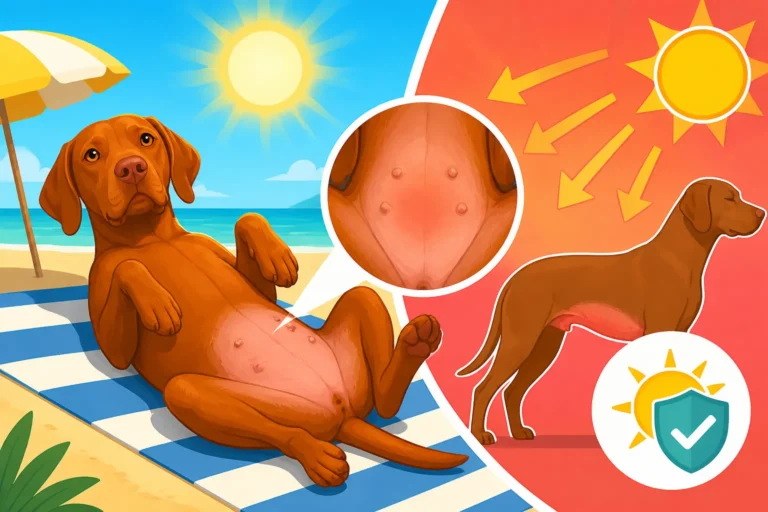
Your Vizsla sports a single, fine coat. Unlike many breeds that boast a thick undercoat for insulation and protection, the Vizsla largely goes without. This means their skin is more exposed and, frankly, a bit more vulnerable. Think of it like a person with very fair skin compared to someone with naturally thicker skin – the fair skin is often more prone to sunburn, dryness, and irritation. For Vizslas, their The Single Coat a Vizsla Has and Why It Changes Everything contributes directly to how easily their skin can be affected by environmental factors, products, and even diet.
Beyond the single coat, Vizslas tend to have naturally thin skin. This "thin skin a Vizsla takes into the field" isn't just a poetic description; it's a physiological reality. It's fantastic for breathability and agility during a hunt, but it also means there's less of a protective barrier against external aggressors. This makes them particularly prone to dryness, especially in arid climates or during colder months when indoor heating sucks moisture from the air. When their skin gets dry, it can become itchy, leading to scratching, which can then break the skin barrier and open the door to irritation or secondary issues. Moreover, Vizslas, as a breed, are known for a predisposition to various sensitivities and autoimmune conditions. This genetic lottery can mean their immune systems are more reactive, sometimes manifesting as skin issues. This underlying sensitivity is crucial to acknowledge when selecting any product that comes into contact with their skin.
Common Skin Issues Vizslas Face
Given their unique skin and coat, Vizslas are unfortunately prone to several common skin woes. One of the most frequent complaints I hear from fellow Vizsla owners is about dry, flaky skin. You might notice little white flakes in their coat, especially along their back or flanks, or feel their skin is tight and less supple than it should be. This can be exacerbated by overly frequent bathing, using harsh shampoos, or simply dry air. In winter, when homes are heated and humidity drops, it's a prime time for these issues to surface.
Beyond general dryness, Vizslas can be susceptible to various allergic reactions. These can stem from environmental allergens like pollen, dust mites, or molds, or from contact with irritating substances in their environment (contact dermatitis). Food allergies are also not uncommon. When a Vizsla experiences an allergic reaction, it often presents as intense itching, redness, and sometimes bumpy rashes. They might chew or lick at their paws incessantly, or rub their faces. This persistent scratching and licking can quickly lead to "hot spots," those angry, red, moist lesions that appear almost overnight and are incredibly painful and itchy. Whether a Vizsla Gets Hot Spots These hot spots, or any broken skin from scratching, create a perfect environment for bacterial or yeast infections to take hold, turning a simple itch into a more complex problem. If you ever notice a strong, yeasty smell, or oozing skin, it's a sign that a secondary infection might be present. Whether a Vizsla's Skin Gets Secondary Infections
More seriously, some Vizslas can develop specific dermatological conditions, such as Sebaceous Adenitis. While not every Vizsla will experience this, it’s a condition where the sebaceous glands, which produce the natural oils that keep skin and coat healthy, become inflamed and eventually destroyed. What Sebaceous Adenitis Does to a Vizsla This leads to severe dryness, scaling, and hair loss. While this guide focuses on shampoo choices for general skin health, if you suspect your Vizsla has a more serious condition, always consult with your veterinarian. Recognizing these common issues helps frame why choosing the right shampoo is so incredibly important for our sensitive rust-colored companions.
Key Ingredients to Look for in a Vizsla Shampoo
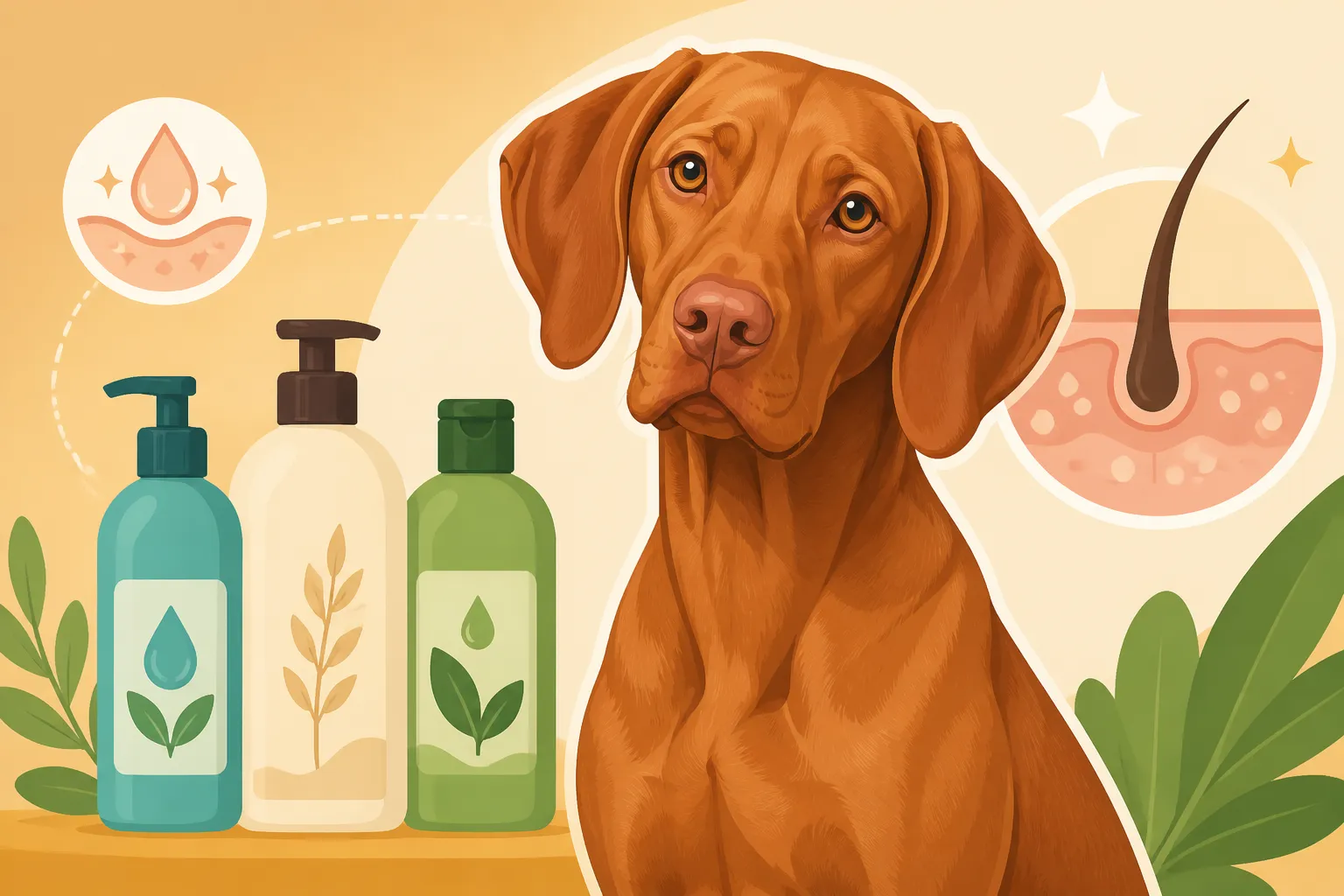
When you're standing in the pet aisle, staring at a dizzying array of shampoos, it can feel overwhelming. But for a Vizsla, the key is to be a detective, scrutinizing that ingredient list. We want to embrace ingredients that actively soothe, moisturize, and protect their delicate skin, rather than strip it bare.
Soothing and Moisturizing Components
For Vizslas with their sensitive, often dry skin, you want a shampoo that brings comfort and hydration, not just cleanliness. Think of it as a spa treatment for their skin!
- Oatmeal: This is a classic for a reason. Colloidal oatmeal (finely ground oats suspended in liquid) has natural anti-inflammatory properties. When applied topically, it creates a protective barrier on the skin, locking in moisture and easing itching. If your Vizsla tends to be itchy or has mild irritation, an oatmeal-based shampoo is often a fantastic first line of defense. It’s like a warm, comforting hug for their skin. Many popular brands offer oatmeal formulations, and they're generally well-tolerated.
- Aloe Vera: Known for its healing and soothing properties in humans, aloe vera works wonders for dogs too. It's naturally anti-inflammatory, can help cool irritated skin, and promotes healing. Look for shampoos where aloe vera is high up on the ingredient list, indicating a substantial amount. It's particularly beneficial for Vizslas who might have mild redness or minor skin abrasions from their adventures.
- Natural Oils (Coconut Oil, Shea Butter, Jojoba Oil): These natural emollients are fantastic for providing deep moisture without clogging pores. Coconut oil, for instance, has beneficial fatty acids that can support skin health and even have mild antimicrobial properties. Shea butter is incredibly nourishing and helps repair the skin barrier. Jojoba oil is similar to the natural oils produced by the skin, making it readily absorbed and effective at moisturizing. They help to replenish the natural oils that even a gentle shampoo might slightly reduce, leaving the skin supple and the coat soft.
- Vitamin E: This powerful antioxidant is wonderful for skin health. It helps protect skin cells from damage and can contribute to healing. It's often included in moisturizing shampoos to support the overall integrity of the skin.
- Glycerin: A humectant, glycerin draws moisture from the air into the skin, helping to keep it hydrated. It's a common ingredient in many gentle, moisturizing formulas because it actively works to improve skin's moisture content, which is crucial for a Vizsla prone to dryness.
When searching for these ingredients, you'll find a wide selection available on platforms like Chewy, making it easy to compare different formulas and read reviews from other pet parents.
Hypoallergenic and Gentle Formulations
Beyond specific soothing ingredients, the overall formulation of a shampoo is paramount for a Vizsla. "Hypoallergenic" isn't just a buzzword; it often signifies a product formulated to minimize common allergens.
- Fragrance-Free and Dye-Free: This is absolutely critical. Artificial fragrances, while pleasing to our human noses, are one of the most common irritants and allergens for canine skin. They can cause itching, redness, and even systemic reactions in sensitive dogs. Similarly, artificial dyes offer no benefit to your Vizsla's skin or coat and are simply another potential irritant. Opt for shampoos that are clearly labeled "fragrance-free" and "dye-free." The natural scent of a clean Vizsla is all you need!
- Avoid Harsh Detergents (Sulfates): Sulfates, like Sodium Lauryl Sulfate (SLS) and Sodium Laureth Sulfate (SLES), are common foaming agents in many shampoos (both human and pet). While they create a satisfying lather, they are also very effective at stripping natural oils from the skin and coat. For a Vizsla with already thin and sensitive skin, this can be incredibly drying and irritating, leading to the exact flakiness and itchiness you're trying to avoid. Look for sulfate-free formulas, which often use gentler, plant-derived cleansers.
- pH-Balanced for Canine Skin: Dog skin has a different pH balance than human skin. Using human shampoo, even gentle baby shampoo, can disrupt a dog's natural skin barrier, leading to dryness and irritation. Always choose a shampoo specifically formulated for dogs, as these will be pH-balanced to maintain their skin's natural protective mantle.
- Veterinary Dermatological Brands: If your Vizsla has particularly persistent skin sensitivities, your vet might recommend specific dermatological lines. These brands are often developed with extreme sensitivity in mind, offering minimal ingredients and maximum efficacy for problematic skin. While typically pricier, they can be a lifesaver for truly reactive skin.
- Plant-Derived Cleansers: Instead of harsh chemicals, many gentle shampoos utilize cleansers derived from natural sources, such as coconut or palm oils. These are typically much milder and less likely to strip the skin's natural protective barrier, making them an excellent choice for a Vizsla.
By prioritizing these types of formulations and beneficial ingredients, you're setting your Vizsla's skin up for success, minimizing the chances of irritation and maximizing comfort.
Ingredients to Absolutely Avoid for Your Vizsla
Just as important as knowing what to look for is knowing what to steer clear of. Many common shampoo ingredients, while perfectly fine for some dogs or even for humans, can be problematic for a Vizsla's delicate skin. Being an informed consumer means reading those labels carefully and understanding the potential pitfalls.
Harsh Chemicals and Irritants
When you have a Vizsla with sensitive skin, think of their skin as a precious silk garment – you wouldn't wash it with harsh detergents and strong perfumes, would you? The same principle applies here.
- Sulfates (Sodium Lauryl Sulfate/SLS, Sodium Laureth Sulfate/SLES): We touched on these earlier, but it bears repeating. Sulfates are powerful surfactants that create a rich lather. However, they are notorious for stripping natural oils from the skin and hair, leading to dryness, irritation, and a compromised skin barrier. For a Vizsla, whose skin is already prone to dryness and sensitivity, sulfates can be a disaster, initiating a cycle of itching and scratching. Always check for these on the ingredient list and opt for sulfate-free alternatives.
- Parabens: These are preservatives often used to extend the shelf life of personal care products, including pet shampoos. While deemed safe in small quantities by some regulatory bodies, there's ongoing concern about their potential as endocrine disruptors and their accumulation in the body. For a breed already prone to various health concerns, many owners prefer to err on the side of caution and choose paraben-free products.
- Phthalates: Like parabens, phthalates are another group of chemicals that have raised concerns regarding potential health effects, including endocrine disruption. They are often found in fragrances, so opting for "fragrance-free" shampoos helps avoid them as well.
- Artificial Fragrances and Dyes: This cannot be stressed enough. That "fresh linen" or "blueberry muffin" scent might smell nice to you, but for your Vizsla, it's often a cocktail of synthetic chemicals that are leading causes of skin irritation and allergic reactions. Dyes are equally unnecessary and contribute nothing but potential harm. Stick to unscented, colorless shampoos. Your Vizsla doesn't care about smelling like a bouquet; they care about feeling comfortable in their own skin.
- Alcohol: While some alcohols are used as emulsifiers or stabilizers, high concentrations of drying alcohols (like isopropyl alcohol or ethanol) can severely strip moisture from the skin. Always check that alcohol isn't a primary ingredient, especially in leave-on products, as it will exacerbate any dryness your Vizsla might experience.
Understanding Medicated Shampoos and When Not to Use Them
It’s easy to panic when your Vizsla develops a skin issue and reach for the strongest-sounding shampoo on the shelf. However, medicated shampoos are a different beast entirely and should be approached with extreme caution and, ideally, veterinary guidance.
Medicated shampoos are formulated with active pharmaceutical ingredients designed to treat specific conditions, such as bacterial skin infections (often containing chlorhexidine), fungal infections (with miconazole or ketoconazole), or severe scaling (with salicylic acid or coal tar). They are potent and targeted.
The critical point here is that using a medicated shampoo without a proper diagnosis from your veterinarian can be counterproductive, at best, and harmful, at worst. If your Vizsla is simply itchy from dry skin, using an antimicrobial shampoo won't help and could potentially disrupt their skin's natural microbiome, leading to new problems. If they have an allergic reaction, an antifungal shampoo is irrelevant. Furthermore, some medicated ingredients can be very drying or irritating if used on already inflamed or compromised skin without precise instruction. Your vet will not only diagnose the underlying issue (e.g., Whether a Vizsla Gets Atopic Dermatitis) but also advise on the correct frequency and duration of use for any medicated product. When a Vizsla's skin gets secondary infections, these shampoos are invaluable, but only when used correctly as part of a vet-prescribed treatment plan. Never self-diagnose and treat with medicated shampoos; it's a surefire way to delay proper treatment and potentially worsen your Vizsla's discomfort.
How to Choose and Use Shampoo for Best Results
Finding the perfect shampoo for your Vizsla isn't just about reading labels; it's also about a methodical approach to trying new products and integrating them into a thoughtful grooming routine. Our goal is to maintain their beautiful coat and comfortable skin, ensuring they can enjoy their active lives without unnecessary irritation.
Patch Testing and Observing Reactions
You wouldn't slather a new, untested product all over your own sensitive skin, would you? The same care should be extended to your Vizsla. Before committing to a full bath with a new shampoo, a patch test is an absolute must, especially for a breed prone to sensitivities.
Here’s how to do it:
- Choose a Small, Discreet Area: Select a patch of skin, perhaps on their inner thigh or belly, where the skin is sensitive but not easily visible.
- Apply a Small Amount: Wet the chosen area, apply a tiny amount of the new shampoo, lather gently, and then rinse thoroughly.
- Monitor for 24-48 Hours: Over the next day or two, keep a close eye on that spot. Look for any signs of redness, rash, bumps, increased scratching or licking at the area, or general irritation.
- Proceed with Caution: If there's no reaction, you can feel more confident using the shampoo for a full bath. If there is a reaction, discontinue use immediately and consider trying another formula.
Once you find a shampoo that seems to work, consistency is key. Switching shampoos too frequently can sometimes irritate sensitive skin simply due to the change in product. If it's not broken, don't fix it! Your Vizsla will thank you for the stability.
Bathing Techniques and Frequency
The how and how often you bathe your Vizsla are just as important as the shampoo you choose. Because their skin is delicate, over-bathing or improper bathing can negate all your careful shampoo choices.
- Frequency: Generally, Vizslas do not need frequent bathing. Whether Frequent Bathing Dries a Vizsla's Skin Their short, sleek coats are often quite self-cleaning, and over-bathing can strip essential natural oils, leading to dryness and irritation. For many Vizslas, a bath every 4-6 weeks is sufficient, or simply "as needed" if they've had a particularly muddy or smelly adventure (like rolling in something delightful in the field!). If your Vizsla tends to smell after swimming, a quick rinse with plain water can sometimes be enough. Whether a Vizsla Smells After Swimming
- Water Temperature: Always use lukewarm water. Water that's too hot can dry out their skin, and water that's too cold can be uncomfortable.
- Thorough Lathering: Gently massage the shampoo into their coat and skin, ensuring you reach all areas, especially under their armpits, belly, and between their toes.
- CRITICAL: Rinse, Rinse, Rinse! This is perhaps the most important step for a sensitive-skinned Vizsla. Any shampoo residue left on the skin can cause severe irritation, itching, and flaking. Rinse them until the water runs completely clear and you can no longer feel any slipperiness on their coat. Spend extra time on areas where shampoo tends to accumulate, like the neck and chest.
- Thorough Drying: After rinsing, towel dry your Vizsla thoroughly. Their single coat means they dry relatively quickly, but ensure they are not left damp, especially in cooler weather, as this can lead to skin irritation or chills. If using a blow dryer, use a cool or low-heat setting and keep it moving to avoid overheating their skin.
Beyond Shampoo: Holistic Skin Care
While finding the right shampoo is a huge piece of the puzzle, optimal skin health for a Vizsla is a holistic endeavor. It's about looking at the bigger picture and how all aspects of their care contribute to their well-being. Managing a Vizsla's Skin for Life
Consider these factors:
- Diet: A high-quality, balanced diet is fundamental to healthy skin and coat. Look for foods rich in Omega-3 and Omega-6 fatty acids, which are essential for skin barrier function and reducing inflammation. Brands like Ollie, which focus on fresh, high-quality ingredients, or premium performance kibbles from your local pet store (or found on Amazon or Chewy) can make a significant difference. Whether a Vizsla Needs Performance Kibble If your Vizsla has dry skin, adding a fish oil supplement can be incredibly beneficial. Whether a Vizsla Needs Fish Oil
- Environmental Control: Just like people, dogs can react to environmental allergens. Keeping your home clean, using air purifiers, and regularly washing their bedding can help reduce exposure to dust mites and pollen.
- Regular Grooming: Even though Vizslas have short coats, regular brushing (a few times a week) helps distribute natural oils, remove loose hair and dander, and stimulates circulation to the skin. How Often a Vizsla Needs Brushing A rubber curry brush works wonderfully for their short coat.
- Supplements: Beyond fish oil, some Vizsla owners find success with other skin-supporting supplements like biotin or zinc, but always discuss these with your vet first.
- Veterinary Consultations: If your Vizsla's skin issues are persistent, severe, or worsening despite your best efforts, do not hesitate to consult your veterinarian. They can rule out underlying medical conditions (like allergies, infections, or hormonal imbalances) and develop a targeted treatment plan. Sometimes, what looks like a simple dry patch is a symptom of something deeper.
By combining the right shampoo with attentive bathing techniques and a comprehensive approach to their overall care, you can help your Vizsla enjoy healthy, comfortable skin and a gleaming, gorgeous coat.
| Shampoo Type / Ingredient | Good for Vizslas | Avoid for Vizslas | Notes |
|---|---|---|---|
| Oatmeal-based | Yes | No | Soothes itchy, irritated skin; moisturizing. |
| Aloe Vera | Yes | No | Anti-inflammatory, promotes healing, cooling. |
| Natural Oils | Yes | No | (Coconut, Shea Butter, Jojoba) Deeply moisturizing, supports skin barrier. |
| Glycerin | Yes | No | Humectant, draws moisture to the skin. |
| Fragrance-Free | Yes | No | Minimizes allergens and irritants. |
| Dye-Free | Yes | No | No added chemicals, reduces irritation risk. |
| pH-Balanced (Dog) | Yes | No | Essential for maintaining canine skin health. |
| Sulfates (SLS/SLES) | No | Yes | Strips natural oils, causes dryness and irritation. |
| Parabens | No | Yes | Preservatives with potential health concerns. |
| Artificial Fragrances | No | Yes | Common irritant and allergen. |
| Artificial Dyes | No | Yes | Unnecessary chemical, potential irritant. |
| Drying Alcohols | No | Yes | Can severely dry out the skin. |
| Medicated Shampoos | Only with Vet OK | If no Vet OK | Only for specific conditions diagnosed by a vet; can worsen issues if misused. |
Disclaimer
This article is for general informational purposes only and does not constitute professional advice. Laws, prices and regulations vary by location and change over time. Consult a qualified professional for guidance on your specific situation.