Whether a Vizsla Has a Double Coat
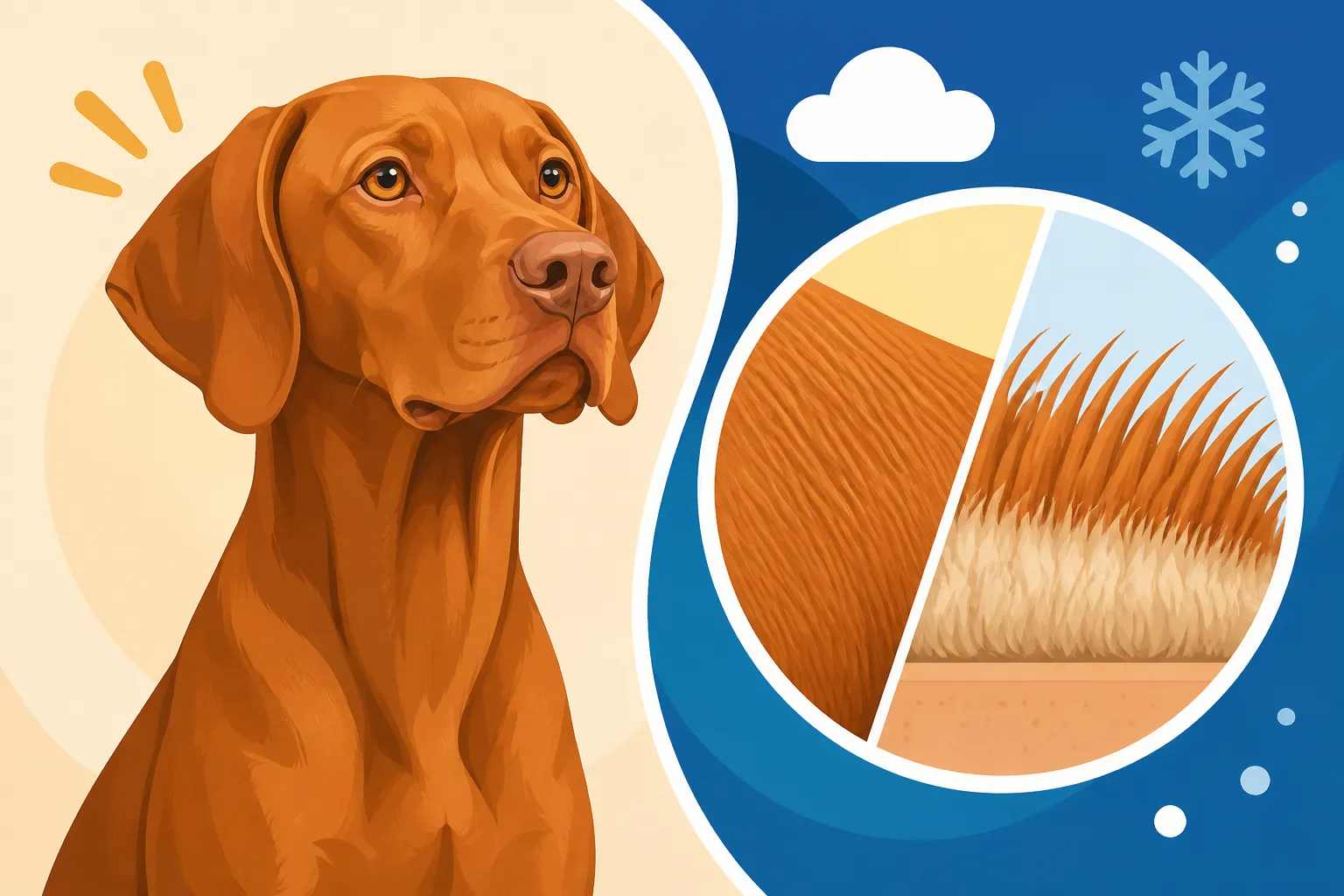
It’s a common misconception, especially for those new to the breed, to wonder if that sleek, almost minimalist coat on a Vizsla is hiding a secret underlayer. Many people are used to dogs with fluffy, thick coats, and they look at a Vizsla’s smooth, short hair and assume it must be similar to a Labrador or a German Shorthaired Pointer, perhaps with some hidden insulation. However, a Vizsla's coat is truly unique, and understanding its composition is key to providing them with proper care and comfort, especially when dealing with various weather conditions or skin sensitivities. This guide will thoroughly explain why the Vizsla's coat is distinct, how it impacts their daily lives, and what you need to do to keep your beloved copper companion happy and healthy.
The Unique Anatomy of a Vizsla's Coat
When you run your hand over a Vizsla, you immediately notice how fine and silky their fur feels. It's often described as a "golden rust" velvet, and there's a good reason for that sensation: they are a single-coated breed. This isn't just a descriptive term; it fundamentally changes how they regulate temperature, how much they shed, and what kind of environmental protection they naturally possess.
What "Single-Coated" Really Means
Unlike many popular breeds such as German Shepherds, Huskies, or even Golden Retrievers, a Vizsla possesses only a single layer of hair. This means they lack the dense, woolly undercoat that acts as a natural insulator, trapping air to keep a dog warm in winter and cool in summer. Think of it like wearing a single thin t-shirt versus a thick, thermal sweater – the difference in protection is stark.
Their coat is short, smooth, and lies close to the body, typically no more than an inch in length. This texture contributes to their elegant, streamlined appearance, making them look like natural athletes, which they certainly are. But from a functional standpoint, it means that there's very little barrier between their skin and the outside world. There's no fluffy layer to shed in clumps, no thick guard hairs protecting against moisture and thorns. It's just that beautiful, fine, dense topcoat. This characteristic is why we often say The Single Coat a Vizsla Has and Why It Changes Everything because it truly does inform so much about their care.
Why No Undercoat Matters
The absence of an undercoat has profound implications for a Vizsla's well-being. For starters, it means they are particularly susceptible to extreme temperatures. In cold weather, without that insulating layer, their body heat dissipates quickly, leading to shivering and discomfort even indoors. You'll often find your Vizsla burrowing under blankets, snuggling against you, or seeking out warm spots near a fireplace or sunny window. This isn't just for affection; it's a genuine need for warmth.
Conversely, while they might seem suited for heat due to their short coat, they can still overheat if working strenuously in hot conditions, as the single coat isn't particularly effective at repelling intense sun or trapping cool air close to the skin. The lack of an undercoat also means less protection against physical abrasions. When running through dense brush or thorny undergrowth in the field, their delicate skin is more exposed to cuts and scrapes compared to a dog with a thicker, coarser coat. This is a vital consideration for hunting companions.
Implications for Care and Comfort
Understanding the single-coated nature of your Vizsla is the first step towards providing them with the right kind of care that truly caters to their unique needs. It influences everything from their wardrobe to their bathing routine.
Keeping Warm
This is perhaps the most critical aspect of caring for a single-coated Vizsla. They genuinely get cold, and quickly. The Cold a Vizsla Genuinely Cannot Handle is a real phenomenon, not just a preference. During colder months, or even on chilly evenings, you'll need to think proactively about keeping your Vizsla warm. This means providing cozy blankets and dog beds, and often, actual clothing.
When the temperatures drop, especially if you live in a region with true winters, a dog coat or sweater isn't a fashion statement; it's a necessity. Look for insulated, waterproof options if your Vizsla spends any time outdoors in the cold, whether for walks, training, or potty breaks. Even indoors, if your home is on the cooler side, a soft fleece or sweater can make a world of difference in their comfort, preventing them from constantly seeking out radiators or your lap. You might find great options for practical, durable dog coats and thermal vests on platforms like Amazon or Chewy, making it easy to prepare for any weather. Consider how much effort they put into Whether a Vizsla Hunts Late Season Birds, and you'll quickly realize how important appropriate attire becomes.
Sun Protection and Skin Health
Just as they lack protection against the cold, a Vizsla’s thin, single coat offers minimal defense against the sun's harsh rays. Their skin is quite delicate, and areas with sparse hair, like their belly, inner thighs, and even their prominent nose, are prone to sunburn. Sunburn and the Pale Vizsla Nose is a common concern among owners. If your Vizsla enjoys lounging in a sunny spot outdoors, or if you're out for extended periods during peak sun hours, you might need to apply dog-safe sunscreen to vulnerable areas.
Beyond sunburn, their skin can also be more susceptible to dryness, especially with frequent bathing or in arid climates. This means selecting a high-quality, moisturizing shampoo specifically designed for sensitive skin. Regular, gentle grooming helps distribute natural oils, but excessive washing can strip these protective oils, leading to irritation. Some owners opt for natural oil treatments or balms for paws and noses, which can also contribute to overall skin health.
Shedding and Allergies
Many people mistakenly believe that a single-coated dog doesn't shed much, or that they are automatically "hypoallergenic." While there are some truths woven into these ideas, the reality is a bit more nuanced.
Shedding, Vizsla Style
Yes, Vizslas shed. They are dogs, and all dogs shed to some extent. The difference is how they shed and what kind of hair they shed. Because they don't have an undercoat to "blow" seasonally in massive clumps like a Husky, their shedding is often described as a more continuous, fine shedding throughout the year. You won't typically find tumbleweeds of fur, but you will find short, stiff hairs on your furniture, clothes, and floors. How Much a Vizsla Sheds is a question many prospective owners ask, and the answer is "more than you'd think for a short-haired dog, but less dramatically than a double-coated one."
These individual hairs, while not voluminous, can be quite pervasive. They have a way of weaving themselves into fabric, making them sometimes challenging to remove from upholstery or car seats. Regular brushing with a rubber curry comb or grooming mitt can help manage this by catching loose hairs before they settle. Whether a Vizsla Sheds All Year is generally true; it's less about seasonal heavy shedding and more about a constant low-level release.
The "Hypoallergenic" Myth
No dog is truly 100% hypoallergenic. The term generally refers to breeds that produce less dander (skin flakes), which is often the primary allergen, or shed less hair, which can carry dander. While Vizslas do shed, their short, single coat means they might produce less dander compared to breeds with dense undercoats that trap more dander and hair. This is why Whether a Vizsla Suits an Allergy Household is a valid question.
For individuals with mild dog allergies, a Vizsla might be a better choice than a heavy-shedding, double-coated breed. However, it's crucial for anyone with allergies to spend time with a Vizsla before committing, as individual reactions can vary widely. If dander is the issue, even a "low-dander" dog can trigger symptoms. Consistent grooming, regular cleaning of their living areas, and the use of air purifiers can further minimize allergens in the home.
Gear and Products for a Single-Coated Vizsla
Given their specific coat needs, investing in the right accessories and care products can significantly enhance your Vizsla’s comfort and health. It's not about pampering; it's about practical well-being.
Essential Winter Wear
As we've discussed, warmth is paramount. For outdoor excursions in cool or cold weather, a well-fitting dog jacket is indispensable. Look for materials that are both warm and water-resistant, especially if your Vizsla is a keen hunter or enjoys splashing in puddles. Reflective strips are also a smart feature for visibility during low-light walks. On platforms like Chewy or Amazon, you can find a huge variety, from simple fleece vests to heavy-duty parkas. For indoor lounging on chilly nights, a soft dog sweater can provide that extra layer of comfort. Whether a Vizsla Needs a Winter Jacket is almost always a resounding yes.
Beyond coats, consider warm bedding. A raised dog bed with a thick, plush mattress or a self-warming pet bed can make a big difference in keeping them off cold floors and providing a cozy retreat. Many Vizslas also love to burrow, so an extra blanket or two in their bed will be much appreciated.
Skin and Coat Maintenance
Choosing the right shampoo and conditioner is vital. Opt for formulas that are gentle, moisturizing, and free of harsh chemicals that could irritate their sensitive skin. Oatmeal-based shampoos or those with aloe vera are often good choices for maintaining a healthy skin barrier. Whether Frequent Bathing Dries a Vizsla's Skin is a concern, so aim for baths only when truly needed, or use a waterless shampoo for quick touch-ups.
To further support skin and coat health, consider supplements. Fish oil, rich in Omega-3 fatty acids, is commonly recommended for promoting a shiny coat and healthy skin. You can find high-quality fish oil supplements for dogs at pet stores or online retailers like Chewy. Whether a Vizsla Needs Fish Oil is a question often answered with a yes, especially for maintaining that signature healthy glow.
Food for Coat Health
While not directly related to the single coat itself, a high-quality diet plays a crucial role in overall skin and coat health. A well-balanced diet rich in essential fatty acids, vitamins, and minerals can ensure their skin is supple and their coat remains vibrant and healthy. Some owners explore fresh food options like Ollie, which are often formulated with ingredients known to support skin and coat health, such as salmon, flaxseed, and other whole foods. Always discuss dietary changes or supplements with your veterinarian to ensure they are appropriate for your individual Vizsla.
Remember, that beautiful, shimmering golden-rust coat isn't just a hallmark of the breed's beauty; it's a window into their specific needs. Understanding and catering to their single-coated nature will ensure your Vizsla stays comfortable, healthy, and happy by your side for many years.
Comparing Vizsla Coats to Other Breeds
To truly grasp the significance of a Vizsla's single coat, it's helpful to see how it stacks up against other common coat types. This comparison highlights why their care needs differ so distinctly.
| Feature | Vizsla (Single Coat) | Labrador Retriever (Double Coat) | Poodle (Single Coat, Hair) |
|---|---|---|---|
| Layers | Single layer of short, fine hair | Dense undercoat, coarser outer guard hairs | Single layer of continuously growing hair |
| Insulation (Cold) | Poor – gets cold easily | Excellent – designed for cold water | Moderate – needs trimming, but can be dense |
| Insulation (Heat) | Moderate – can overheat in direct sun/work | Good – undercoat helps regulate | Good – often kept clipped, less heat trapping |
| Shedding Pattern | Continuous, fine hairs all year | Seasonal "blowing" of undercoat, steady fine hair | Minimal shedding (hair rather than fur) |
| Allergy Potential | Low to moderate for some individuals | Moderate to high | Low (often considered "hypoallergenic") |
| Water Resistance | Low – absorbs water, gets cold | High – sheds water quickly | Moderate – can get matted when wet |
| Grooming Needs | Minimal brushing, regular nail/ear care | Regular brushing to manage undercoat | Frequent professional grooming for trims |
| Environmental Protection | Low – sensitive to thorns, sun | High – protects against elements | Moderate – less protection when short |
This table clearly illustrates that a Vizsla's coat is in a category of its own, demanding specific considerations from its owners. It's not just a superficial characteristic but a defining trait that impacts their entire well-being.
Disclaimer
This article is for general informational purposes only and does not constitute professional advice. Laws, prices and regulations vary by location and change over time. Consult a qualified professional for guidance on your specific situation.