Thyroid Failure in a Vizsla
It’s a frustrating and often heartbreaking experience when your beloved Vizsla, typically a whirlwind of energy and boundless enthusiasm, starts to slow down, gain weight, or lose that glorious golden coat. These changes can be subtle at first, often mistaken for normal aging or seasonal shifts, but they can be key indicators of a common yet frequently misunderstood health issue: thyroid failure. This comprehensive guide will walk you through everything you need to know about hypothyroidism in Vizslas, from recognizing the earliest signs to navigating diagnosis and long-term management, ensuring your lean, active companion can continue to thrive.
Understanding the Vizsla's Unique Health Profile
Vizslas are magnificent dogs, known for their athleticism, striking appearance, and deep emotional connection to their families. However, like many purebred dogs, they come with a genetic predisposition to certain health challenges. Understanding these breed-specific quirks is the first step in being a proactive and informed Vizsla owner.
Why Vizslas Are Prone to Certain Conditions
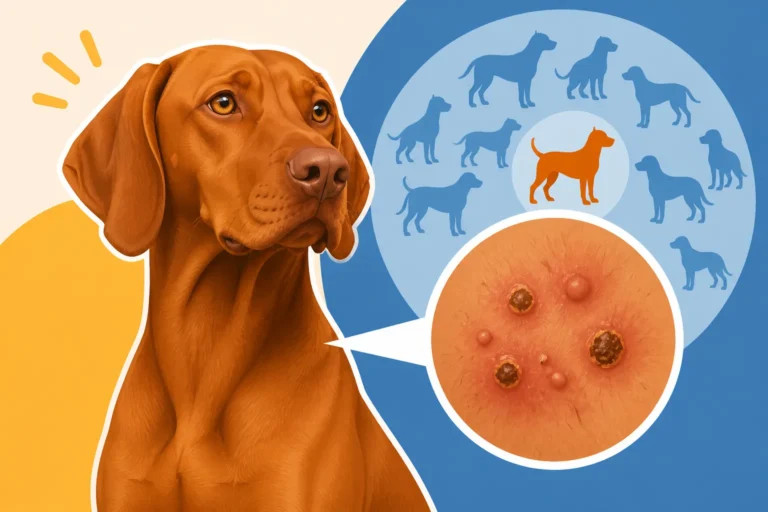
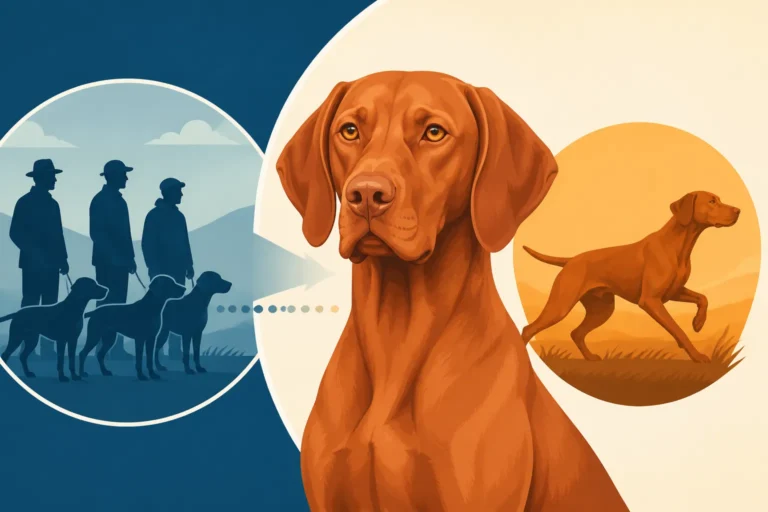
The Vizsla breed, despite its ancient lineage, faced near extinction on multiple occasions, most notably after the two World Wars. This meant the breed was rebuilt from a very small genetic pool, leading to a phenomenon known as the "founder effect." While dedicated breeders have worked tirelessly to expand and diversify the lines, this history means that certain genetic traits, both desirable and undesirable, can be more concentrated within the breed. This includes a propensity for various immune-mediated diseases, where the body's immune system mistakenly attacks its own healthy tissues. This genetic bottleneck is one of the reasons that when we talk about Why Vizslas Carry So Much Immune Disease, it’s not just anecdotal, but a scientific reality rooted in their history.
These immune system vulnerabilities can manifest in a number of ways, from skin conditions to organ-specific attacks, and the thyroid gland is unfortunately a common target. The more we understand about these underlying genetic factors, the better equipped we are to recognize and address potential health concerns promptly. This vigilance is crucial in helping our beloved companions live out The Twelve to Fourteen Years a Vizsla Lives as healthily and happily as possible.
The Role of the Endocrine System in Vizsla Health
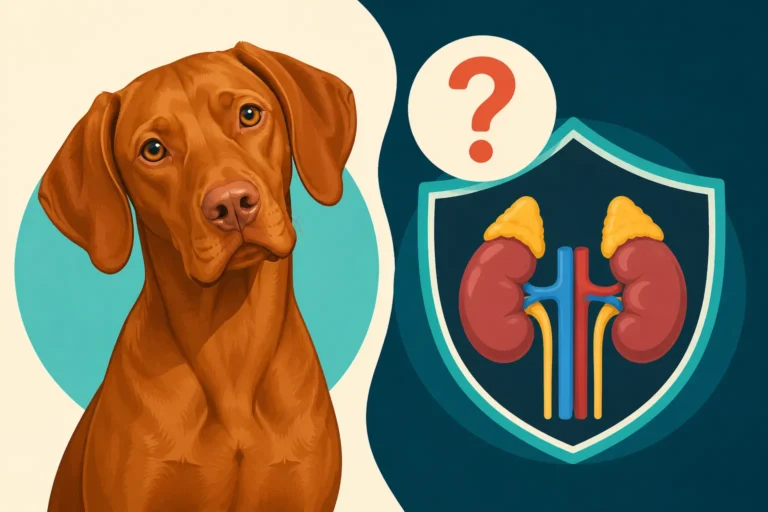
The endocrine system is a complex network of glands that produce and release hormones directly into the bloodstream. These hormones act as messengers, controlling nearly every physiological process in the body, including metabolism, growth, reproduction, sleep, and mood. Think of it as the body's internal communication system, working constantly to maintain balance.
In dogs, just as in humans, the endocrine system is vital for overall health. Glands like the adrenal glands, pancreas, and pituitary all play crucial roles, but the thyroid gland, located in the neck, is particularly significant for regulating metabolism. When any part of this delicate system goes awry, the effects can be widespread and varied, making diagnosis tricky. For Vizslas, with their documented immune system sensitivities, endocrine disorders, especially those involving the thyroid, are a concern every owner should be aware of. A healthy endocrine system ensures your Vizsla has the energy, healthy coat, and stable mood you expect from the breed. When it falters, you'll definitely notice the difference.
What Exactly is Thyroid Failure (Hypothyroidism) in Dogs?
Thyroid failure, medically known as hypothyroidism, means that the thyroid gland isn't producing enough of the vital hormones the body needs to function properly. It’s one of the most common endocrine disorders in dogs, and while any breed can be affected, some, like our Vizslas, have a higher incidence.
The Basics of Thyroid Function
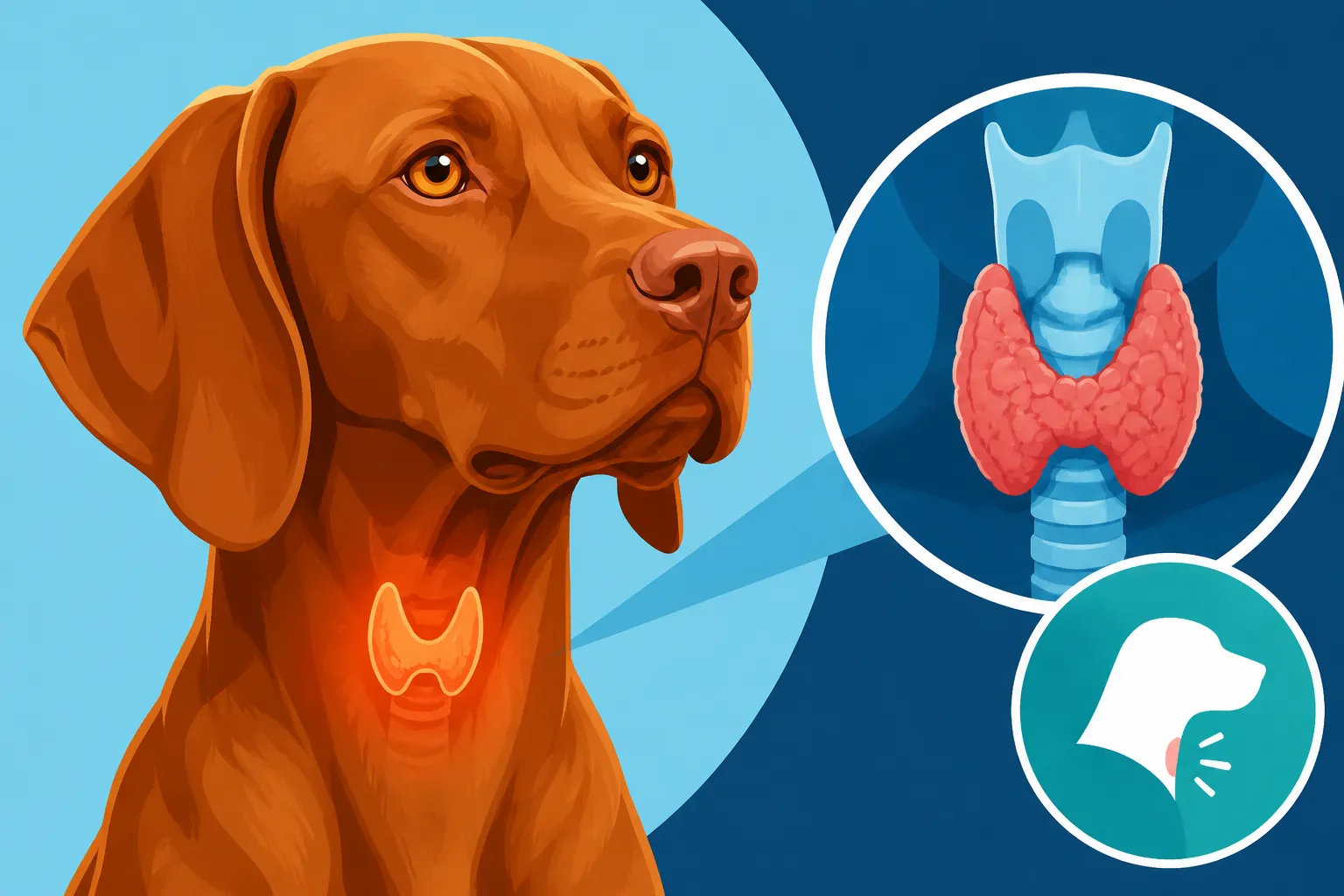
The thyroid gland, a small, butterfly-shaped gland situated in your Vizsla's neck, is essentially the master regulator of metabolism. It produces two primary hormones: thyroxine (T4) and triiodothyronine (T3). These hormones are like the gas pedal for nearly every cell in the body. They dictate how quickly cells convert nutrients into energy, influencing everything from heart rate and body temperature to skin health, muscle strength, and even cognitive function.
When the thyroid gland is working optimally, it produces a steady supply of these hormones, keeping your Vizsla's metabolism humming along at the right pace. This ensures their coat is shiny, their energy levels are consistent, their body temperature is regulated, and they maintain a healthy weight. Imagine trying to drive a car with barely any fuel; that's kind of what happens to a dog's body when the thyroid isn't producing enough hormones. Every system slows down, leading to a cascade of symptoms that can be easy to overlook or misattribute to other causes.
Primary vs. Secondary Hypothyroidism
When we talk about hypothyroidism in Vizslas, we're almost always referring to primary hypothyroidism. This means the problem lies directly with the thyroid gland itself. The vast majority of canine hypothyroidism cases, especially in breeds like the Vizsla, are caused by one of two underlying issues:
- Lymphocytic Thyroiditis: This is an autoimmune disease, where the dog's own immune system mistakenly identifies the thyroid gland as a foreign threat and launches an attack. Over time, this chronic inflammation leads to the destruction of the thyroid tissue, rendering it unable to produce sufficient hormones. Given the Vizsla's immune-mediated predispositions, this is a very common culprit in our breed. It's a slow, progressive process, which is why symptoms can emerge gradually.
- Idiopathic Thyroid Atrophy: In these cases, the thyroid gland simply shrinks and wastes away, often without a clear reason or evidence of immune-mediated destruction. The end result is the same – not enough thyroid hormone.
Secondary hypothyroidism, on the other hand, is much rarer. This occurs when the pituitary gland, located at the base of the brain, fails to produce enough Thyroid Stimulating Hormone (TSH). TSH is the signal that tells the thyroid gland to make T3 and T4. If the signal isn't there, the thyroid won't produce hormones, even if it's otherwise healthy. This is typically due to a tumor or injury to the pituitary gland. For the purpose of understanding thyroid failure in a Vizsla, focusing on primary hypothyroidism and the likelihood of lymphocytic thyroiditis is usually the most relevant approach.
Recognizing the Subtle Signs of Thyroid Failure in Your Vizsla
Because thyroid failure can manifest in so many ways and often progresses slowly, pinpointing the symptoms can feel like chasing shadows. Owners often notice a general "offness" or a gradual decline in their dog's usual vigor. It's crucial to be observant, as these early indicators are your best chance to catch the condition before it significantly impacts your Vizsla's quality of life.
Changes in Coat and Skin
One of the most outwardly noticeable signs of hypothyroidism in Vizslas often involves their beautiful, short, golden-rust coat and their skin. When the metabolism slows down due to insufficient thyroid hormones, skin cells don't regenerate as quickly, and hair follicles become dormant. You might notice your Vizsla's typically shiny, sleek coat becoming dull, dry, and brittle. It may feel coarser to the touch, lacking its characteristic luster.
Hair loss is another hallmark symptom. This isn't usually patchy or itchy like many allergic skin conditions; instead, it tends to be symmetrical, often appearing on the flanks, chest, and the underside of the tail, leading to what's sometimes called a "rat tail." The hair may also thin significantly on the bridge of the nose or around the eyes. Beyond hair, the skin itself can become dry, flaky, and even thickened, particularly in areas of friction like the elbows or hocks. Some dogs develop a secondary bacterial skin infection (pyoderma) due to the compromised skin barrier, which can also lead to a musty odor. It's a common point of confusion for vets and owners alike, trying to determine Whether a Vizsla's Coat Loss Is Thyroid or Skin Disease. While conditions like What Sebaceous Adenitis Does to a Vizsla also cause significant hair loss and skin issues, the pattern and additional systemic symptoms usually point towards a thyroid problem. When you notice these persistent changes in your Vizsla's coat, especially that characteristic thinning on the tail or flanks, it's a definite red flag.
Behavioral and Energy Shifts
Perhaps even more disheartening than the physical changes are the shifts in your Vizsla's vibrant personality and energy levels. Vizslas are renowned for their boundless energy, their desire to be constantly on the go, and their keen intelligence. A hypothyroid Vizsla, however, often becomes lethargic and sluggish. That dog who once bounced off the walls and was always ready for an adventure might now prefer to nap more, be less enthusiastic about walks or playtime, and seem generally "slowed down." This isn't just about physical tiredness; there can be a noticeable mental dullness. They might seem less alert, less responsive, and even forget cues they once knew perfectly.
Another classic sign is intolerance to cold. Vizslas, with their short, single coats, already feel the cold more than many breeds, but a hypothyroid Vizsla will be exceptionally sensitive. They might seek out warm spots constantly, shiver even indoors at moderate temperatures, and be reluctant to go outside in cooler weather. You might find them burrowing under blankets or constantly seeking physical contact for warmth. These subtle yet significant changes can be particularly distressing for owners who are used to their Vizsla's exuberant nature, and it’s important to distinguish these from normal aging or simple laziness.
Weight Gain and Other Metabolic Symptoms
One of the most common and often frustrating symptoms of hypothyroidism is unexplained weight gain. Because the thyroid hormones regulate metabolism, a deficiency means the body isn't burning calories efficiently. Your Vizsla might start gaining weight despite no changes in their diet or exercise routine. This isn't just a few extra pounds; it can be a significant and stubborn weight gain that is incredibly difficult to shed. Owners often report feeding less and exercising more, only to see their dog continue to pack on the pounds. This can exacerbate other issues, putting more strain on joints and further reducing their desire to be active. Whether a Hypothyroid Vizsla Gains Weight is a frequently asked question, and the answer is a resounding yes.
Beyond weight gain, other metabolic symptoms can include:
- Bradycardia: A slower-than-normal heart rate. Your vet might pick this up during a routine examination.
- Weakness: General muscle weakness can contribute to their lethargy and reduced activity.
- Elevated Cholesterol: Blood tests might reveal higher cholesterol levels, another indicator of a sluggish metabolism.
It’s the combination of these symptoms – the dull coat, the lethargy, the unexplained weight gain – that should strongly prompt a discussion with your veterinarian about thyroid testing. While a single symptom might be dismissed, the pattern often paints a clearer picture of a metabolic slowdown.
The Diagnostic Journey: Getting a Clear Picture
Suspecting thyroid failure in your Vizsla is one thing; getting a definitive diagnosis is another. Because many of the symptoms can overlap with other conditions or even be mistaken for normal aging, a precise diagnostic approach is crucial. It’s not always as simple as one blood test, and understanding the nuances can save you and your Vizsla from unnecessary stress and delayed treatment.
Why a Simple Blood Test Isn't Always Enough
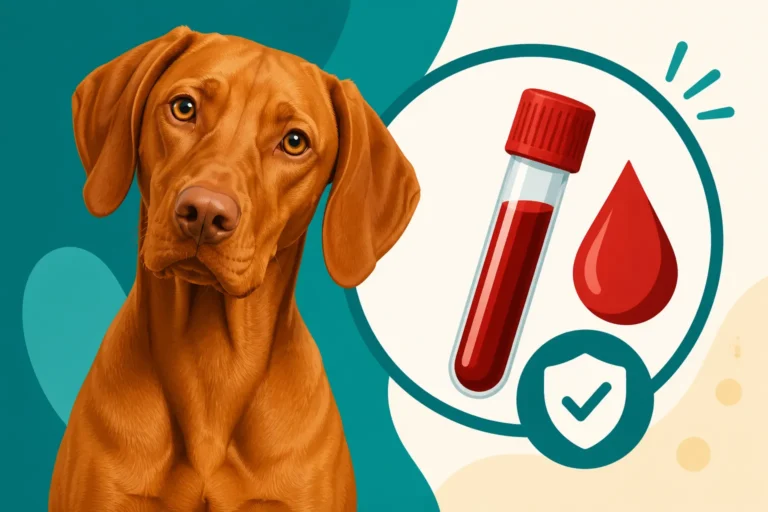
When your vet suspects hypothyroidism, they'll likely start with a basic blood panel that includes a total T4 (TT4) level. This test measures the total amount of thyroxine in the bloodstream. While a low TT4 can be a red flag, it's not always the complete story. There are several reasons why a simple TT4 isn't definitive:
- Non-Thyroidal Illness (Euthyroid Sick Syndrome): This is a big one. Many other illnesses, such as infections, liver disease, kidney disease, or even chronic stress, can temporarily suppress TT4 levels, making a dog appear hypothyroid when their thyroid gland is actually functioning normally. Certain medications, like steroids or NSAIDs, can also lower TT4.
- Daily Fluctuations: Thyroid hormone levels can fluctuate throughout the day.
- Breed Variations: Some breeds naturally have lower baseline thyroid levels than others.
Because of these variables, relying solely on a low TT4 can lead to a misdiagnosis and unnecessary medication. This is particularly important for active breeds where other illnesses might be at play. If your vet suggests thyroid testing, don't hesitate to ask for a comprehensive approach.
Specifics for Vizslas and Breed-Specific Considerations
For a Vizsla, getting an accurate thyroid diagnosis often requires more than just a TT4. A complete thyroid panel is the gold standard. This typically includes:
- Free T4 (fT4): This measures the unbound, biologically active form of T4. It's less affected by non-thyroidal illness or medications than TT4.
- Canine TSH (cTSH): Thyroid Stimulating Hormone is produced by the pituitary gland. If the thyroid gland isn't producing enough hormones (primary hypothyroidism), the pituitary will try to compensate by pumping out more TSH. So, a low fT4 combined with a high cTSH is a strong indicator of primary hypothyroidism.
- Thyroglobulin Autoantibodies (TgAA): This test checks for antibodies that attack the thyroid gland itself. A positive result strongly suggests lymphocytic thyroiditis, the autoimmune form of the disease common in Vizslas.
It's also worth noting that some veterinary universities, like Michigan State University (MSU) or Cornell University, specialize in endocrine testing and offer comprehensive panels with breed-specific reference ranges. Using such labs can provide more accurate results, especially if your Vizsla's values are borderline. Given the genetic predisposition, many Vizsla owners will ask Whether a Vizsla's Thyroid Should Be Tested Yearly, especially as they approach middle age, and this proactive approach can indeed catch the slow progression of the disease. Responsible breeders will also often engage in this screening, understanding the importance of Whether a Vizsla Breeder Screens for Thyroid to prevent passing on this inheritable condition. While the initial cost of a comprehensive panel might be more than a simple TT4, it’s a wise investment in getting a correct diagnosis and avoiding missteps in treatment. In fact, understanding What a Thyroid Panel Costs on a Vizsla is a good discussion to have with your vet, so you know what to expect and can plan accordingly.
Managing Thyroid Failure: A Lifelong Commitment
Once your Vizsla has received a definitive diagnosis of hypothyroidism, it’s understandable to feel a mix of relief (that you finally have an answer) and perhaps a bit of apprehension about lifelong medication. However, the good news is that canine hypothyroidism is highly manageable, and with consistent treatment, most Vizslas return to their vibrant, energetic selves.
The Cornerstone of Treatment: Thyroid Hormone Replacement
The primary treatment for hypothyroidism is surprisingly straightforward and effective: daily oral administration of synthetic thyroid hormone, typically in the form of levothyroxine, which is synthetic T4. This medication essentially replaces the hormone your Vizsla’s body is no longer producing sufficiently. It's not a cure, but a replacement therapy, much like how humans with hypothyroidism manage their condition.
Your veterinarian will determine the appropriate starting dose based on your Vizsla's weight and the severity of their condition. The medication is usually given once or twice daily, and consistency is key. It's often recommended to give it on an empty stomach, about 30-60 minutes before their first meal, to ensure optimal absorption. You might start to notice improvements in your Vizsla's energy levels within a few days to a couple of weeks. Coat and skin changes, however, can take longer, sometimes several months, as new hair needs to grow in and skin cells regenerate. Owners frequently ask Whether Thyroid Medication Works on a Vizsla, and the answer is overwhelmingly positive, with most dogs showing significant improvement.
Monitoring and Adjusting Treatment
Starting levothyroxine isn't a "set it and forget it" situation. Your vet will want to closely monitor your Vizsla's response to the medication and adjust the dosage as needed. Typically, a recheck blood test to measure T4 levels will be scheduled about 4-8 weeks after starting treatment or after any dose change. This test is crucial for ensuring the medication is bringing their thyroid hormone levels into the normal range. The blood sample is usually taken 4-6 hours after the morning dose, when the medication levels are at their peak.
Based on these results and your Vizsla's clinical improvement, your vet might increase or decrease the dose. Once a stable dose is found and your Vizsla is doing well, monitoring blood tests may be performed less frequently, perhaps every 6-12 months. It's a partnership between you and your vet to find the "sweet spot" dosage that keeps your Vizsla feeling their best without overdosing, which can lead to symptoms like anxiety, weight loss, and excessive thirst. Don't be discouraged if it takes a couple of adjustments to get it just right; every dog is an individual.
Lifestyle Adjustments and Holistic Support
While medication is the cornerstone of treatment, supporting your Vizsla with appropriate lifestyle adjustments can enhance their well-being. Keeping them warm and comfortable is important, especially during colder months, as their natural insulation may still be compromised. Ensuring they have a cozy, draft-free place to sleep, perhaps with a warm blanket, can make a difference.
As their energy levels return, gradually reintroduce exercise. Initially, they might not have the stamina for their usual two-hour run, but gentle walks and increasing activity will help them regain muscle tone and maintain a healthy weight. Diet plays a role too, though medication is primary. A balanced, high-quality diet that supports overall health is always beneficial. While there isn't a specific "hypothyroid diet," avoiding excessive calories is wise, especially during the initial weight loss phase.
If your Vizsla is an active hunting dog, you might wonder about their return to the field. With proper management, many hypothyroid Vizslas can absolutely get back to doing what they love. However, during the initial phases of treatment, it's wise to ease them back into strenuous activity. Their stamina will improve as their metabolism normalizes. Even The Old Vizsla That Still Wants to Hunt can often maintain a good quality of life with proper thyroid management, though their overall pace may naturally slow with age.
Prognosis and Living a Full Life with Hypothyroidism
Hearing that your Vizsla has a chronic condition can be daunting, but with hypothyroidism, the outlook is overwhelmingly positive. It’s a condition that is very well understood and highly responsive to treatment, allowing most dogs to live long, healthy, and active lives.
What to Expect Post-Diagnosis
Once your Vizsla is on the correct dose of levothyroxine, you should see a significant improvement in their symptoms. The lethargy will lift, their energy will return, and their coat will regain its luster. Weight loss, if they were overweight, will become achievable, and their skin issues should resolve. It’s truly remarkable how quickly some dogs bounce back. Many owners report getting their "old dog" back, often realizing just how much the condition had been affecting them without them fully understanding it at the time.
It's important to remember that hypothyroidism is a lifelong condition. Just like a person with diabetes needs insulin, your Vizsla will need their thyroid medication every day for the rest of their life. There's no "cure" in the sense that the thyroid gland will suddenly start working again; the medication is a replacement. However, this consistent daily dose becomes a normal part of your routine, and the benefits far outweigh the minor inconvenience.
Long-Term Outlook for Your Vizsla
With consistent medication, regular veterinary check-ups, and appropriate monitoring, Vizslas with hypothyroidism generally have an excellent long-term prognosis. Their lifespan is typically not shortened by the condition, and they can continue to enjoy their usual activities, whether that's hunting, hiking, agility, or just being a beloved family companion. The key is adherence to the treatment plan. Skipping doses or not getting regular blood work done can lead to a return of symptoms and potentially other health complications down the line.
Financial planning for lifelong medication is also a practical consideration. Pet insurance providers, like Healthy Paws, often cover chronic conditions like hypothyroidism, which can significantly ease the financial burden of ongoing medication and veterinary visits. This type of coverage can be a real lifeline for owners, ensuring they can always afford the best care for their furry family member. Keeping your Vizsla on their medication diligently and working closely with your veterinarian will ensure they can continue to live a full, happy, and active life. Hypothyroidism, when managed well, rarely becomes the primary health concern for a Vizsla, allowing them to truly thrive. Indeed, when considering What Vizslas Are Most Often Treated For, hypothyroidism is high on the list, yet it's also one of the most successfully managed conditions.
Preventing and Breeding Considerations
While hypothyroidism is often an autoimmune condition and thus not entirely preventable through lifestyle alone, there are significant steps responsible breeders and conscientious owners can take to minimize its prevalence and impact within the Vizsla breed. Understanding the genetic component is key.
The Role of Responsible Breeding
Because lymphocytic thyroiditis, the most common cause of hypothyroidism in Vizslas, has a strong genetic component, responsible breeding practices are paramount in controlling its spread. Breeders should thoroughly screen their breeding stock for thyroid disease as part of a comprehensive health testing protocol. This involves regular thyroid panels, including TSH and TgAA, on all potential breeding dogs.
Dogs diagnosed with hypothyroidism, or those with positive TgAA levels (indicating the presence of autoantibodies, even if clinically hypothyroid symptoms haven't yet appeared), should ideally be excluded from breeding programs. While this might narrow the gene pool slightly, it is a crucial step in reducing the incidence of the disease for future generations. Potential puppy buyers should always inquire about the thyroid health of both parents and ask for proof of recent thyroid testing. Asking Whether a Vizsla's Thyroid Should Be Checked Before Breeding is not just good practice, it's essential for the health of the entire breed. A breeder who can provide clear documentation of normal thyroid function for their breeding dogs demonstrates a strong commitment to producing healthy puppies.
General Health and Wellness Practices
While you can't prevent a genetically predisposed autoimmune disease simply through diet and exercise, maintaining overall excellent health in your Vizsla can still contribute to their well-being and potentially help mitigate the severity of any developing conditions. A balanced, high-quality diet provides essential nutrients for immune system function and overall vitality. Regular, appropriate exercise, crucial for a Vizsla's physical and mental health, helps maintain a healthy weight and supports all bodily systems.
Furthermore, consistent routine veterinary care is vital. Regular check-ups allow your veterinarian to monitor your Vizsla's weight, coat condition, and energy levels, and to perform routine blood work that might catch subtle changes early. Discussing any observed changes, no matter how minor they seem, with your vet is crucial. Early detection of any health issue, including thyroid failure, generally leads to better outcomes and a smoother transition to treatment. Even if a Vizsla is predisposed to certain conditions, providing them with the best possible foundation of health through optimal nutrition, exercise, and preventative care helps their body function at its peak and recover more effectively when challenges arise.
| Symptom Category | Common Hypothyroidism Symptoms (Vizsla) | Potential Overlapping Conditions | Key Differentiating Factors for Hypothyroidism |
|---|---|---|---|
| Coat & Skin | Dry, dull, brittle coat; symmetrical hair loss (flanks, tail); "rat tail"; thickened/flaky skin; secondary infections. | Sebaceous Adenitis, allergies, nutritional deficiencies, parasites, Cushing's disease. | Symmetrical, non-itchy hair loss; dull coat; systemic signs. |
| Energy & Behavior | Lethargy, sluggishness, reduced activity; increased sleeping; mental dullness; cold intolerance; seeking warmth. | Normal aging, arthritis, other metabolic diseases (diabetes), heart disease, depression, poor conditioning. | Generalized slowdown; seeking extreme warmth; often paired with coat/weight changes. |
| Weight | Unexplained weight gain despite normal diet/exercise; difficulty losing weight. | Overfeeding, lack of exercise, Cushing's disease, neutering changes, other metabolic disorders. | Weight gain despite calorie restriction and exercise efforts. |
| Other | Slow heart rate (bradycardia); weakness; high cholesterol (on blood test). | Various heart conditions, kidney disease, liver disease. | Confirmed via specific thyroid blood panel (low fT4, high TSH, positive TgAA). |
Disclaimer
The information provided in this article is for general informational purposes only and is not intended as a substitute for professional veterinary advice, diagnosis, or treatment. Always seek the advice of your veterinarian or other qualified animal health provider with any questions you may have regarding a medical condition or the health and welfare of your pet. Never disregard professional veterinary advice or delay in seeking it because of something you have read in this article.