Whether a Vizsla Snaps When Startled
It can be incredibly jarring, even frightening, when your sweet, devoted Vizsla—a breed renowned for its affectionate, "Velcro" nature—suddenly snaps or shows aggression, especially when startled. You might feel a pang of confusion, thinking, "This isn't my dog!" or worry about what it means for your relationship and the safety of your home. This guide will delve into why a Vizsla might react this way, how to recognize the subtle cues that precede a snap, and practical, empathetic strategies to prevent these incidents and foster a more confident, secure companion.
Understanding Why a Vizsla Might Snap When Startled
Vizslas are known for their sensitive souls and deep connection to their people. This sensitivity, combined with their hunting instincts and high energy, can sometimes lead to unexpected reactions when they feel surprised or threatened. It’s rarely about malice; it’s almost always about fear, pain, or an overwhelming sense of vulnerability.
The Instinctual Fight-or-Flight Response
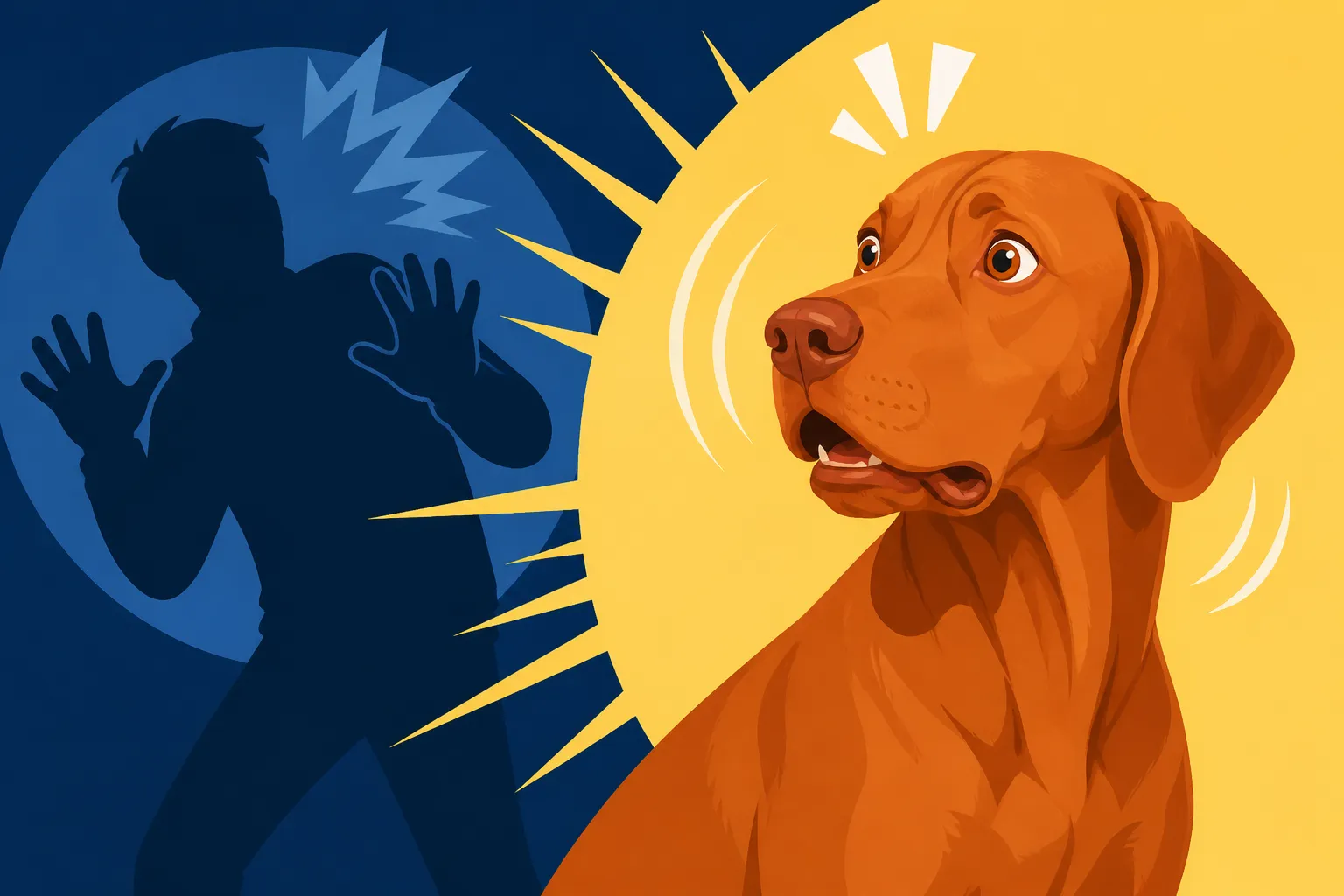
At its core, a snap when startled is often a primal fight-or-flight response. When a dog is suddenly caught off guard, their brain goes into overdrive, interpreting the unexpected stimulus as a potential threat. For a Vizsla, who might be deep in sleep, focused on a toy, or simply not expecting a sudden touch or noise, that immediate jolt can bypass their usual calm demeanor and trigger an instant, defensive reaction. They don't have time to process; they just react to protect themselves from what they perceive as an immediate danger. This isn't a conscious decision to be aggressive, but rather an automatic protective mechanism.
Consider a scenario where your Vizsla is sound asleep, curled up tightly on their bed after a long day in the field, perhaps dreaming of chasing pheasants. A child, meaning well, approaches quietly and suddenly pats their head. The dog wakes abruptly, disoriented and feeling a hand on them, and might let out a quick snap or growl. This isn't because they dislike the child, but because their startle reflex was activated before they even registered who or what was there. Their body reacted defensively without conscious thought, much like a human jumping when someone sneaks up behind them.
Past Negative Experiences or Trauma
Dogs, much like people, can carry the weight of their past experiences. If a Vizsla has been subjected to rough handling, punishment, or has had a genuinely frightening experience related to being startled in the past, they are far more likely to react defensively. This could be anything from accidental injury during play to harsh corrections when they were puppies. These memories create a powerful association, so when a similar sensation or situation arises, their automatic response is to protect themselves, leading to a snap. This heightened vigilance can turn everyday interactions into potential triggers.
Imagine a rescue Vizsla who, in a previous home, was always punished for being on the furniture. One day, while dozing on a forbidden couch, they were suddenly woken by an angry shout and pulled off roughly. Even if they are now in a loving home where couches are allowed, a sudden movement or loud voice when they are resting there might trigger that old fear. They might snap at a gentle hand reaching to pet them, not because they fear your hand, but because they are reliving a past fright associated with sudden interruptions while resting. Understanding that this isn't personal but a learned survival mechanism is crucial for working through it.
Underlying Health Issues and Pain
One of the most overlooked reasons for sudden behavioral changes, including snapping when startled, is underlying pain or illness. A dog that is hurting might be far more irritable and less tolerant of being touched, especially in sensitive areas. An unexpected bump or a sudden approach might exacerbate their pain, causing them to react defensively. This is particularly true for Vizslas, who are often stoic and can hide discomfort until it becomes severe. Whether a Vizsla Hides Its Pain is a real concern, and a physical ailment could be the root cause.
Conditions like arthritis, ear infections, dental pain, neck or back issues, or even a headache can make a dog jumpy and prone to snapping. Even declining senses, like hearing or vision, can make a Vizsla more easily startled. If they can't see or hear an approach clearly, they might be more surprised by a sudden presence. If your Vizsla exhibits a sudden change in behavior, especially if there are no obvious triggers, a trip to the vet should be your first step. It's a fundamental responsibility to rule out physical discomfort before addressing behavioral solutions.
Lack of Socialization or Habituation
A well-socialized Vizsla is generally confident and resilient. However, if a Vizsla hasn't been adequately exposed to a variety of sights, sounds, and experiences in a positive way during their critical developmental periods, they can become overly sensitive to novelty. This lack of habituation means everyday occurrences that other dogs take in stride—like a dropped pan, a sudden doorbell, or an unexpected visitor—can be genuinely alarming. Being startled isn't just about a sudden touch; it can be about any unexpected sensory input.
Puppies need gentle, positive exposure to as many different environments, people, and noises as possible. If a Vizsla puppy spent its formative months in an isolated environment, it might not have learned to generalize that most new things are not threats. Even an adult Vizsla who has experienced a significant life change, like moving to a bustling city from a quiet rural home, might suddenly find themselves overwhelmed. They haven't built up the tolerance or positive associations needed to calmly process these stimuli, making them more susceptible to defensive reactions. The First Year With a Vizsla Puppy lays the foundation for a confident adult, and missing those early experiences can have lasting effects.
Recognizing the Subtle Signs of Stress and Fear in Your Vizsla
Vizslas are expressive dogs, and they almost always provide signals before resorting to a snap. Learning to read these subtle cues is paramount to preventing incidents and understanding your dog's emotional state. These signals are their way of communicating discomfort and asking for space, long before they feel the need to escalate to a bite.
Subtle Calming Signals
Before a Vizsla ever thinks about snapping, they will typically display a range of "calming signals" or early warning signs. These are attempts to de-escalate a situation or communicate their discomfort without confrontation. Unfortunately, humans often miss these subtle gestures, which can inadvertently push the dog past their tolerance threshold.
Look for signs like lip licking, yawning (when not tired), head turning away from the perceived threat, averting eye contact, raising a paw, or suddenly sniffing the ground. Your Vizsla might also freeze momentarily, become very still, or even shake off as if wet. They might engage in displacement behaviors, like suddenly scratching an itch that isn't there, or briefly looking at another dog or person as if seeking help. These are all subtle ways your Vizsla is saying, "I'm uncomfortable; please stop or give me space." If these signals are ignored, the dog feels unheard, and their anxiety will likely increase.
More Obvious Warning Signs
If the subtle signals are missed or ignored, a Vizsla will escalate their communication to more obvious warnings. These are unmistakable signs that they are feeling threatened or highly stressed and that a snap or bite could be imminent if the pressure isn't relieved. Recognizing these ensures you can intervene safely and prevent an actual incident.
These include a stiff body posture, often accompanied by a low, rumbling growl. The tail might be tucked tightly between the legs, or it could be held stiffly out, possibly wagging in a tense, low arc – a "whale eye" (where the whites of their eyes are visible) is a clear sign of fear. Their ears might be pinned back against their head, or held stiffly forward, depending on whether their fear is mixed with a defensive posture. A raised hackle along their spine is another strong indicator of arousal and fear. If you see any of these signs, it's critical to immediately create distance and remove the perceived threat. Pushing past these warnings is dangerous, as the dog has clearly stated they are in distress.
Context Matters: Where and When It Happens
Understanding the context in which a snap or warning occurs is crucial for identifying triggers and developing prevention strategies. It's not just what happened, but where and when it happened that provides vital clues. A Vizsla might react differently in their own home versus a new environment, or when resting compared to being actively engaged.
For example, if your Vizsla only snaps when approached while they are eating or guarding a favorite toy, it points to resource guarding. If it only happens when they are woken suddenly from a deep sleep, it indicates a startle reflex during vulnerability. If it occurs only when a stranger approaches them too quickly, it suggests fear-based reactivity towards unknown people. Keep a journal of these incidents, noting the time, location, who was involved, what happened right before, and your Vizsla's body language. This detailed information will be invaluable for a vet or a professional dog trainer to help you decipher the patterns and address the root cause effectively. What Velcro Behavior Looks Like in a Vizsla can sometimes lead to proximity issues, especially when they're resting or feeling vulnerable.
Strategies to Prevent Startle-Induced Snapping
Preventing a Vizsla from snapping when startled involves a multi-faceted approach, focusing on creating a safe, predictable environment, building confidence through positive reinforcement, and teaching them that unexpected stimuli aren't always threats. It's about proactive management and compassionate training.
Creating a Predictable and Safe Environment
One of the most effective ways to reduce startle responses is to minimize unpredictable triggers and provide your Vizsla with clear, safe spaces where they can retreat and feel secure. This means establishing routines and respecting their need for undisturbed rest.
Designate a specific, quiet area in your home where your Vizsla can sleep and relax without interruption. This might be a comfortable crate with a cover or a special bed in a low-traffic area. Teach everyone in the household, especially children, that when the dog is in their "safe space," they are not to be disturbed. This consistent respect for their boundaries builds trust and reduces anxiety. Furthermore, try to maintain a predictable daily routine for feeding, walks, and playtime. Predictability helps lower overall stress levels, making your Vizsla less reactive to unexpected events. Consider how you approach your dog; always speak their name gently before reaching out, especially if they are sleeping or focused on something. This gives them a chance to register your presence and avoid being surprised.
Desensitization and Counter-Conditioning
For Vizslas who are prone to being startled by specific sounds, touches, or approaches, desensitization and counter-conditioning are powerful tools. This involves gradually exposing them to the trigger at a low intensity while simultaneously creating a positive association with it. The goal is to change their emotional response from fear to neutrality or even anticipation.
Let's say your Vizsla startles when someone approaches them from behind while they're eating. You would start by approaching from a distance where your dog barely notices you, dropping a high-value treat (like a tiny piece of chicken) and immediately retreating. Repeat this many times over days or weeks, gradually decreasing the distance and increasing the closeness of your approach, always pairing it with a delicious treat. The idea is to slowly desensitize them to the approach while counter-conditioning their emotional response to be positive ("Yay, human approaching means treats!") instead of fearful. This process requires patience and never pushing your dog past their comfort zone. Resources like BAXTER & Bella offer online courses that often include detailed modules on desensitization techniques for various triggers, which can be incredibly helpful for owners needing structured guidance.
Positive Reinforcement Training and Confidence Building
Building your Vizsla's overall confidence through positive reinforcement training can significantly reduce their tendency to snap when startled. A confident dog is less likely to feel threatened by the unknown and more likely to investigate rather than react defensively.
Focus on training basic obedience commands like "sit," "stay," and "come" using only positive methods. Reward desired behaviors generously with treats, praise, and toys. Engage in fun activities like scent work, trick training, or agility, which challenge their minds and bodies without pressure. Success in these activities boosts their self-esteem and strengthens your bond. If your Vizsla is one of those who might shut down when you raise your voice, positive reinforcement is absolutely critical. It shows them that their interactions with you and the world are generally safe and rewarding, creating a more resilient and less fearful dog. You might find useful training aids, like clickers, long lines, or specific treat pouches on Amazon, which can enhance your training sessions.
Managing Interactions with Children and Strangers
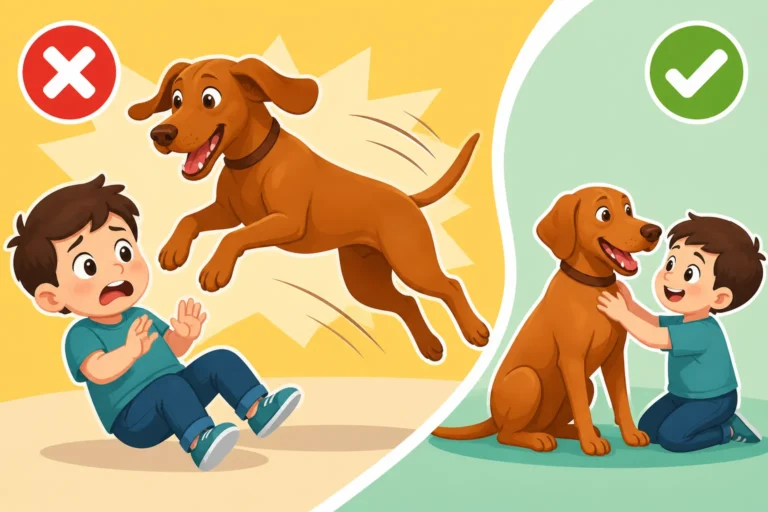
Many startle-induced snaps occur during interactions with children or unfamiliar people. Proactive management of these interactions is vital for safety and prevention. Vizslas, with their active and sometimes clumsy nature, can accidentally knock over small children, and their sensitivity means they need careful introductions to new people. Whether a Vizsla Is Safe With Toddlers is a question many families grapple with, and careful management is always key.
Always supervise interactions between your Vizsla and children, teaching both parties appropriate behavior. Children should be taught to approach dogs calmly, never to startle them, and to pet gently in "safe" zones (like the chest or shoulder, not the head). Teach your Vizsla a "go to mat" or "place" command for when visitors arrive, giving them a safe, predictable spot away from the initial excitement. When introducing your Vizsla to strangers, keep them on a leash, explain to the person how to approach calmly (e.g., let the dog sniff their hand first, avoid direct eye contact), and reward your Vizsla for calm greetings. If your Vizsla shows any signs of discomfort, calmly remove them from the situation.
What to Do if Your Vizsla Does Snap
Even with the best preventative measures, incidents can sometimes happen. Knowing how to react calmly and effectively if your Vizsla does snap when startled is crucial for minimizing harm and ensuring you take the right steps moving forward.
Immediate Response: Stay Calm and Create Space
If your Vizsla snaps, your immediate reaction should be to remain calm and create space, both for your safety and to avoid escalating your dog's fear. Yelling or punishing your dog in this moment will only increase their stress and confirm their belief that the situation is threatening, making future reactions more likely.
Without making direct eye contact or sudden movements, calmly remove yourself or the other person from the dog's immediate vicinity. If your dog is on a leash, gently guide them away. If they are off-leash, calmly call them to a separate room or their safe space, or move yourself to a different area. Once space is established, take a moment to breathe and assess the situation from a safe distance. The goal is to de-escalate, not to teach a lesson in that immediate, high-stress moment. Your calm demeanor will help your Vizsla regulate their own emotions once the perceived threat has been removed.
Assessing the Situation and Identifying Triggers
Once everyone is safe and calm, it's critical to objectively assess what happened. This isn't about blaming, but about understanding the chain of events that led to the snap. A detailed understanding of the trigger is the first step toward effective prevention.
Think back to the moments immediately preceding the snap: What was your Vizsla doing? Where were they? Who was involved? What sounds or movements occurred? Was there any contact? What was their body language like before the snap? Were they sleeping, eating, playing, or resting? Did you miss any of those subtle warning signs we discussed earlier? Understanding these specifics will help you identify the precise triggers and develop targeted strategies. For example, if the snap occurred when they were startled awake, the trigger isn't necessarily the person, but the sudden, unexpected interruption of deep sleep.
Seeking Professional Help
A single incident of snapping, especially if it breaks skin, is a serious matter and warrants professional intervention. Attempting to address fear-based aggression or startle reactivity on your own can be risky and may inadvertently worsen the problem.
Your first call should be to your veterinarian to rule out any underlying medical conditions or pain. Once physical health is confirmed, seek a certified professional dog trainer (CPDT) or a veterinary behaviorist who specializes in fear and aggression. They can conduct a thorough assessment, help you precisely identify triggers, and develop a safe, effective, and humane behavior modification plan. They will teach you how to read your Vizsla's body language more accurately, implement desensitization and counter-conditioning protocols, and manage their environment to prevent future incidents. Look for professionals who use positive reinforcement and fear-free methods. A professional can help you understand the nuances, such as Whether an E-Collar Belongs on a Vizsla – for sensitive dogs prone to snapping, punitive tools are generally contraindicated as they can increase fear and reactivity.
Implementing Safety Measures and Management
While you are working with professionals and implementing training protocols, it's essential to put safety measures in place to prevent any recurrence and protect everyone, including your Vizsla.
This might involve managing their access to certain areas of the house when visitors are present, keeping them on a leash when around children or new people, or even muzzle training. Muzzle training, when done positively, can be an incredibly useful tool, not a punishment. It allows your dog to participate in situations where they might otherwise be confined, offering peace of mind. You can find comfortable, well-fitting basket muzzles on Amazon that allow your dog to pant, drink, and even take treats. This is a safety tool that allows you to continue behavior modification without the risk of an actual bite. Remember, managing the environment and being vigilant about triggers is a continuous process as you help your Vizsla gain confidence and overcome their fear responses.
Disclaimer
This article is for general informational purposes only and does not constitute professional advice. Laws, prices and regulations vary by location and change over time. Consult a qualified professional for guidance on your specific situation.