Whether a Vizsla Outlives a German Shorthaired Pointer
Vizsla and German Shorthaired Pointer lifespans, health challenges, and longevity factors are compared to show expected years.
Know what to watch for.
Breed-specific conditions, screening and DNA tests, what surgery actually costs, and the daily habits that stretch a healthy lifespan.

Vizsla and German Shorthaired Pointer lifespans, health challenges, and longevity factors are compared to show expected years.
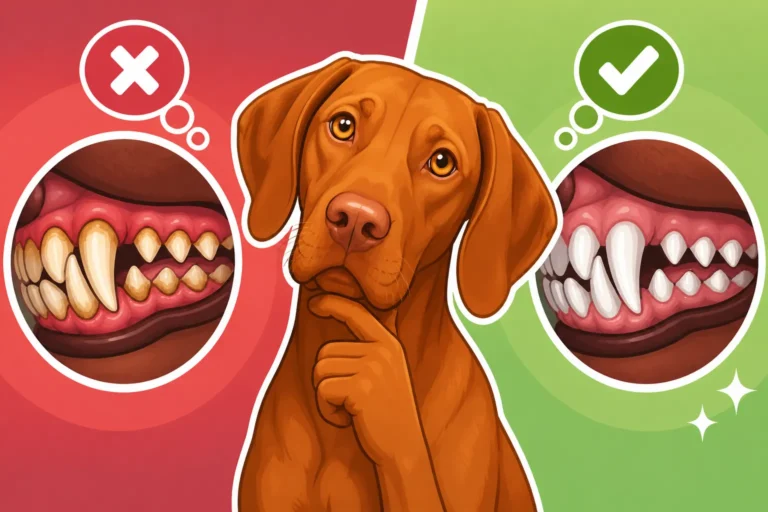
Vizsla dental disease causes pain and infection when plaque and tartar lead to severe gingivitis and periodontitis if left untreated.

Floppy ears, trapped moisture, and allergies explain why Vizslas frequently develop painful bacterial and yeast ear infections.
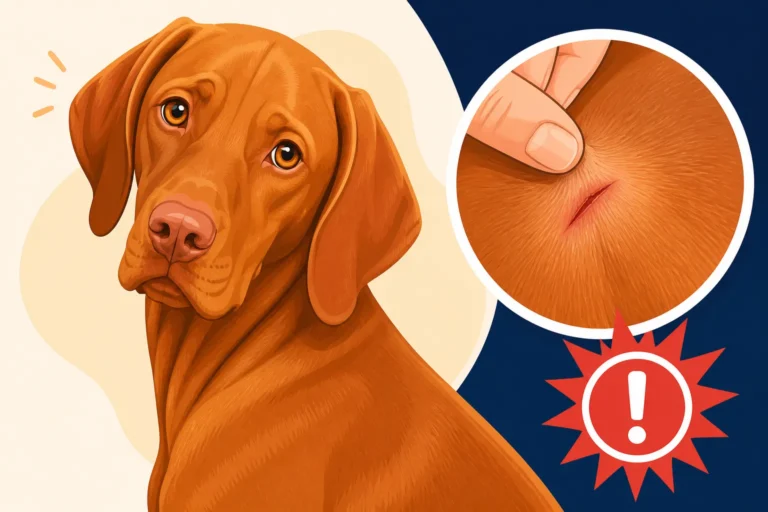
Vizsla skin tears and punctures easily because the lean athletic dogs have a single fine coat and little subcutaneous fat.

Vizsla hunting cuts happen from thin skin and high drive, explaining prevention, immediate care, and recovery for wounds.

Grass seeds entering Vizsla paws cause pain and infection, requiring careful checks of toes, ears, and nose after outdoor runs.

Vizsla eating habits in the field explain why hunting dogs ingest animal scat, dead animals, and toxic plants, with safety management.

Colitis in Vizslas causes inflammation of the large intestine, leading to symptoms, acute and chronic types, and management options.

Pancreatitis symptoms, causes, and digestive risks for Vizslas help owners recognize acute signs and protect their dogs.

Post-meal rest for deep-chested Vizslas prevents fatal stomach twisting and gas buildup, explaining safe activity durations.