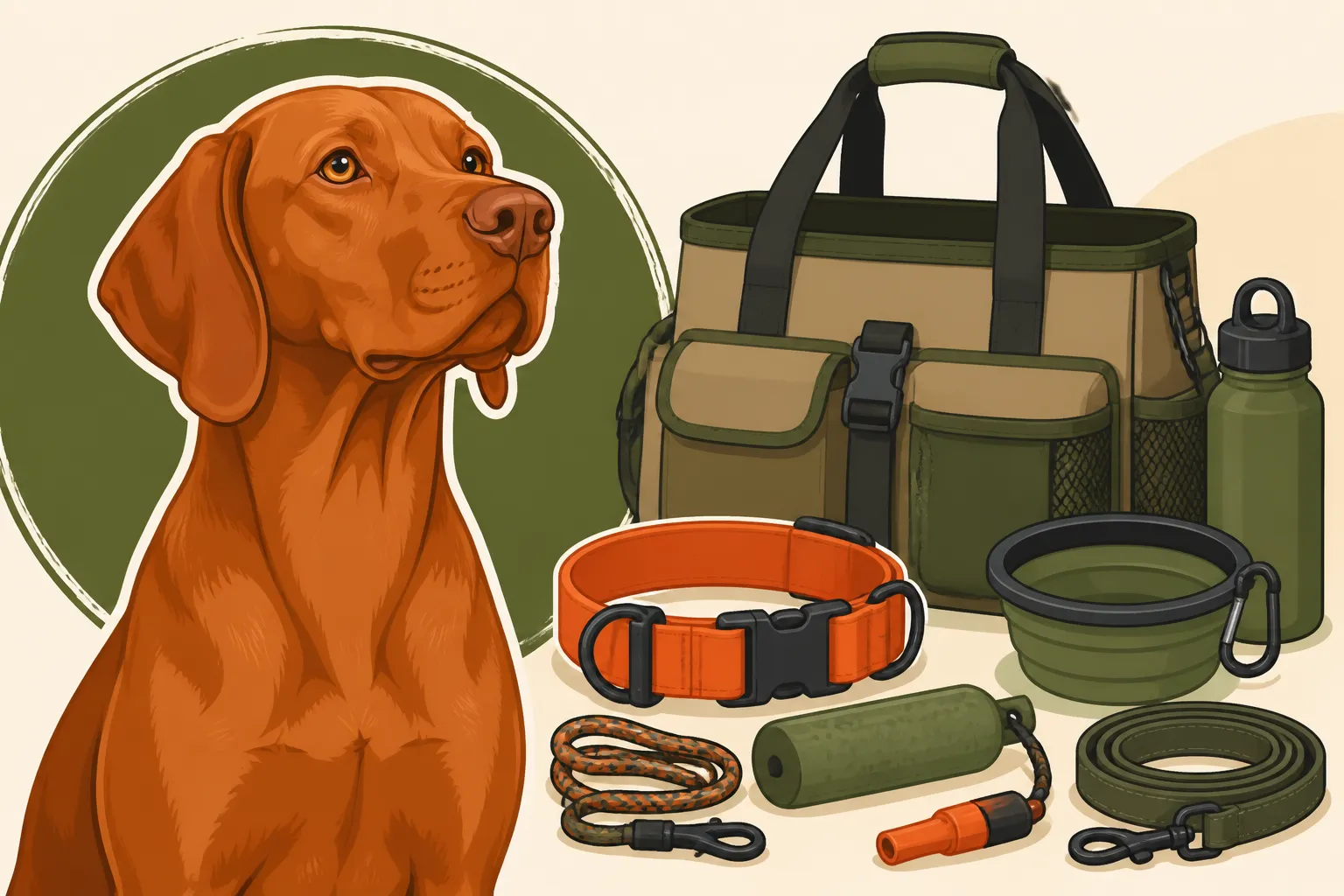
The Bird Dog Kit a Vizsla Owner Ends Up Buying
Embarking on the journey of owning a Vizsla, especially with the dream of having a brilliant bird dog, is incredibly exciting, but the sheer volume of gear and equipment can feel overwhelming. It’s a common frustration to start with just a leash and a bowl, only to realize how many specialized items are truly necessary to keep your active, sensitive Vizsla safe, healthy, and performing at their best in the field. This guide will meticulously break down the essential bird dog kit you’ll inevitably acquire, explaining why each item is crucial and helping you make informed choices for your Hungarian dynamo.
Essential Gear for the New Vizsla Hunter
When you first bring home that bouncing ball of energy, your thoughts are likely consumed by house training and basic obedience. But if bird hunting is in your Vizsla's future, a foundation of reliable, high-quality gear is paramount right from the start.
Quality Leashes, Collars, and Long Lines
You might think any old leash will do, but for a Vizsla, especially one destined for the field, the right leash and collar are foundational to their safety and training. These aren't just accessories; they are vital communication tools.
- Durable Materials for the Active Dog: Your Vizsla is a lean, muscled athlete, and they demand gear that can withstand their power and enthusiasm. Cheap nylon can chafe, fray, or break under strain, especially when a high-drive Vizsla hits the end of a lead with the scent of game in their nose. Look for leashes made from sturdy, weather-resistant materials like braided nylon, biothane, or even leather for comfort and longevity. Biothane, in particular, is a favorite among many bird dog owners because it's waterproof, odor-proof, and easy to clean, making it perfect for muddy fields and wet conditions. The hardware—snaps and D-rings—should be solid brass or stainless steel, resisting rust and ensuring secure attachment even with constant use.
- Collar Types for Every Purpose: For everyday wear, a comfortable, flat buckle collar with your Vizsla's identification tags is essential. However, for training, especially in the early stages, you might find other types more effective. A properly fitted slip collar (not to be confused with a choke chain) can be a gentle way to communicate corrections during leash training, teaching your Vizsla to yield to pressure without causing pain. When it comes to field work, specialized GPS collars often integrate with a robust traditional collar, and many owners opt for bright, reflective options for visibility even without an orange vest. Ensure any collar fits snugly enough that it can't slip over their head, but loose enough for two fingers to slide underneath comfortably.
- Long Lines for Freedom and Control: This is perhaps one of the most underrated pieces of equipment for a developing bird dog. A long line, typically 20 to 50 feet in length, allows you to give your Vizsla the sensation of freedom and practice their recall commands at a distance, all while maintaining a crucial safety connection. It's an invaluable tool for teaching them to range and explore within boundaries, to check in, and to respond to "whoa" or "come" even when they're distracted by interesting smells or distant birds. Using a long line in an open field helps build a reliable recall before you ever dare let your high-drive Vizsla off-leash completely, a step many Vizsla owners skip to their regret. Imagine your Vizsla hitting a strong scent and taking off – that long line is your insurance policy.
Whistles and Lanyards
The sound of your voice can carry only so far, and in a bustling field with wind, thick cover, or the excitement of game, a whistle becomes your ultimate communication tool. It’s consistent, carries further, and cuts through distractions in a way your voice simply cannot.
- Choosing the Right Whistle: There are various types of dog whistles, each with their own characteristics. The traditional "pea whistle" produces a trilling sound, while "pea-less" whistles offer a consistent tone regardless of weather or moisture, making them popular for serious bird dog trainers. Some owners opt for "silent" or "high-frequency" whistles, which are less intrusive for human ears but still audible to dogs, though many find the regular pealess whistle more effective in the field. The most important thing is consistency: choose one and stick with it. An Acme Thunderer or a similar high-quality sporting dog whistle is a popular and reliable choice.
- The Lanyard: Your Best Friend: A lanyard keeps your whistle securely around your neck, preventing it from being dropped, lost in tall grass, or fumbling for it when you need it most. Imagine your Vizsla chasing a pheasant out of range, and you can't get to your whistle fast enough – that momentary delay can cost you a solid retrieve or even a lost dog. Invest in a comfortable, durable lanyard that won't chafe and allows the whistle to hang freely but accessibly.
- Training for Whistle Commands: Introducing whistle commands early is crucial. A single blast for "come," a series of short blasts for "hurry up" or "seek," and a long, sustained blast for "whoa" or "stop" are common conventions. The key is consistent, positive reinforcement. Pair your whistle commands with hand signals and generous rewards initially. Many Vizslas, being intelligent and eager to please, pick up whistle commands surprisingly quickly. It becomes an unspoken language between you and your dog, essential for navigating open country and guiding them efficiently.
Training Dummies and Bumpers
Before your Vizsla ever lays a tooth on a real bird, they need to learn the art of the retrieve. Training dummies are the building blocks for developing a soft mouth, a strong desire to retrieve, and the foundational skills needed for successful bird work.
- Progressive Training with Different Materials: Start with soft, easily graspable dummies. Canvas or soft rubber bumpers are excellent for puppies and young dogs, as they are forgiving on developing teeth and introduce the concept of retrieving gently. As your Vizsla gains confidence and strength, you can progress to heavier, harder plastic dummies that simulate the weight and feel of real game. Many owners also incorporate "dead bird" scented dummies or even real bird wings attached to dummies to introduce the scent of game in a controlled, positive way. This gradual progression ensures your Vizsla builds enthusiasm without being overwhelmed or put off by an unfamiliar texture.
- Making the Retrieve Fun and Instructive: The goal is to cultivate a dog that wants to retrieve, not one that has to. Keep training sessions short, fun, and always end on a positive note. Use enthusiasm and praise lavishly. Teach your Vizsla to fetch, hold, and deliver the dummy directly to hand. This "force fetch" or "trained retrieve" process ensures a reliable retrieve even under challenging conditions. For a Vizsla, who often has an innate desire to please, this can be a rewarding experience that strengthens your bond. Avoid any harshness, as a soft Vizsla can easily shut down, hindering their natural retrieving instincts.
- The Role of Different Dummies: Different dummies can serve different purposes. Floating bumpers are excellent for introducing water retrieves. Scented dummies help them learn to track. White or brightly colored dummies are great for teaching marking (remembering where a thrown object landed), while natural-colored ones teach them to rely more on scent. Brands like Dokken's Dead Fowl Trainers offer realistic weights and shapes, preparing your Vizsla for the real thing. You'll find yourself accumulating a small arsenal of these, each playing a crucial role in shaping your Vizsla into a proficient retriever.
Safety and Visibility Gear for Field Work
Vizslas are sleek, golden-rust dogs that can blend surprisingly well into fall foliage or tall grass. When you’re out in the field, whether hunting or training, ensuring your dog’s safety and visibility is not just a recommendation; it’s an absolute necessity.
Blaze Orange Vests and Collars
In hunting season, or even just during training in areas with other hunters, blaze orange is non-negotiable. Your Vizsla’s beautiful golden-rust coat might make them look majestic, but it doesn't stand out against dried leaves and brush.
- Why Blaze Orange is Critical: The primary reason for blaze orange is to make your dog highly visible to human eyes, preventing accidental shootings by other hunters who might mistake a flash of movement for game. Even if you're alone, it helps you keep track of your fast-moving Vizsla, especially in dense cover or at dawn/dusk. This is even more crucial for a breed like the Vizsla, which can cover a lot of ground quickly and range widely.
- Different Vest Styles and Protection: Blaze orange comes in many forms. A simple orange collar is a good start, but a vest provides significantly more visibility. Basic vests are lightweight mesh, offering visibility without much bulk, great for warmer weather. For working in thicker cover, you might consider a more robust vest that doubles as a chest protector. These often feature durable Cordura or ballistic nylon on the chest and belly to shield your Vizsla's delicate skin from thorns, burrs, and sharp sticks. This added protection is especially valuable given The Thin Skin a Vizsla Takes Into the Field. Ensure the vest fits snugly to prevent snagging but allows for full range of motion.
- Visibility in Varied Terrains: Think about where you hunt or train. Open fields? Dense woods? Swampy areas? The amount and placement of blaze orange might vary. Some vests have reflective strips for low-light conditions. A full vest helps your dog stand out whether they are running through tall grass or pausing on a rise. It's a simple, inexpensive piece of gear that offers priceless peace of mind.
First Aid Kit Essentials for the Field
Accidents happen. Your Vizsla is a spirited, agile dog, and venturing into the field, whether hunting or hiking, exposes them to countless potential hazards. Being prepared for minor injuries is a mark of a responsible dog owner.
- Common Field Injuries: Vizslas are prone to cuts and scrapes from thorns, barbed wire, or sharp rocks. Paw pads can get torn or abraded, especially on rough terrain or frozen ground. Grass seeds are notorious for burrowing into paws, ears, and even eyes, causing irritation and infection. Insect stings, snake bites, or sudden lameness are also possibilities. You never know what you’ll encounter, which is why a well-stocked first aid kit is paramount.
- What to Include in Your Kit: A good field first aid kit should be compact but comprehensive. Essential items include: antiseptic wipes or spray (like chlorhexidine or Vetericyn), sterile gauze pads, self-adhering wrap (like Vet Wrap, which sticks to itself, not fur), medical tape, blunt-tipped scissors, tweezers (for splinters or ticks), saline solution (for flushing wounds or eyes), a tick remover tool, and perhaps a small bottle of super glue for closing minor cuts. Consider adding a styptic powder to stop nail bleeds, and perhaps a dose of dog-specific pain relief (consult your vet first!). Don't forget your vet's emergency contact information and the address of the nearest emergency vet clinic. For a detailed breakdown, check out What a First Aid Kit for a Hunting Vizsla Holds.
- Basic Canine First Aid Knowledge: Knowing how to use the items in your kit is just as important as having them. Learn how to clean a wound, apply a bandage, and remove a tick safely. Understanding basic canine CPR and knowing how to assess for shock can be life-saving skills. Many local dog clubs or Red Cross chapters offer pet first aid courses. Being able to address a situation quickly can prevent a minor issue from becoming a major emergency and ensure your Vizsla's comfort and safety until you can reach professional veterinary care.
GPS Tracking Collars
The thought of your Vizsla going missing is a nightmare for any owner, and for a wide-ranging bird dog, it's a very real concern. A GPS tracking collar offers an incredible layer of security, giving you peace of mind that you can always locate your beloved companion.
- The Vizsla's Ranging Tendencies: Vizslas are bred to cover ground, often ranging far from the hunter in search of game. Their speed and intensity, combined with their strong prey drive, mean they can quickly disappear over a ridge or into thick cover. Factors like a startling gunshot, a sudden scent, or getting disoriented can lead to a lost dog. The panic of not knowing where your dog is, especially as daylight fades, is something no owner wants to experience.
- Benefits Beyond Just Location: Modern GPS collars do so much more than just tell you where your dog is. They can track your dog's mileage, speed, and even indicate if they are on point or treed. Many systems offer geofencing capabilities, alerting you if your dog leaves a predefined safe zone. This data can also be incredibly useful for analyzing your dog's hunting style and improving training. Companies like Garmin (with their Alpha series) and SportDOG offer robust, reliable GPS systems specifically designed for hunting dogs.
- Understanding Features and Costs: When choosing a GPS collar, consider battery life, range, mapping capabilities, and whether it integrates with other training features (like e-collar functions). Some systems require a subscription fee for cellular service, while others operate via radio frequency and a handheld device, which might be better in remote areas without cell coverage. While they are a significant investment, the cost is easily justified by the security and data they provide. For a deeper dive into the financial aspect, you might want to look at What a GPS Collar Costs for a Vizsla. It’s an investment in your dog’s safety and your peace of mind.
Comfort and Protection for Your Vizsla in the Field
Vizslas are rugged hunters, but their sleek coats and lean build mean they’re also somewhat vulnerable to the elements and the rough-and-tumble nature of field work. Providing them with proper protection isn't coddling; it's smart care that ensures their longevity and comfort.
Paw Protection Boots and Waxes
Your Vizsla’s paws are their primary tools for covering ground, pointing, and retrieving. Protecting them from harsh conditions is essential for their performance and well-being.
- Shielding Delicate Vizsla Pads: Vizslas have relatively sensitive paw pads compared to some other breeds. Hunting on abrasive terrain like stubble fields, rocky ground, or through icy snow can quickly lead to cuts, cracks, or severe abrasions. Thorns, burrs, and sharp objects are constant threats. Paw protection helps prevent these common injuries, keeping your dog in the field longer and more comfortably.
- Choosing the Right Boots: Dog boots come in various materials and designs, from lightweight fabric booties for mild protection to heavy-duty rubber-soled boots for extreme conditions. For hunting, look for boots that are durable, flexible, and have good traction. The biggest challenge is finding a pair that stays on your Vizsla’s athletic feet. Many owners swear by brands like Ruffwear or Muttluks. It often takes some trial and error to find the perfect fit and style that your dog tolerates. Introduce boots slowly and positively, letting your Vizsla wear them for short periods at home before venturing into the field.
- The Benefits of Paw Waxes: Even if your Vizsla wears boots, paw wax is an excellent addition to their field kit. Products like Musher's Secret or Bag Balm create a protective barrier on the pads, moisturizing them to prevent cracking, helping to repel snow and ice, and offering a minor shield against irritants. Applying paw wax before and after a hunt can significantly improve the health and resilience of your Vizsla's paws. For more detailed information on maintaining healthy paws, you might consider Whether a Vizsla Needs Paw Wax.
Protective Vests and Chest Protectors
Beyond visibility, a protective vest acts as armor for your Vizsla, safeguarding them from the environmental hazards of hunting.
- Guard Against Cuts and Scrapes: Vizslas have a fine, short coat and thin skin, which, while aiding in their sleek appearance and athleticism, offers less protection than a thicker, double coat. Running through dense briars, sharp branches, or even across fields with abrasive crop stubble can leave them with nasty cuts, scratches, and punctures. A quality chest protector or protective vest made from materials like Cordura, ripstop nylon, or even a Kevlar blend can deflect these hazards, preventing painful injuries and costly vet visits.
- Materials and Design for Durability: These vests are designed to cover the vital areas—the chest, belly, and sides—without hindering movement. Look for designs that are anatomically contoured to fit your Vizsla's lean body, with adjustable straps that allow for a secure, comfortable fit. Some vests incorporate reflective elements for added visibility, while others prioritize water resistance to keep your dog drier in wet conditions. The goal is maximum protection without sacrificing comfort or performance.
- Ensuring Comfort and Unrestricted Movement: While protection is key, your Vizsla needs to move freely to do their job. A vest that bunches, rubs, or restricts their shoulders or hips will quickly become a liability. Test the fit thoroughly, perhaps during a vigorous walk or short training session, before taking it out for a full hunt. A well-fitted vest becomes a second skin, allowing your Vizsla to focus on the hunt, not their discomfort.
Hydration and Nutrition on the Go
An active Vizsla burns an incredible amount of energy and needs constant hydration, especially during intense field work. Neglecting this can lead to dehydration, fatigue, and even serious health issues.
- The Importance of Hydration for Active Dogs: Just like human athletes, working dogs lose a lot of fluids through exertion and panting. Dehydration can rapidly lead to heat exhaustion or heatstroke, which are particularly dangerous for high-energy breeds. Always carry more water than you think you'll need. Your Vizsla should have access to fresh water every 15-30 minutes during intense activity and immediately after any sustained effort.
- Portable Water Bowls and Hydration Packs: Collapsible silicone bowls are lightweight and easy to carry, folding flat to slip into a pocket or pack. Water bottles designed with integrated dog bowls or squeeze-dispensing features are also excellent options for quick, on-the-go hydration. For longer hunts or when carrying multiple dogs, a small backpack with a water reservoir and hose for quick access can be invaluable. Don't rely solely on natural water sources, as they may be contaminated or simply unavailable when needed.
- High-Energy Treats and Supplements: Sustained activity requires sustained fuel. High-calorie, easily digestible treats can provide a quick energy boost during breaks. Performance-oriented dog foods are important for their daily diet, but a handful of specialized training treats or even a small portion of their regular kibble can keep them going. Electrolyte supplements, similar to those for human athletes, can be mixed with water to replenish essential minerals lost through sweat and panting, especially on hot days or during extended hunts. You can easily find these essentials through online retailers like Chewy, ensuring your Vizsla stays fueled and ready. For more on this, check out Whether a Vizsla Needs Electrolytes on a Long Hunt.
Training Tools and Accessories for Advanced Work
As your Vizsla progresses from a keen pup to a seasoned bird dog, you'll find yourself investing in more specialized tools designed to refine their skills and prepare them for real-world hunting scenarios.
E-Collars and Proper Use
E-collars, or electronic collars, are often misunderstood and carry a stigma, but in the hands of a knowledgeable and ethical trainer, they are powerful communication tools for advanced bird dog training.
- Dispelling the Myths: Let's get this straight: a modern e-collar is not a shock collar meant for punishment. It’s a sophisticated device that delivers varying levels of stimulation (often a mild static pulse, similar to a TENS unit, or even just a vibration or tone) to communicate with your dog at a distance. When used correctly, it acts as an extension of your leash, providing consistent, clear feedback without emotion. The goal is to condition your Vizsla to respond to commands from a distance, reinforcing their understanding rather than correcting misbehavior with pain.
- Ethical and Proper Training Techniques: The key to using an e-collar effectively and humanely lies in proper introduction and consistent, low-level stimulation. Begin by conditioning your dog to the lowest visible setting, associating it with a known command (like "come" or "sit"), and immediately following with positive reinforcement. The stimulation should be just enough for your dog to notice, not to cause pain or fear. This creates a clear understanding that the stimulation is a signal, not a punishment.
- Features and Advanced Communication: Modern e-collars offer a range of features, including different levels of stimulation, vibration, and tone-only modes. Many also integrate with GPS tracking systems, offering a comprehensive field solution. They are invaluable for reinforcing recall in situations where your Vizsla might be highly distracted by game, for encouraging steadiness, or for guiding them into specific cover. Proper instruction from an experienced bird dog trainer is highly recommended before incorporating an e-collar into your training regimen. For more on the ethical considerations, read Whether an E-Collar Belongs on a Vizsla.
Bird Launchers and Traps
To simulate realistic hunting scenarios and polish your Vizsla’s pointing and retrieving skills, specialized bird equipment becomes indispensable.
- Simulating Real-World Scenarios: You can only throw so many bumpers. To develop a truly reliable bird dog, they need to work with actual birds. Bird launchers (manual or remote-controlled) and bird traps allow you to control the bird's flight path and timing, creating repeatable training scenarios. This is critical for teaching your Vizsla to honor another dog's point, to be steady to flush and shot, and to retrieve fallen game.
- Manual vs. Remote Launchers: Manual launchers require you to be near the device to release the bird, which is useful for close-quarters training. Remote launchers, however, are a game-changer. They allow you to be at a distance from your dog, simulating actual hunting conditions where you call the shots. You can release a pigeon or quail from a launcher with the press of a button, working on your Vizsla’s steadiness to flush and retrieving skills from afar.
- Safe Handling of Birds: When working with live birds, ethical and safe handling is paramount. Ensure the birds are healthy, well-cared for, and released in a way that minimizes stress. Introduce gunfire carefully and positively during these sessions to acclimate your Vizsla to the sound. This phased introduction is vital to prevent gun shyness. You can find comprehensive advice on How to Introduce a Vizsla to Gunfire to ensure a positive experience for your dog.
Blind and Decoy Setups
If your hunting ambitions include waterfowl, your bird dog kit will expand to include gear for blind work and decoy placement.
- Camouflaging Dog and Hunter: Waterfowl hunting demands stealth. A dog blind, whether a portable ground blind or a more elaborate structure, helps your Vizsla remain hidden from wary birds. These blinds are designed to blend into the natural surroundings, using camouflage patterns and natural vegetation. Training your Vizsla to be calm and quiet in a blind, even when surrounded by the sounds and sights of a duck marsh, is a unique and challenging skill.
- Building Steadiness and Patience: Blind work teaches incredible patience and discipline. Your Vizsla must learn to sit quietly, sometimes for hours, ignoring distractions, and only launching into action when commanded to retrieve a downed bird. Decoys, strategically placed, are essential for attracting waterfowl and creating realistic retrieval opportunities. This type of training builds immense mental fortitude and control, extending beyond just waterfowl hunting to enhance their overall obedience and focus.
- Specific Gear for Water Work: Beyond the blind itself, you'll need specialized gear for water retrieves. This includes floating dummies, Neoprene vests for warmth in cold water, and sturdy lines for securing the dog blind. Training your Vizsla to enter and exit the water safely and retrieve from challenging currents is a skill that takes time and specific equipment. If you're considering this aspect of hunting, a valuable resource would be Whether a Vizsla Works Waterfowl.
Transportation and Storage Solutions
Getting your Vizsla and all their gear to and from the field safely and efficiently is a critical part of the bird dog lifestyle. Thoughtful transportation and storage solutions protect your dog and your equipment.
Secure Dog Crates and Kennels for Vehicles
Safety on the road is just as important as safety in the field. Your Vizsla, and any hunting gear, needs secure transport.
- Safety During Transport: In the event of an accident, an unsecured dog can become a projectile, causing injury to themselves and human occupants. A secure dog crate or kennel is the safest way to transport your Vizsla, protecting them from sudden stops, collisions, or even just shifting cargo. It also prevents your dog from being a distraction to the driver, ensuring everyone arrives safely.
- Crash-Tested Options and Proper Ventilation: Look for crash-tested crates that meet established safety standards. These are designed to withstand impact and keep your dog contained and protected. Brands like Ruffland or Gunner Kennels are popular choices among hunting dog owners for their durability and safety features. Ensure the kennel provides adequate ventilation to keep your Vizsla cool in the summer and dry in wet weather. A hot, stuffy kennel can quickly lead to heatstroke, especially for an excited Vizsla heading to the field.
- Truck Kennels and Boxes: For those who transport their Vizslas in the bed of a truck, specialized truck kennels or dog boxes are ideal. These units are often made of durable roto-molded plastic or aluminum, offering superior protection from the elements, improved ventilation, and security. Many come with built-in storage compartments for leashes, training supplies, and other gear, making them incredibly convenient for field trips. Remember that a Vizsla's thin coat makes them vulnerable to cold, so consider insulation or blankets for winter travel. For more on crate choices, see Whether a Vizsla Needs a Crash Tested Crate.
Gear Bags and Storage Systems
Hunting gear can quickly accumulate and get messy. Effective storage solutions keep your equipment organized, clean, and ready for action.
- Keeping Gear Organized and Clean: Imagine fumbling for a leash or a specific dummy in a pile of muddy equipment when you're trying to get out the door. Dedicated gear bags solve this problem. They keep your whistles, leads, e-collar remotes, dummies, and first aid supplies neatly organized and protected from dirt and moisture. Look for bags with multiple compartments, waterproof linings, and durable zippers.
- Durable Bags for Wet, Muddy Equipment: Hunting often means mud, water, and dog slobber. Choose gear bags made from robust, water-resistant materials that can be easily wiped clean. Some bags even have separate ventilated compartments for wet items, preventing mildew and odors from spreading. Having a dedicated "field bag" means you can quickly grab everything you need for a training session or hunt without forgetting crucial items.
- Vehicle Organization Solutions: Beyond individual bags, consider larger vehicle organization systems. Trunk organizers, storage bins, and seat-back organizers can keep everything from extra water bottles and towels to spare vests and boots neatly stowed and easily accessible. This not only keeps your vehicle cleaner but also ensures you're always prepared for any contingency in the field.
Post-Hunt Care and Recovery Gear
The hunt isn't over when the birds are bagged. Proper post-hunt care is essential for your Vizsla's recovery, comfort, and long-term health, ensuring they're ready for the next adventure.
Drying Towels and Post-Hunt Warmth
Vizslas, with their single, fine coat, are particularly susceptible to cold after a strenuous hunt, especially if they've been working in water. Preventing chilling is paramount.
- Rapid Drying to Prevent Chilling: A wet Vizsla can get cold very quickly, especially in cooler weather. Hypothermia is a real risk. Super absorbent microfiber towels are a must-have for drying your dog thoroughly after water retrieves or working in wet conditions. Some owners even use specialized dog drying robes or coats that wick away moisture efficiently, helping to warm the dog while you're packing up or driving home.
- Warming Coats and Blankets: Once your Vizsla is towel-dry, a warm fleece or insulated coat is invaluable. These provide an extra layer of warmth during the cool-down period and during travel, preventing muscle stiffness and keeping their core temperature up. For particularly cold days or dogs prone to shivering, a simple dog blanket in their crate can make a huge difference. Remember, The Cold a Vizsla Genuinely Cannot Handle is a significant concern, so proactive warmth is crucial.
- Heated Beds for Deep Recovery: Back at home, a heated dog bed can be a true luxury for a tired Vizsla, promoting relaxation and aiding muscle recovery. Many heated beds are thermostatically controlled, ensuring a safe and consistent warmth. For an older Vizsla, or one with joint issues, this can be incredibly soothing. If you want to know more about keeping your Vizsla cozy, consider checking out Why a Vizsla Needs Somewhere Warm to Sleep.
Muscle and Joint Support
The demanding physical activity of hunting takes a toll on a Vizsla's body. Proactive muscle and joint support can significantly contribute to their comfort and longevity as a working dog.
- Supplements for Active Joints: Even in young, healthy Vizslas, supplementing with joint-supporting ingredients like glucosamine, chondroitin, and MSM can help maintain cartilage health and reduce inflammation. Omega-3 fatty acids, often found in fish oil, are excellent for overall joint health, skin, and coat. These supplements are not a cure-all but can be a vital part of a preventative care regimen for an active dog. You can often find a wide array of high-quality supplements and specialized foods via retailers like Chewy or Ollie, who offer various options for dog nutrition.
- Massage Tools and Warm Compresses: After a long, strenuous day, gentle massage can help soothe tired muscles and improve circulation. Simple massage techniques can be learned to benefit your dog's recovery. For specific areas of soreness or stiffness, warm compresses (a warm, damp towel) can provide relief, increasing blood flow and relaxing tense muscles. Pay particular attention to the shoulders, hips, and back, which bear a significant load during running and retrieving.
- Ensuring Longevity for Your Working Dog: Investing in your Vizsla's physical recovery is an investment in their working career. Just as human athletes prioritize recovery, so too should bird dog owners. This proactive care helps prevent injuries, reduces wear and tear on joints, and allows your Vizsla to remain enthusiastic and capable in the field for many years. To delve deeper into supporting your dog's mobility, explore Whether Joint Supplements Help a Vizsla.
Cleaning and Maintenance Supplies
Keeping your Vizsla clean and healthy, and their gear in top condition, is an ongoing task that requires specific supplies.
- Shampoos for Sensitive Skin and Ear Cleaners: Vizslas often have sensitive skin, so a mild, pH-balanced dog shampoo is essential. If your Vizsla has been working in water, ear cleaning is especially important to prevent infections. Their floppy ears can trap moisture, creating a perfect breeding ground for bacteria and yeast. A veterinarian-approved ear cleaner should be part of your routine. For more specific advice on ear care, refer to Keeping a Vizsla's Ears Clear After Water Work.
- Brushes and Nail Clippers: While Vizslas have short coats, regular brushing with a rubber curry comb or grooming mitt helps remove loose hair, distribute natural oils, and provides a gentle massage. Keeping their nails trimmed is also crucial; overgrown nails can cause discomfort, lead to paw issues, or even tear during strenuous activity. A quality pair of nail clippers or a dremel tool is a must-have.
- Maintaining Equipment for Durability: Your investment in bird dog gear is substantial, and proper maintenance extends its lifespan. Wash vests and blankets regularly, clean e-collars and GPS units of mud and debris, and inspect all equipment for wear and tear. Store gear in a dry, well-ventilated area to prevent mold and rust. A little bit of care goes a long way in ensuring your kit is always ready for the next hunt.
Unexpected Necessities and Future Investments
Beyond the immediate gear, there are broader considerations and investments that many Vizsla owners eventually find indispensable for their dog's well-being and their own peace of mind.
Pet Insurance for Peace of Mind
Vizslas are generally robust, but their active lifestyle and breed predispositions mean veterinary emergencies and chronic conditions can arise unexpectedly, often with significant financial implications.
- Active Dogs and Unexpected Accidents: An active bird dog is inherently at a higher risk of accidents. Field injuries—cuts requiring stitches, broken bones, or soft tissue injuries—can happen in an instant. Beyond accidents, Vizslas are unfortunately prone to certain breed-specific health issues. These can range from common issues like allergies and thyroid problems to more serious conditions such as cancers or immune-mediated diseases.
- Coverage for Injuries, Illnesses, and Hereditary Conditions: Pet insurance, such as plans offered by Healthy Paws, can be a lifesaver, covering a significant portion of unexpected veterinary bills. Look for policies that offer comprehensive coverage for accidents, illnesses, and ideally, hereditary or congenital conditions. While initial costs might seem an added expense, one major emergency or a diagnosis of a chronic illness can quickly rack up thousands of dollars in vet bills, far exceeding years of premiums.
- Protecting Your Finances and Your Vizsla's Health: Making a decision about expensive treatments should be based on what's best for your Vizsla, not limited by your budget. Pet insurance allows you to provide the best possible care without financial strain. It's a proactive step that many Vizsla owners wish they had taken sooner. For a deeper understanding of this topic, consider reading Insuring a Vizsla Against Immune Disease.
Specialized Vehicle Accessories
To fully embrace the bird dog lifestyle, you’ll likely find yourself upgrading your vehicle setup to better accommodate your Vizsla and their equipment.
- Protecting Your Vehicle's Interior: Dogs, especially after a hunt, are often muddy, wet, and shedding. High-quality, waterproof seat covers are essential for protecting your vehicle's upholstery. Cargo liners or dedicated dog hammocks for the back seat can contain the mess, making cleanup much easier.
- Ramps/Steps for Older or Injured Dogs: As your Vizsla ages, or if they sustain an injury, jumping in and out of a truck or SUV can become difficult or even dangerous. A portable dog ramp or set of steps can make entry and exit safe and comfortable, preserving their joints and preventing further injury. This foresight helps maintain their mobility and quality of life for longer.
- Enhanced Lighting and Storage: For early morning departures or late-night returns from the field, additional vehicle lighting (like LED light bars on a truck or internal cargo area lighting) can be incredibly helpful for loading and unloading dogs and gear safely. Custom storage solutions, such as drawer systems in the bed of a truck or built-in kennels, can optimize space and keep all your hunting essentials secure and organized.
Ongoing Training and Educational Resources
Becoming a skilled bird dog handler is a continuous journey, and investing in your own education is just as important as investing in your dog's gear.
- Books, Online Courses, and Workshops: The world of dog training, especially bird dog training, is vast. There are countless books, DVDs, and online courses that can guide you through various training methodologies and techniques. Learning from experienced trainers and applying their wisdom to your Vizsla will yield far greater results than simply buying more gear. Knowledge is power, and it will deepen your understanding of your Vizsla's instincts and behavior.
- Local Club Memberships and Professional Trainers: Joining a local hunt test club, field trial club, or breed-specific club (like a Vizsla Club of America chapter) offers invaluable networking opportunities. You can learn from seasoned handlers, participate in training days, and get feedback on your dog's progress. For specific challenges or to take your Vizsla to the next level, working with a professional bird dog trainer can provide expert guidance and accelerate their development. These professionals have decades of experience and can spot nuances in your dog's behavior that you might miss. For more on this community aspect, explore Whether a Vizsla Needs a Training Group.
- The Continuous Journey of Learning: The bond you build with your Vizsla through training and hunting is profound. Every outing is a learning opportunity, and every season brings new challenges and joys. Embracing this continuous learning process, both for yourself and your dog, is what truly defines the bird dog lifestyle. The gear facilitates the journey, but the shared experience and mutual growth are the real treasures.
Essential Bird Dog Kit Checklist
| Category | Essential Items | Why It's Important |
|---|---|---|
| Basic Control & Training | Durable Leash (Biothane/Nylon) | Safety, communication, foundation for obedience. |
| Flat Buckle Collar (ID tags) | Everyday wear, identification. | |
| Long Line (20-50ft) | Off-leash practice with control, recall training. | |
| Pealess Whistle & Lanyard | Consistent, long-distance communication, cuts through distractions. | |
| Training Dummies (Canvas/Rubber/Scented) | Develop retrieve, soft mouth, introduce bird scent. | |
| Safety & Visibility | Blaze Orange Vest/Collar | Crucial visibility for hunter safety, prevents accidental shootings. |
| Field First Aid Kit | Address common injuries (cuts, paw pads, grass seeds), rapid response to emergencies. | |
| GPS Tracking Collar | Locates wide-ranging Vizslas, prevents losing your dog, tracks performance data. | |
| Comfort & Protection | Paw Protection Boots/Wax | Protects sensitive pads from rough terrain, ice, thorns, prevents cracking. |
| Protective Vest/Chest Protector | Shields thin skin from briars, sharp sticks, abrasive stubble. | |
| Portable Water Bowl & Water Bottle | Prevents dehydration, maintains energy and health during activity. | |
| High-Energy Treats/Electrolytes | Sustained fuel for intense work, replenishes lost minerals. | |
| Advanced Training | E-Collar (low-level stimulation) | Remote communication, reinforces commands, steadiness, recall. |
| Bird Launchers/Traps | Simulates realistic flushes, refines pointing, steadiness to flush/shot. | |
| Dog Blind (for waterfowl) | Camouflage for stealth, teaches patience and steadiness in the blind. | |
| Transportation & Storage | Crash-Tested Crate/Truck Kennel | Safe vehicle transport, prevents injury in accidents, secures dog and gear. |
| Durable Gear Bag/Storage System | Organizes equipment, protects from dirt/moisture, quick access. | |
| Post-Hunt Care | Absorbent Drying Towels/Coat | Prevents chilling, speeds drying after water work/wet conditions. |
| Warming Coat/Blanket | Maintains core temperature, aids muscle recovery, prevents stiffness. | |
| Joint Supplements (Glucosamine/Chondroitin) | Supports joint health, reduces inflammation, promotes longevity. | |
| Mild Dog Shampoo & Ear Cleaner | Maintains skin/coat health, prevents ear infections. | |
| Nail Clippers/Dremel | Prevents discomfort, paw issues, and tears from overgrown nails. | |
| Long-Term Investments | Pet Insurance | Financial protection against accidents, illnesses, and breed-specific health issues. |
| Vehicle Interior Protection (Seat covers/Cargo liners) | Keeps vehicle clean, protects upholstery from mud, hair, and moisture. | |
| Access to Training Resources (Books/Clubs/Trainers) | Ongoing education for handler, deepens bond, refines dog's skills. |
Disclaimer
This article is intended for informational purposes only and is not a substitute for professional veterinary advice, diagnosis, or treatment. Always seek the advice of your veterinarian or other qualified health provider with any questions you may have regarding a medical condition or the health and welfare of your pet. The mention of specific brands is for contextual and illustrative purposes only and does not constitute an endorsement.