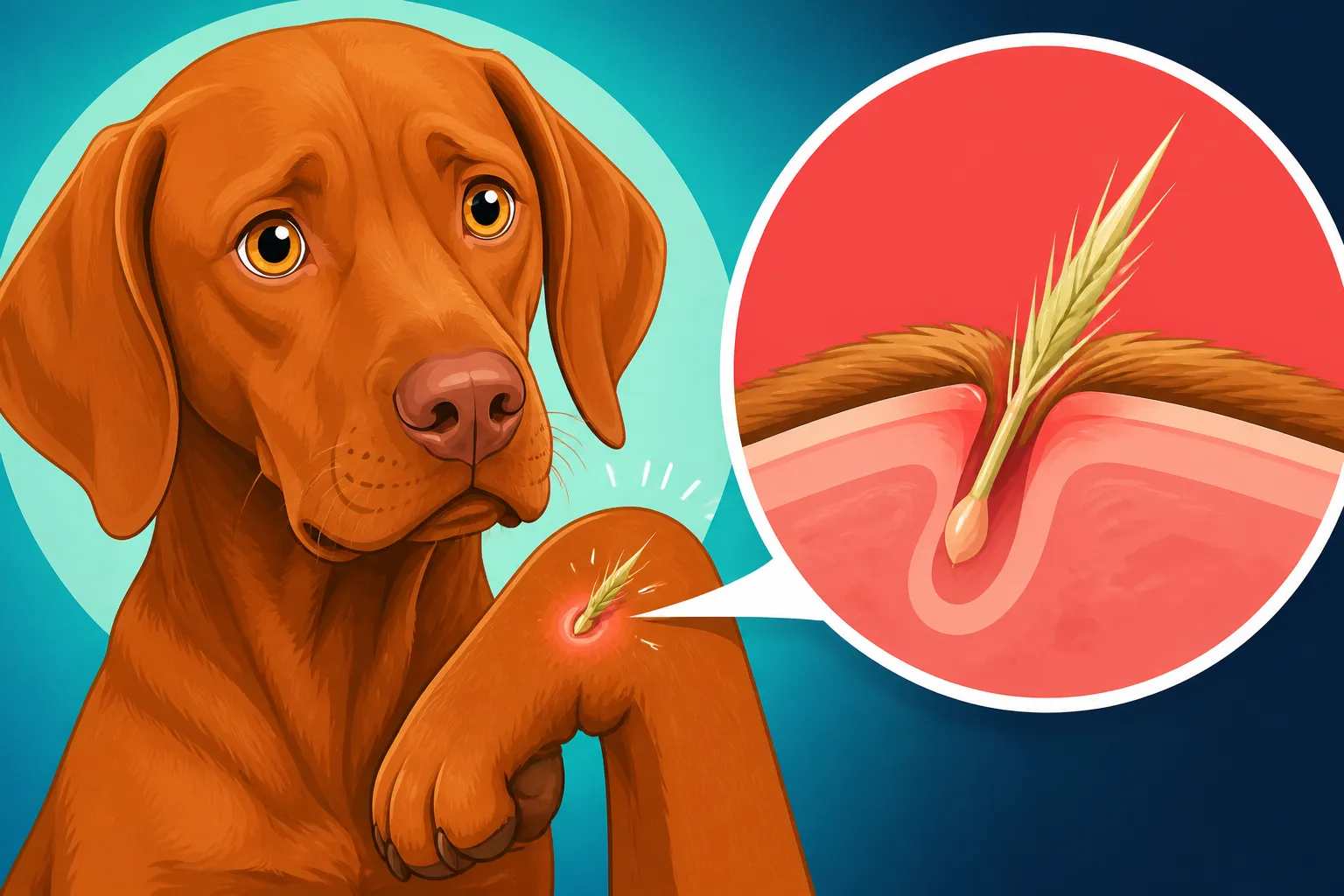
What Removing a Grass Seed Costs on a Vizsla
Oh, the dreaded grass seed! If you've spent any time at all exercising your energetic Vizsla, you'll know the sinking feeling when you find one of these tiny, barbed invaders nestled deep in their fur, or worse, making its way into their body. It's a common, infuriating problem that can quickly escalate from a minor annoyance to a serious health crisis, often leading to unexpected and sometimes significant vet bills. This guide is here to walk you through why grass seeds are such a menace for our beloved Hungarian Pointers, what signs to look for, and critically, what you can expect in terms of veterinary care and the costs involved in getting these pesky plant parts removed safely.
The Sneaky Threat of Grass Seeds to Your Vizsla
Grass seeds, or awns, are little natural projectiles designed to burrow into the ground to germinate. Unfortunately for our canine companions, they're equally good at burrowing into fur, skin, and even deeper tissues. For a Vizsla, with their short, fine coat and boundless energy for exploring, these seeds are a particular nightmare. What starts as a harmless romp through a grassy field can quickly turn into a trip to the emergency vet, and many owners feel a pang of guilt, wondering if they missed something. Trust me, you're not alone in this frustration; these seeds are incredibly deceptive.
Why Vizslas Are Prone to Grass Seed Issues
Our Vizslas are built for action, always on the go, whether they're quartering a field, crashing through brush, or simply enjoying a good sprint in the park. This very nature, combined with their distinctive physiology, makes them prime targets for grass seed infiltration. Unlike breeds with thick, double coats that might catch seeds superficially, a Vizsla's sleek, single coat offers less resistance to these barbed hitchhikers. The seeds can easily slide past the short hairs and begin their insidious journey.
Their low-slung ears, often dragging through tall grass as they follow a scent, are notorious collection points. Similarly, their agile paws, with the delicate skin between the pads, are incredibly vulnerable. Imagine your Vizsla, nose to the ground, pushing through tall summer grasses, completely oblivious to the tiny darts lodging themselves in their paws or ear canals. It’s an almost unavoidable reality of owning such an active, keen-nosed dog. It's not a matter of if your Vizsla will encounter grass seeds, but when and where they decide to embed themselves. And once they start to burrow, they only move in one direction – deeper.
Common Entry Points and Early Signs
Grass seeds are opportunists, and they'll exploit any opening they can find on your Vizsla. The most common entry points are, as you might guess, those areas most exposed to the ground and dense foliage. The spaces between their toes are a classic hiding spot, as are their ear canals, nostrils, and even their eyelids. Less commonly, but more dangerously, they can find their way into the folds of skin in the armpits or groin, or even lodge themselves in the gums or throat if ingested while chewing on grass.
Spotting a problem early is crucial, but these seeds are masters of disguise. For paw problems, you might notice your Vizsla suddenly limping, licking incessantly at a paw, or developing a swollen, tender spot. If it's in the ear, excessive head shaking, pawing at the ear, or a discharge could be signs. A seed up the nose will often cause violent, sudden sneezing, sometimes with a bloody discharge from one nostril. An irritated eye might show redness, squinting, or pawing. It's easy to dismiss these as minor irritations initially, but with grass seeds, time is absolutely of the essence. A tiny seed might look innocuous, but its ability to migrate through tissue and cause serious infection or abscesses is truly alarming. Whether a Vizsla Picks Up Grass Seeds delves deeper into why these are such a hazard.
Understanding the Veterinary Process for Grass Seed Removal
Once you suspect a grass seed, a trip to the vet isn't just a good idea; it's essential. Waiting it out can lead to far more invasive and expensive procedures down the line. A vet visit for a suspected grass seed is often one of those "drop everything" moments, because the longer that seed travels, the harder it is to find and the more damage it can cause. It’s a frustrating reality, knowing that something so small can cause such a big headache for both you and your loyal companion.
Initial Examination and Diagnostics
When you bring your Vizsla in, the vet will start with a thorough physical examination, focusing on the area you're concerned about, but also checking other common sites. They'll meticulously comb through fur, inspect paw pads, peer into ear canals with an otoscope, and check nostrils. Sometimes, the seed is right there, visible on the surface, and can be removed easily. This is the best-case scenario and often the least costly.
However, if the seed has already burrowed, the process becomes more involved. The vet might need to sedate your Vizsla for a more detailed examination, especially if it's in a painful or sensitive area like the ear canal or deeply embedded in a paw. Diagnostic imaging, such as X-rays, might be ordered if there's a deep infection or suspicion of the seed migrating internally. While grass seeds themselves aren't typically visible on X-ray, they can cause changes in the surrounding tissue or lead to abscesses that are visible, helping the vet pinpoint the problem area. These diagnostic steps add to the overall cost, but they are critical for effective treatment.
Removal Procedures
The method of removal largely depends on where the grass seed is located and how deeply it has burrowed.
- Simple Extraction: If the seed is superficial – perhaps just caught in the fur or lightly embedded in the skin – the vet might be able to remove it with tweezers or forceps. This is often done without sedation if your Vizsla is cooperative, but a topical anesthetic might be used for comfort. Think of it like a stubborn splinter. This procedure is generally straightforward and involves a basic consultation fee plus a minor procedure charge.
- Sedated Removal: When a seed is further into an ear canal, up a nostril, or causing significant pain in a paw, sedation is usually necessary. This allows the vet to thoroughly explore the area without causing distress to your Vizsla or risking injury. Specialized instruments, like an otoscope with forceps attachments, might be used. Sedation adds a significant layer of cost due to the medications and monitoring required.
- Surgical Removal: This is the most complex and expensive scenario. If a grass seed has migrated deep into tissues, created an abscess, or caused a persistent draining tract, surgical intervention may be needed. This involves a full anesthetic, surgical incision, careful exploration to find and extract the seed, and then suturing the wound. Post-operative care, including pain medication and antibiotics, will also be necessary. This is especially common for seeds that burrow deep into paws or cause chronic issues in the chest or abdomen, though the latter is rare. The recovery time will also be longer, requiring more attentive care from you. What a Vizsla's Emergency Field Injury Costs can give you an idea of the expense involved when things become more complicated.
The Financial Side of Grass Seed Extraction
No one wants to think about money when their beloved Vizsla is in pain, but the reality is that veterinary care comes with a price tag. Grass seed removals can range from relatively inexpensive to surprisingly costly, depending on the severity of the situation. It’s always best to be prepared for the possibility, even as you hope for the simple solution.
Factors Influencing the Cost
Several variables play a role in how much you'll pay to get that offending grass seed out of your Vizsla:
- Location of the Seed: A seed caught on the surface of the coat is a quick fix. One deep in the ear, requiring specialized tools and sedation, will cost more. A seed that has burrowed and caused a deep abscess in a paw or anywhere else will likely require surgery and be the most expensive scenario. Whether a Vizsla Gets Ear Infections is a good read if you've ever dealt with ongoing ear issues, as grass seeds can certainly trigger them.
- Severity of the Problem: A freshly embedded seed is simpler to remove than one that has been festering for days, causing inflammation, infection, or an abscess. The longer a seed is left, the more complications can arise, leading to more extensive (and expensive) treatment.
- Veterinary Clinic and Location: Just like any service, vet costs can vary widely based on your geographic location and the type of clinic. An emergency veterinary hospital, for instance, typically has higher fees than your regular family vet, especially for after-hours care.
- Need for Sedation or Anesthesia: Any procedure requiring your Vizsla to be sedated or put under general anesthesia will significantly increase the cost. This includes the medications, the time of the veterinary staff to monitor your dog, and any necessary pre-anesthetic blood work.
- Diagnostic Imaging: If X-rays or even more advanced imaging like an ultrasound are needed to locate a deeply migrated seed or assess damage, these will add to the bill.
- Medications: Post-removal, your Vizsla might need antibiotics to combat infection, anti-inflammatories to reduce swelling, or pain relief, all of which contribute to the final cost.
Comparing Costs for Different Scenarios
To give you a clearer picture, here's a general idea of how costs might stack up for various grass seed removal situations. Remember, these are descriptive of the shape of the cost rather than actual figures, as prices fluctuate and depend heavily on individual circumstances.
| Scenario | Description | Cost Implication |
|---|---|---|
| Simple Surface Removal | Seed visible and easily plucked from fur or shallow skin. Often no sedation required. | Primarily consultation fee, possibly a minor procedure charge. Generally the least expensive outcome. |
| Ear Canal / Nostril Seed | Seed embedded in a sensitive area, requiring sedation for thorough examination and specialized tool removal. May involve an otoscope or endoscope. | Consultation, sedation fees, procedure fee, possibly ear/nasal drops. A moderate expense, can reach several hundred. |
| Deep Paw Embedding | Seed burrowed between paw pads, causing lameness or swelling. Likely requires sedation to explore and extract. May need a small incision. | Consultation, sedation, local anesthesia, minor surgery fee, post-op medications. Can be a significant investment. |
| Abscessed / Migrated Seed | Seed has caused a deep infection, abscess, or has migrated far into tissue, requiring surgical incision under general anesthesia to locate and remove. | Consultation, full anesthesia, surgery fees, diagnostic imaging, extensive post-op medications. The most costly scenario, often running into many hundreds of dollars or more. |
It's a stark reminder that early intervention is key. A simple removal could mean a basic office visit, whereas a deeply embedded, infected seed could escalate into a major veterinary procedure.
How Pet Insurance Can Help
Given the potential costs, many Vizsla owners wisely invest in pet insurance. Having a comprehensive policy can be a huge relief, especially when dealing with unexpected issues like grass seed removals, which can quickly turn into major medical events. Plans from providers like Healthy Paws, for example, often cover accidents and illnesses, which would include the diagnosis and treatment of grass seed foreign bodies. It means you can make decisions based on your Vizsla's health needs, rather than solely on your wallet.
While policies vary, most operate on a reimbursement model. You pay the vet bill upfront, then submit a claim, and the insurer pays you back a percentage of the covered costs after your deductible. Understanding What Insuring a Vizsla Runs Monthly and the specifics of your policy, including waiting periods and exclusions, is essential before you ever need to make a claim. Many Vizsla owners find that the peace of mind offered by insurance far outweighs the monthly premium, especially with a breed prone to being so active and adventurous.
Preventing Future Grass Seed Woes
While you can't eliminate every risk, there are definitely proactive steps you can take to minimize the chances of a grass seed causing trouble for your Vizsla. Prevention is always better (and usually cheaper) than a cure, and it’s a big part of being a responsible Vizsla parent. A bit of diligence after every outing can save a lot of heartache and expense down the road.
Proactive Grooming and Checks
This is your first and best line of defense. After every single outing where your Vizsla has been in tall grass, fields, or even areas with dried weeds, you need to do a thorough check.
- Head-to-Toe Inspection: Start by systematically running your hands over your Vizsla's entire body, feeling for any bumps or foreign objects. Their short coat makes this relatively easy.
- Paw Patrol: Pay special attention to their paws. Separate each toe and meticulously check the delicate skin between the pads. These are prime hiding spots. If you see anything, try to gently pluck it out immediately with tweezers. A little paw balm can also help keep the skin supple and potentially make seeds less likely to stick, or at least easier to spot.
- Ear Scan: Carefully lift and inspect their floppy ears, inside and out. Peer into the ear canal as much as you can see. If you notice any redness or discharge, don't hesitate to check with your vet.
- Nose and Eyes: Give their nose a quick wipe and gently check around their eyes for any irritation or visible seeds.
- Brushing: A quick brush with a stiff bristle brush after coming indoors can help dislodge any seeds that are just clinging to the fur before they have a chance to burrow.
- Checking a Vizsla Over After a Hunt is a crucial ritual for any Vizsla owner, and it’s where many grass seed problems can be caught before they become emergencies.
Gear and Environmental Management
Sometimes, a little gear or a change in routine can make a big difference in avoiding grass seeds.
- Avoid Problem Areas: If you know certain fields or trails are rife with particular types of grass seeds at certain times of the year, simply avoid them. It's not always practical for a hunting dog, but for daily walks, it can be a good strategy. Keep an eye on local conditions, especially in late spring and summer when many grasses are going to seed.
- Protective Paw Wear: For Vizslas working in heavy cover or repeatedly having paw issues, dog boots can be a game-changer. While some dogs take time to adjust to them, they offer excellent protection against grass seeds, thorns, and rough terrain. You can find a variety of durable and comfortable options on sites like Chewy that are specifically designed for active dogs. Even Whether a Vizsla Needs Boots in Winter can inform you about paw protection year-round.
- Field Vests: While primarily for visibility and protection against punctures, a good field vest can also offer a layer of defense against seeds getting into the delicate chest or belly fur.
Nutritional Support for Skin Health
A healthy skin barrier can, to some extent, offer a little extra resilience. While it won't stop a determined grass seed, good skin health means it's less prone to irritation and infection if a seed does cause a minor abrasion.
- High-Quality Diet: Ensuring your Vizsla gets a balanced, nutrient-rich diet is fundamental to overall health, including skin and coat condition. Consider premium dog food brands, or even fresh food options like Ollie, which can provide excellent nutritional support. These types of foods often contain beneficial fatty acids that contribute to skin integrity and a healthy, resilient coat.
- Omega Fatty Acids: Many Vizsla owners supplement their dogs' diets with omega-3 and omega-6 fatty acids, often found in fish oil. These can improve coat shine and skin health, potentially making it harder for irritants to cause major problems. Always discuss supplements with your vet before adding them to your dog's routine.
By combining vigilance with preventative measures, you can drastically reduce the chances of a grass seed turning into a costly and painful ordeal for your beloved Vizsla. It’s all part of the unique bond we share with these incredible, active dogs, and keeping them safe and healthy is always our top priority.
Disclaimer
This article is for general informational purposes only and does not constitute professional advice. Laws, prices and regulations vary by location and change over time. Consult a qualified professional for guidance on your specific situation.