Whether an Untested Vizsla Litter Is Worth Buying
It’s a scenario many hopeful Vizsla owners encounter: you’re dreaming of that perfect copper companion, and then you see an advertisement for a litter that seems just a little bit more affordable than all the others. The puppies are adorable, the price is right, and your heart is already halfway out the door. But then a little voice, or perhaps a seasoned Vizsla owner, whispers about "health testing" or "proven lines," leaving you wondering: is an untested Vizsla litter truly worth buying? This guide aims to pull back the curtain on those initial savings, explore the long-term realities, and help you make an informed decision for the health and happiness of your future furry family member.
The Allure of the "Bargain" Vizsla Puppy
There’s no denying the immediate draw of a lower price tag when you’re looking to bring a new puppy into your home. Vizslas, being a purebred dog with specific care needs, can be a significant investment, and the thought of saving a few hundred (or even a thousand) dollars can be incredibly tempting. But as many experienced owners will tell you, a "bargain" in the initial purchase often leads to much higher costs and heartbreak down the road.
The Immediate Savings vs. Hidden Costs
When a breeder doesn't conduct proper health testing on their breeding stock, they save a considerable amount of money. These tests, which we'll delve into shortly, aren't cheap. They involve veterinary consultations, specialized X-rays, eye exams, and sometimes genetic panels. Skipping these steps means they can sell their puppies for less, making them appear more attractive to budget-conscious buyers. However, this initial saving is rarely a true saving.
The hidden costs often manifest as veterinary bills later in the dog's life. A puppy from untested parents might carry genetic predispositions to debilitating conditions like hip dysplasia, elbow dysplasia, certain eye diseases, or even autoimmune disorders that are prevalent in the breed. Imagine saving $1000 on the purchase price, only to face $5,000 to $10,000 in orthopedic surgery when your dog is two years old, or ongoing medication costs for a chronic condition. These financial burdens can be staggering, and they far outweigh any initial discount.
Emotional Appeal and Impulse Buys
Puppies are masters of charming their way into our hearts. Those big, trusting eyes and clumsy paws can make us overlook a lot. When you visit a litter, especially if the breeder isn’t forthcoming with information or tries to rush you, it's easy to get caught up in the moment. The emotional connection can override logical thinking, leading to an impulse purchase. You might think, "Oh, surely my puppy will be fine," or "These things only happen to other people."
Unfortunately, this mindset can lead to immense sadness later. When you fall deeply in love with a dog, watching them suffer from a preventable genetic illness is heartbreaking. The emotional toll of nursing a sick dog, worrying about their quality of life, and making difficult decisions can be far more painful than any financial strain. A responsible breeder understands this emotional investment and takes every step to ensure the healthiest possible start for their puppies, because they care about the dogs and the families who will love them.
What "Untested" Really Means for a Vizsla Litter
The term "untested" can be a bit vague, especially for new puppy buyers. It doesn't just mean the parents haven't had a basic vet check-up. For a purebred like the Vizsla, "untested" specifically refers to the absence of crucial health screenings designed to identify genetic conditions known to affect the breed. These tests are performed on the adult breeding dogs before they are ever bred, to minimize the risk of passing on undesirable traits or diseases to their offspring.
Understanding Parent Health Clearances
Reputable Vizsla breeders invest heavily in health clearances for their breeding stock. These aren't just arbitrary hoops; they are specific diagnostic tests endorsed by veterinary specialists and breed clubs to screen for conditions with a known genetic component.
Common health clearances for Vizslas include:
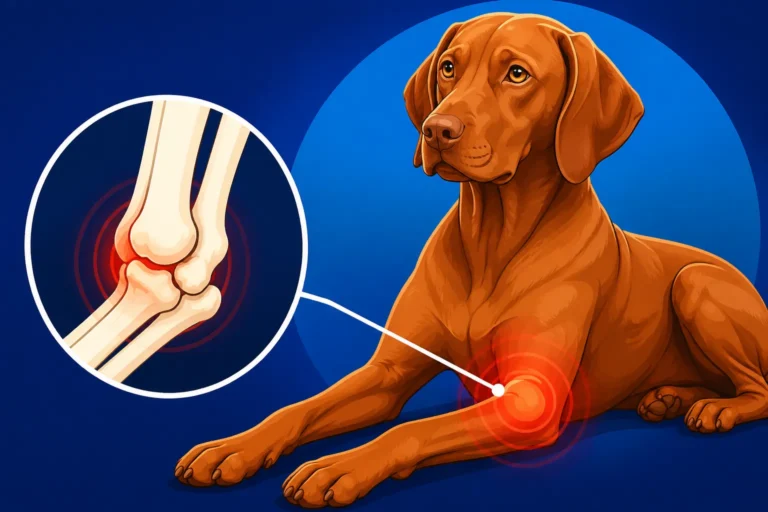
- Orthopedic Foundation for Animals (OFA) Evaluations: This involves X-rays of hips and elbows to screen for Hip Dysplasia in a Vizsla and Elbow Dysplasia in a Vizsla. Dysplasia can lead to debilitating arthritis and pain, often requiring expensive surgeries. Clearances confirm that the parents have healthy joints.
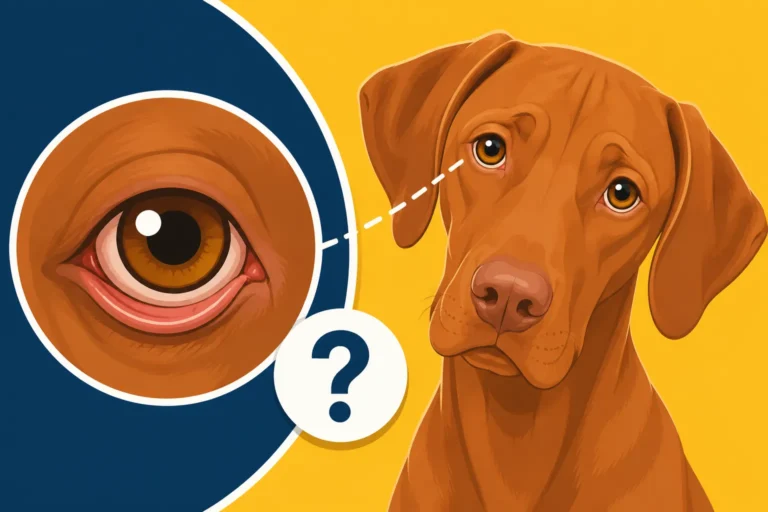
- Canine Eye Registry Foundation (CERF) or OFA Eye Examinations: Performed by a board-certified veterinary ophthalmologist, these annual exams screen for inherited eye conditions like progressive retinal atrophy (PRA), cataracts, or entropion. Issues like Whether a Vizsla Goes Blind From PRA are very real concerns.
- Thyroid Testing: Vizslas can be prone to hypothyroidism, a condition where the thyroid gland doesn't produce enough hormones. Annual thyroid panels are often recommended to ensure parents are free from this condition, preventing potential problems like Thyroid Failure and the Vizsla's Coat.
- Genetic Testing for Specific Diseases: While not as widespread for Vizslas as for some other breeds, specific genetic tests are emerging. Some breeders might test for conditions like certain myopathies if there's a history in their lines, or research for newer markers. For instance, while Whether Every Vizsla Is at Risk of Polymyopathy is a complex question, knowing the lineage provides some insight.
Without these clearances, you are essentially buying a puppy sight unseen regarding its genetic health blueprint. The parents might look healthy, but without these tests, there's no way to know if they carry the genes for problems that could surface in their puppies.
Why Pedigree and Breeding History Matter
A responsible breeder doesn't just perform health tests; they delve deep into their dogs' pedigrees and breeding history. They look at the health and longevity of siblings, parents, grandparents, and even great-grandparents. They want to ensure that they are not just breeding two healthy individuals, but two individuals from a line known for robust health and good temperament.
This is where the art and science of dog breeding truly meet. A good breeder understands genetic principles and aims to produce puppies that improve the breed. They can tell you about the health of past litters, show you certificates for all their health clearances, and explain why they chose a particular sire and dam. They will be transparent about any health issues that have appeared in their lines (because no line is perfect) and what steps they've taken to mitigate those risks in future generations.
An "untested" breeder, on the other hand, often has little knowledge of their dogs' lineage beyond the immediate parents, if that. They might not even register their litters with the American Kennel Club (AKC) or a similar reputable registry, making it impossible to trace the lineage and verify claims. This lack of historical data severely limits their ability to predict and prevent potential health or temperament problems, leaving you, the buyer, completely in the dark.
The Potential Health Risks of an Untested Vizsla
The decision to purchase an untested Vizsla puppy carries with it a significantly higher risk of encountering serious health issues down the line. It’s not about fear-mongering; it's about being realistic about the genetic lottery you're entering. Vizslas, like all purebreds, have certain predispositions, and responsible breeding aims to minimize these, not ignore them.
Genetic Predispositions and Their Consequences
Vizslas are generally a healthy breed, but they are prone to certain conditions. Without parent health clearances, you’re rolling the dice on these issues appearing in your beloved companion.
- Hip and Elbow Dysplasia: These are common orthopedic issues in many active, medium-to-large breeds. Whether a Vizsla Gets Hip Dysplasia is a crucial question a good breeder can address with OFA certifications. Dysplasia can range from mild discomfort to severe lameness, requiring extensive pain management, physical therapy, and potentially costly surgeries. Imagine your energetic Vizsla, bred for running all day, struggling to get up or experiencing constant pain by the age of two or three.
- Eye Diseases: Conditions like Progressive Retinal Atrophy (PRA) can lead to blindness. Whether a Vizsla Goes Blind From PRA often depends on the inherited genes. Entropion, where the eyelids roll inward, can cause constant irritation and require surgical correction. Without annual ophthalmologist checks on the parents, you simply don't know if these genes are lurking.
- Thyroid Disease: Hypothyroidism, which impacts energy levels, coat quality, and overall metabolism, is also seen in Vizslas. Thyroid Failure in a Vizsla is often manageable with daily medication, but it's a lifelong commitment and an unexpected expense.
- Epilepsy: This neurological disorder, leading to seizures, can be inherited. Epilepsy in a Vizsla can manifest at various ages and requires ongoing medication to manage. While many epileptic dogs lead full lives, it's emotionally taxing for owners to witness seizures, and the medication costs add up.
- Immune-Mediated Diseases: Vizslas are unfortunately predisposed to a range of autoimmune diseases. Why a Vizsla's Immune System Is the Breed's Weak Point is a topic of ongoing research, but conditions like sebaceous adenitis, polymyopathy, and immune-mediated hemolytic anemia can be devastating. While not all are fully screenable via genetic tests yet, reputable breeders strive to understand their lines and avoid breeding individuals with significant family histories of these complex diseases.
The Financial Burden of Genetic Health Problems
Let's talk numbers, because it's where the "bargain" puppy truly becomes an extravagant one. The cost of veterinary care for genetic conditions can be staggering.
Consider hip dysplasia. Diagnosis typically involves X-rays, often under sedation, which alone can run several hundred dollars. If surgery is recommended, you're looking at $3,000 to $7,000 per hip, and often both hips are affected. Post-surgical care, physical therapy, and lifelong joint supplements can add thousands more.
For epilepsy, initial diagnosis might involve blood tests, an MRI, and consultation with a neurologist, potentially costing thousands. Lifelong anticonvulsant medication can be $50 to $200 per month, for the dog’s entire life. Thyroid medication is generally less expensive, perhaps $20-50 per month, but still adds up over a decade.
Even less severe issues like entropion or skin conditions like Sebaceous Adenitis and the Vizsla That Loses Its Coat can require surgeries or expensive topical and oral medications for life. A skin biopsy to diagnose sebaceous adenitis can cost several hundred dollars, and subsequent treatment, potentially involving oral cyclosporine, can easily be hundreds of dollars monthly.
Many owners find that pet insurance becomes invaluable for managing these unexpected health crises. Companies like Healthy Paws, for example, offer coverage that can help offset these significant costs, but typically, pre-existing conditions (which a genetic disease that manifests early might be considered) are not covered. This underscores the importance of choosing a puppy from parents who have been properly screened, as it gives you the best chance of avoiding these heart-wrenching and bank-breaking scenarios. Investing in a properly bred puppy is a preventative measure against a lifetime of potential financial stress.
Behavioral and Temperament Concerns
Beyond physical health, the lack of responsible breeding practices often extends to temperament and socialization. A Vizsla's renowned "Velcro" nature and sensitive personality make them particularly susceptible to issues arising from poor breeding decisions and an inadequate early environment.
Inherited Temperament Traits
Just as physical traits are passed down, so too are many aspects of temperament. A well-bred Vizsla should be confident, friendly, intelligent, and eager to please, with a strong desire to work alongside their human. However, if the parents of a litter possess undesirable temperament traits – such as excessive shyness, fearfulness, aggression, or extreme nervousness – there’s a significant chance these traits will be passed on to the puppies.
An untested breeder often isn't evaluating the temperament of their breeding dogs with the same rigor as they do for health. They might not notice subtle signs of anxiety or fearfulness that a seasoned breeder would recognize as red flags. Imagine bringing home a Vizsla puppy that is perpetually anxious, cowering at new sights and sounds, or prone to fear-based aggression. This isn’t the loving, outgoing companion you envisioned. Dealing with severe behavioral issues requires immense time, patience, and often costly professional help from a certified dog behaviorist. This stress can significantly impact the bond you form with your dog and your family's daily life. It’s why understanding The Soft Vizsla That Shuts Down When You Raise Your Voice is so important; Vizslas are not robust enough for poor temperaments to be overlooked.
Lack of Socialization and Early Environment
A good breeder provides an enriching and stimulating environment for puppies during their critical early developmental period (from birth to about 8-12 weeks). This includes exposure to various sights, sounds, textures, and people. They introduce puppies to different surfaces, allow them to play with appropriate toys, and begin basic potty training and crate exposure. This crucial early socialization lays the groundwork for a well-adjusted, confident adult dog.
An untested litter, often bred by someone who isn't a dedicated breeder, may lack this vital early care. Puppies might be kept in confined spaces, have limited human interaction, or be exposed to overwhelming or insufficient stimuli. This can lead to myriad behavioral problems, including:
- Fear and Anxiety: Puppies not exposed to novel experiences early on can grow into fearful adults, prone to separation anxiety (a common Vizsla trait that can become extreme, as explored in Teaching a Vizsla to Be Alone), noise phobias, or generalized anxiety.
- Lack of Bite Inhibition: Puppies that aren't taught appropriate play with littermates and humans can develop a hard bite, making them difficult to live with, especially in homes with children.
- Difficulty with House Training: Without a clean, designated potty area from a young age, puppies don't learn appropriate elimination habits.
- Poor Social Skills: Limited interaction with other dogs and people can result in a dog that is reactive or fearful in social situations, making walks and visits challenging.
Remediating these behavioral issues is often a long, arduous, and expensive process. It can involve countless hours of training, private sessions with a behaviorist, and even medication in severe cases. These are struggles no new puppy owner wants to face, and they are largely preventable with responsible breeding and early socialization practices.
Beyond Health: Ethical Breeding and Responsible Ownership
Choosing a puppy is more than just picking the cutest face; it's about making a commitment to a living being and, in a broader sense, to the future of the breed itself. When you opt for an untested litter, you're inadvertently supporting practices that can have detrimental effects on the Vizsla breed as a whole.
Supporting Responsible Breeding Practices
Every puppy purchase either supports or discourages certain breeding practices. When you buy from a responsible breeder who performs all recommended health clearances, maintains excellent facilities, and provides proper early socialization, you are voting with your wallet. You're encouraging ethical breeding that prioritizes the health, temperament, and longevity of the dogs. These breeders are often members of breed clubs like the Vizsla Club of America, adhere to their codes of ethics, and contribute to the breed's health databases.
Conversely, buying from an untested litter, whether from a "backyard breeder" or a puppy mill, supports practices that often prioritize profit over welfare. These breeders typically do not invest in health testing, have little knowledge of genetics, and may keep their dogs in less-than-ideal conditions. They contribute to the cycle of inherited diseases and behavioral problems, creating a burden on future owners and potentially adding to the already strained resources of animal shelters and breed rescues. If you’re considering Whether an Untested Vizsla Litter Is Worth Buying, think about the long-term impact of that decision.
The Role of a Breeder in Puppy Development
A responsible breeder is much more than someone who simply facilitates the mating of two dogs. They are true stewards of the breed, taking on a profound responsibility for the lives they bring into the world.
From conception to the moment a puppy leaves for its new home, a good breeder:
- Selects Parents Carefully: Based on health clearances, temperament, pedigree, and conformation to the breed standard. They understand conditions like Whether a Vizsla Gets Cancer Younger Than Most and try to avoid lines with high incidence rates. They also consider if a female is healthy enough for the demands of a litter, understanding that How Many Puppies a Vizsla Litter Holds impacts the mother's health.
- Provides Excellent Prenatal and Postnatal Care: Ensuring the mother is healthy throughout her pregnancy and that both she and the puppies receive optimal nutrition and veterinary attention.
- Offers Early Neurological Stimulation (ENS): Gentle exercises and handling techniques performed during the first few weeks of life to improve cardiovascular performance, stronger heartbeats, more vigorous adrenal glands, greater tolerance to stress, and greater resistance to disease.
- Facilitates Critical Socialization: Exposing puppies to a variety of sounds, smells, people, and gentle handling to build confidence and resilience. They understand that The First Year With a Vizsla Puppy is foundational and starts long before the puppy comes home.
- Begins Foundation Training: Introduces concepts like crate training, potty training, and basic manners, giving the new owner a head start.
- Educates New Owners: Provides a wealth of information on feeding, training, health, and ongoing care. They often offer lifetime support and are available to answer questions and offer guidance long after the puppy has gone home.
An untested breeder is unlikely to provide this level of dedication and care. The absence of health testing is usually just one symptom of a larger pattern of cutting corners, ultimately at the expense of the puppies and their future families.
| Feature / Consideration | Tested Litter (Reputable Breeder) | Untested Litter (Irresponsible Breeder) |
|---|---|---|
| Initial Cost | Higher | Lower (appears as a "bargain") |
| Parent Health Clearances | OFA Hips/Elbows, CERF/OFA Eyes, Thyroid, sometimes specific genetic tests | None, or only basic vet check (not breed-specific health testing) |
| Health Risks | Significantly lower risk of genetic diseases | High risk of inherited conditions (dysplasia, eye issues, autoimmune) |
| Future Vet Bills | Lower likelihood of major genetic-related expenses | High likelihood of expensive treatments, surgeries, lifelong medication |
| Temperament Predictability | High; parents evaluated, puppies well-socialized | Low; parents' temperament unknown, puppies often poorly socialized |
| Behavioral Issues | Lower risk (anxiety, aggression, fearfulness) | Higher risk; can require costly behaviorist intervention |
| Breeder Support | Lifelong support, education, take-back clauses | Minimal to none; often disappear after sale |
| Pedigree/History | Documented, traceable lines with health information | Often unknown or fabricated; impossible to verify |
| Ethical Impact | Supports responsible breeding and breed health | Contributes to genetic problems and irresponsible breeding |
| Peace of Mind | High | Low; constant worry about potential issues |
Ultimately, while the upfront cost of a puppy from an untested Vizsla litter might seem appealing, it's often a false economy. The potential financial strain of veterinary bills for genetic conditions, combined with the emotional toll of dealing with a sick or temperamentally unsound dog, far outweighs any initial savings. Choosing a puppy from a reputable, health-tested breeder is an investment in the long-term health, happiness, and well-being of your future companion, and a testament to your commitment to responsible dog ownership. It's about choosing peace of mind and supporting the integrity of the wonderful Vizsla breed.
Disclaimer
This article is for general informational purposes only and does not constitute professional advice. Laws, prices and regulations vary by location and change over time. Consult a qualified professional for guidance on your specific situation.