Whether an Old Vizsla Feels the Cold More
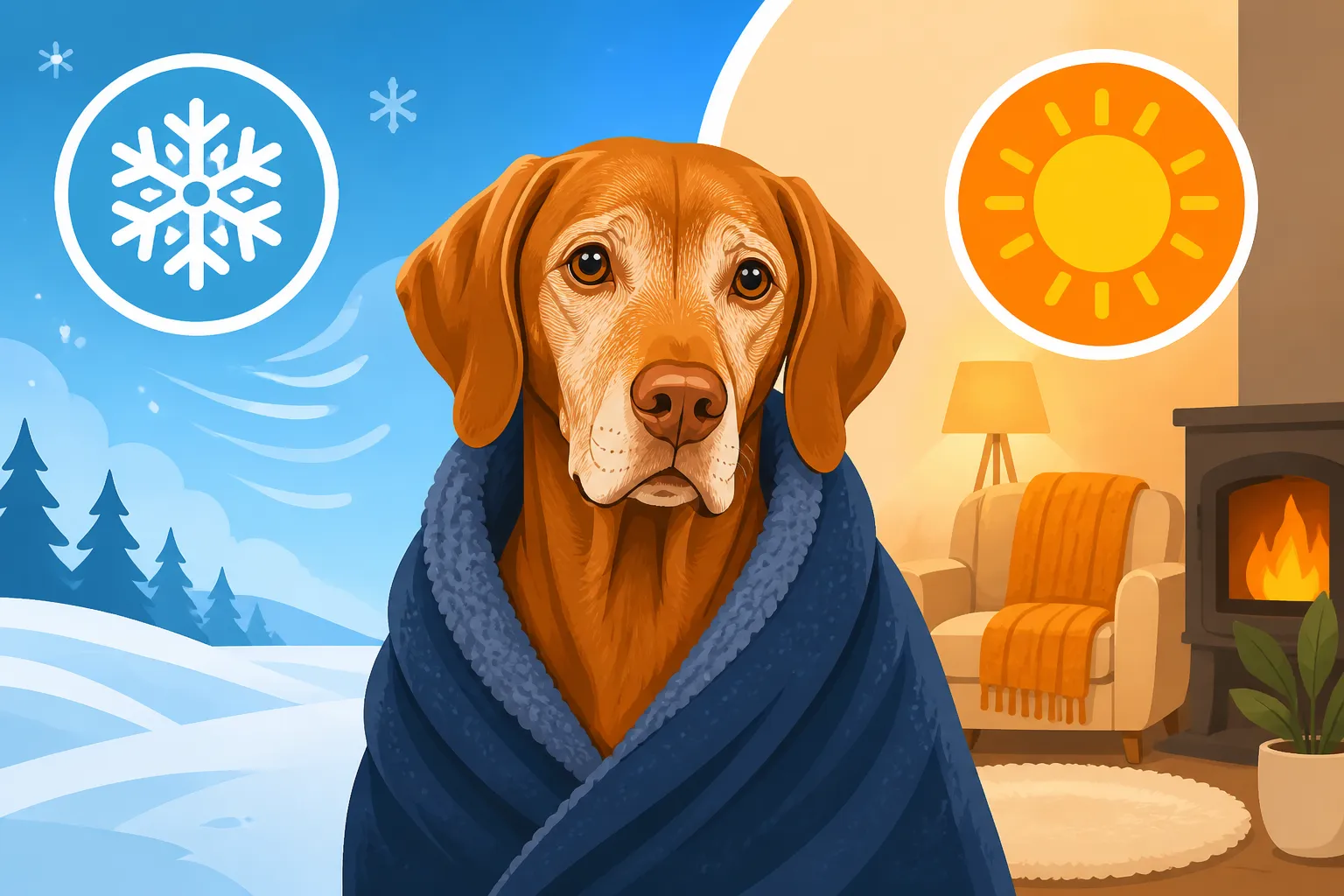
It’s a heartbreaking reality for many Vizsla owners that as our beloved, energetic companions start to grey around the muzzle, their zest for life doesn't always dim, but their physical resilience often does. One common concern that pops up as they age is their ability to handle the cold. If you’ve noticed your senior Vizsla shivering more, reluctant to go out, or just generally seeming less robust in cooler temperatures, you’re not alone. This comprehensive guide will explore why older Vizslas feel the cold more acutely and what practical steps you can take to keep them comfortable and healthy.
The Vizsla's Unique Vulnerability to Cold Weather
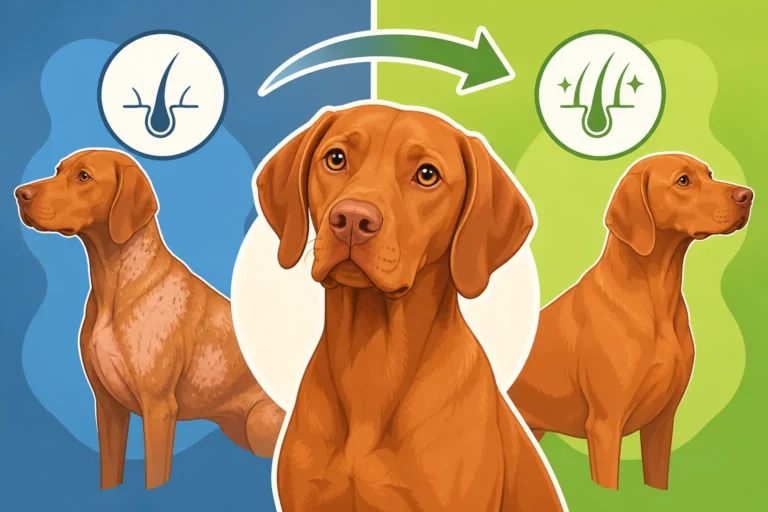
Vizslas are renowned for their sleek, distinctive golden-rust coats, but that beauty comes with a practical drawback: they're not built for harsh winters. Unlike many other breeds, particularly those developed in colder climates, Vizslas have a single coat, meaning they lack the dense, insulating undercoat that breeds like Labradors, German Shepherds, or Siberian Huskies possess. This single layer of short, fine hair offers minimal protection against the chill.
What Makes Their Coat So Different
Let's break down why their coat is a fair-weather friend. A Vizsla's coat is designed for agility and ease of movement in the field, not for trapping warmth. Imagine trying to stay warm in a light t-shirt versus a thick wool sweater; that's the difference between a Vizsla's coat and a double-coated breed's. Their skin is also quite thin, offering less of a barrier against biting winds and low temperatures. This is a critical factor in understanding The Single Coat a Vizsla Has and Why It Changes Everything. They don't have that fluffy layer to create an air pocket for insulation, leaving them exposed.
Low Body Fat and Its Role in Temperature Regulation
Beyond their coat, Vizslas are naturally lean, athletic dogs with very little body fat. While this is fantastic for their speed and stamina in the field, it's a significant disadvantage when it comes to staying warm. Body fat acts as a natural insulator, much like the blubber on a marine mammal, helping to retain core body heat. Young, active Vizslas burn through calories rapidly, maintaining their lean physique. This lack of subcutaneous fat means that even a healthy adult Vizsla has less natural padding to keep them warm. It's why owners often worry about The Cold a Vizsla Genuinely Cannot Handle even when their dogs are in their prime. They simply don't have the physiological tools to endure prolonged exposure to cold temperatures.
How Aging Exacerbates Cold Sensitivity in Vizslas
As our Vizslas gracefully transition into their senior years, their bodies undergo a variety of changes that further diminish their ability to cope with cold weather. These changes are a natural part of aging, but they require us to be even more vigilant about their comfort and well-being. Knowing The Age a Vizsla Counts as Senior is the first step, as changes often begin subtly before becoming pronounced.
Decreased Metabolic Rate and Circulation
One of the most significant changes in an aging Vizsla is a slowdown in their metabolic rate. Just like in humans, an older dog's metabolism isn't as efficient at generating heat from food. Their bodies simply don't produce as much internal warmth as they once did. Coupled with this, many senior dogs experience a decline in circulation. Blood flow to the extremities – paws, ears, and tail – might not be as robust, making these areas particularly susceptible to feeling cold. You might notice their paws feel cooler to the touch even when indoors. This reduced efficiency means they struggle to keep their core temperature stable, making them more reliant on external warmth.
Muscle Loss and Reduced Activity Levels
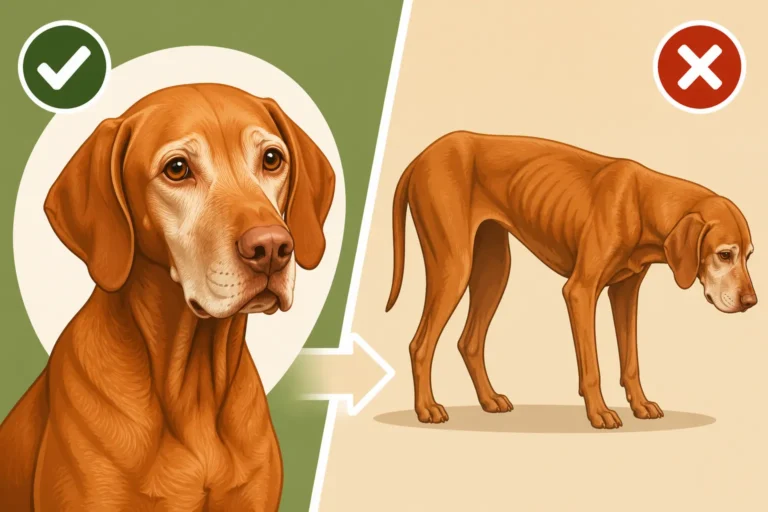
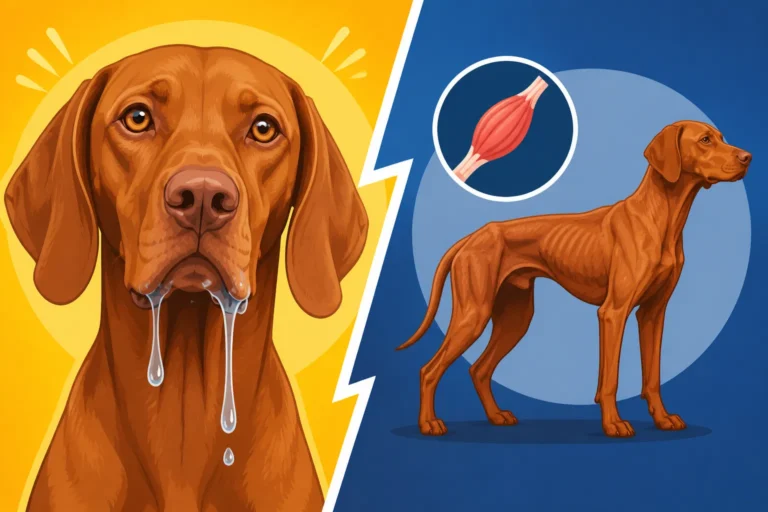
Vizslas are powerful, muscular dogs, but with age, muscle mass naturally diminishes, a process known as sarcopenia. This is why you might notice Whether an Old Vizsla Loses Muscle. Muscle tissue is metabolically active and helps generate heat. Less muscle means less internal heat production and less insulation. Furthermore, older Vizslas often become less active due to arthritis, joint pain, or simply a lower energy drive. A young Vizsla might run laps around the yard, generating body heat, but a senior might prefer a gentle stroll. This reduced physical activity means they aren't generating as much warmth through movement, making them feel the cold more intensely. They might shiver indoors even when the thermostat is set to a comfortable temperature for you, indicating their struggle to maintain warmth.
Impact of Underlying Health Conditions
Unfortunately, aging often brings with it an increased risk of various health issues, many of which can directly impact a Vizsla's cold tolerance. Conditions like hypothyroidism, common in Vizslas, can lead to a perpetually lower body temperature and an inability to regulate heat effectively. If your Vizsla's thyroid has failed, you'll see symptoms like lethargy, weight gain, and increased cold sensitivity, among others, as discussed in Thyroid Failure in a Vizsla. Arthritis is another major culprit; cold weather can exacerbate joint pain, making movement uncomfortable and reducing their willingness to move and warm up. Dogs with heart conditions may also have compromised circulation, leading to colder extremities. It's crucial to consult your veterinarian regularly to manage these conditions, which can significantly affect your senior Vizsla's comfort in cooler weather. Having a reliable pet insurance plan, such as one from Healthy Paws, can provide immense peace of mind when managing the costs associated with these age-related health challenges.
Practical Strategies to Keep Your Senior Vizsla Warm
Knowing why your old Vizsla feels the cold more is the first step; the next is implementing effective strategies to keep them warm and comfortable. This isn't just about their comfort; it's about their overall health and well-being, as prolonged cold exposure can worsen existing conditions.
Optimizing Their Indoor Environment
Your home should be a sanctuary for your senior Vizsla, especially when the temperatures drop. This means more than just setting the thermostat. Consider providing them with extra blankets and soft bedding in their favorite sleeping spots. Orthopedic beds, which offer superior joint support, often come with self-warming features or can be paired with heating pads designed specifically for pets. These specialized beds can be a godsend for an old, arthritic Vizsla, as explored in Beds That Suit an Arthritic Vizsla.
Ensuring their primary resting areas are away from drafts, cold windows, or uninsulated doors is also crucial. A common mistake is letting them sleep on cold tile or hardwood floors without adequate padding. Even if they have a bed, they might gravitate to a cooler spot, but for an older dog, this can lead to discomfort and stiffness. You might also consider moving their bed closer to a warm vent or even using a space heater in their area, always with careful supervision to prevent burns. Remember, Why a Vizsla Needs Somewhere Warm to Sleep applies even more to a senior dog.
Appropriate Outdoor Gear and Exercise Modifications
Just because your Vizsla is older doesn't mean they don't still crave outdoor time. However, their gear and routine need to adapt. A good quality winter coat is no longer optional; it's a necessity. Look for waterproof, windproof options that cover their chest and belly, as these areas are particularly exposed. Fleece-lined coats offer excellent insulation. For extreme cold, layering a fleece under a waterproof shell might be necessary. It’s important to understand The Temperature a Vizsla Needs a Coat At and to err on the side of caution.
When it comes to exercise, adjust the intensity and duration. Instead of long, strenuous hikes, opt for shorter, more frequent walks during the warmest part of the day. Avoid early mornings or late evenings when temperatures are lowest. Keep an eye on the weather forecast and consider indoor activities like puzzle toys or gentle play if it’s too cold outside. Always ensure their paws are protected, either with paw balm to prevent cracking and frostbite or with dog booties, especially if walking on salted pavements. After outdoor excursions, thoroughly dry them, paying special attention to their ears and paws, and ensure they have immediate access to a warm, dry spot indoors. Even an old Vizsla still benefits from a daily routine, and adapting What a Vizsla Needs Every Day to account for colder weather is key.
Dietary Adjustments and Hydration
Maintaining a healthy weight and providing appropriate nutrition are always important, but even more so for senior Vizslas in colder months. A slightly increased calorie intake might be necessary to help them maintain body heat, especially if they are losing weight or muscle mass. Discuss this with your vet to ensure you're not overfeeding, which can lead to other health issues. Opt for high-quality food rich in easily digestible proteins and healthy fats. Some owners find that adding a little extra warmth to their food, like a splash of warm water or low-sodium broth, makes it more appealing and easier to digest. You can explore more about Feeding an Old Vizsla That Has Slowed for tailored advice.
Hydration is also critical. While cold weather might not seem to pose a dehydration risk, indoor heating can dry out the air, and older dogs might not drink as much as they should. Ensure fresh water is always available and consider adding a little water to their food or offering low-sodium broths to encourage intake.
Regular Vet Check-ups and Managing Health Conditions
Regular veterinary care is paramount for an aging Vizsla. Annual or even bi-annual check-ups can help detect and manage underlying health conditions that impact their cold tolerance. Your vet can assess their overall health, including thyroid function, joint health, and cardiovascular system. They can also recommend supplements, pain management strategies for arthritis, or medication if needed. Investing in comprehensive pet insurance like Healthy Paws can be incredibly beneficial for managing ongoing senior care costs, from routine check-ups to managing chronic conditions. Being proactive about their health means they'll be better equipped to handle the physiological stresses of colder temperatures.
Recognizing and Responding to Cold Stress and Hypothermia
Even with the best preventative measures, it's vital to be able to recognize the signs that your senior Vizsla is getting too cold. Their lives literally depend on your swift recognition and response. Ignoring these subtle cues can quickly lead to more severe conditions like hypothermia.
Early Signs of Cold Stress
Vizslas, especially older ones, will often communicate their discomfort, but you need to know what to look for. The most obvious sign of cold stress is shivering. While a little shivering might be normal after stepping out into crisp air, prolonged or intense shivering, particularly indoors, indicates they are struggling to maintain their body temperature. They might also become withdrawn or unusually quiet, seeking out warm spots or curling up tightly. Their movements might appear stiff or reluctant, especially if they have arthritis. You might notice their ears or paws feel unusually cold to the touch.
Other subtle signs include a hunched posture, a tucked tail, or a general reluctance to move or engage in their usual activities. Some dogs will whine or vocalize their discomfort. Pay close attention if they start lifting their paws off the cold ground, indicating discomfort or pain. If you see any of these signs, it's time to bring them indoors immediately and start warming them up.
Recognizing Hypothermia
Hypothermia is a serious, life-threatening condition where a dog's body temperature drops dangerously low. It progresses through stages, and early intervention is critical.
Mild Hypothermia:
- Intense shivering
- Weakness
- Lethargy
- Cold ears and paws
- Decreased responsiveness
Moderate Hypothermia:
- Shivering stops (this is a red flag, not a sign of improvement)
- Stiffness in muscles
- Shallow, slow breathing
- Low heart rate
- Dilated pupils
- Pale or bluish gums
Severe Hypothermia:
- Unconsciousness
- Fixed, dilated pupils
- Extremely slow and shallow breathing
- Non-responsive
- May appear dead
If you suspect your Vizsla is experiencing moderate to severe hypothermia, this is an emergency. Immediately begin warming them gently. Wrap them in warm blankets (you can warm them in a dryer first), use hot water bottles wrapped in towels, or put them under your clothes to transfer body heat. Get them to a veterinary emergency clinic as quickly as possible. Do not rub their limbs or use direct, intense heat sources, as this can cause burns or further complications. Prompt veterinary attention is crucial, and having pet insurance like Healthy Paws can significantly reduce the financial burden of such an emergency. Knowing Whether a Vizsla Gets Hypothermia is crucial for their safety.
A Comparative Look: Young vs. Old Vizsla in Cold Weather
To further highlight the differences, let's look at a quick comparison between a young, healthy Vizsla and a senior one when it comes to cold weather tolerance.
| Feature / Factor | Young, Healthy Vizsla (1-6 years) | Senior Vizsla (7+ years) |
|---|---|---|
| Metabolic Rate | High, efficient at generating body heat | Decreased, less internal heat production |
| Muscle Mass | Optimal, good insulation and heat generation | Reduced, less insulation, less heat generation |
| Activity Level | High, constantly moving, generating warmth | Lower, less movement, less active heat generation |
| Circulation | Robust, efficient blood flow to extremities | Potentially compromised, colder extremities |
| Insulating Body Fat | Low but sufficient for healthy adults | Even lower, sometimes almost none |
| Joint Health | Generally good, flexible, pain-free movement | Often affected by arthritis, movement painful |
| Coat Thickness | Same single coat, but health generally better | Same single coat, but overall resilience reduced |
| Underlying Health | Generally few, less impact on cold tolerance | Higher risk of conditions (thyroid, heart) |
| Recommended Gear | Coat for very cold/wet weather, active use | Mandatory coat for outdoor time, even mild cold |
| Recovery from Cold | Faster, bounces back quickly | Slower, requires longer to warm up, more risk |
This table clearly illustrates that while all Vizslas are susceptible to cold due to their unique physiology, the cumulative effects of aging drastically increase this vulnerability in their golden years.
Final Thoughts: Prioritizing Comfort and Care
Seeing your once-tireless Vizsla slow down and struggle with things they once took in stride, like a brisk winter walk, can be tough. But understanding that Whether a Vizsla Feels the Cold becomes a much more serious issue as they age is the first step in providing the exceptional care they deserve. Their diminished capacity to regulate their own body temperature isn't a sign of weakness; it's a physiological reality that requires proactive management. By being mindful of their indoor environment, equipping them with appropriate outdoor gear, adjusting their diet, and maintaining consistent veterinary care, you can ensure their golden years are as comfortable and joyful as possible. Remember, a senior Vizsla may not be able to chase pheasants all day, but they still cherish every moment with you, especially when those moments are warm and cozy.
Disclaimer
This article is intended for informational purposes only and does not constitute veterinary advice. Always consult with a qualified veterinarian for any health concerns or before making any changes to your Vizsla's diet, exercise, or medical care regimen.