Whether a Vizsla Should Rest After Eating
It's a common dilemma for Vizsla owners: you've just fed your energetic dog, and all they want to do is bounce off the walls or head straight for their next adventure. But that immediate burst of activity after a meal can carry serious risks, particularly for deep-chested breeds like our beloved Vizslas. This guide will delve into why post-meal rest is crucial, what activities to avoid, and how long your Vizsla truly needs to chill out to stay safe and healthy.
The Critical Link Between Meals and Bloat in Vizslas
As a Vizsla owner, you're constantly balancing their boundless energy with their physical needs. One of the most terrifying health emergencies for any deep-chested breed, and particularly for Vizslas, is Gastric Dilatation-Volvulus, commonly known as bloat or GDV. It's a condition that can escalate from seemingly normal to life-threatening in mere minutes, and understanding its connection to mealtime activities is absolutely paramount for our energetic companions.
Understanding Gastric Dilatation-Volvulus GDV
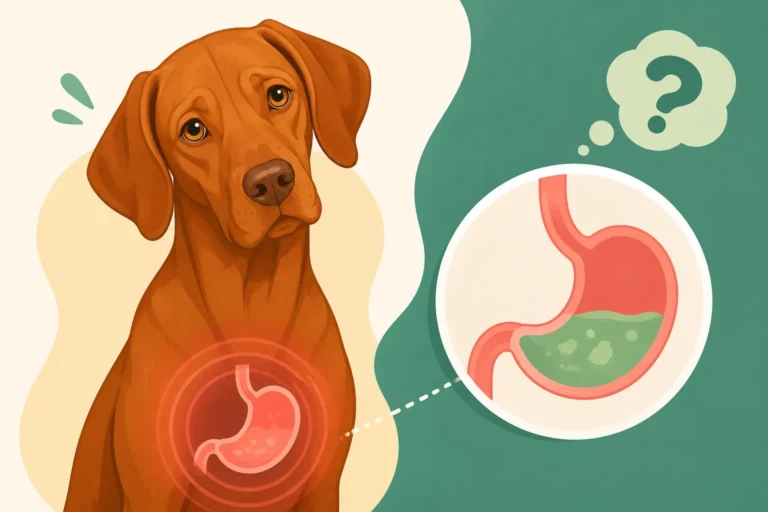
Let's be blunt: bloat isn't just an upset stomach. It's a rapid, severe, and often fatal condition where your dog's stomach fills with gas (dilatation) and then twists upon itself (volvulus). When this happens, food and gas can't escape, blood flow to the stomach and other organs is cut off, and your dog goes into shock. It’s an agonizing, excruciating experience for them. Vizslas, with their characteristic deep chests and lean build, are unfortunately disproportionately represented among breeds prone to this emergency. You might wonder, "Why my Vizsla?" Well, their athletic build, while perfect for the field, ironically creates a larger cavity for their stomach to swing and twist within when distended. This is a crucial point to grasp, and if you haven't already, reading more about Whether a Deep Chested Vizsla Bloats can really help underscore the risks involved. It’s the kind of information that, as a responsible Vizsla parent, you simply cannot afford to ignore.
The sheer speed at which GDV can progress is what makes it so terrifying. One moment your Vizsla might seem a little off, and the next they could be in critical condition. Vets across the country, from bustling urban emergency clinics in Los Angeles to rural practices serving hunting communities in the Midwest, see cases of GDV far too often. The fatality rate is shockingly high, even with prompt veterinary intervention, making prevention the absolute cornerstone of responsible Vizsla ownership. No one wants to face that dreadful phone call or rush trip to the emergency room, especially when the outcome is so uncertain.
How Post-Meal Activity Exacerbates Risk
Imagine you've just eaten a big meal. Now imagine going for a vigorous run, jumping up and down, or rolling around. You'd likely feel uncomfortable, maybe even nauseous. For a Vizsla, with their stomach full of kibble and water, adding intense physical activity significantly increases the chances of that stomach "sloshing" and, worst-case scenario, twisting. The physics of it are pretty straightforward: a heavy, distended organ is more likely to move violently within the abdominal cavity.
When your Vizsla gulps down their food, especially if they're prone to eating quickly, they often swallow air along with it. This swallowed air contributes to gas buildup. Then, if they immediately start running, jumping, or even just heavy panting from excitement, they can take in even more air. All this gas, combined with the weight of the food and water, creates a volatile environment in that deep chest. A sudden lurch, a sharp turn during a game of fetch, or even just a particularly enthusiastic roll on the grass, can provide the rotational force needed to send the stomach into a dangerous twist. It's not just the kind of activity, but the intensity of it. A calm, leashed walk might be okay, but high-impact activities are a definite no-go. We often see our Vizslas as indestructible machines, but certain moments, like post-meal, require us to be the thoughtful guardians they need.
How Long and What Kind of Rest Your Vizsla Needs
It’s easy to feel overwhelmed by the risk of bloat, but the good news is that preventing it is largely within your control, especially when it comes to managing post-meal activity. The key is understanding that "rest" doesn't mean your Vizsla needs to be sedated, but rather that their activity levels need to be significantly dialed down during a critical window.
Recommended Rest Periods
So, how long is long enough? While there's no single, universally agreed-upon magic number that applies to every dog, the general consensus among veterinarians and experienced Vizsla owners is to aim for at least one to two hours of complete rest after a meal. Some even recommend up to three hours, particularly for larger meals or if your Vizsla is known to be a fast eater. It's also wise to implement a "wind-down" period before meals, ideally 30 minutes to an hour of calm, low-activity time. This ensures they're not excited and panting right as they start eating, which, as we discussed, can lead to more air being swallowed.
Consider a typical scenario: you've just come back from a long training session in the field, and your Vizsla, Raven, is buzzing with energy. She's panting, excited, and clearly ready to refuel. Instead of immediately putting her food bowl down, take a few minutes. Let her settle, offer some cool water (but not too much all at once!), and allow her heart rate to return to normal. Then, after she's eaten, guide her to a quiet, comfortable spot where she can simply relax. This might be her crate, a designated bed in a calm room, or simply a mat where you encourage her to lie down. For instance, after a hefty breakfast before a weekend hike, I'll often ensure my Vizsla, Copper, has a good 90 minutes of quiet crate time or napping by my feet before we even think about heading out. This is especially important for growing pups, too, as you monitor How Much an Adult Vizsla Eats Daily and ensure they are growing at a healthy, steady pace.
Safe Post-Meal Activities and Environments
During these crucial post-meal hours, the goal is to prevent any activity that encourages stomach movement or excessive air intake. This means absolutely no strenuous exercise, no running, no jumping, no rough play, and no long car rides over bumpy roads. Even a short, calm, leashed potty break in the yard is generally acceptable, as long as it doesn't turn into a zoomies session.
What can they do? Quiet time is your friend. Encourage napping. If your Vizsla is a chewer, a mental puzzle toy filled with frozen peanut butter or a high-quality, long-lasting chew (supervised, of course) can be a great way to keep them occupied and calm without physical exertion. The goal is relaxation. Many Vizslas are perfectly content to cuddle on the sofa (if allowed!) or snooze in their crate after a good meal. Creating a peaceful feeding environment is also key. If your Vizsla tends to be competitive with other pets or family members around food, feed them in a separate, quiet space where they feel secure and can eat at their own pace. If you're concerned about digestive upsets more generally, you might also want to look into Whether a Vizsla Has a Sensitive Stomach to understand other related issues. Remember, your Vizsla needs What a Vizsla Needs Every Day, and a significant part of that is feeling secure and calm, especially around meal times.
Recognizing the Warning Signs of Bloat and Emergency Action
Even with the most diligent preventative measures, accidents can happen, or a dog might experience bloat for reasons unrelated to exercise. This is why knowing the warning signs of GDV is literally a matter of life or death for your Vizsla. No one wants to think about their beloved companion in such distress, but being prepared and recognizing the signs immediately could be the single most important action you ever take for them.
Key Symptoms to Watch For
Bloat symptoms can come on quickly and often mimic other, less serious issues. This is what makes it so insidious. However, there are a few hallmark signs that should send shivers down your spine and have you reaching for your car keys. The most common and critical symptom is non-productive retching or gagging. Your Vizsla will look like they're trying to vomit, often repeatedly, but nothing, or very little, comes up. This is a huge red flag. Other signs include:
- Pacing and restlessness: They can't get comfortable, constantly shifting position.
- Drooling excessively: More than usual, sometimes with foamy saliva.
- Distended abdomen: Their belly might look swollen, especially on the left side, and feel hard to the touch. This can be subtle at first, especially on lean Vizslas.
- Pain: They might whine, groan, or snap if you try to touch their belly.
- Weakness, collapse, or shock: As the condition progresses, they may become lethargic, struggle to stand, have pale gums, or exhibit rapid, shallow breathing.
- Looking at their side/flank: Anxious behavior, often glancing at their belly as if in pain or confusion.
It’s easy to dismiss these early signs, especially if your Vizsla is usually a drama queen or prone to mild tummy upsets. However, with bloat, time is absolutely of the essence. If you see even one or two of these symptoms, particularly the non-productive retching, assume the worst and act immediately. Don't wait to see if it gets better. You often only have a window of a few hours, sometimes less, before the damage becomes irreversible. Every minute counts.
Immediate Steps and Veterinary Care
If you suspect bloat, there is only one course of action: get to the nearest emergency veterinary clinic as fast as humanly possible. Do not call your regular vet first unless they are equipped for emergency surgery and can see you immediately. Locate the closest 24/7 emergency clinic before you ever need it, and have their number programmed into your phone. This isn't just a suggestion; it's a critical preparedness step for any Vizsla owner. If you have to spend precious minutes looking up clinic information, those could be minutes your dog doesn't have. For context, facing an emergency like this often means incurring significant costs, and knowing What an Out of Hours Vet Visit Costs a Vizsla Owner can help you mentally prepare, or highlight the value of pet insurance.
Upon arrival, clearly state that you suspect bloat (GDV) to the veterinary staff. This allows them to triage your dog immediately. The veterinary team will quickly assess your Vizsla, stabilize them for shock, and likely take X-rays to confirm if the stomach is dilated and twisted. If GDV is confirmed, the treatment is almost always emergency surgery to untwist the stomach and assess for any damage. Sometimes, a procedure called a gastropexy is performed during this surgery to permanently tack the stomach to the abdominal wall, significantly reducing the risk of recurrence. This brings us to a vital discussion point: Whether a Vizsla Needs a Gastropexy as a preventative measure. It’s a serious conversation to have with your vet, especially if your Vizsla has other risk factors or you’ve experienced a bloat scare.
The cost of bloat surgery can be staggering, easily running into the thousands of dollars. This is precisely why many Vizsla owners consider pet insurance. Plans from providers like Healthy Paws can offer a lifeline in these situations, covering a significant portion of emergency vet bills, allowing you to focus on your dog's recovery rather than the financial strain. Understanding Whether a Vizsla Is Worth Insuring at All becomes profoundly clear in these high-stakes scenarios.
Proactive Strategies to Reduce Bloat Risk
While proper post-meal rest is a huge step in preventing bloat, it's part of a larger picture of proactive management. As Vizsla owners, we're always looking for ways to ensure our energetic companions lead long, healthy lives. Incorporating smart feeding practices and discussing preventative surgeries can significantly mitigate the risk of this devastating condition.
Smart Feeding Practices
Beyond resting your Vizsla after they eat, how and what they eat can also play a significant role in bloat prevention. The goal is to minimize air intake and reduce the speed at which food is consumed.
One of the simplest yet most effective strategies is to feed multiple smaller meals throughout the day rather than one or two large ones. Instead of a single, huge dinner, split their daily ration into two or even three meals. This reduces the volume of food in the stomach at any given time, making it less likely to distend and twist. If you're currently feeding once a day, gradually transition to twice a day.
For Vizslas who act like a vacuum cleaner when the food bowl hits the floor, slow feeder bowls are an absolute game-changer. These bowls have ridges or obstacles that force your dog to eat around them, slowing down their intake dramatically. This not only reduces the amount of air they swallow but also helps digestion. Seriously, if your Vizsla inhales their food, a slow feeder is a non-negotiable item. If you want to know more about this, checking out Whether a Slow Feeder Suits a Vizsla would be a great next step.
There's some debate about elevated food bowls. Historically, they were recommended to prevent bloat, but more recent research suggests they might actually increase the risk in large, deep-chested breeds. The safest bet is to feed your Vizsla on the floor unless your veterinarian specifically recommends an elevated feeder for a different medical reason (e.g., neck arthritis).
Another consideration is soaking kibble. Adding water to your Vizsla's dry kibble can help them feel fuller, potentially reduce the amount of air they swallow, and slow down consumption. Just be sure to prepare it fresh for each meal to prevent bacterial growth. Also, manage their water intake around meals. While access to fresh water is always important, avoid letting your Vizsla gulp down a massive amount of water immediately before or after eating, as this can contribute to stomach distension.
Finally, observing your Vizsla's eating habits is crucial. If you've noticed Whether a Vizsla Bolts Its Food, this is a significant risk factor you need to address immediately with a slow feeder or other techniques. Staying informed and proactive about these seemingly small details can make a monumental difference in your Vizsla’s long-term health.
Considering a Gastropexy
For many Vizsla owners, especially those with dogs from lines known for bloat or those who are extremely active, the idea of a prophylactic gastropexy comes up. A gastropexy is a surgical procedure where the stomach is permanently attached to the abdominal wall. This prevents the stomach from twisting, though it does not prevent the stomach from dilating (filling with gas). While dilatation can still cause discomfort, it's the twisting (volvulus) that turns bloat into a life-threatening emergency.
This surgery is most commonly performed at the same time as spaying or neutering, as the dog is already under anesthesia. It can also be done as a standalone procedure using minimally invasive techniques (laparoscopic gastropexy), which means smaller incisions and faster recovery times. The decision to pursue a gastropexy is a very personal one and should always be made in close consultation with your veterinarian. They will consider your Vizsla's age, overall health, lifestyle, and any family history of bloat.
The benefits are clear: significantly reducing the risk of fatal bloat. The downsides involve the typical risks associated with any surgery, including anesthesia complications and infection, though these are generally low with modern veterinary care. For many owners, the peace of mind knowing their beloved Vizsla is protected from the most dangerous aspect of bloat far outweighs the surgical risks. Discussing this option with your vet is a powerful step in taking control of a major health risk. This is a big decision, and understanding The Twelve to Fourteen Years a Vizsla Lives means considering all preventative measures to maximize those precious years.
Disclaimer
The information provided in this article is for general informational purposes only and is not a substitute for professional veterinary advice. Always consult with a qualified veterinarian regarding any health concerns or before making any decisions about your Vizsla's diet, exercise, or medical treatment.