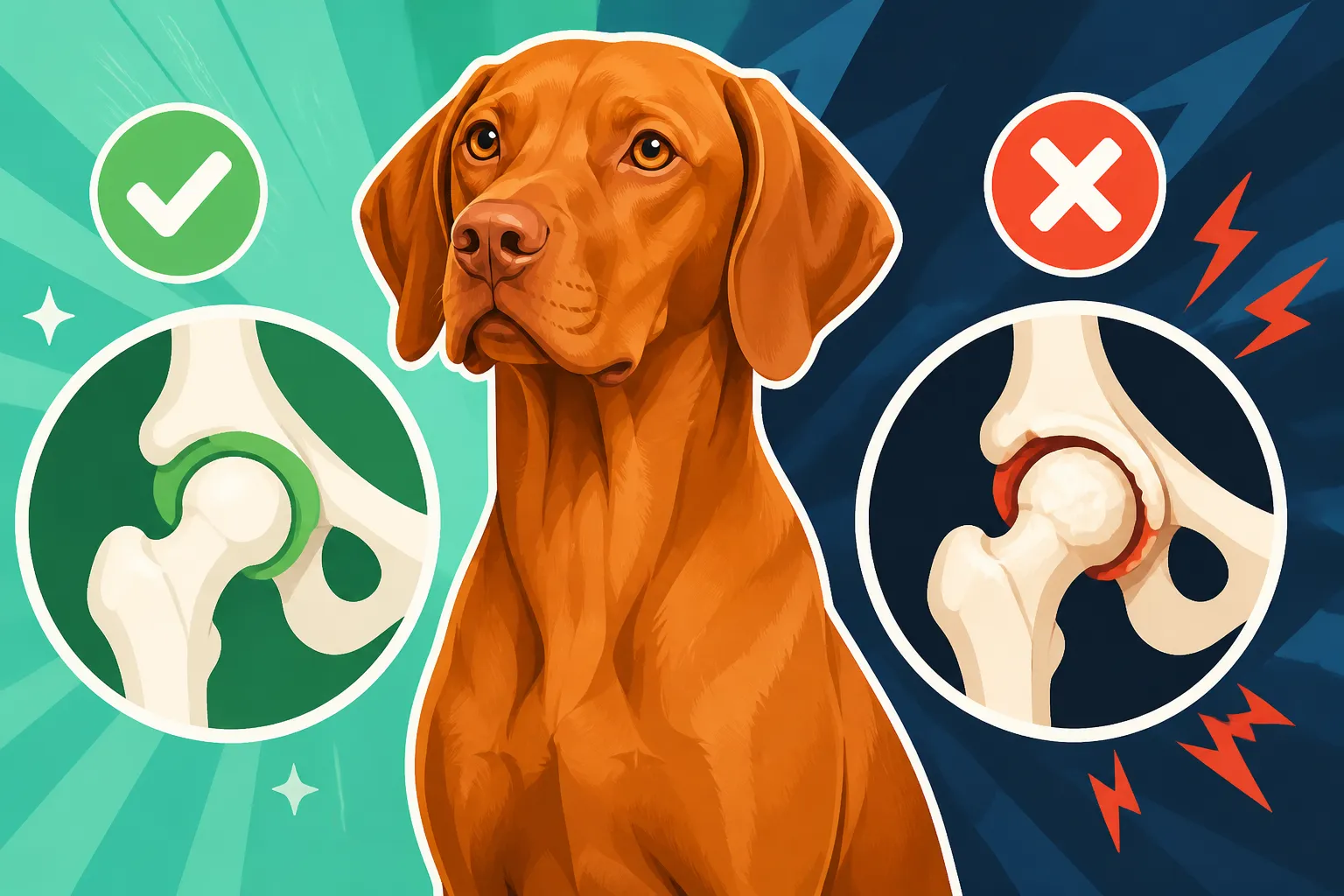
Whether a Vizsla Gets Hip Dysplasia
It’s a tough reality for many Vizsla owners: you bring home this vibrant, energetic companion, dreaming of long runs and field adventures, only to find yourself worrying about their joints. The fear of hip dysplasia casts a long shadow over owning such an active breed, especially when you see them pushing their limits day in and day out. This guide will meticulously unpack everything you need to know about hip dysplasia in Vizslas, from its causes and symptoms to management and crucial preventative measures.
Understanding Hip Dysplasia in Vizslas
When you think of a Vizsla, you probably picture a sleek, athletic dog, a blur of golden rust bounding across a field. Their incredible athleticism is part of their charm, but it also means their skeletal structure takes a lot of impact. Hip dysplasia is a condition that can severely impact this athleticism, leading to pain and reduced quality of life.
What Exactly Is Hip Dysplasia?
At its core, hip dysplasia is a malformation of the hip joint. In a healthy hip, the head of the thigh bone (femur) fits snugly into the socket of the hip bone (acetabulum), like a perfectly aligned ball and socket. This allows for smooth, pain-free movement. With hip dysplasia, this fit isn't quite right. The socket might be too shallow, or the head of the femur might be flattened, leading to a loose or "lax" joint.
This laxity means the bones don't glide smoothly over each other. Instead, they rub and grind, causing inflammation, pain, and eventually, degenerative joint disease, or osteoarthritis. Over time, the body tries to stabilize the joint by laying down new bone, but this often leads to abnormal bone growths (osteophytes) and further breakdown of cartilage. Imagine two gears that aren't quite meshing – over time, they'll wear down, grind, and eventually cease to function smoothly. That’s essentially what happens with a dysplastic hip, leading to chronic discomfort and impaired mobility that can really shorten the active life of your beloved companion.
Why Are Vizslas Prone to Hip Dysplasia?
While not as widely known for hip dysplasia as some larger breeds like German Shepherds or Labradors, Vizslas are indeed susceptible, and it's a concern that dedicated breeders actively screen for. The primary culprit is genetics. Hip dysplasia is largely a polygenic trait, meaning multiple genes contribute to its inheritance. If both parents carry genes for hip laxity or poor hip conformation, their offspring have a higher chance of developing the condition, even if the parents themselves appear clinically sound. This is why understanding The Health Tests Both Vizsla Parents Should Have is absolutely critical for prospective owners.
Beyond genetics, a Vizsla's high energy level and active lifestyle can exacerbate an already predisposed condition. These dogs are literally built to run, retrieve, and hunt all day long. Their boundless energy and drive mean they put considerable stress on their joints from a young age. While exercise is vital for a Vizsla's physical and mental health, uncontrolled or excessive high-impact exercise, especially during their crucial growth phases, can worsen hip laxity if the genetic predisposition is present. Rapid growth, poor nutrition, and even environmental factors can play a role, making it a complex issue that requires a multi-faceted approach to prevention and management. It's truly disheartening to see such a spirited dog held back by pain.
Recognizing the Signs and Symptoms
One of the challenges with hip dysplasia, especially in an inherently stoic breed like the Vizsla, is that they are masters at hiding pain. Their drive to please and their high pain tolerance mean that subtle signs can often go unnoticed until the condition is quite advanced. This makes it crucial for owners to be vigilant and know exactly what to look for.
Early Indicators in a Young Vizsla
Spotting hip dysplasia early can make a significant difference in managing the condition and preserving your Vizsla's quality of life. In puppies and young adolescents, the signs might be very subtle and intermittent, often dismissed as normal puppy clumsiness or a slight muscle strain. Keep an eye out for changes in gait, such as a "bunny hop" when they run, where both hind legs move together rather than independently. This is often an attempt to reduce weight-bearing on a painful hip.
You might also notice a general reluctance to engage in activities they once loved, like jumping into the car or going up stairs. After periods of rest, especially first thing in the morning, they might seem stiff or take a moment to "warm up." While their playful spirit may override these symptoms during bursts of activity, pay attention to their demeanor after strenuous exercise. A young Vizsla with developing hip dysplasia might be unusually tired or show a subtle lameness that wasn't there before. Given how active these dogs are, any deviation from their typical energetic self warrants attention. For further reading, it's helpful to know about Whether a Vizsla Hides Its Pain to understand why these early signs are so easily missed.
Progression and Chronic Pain in Adult Vizslas
As a Vizsla ages, especially if hip dysplasia has gone undiagnosed or unmanaged, the signs of chronic pain and joint degeneration become more pronounced. The initial laxity progresses to irreversible changes in the joint, leading to constant discomfort. You might observe a distinct lameness in one or both hind legs, which worsens after exercise or long periods of rest. They may struggle to rise from a lying position, taking several attempts, or even cry out occasionally.
Jumping, whether onto furniture or into the car, often becomes a thing of the past. You might also notice a significant loss of muscle mass in their hindquarters, as they try to shift weight away from the painful hips, causing compensatory muscle development in their front legs. This can alter their stance and movement dramatically. Sometimes, their temperament can even change; a usually happy-go-lucky Vizsla might become irritable, less tolerant of handling, or withdrawn due to persistent pain. This decline in mobility and comfort can be heartbreaking to witness, impacting not just their physical health but their overall zest for life, which is so characteristic of the breed. These are the kinds of issues that can seriously impact The Twelve to Fourteen Years a Vizsla Lives, making early intervention critical.
Diagnosis and Management Options
Navigating a diagnosis of hip dysplasia can be overwhelming, but understanding the process and available treatments can empower you to make the best decisions for your Vizsla. The goal is always to minimize pain, maximize mobility, and maintain a good quality of life.
The Diagnostic Process for Hip Dysplasia
If you suspect hip dysplasia, the first step is always a thorough veterinary examination. Your vet will perform a physical exam, which includes palpating the hip joints, checking for range of motion, and assessing any pain response. They might observe your Vizsla's gait to look for signs of lameness or "bunny hopping."
However, a definitive diagnosis of hip dysplasia requires radiographs (X-rays) of the hips. This usually involves sedating your Vizsla to ensure proper positioning, which is crucial for accurate assessment. There are two primary methods for evaluating hip quality:
- Orthopedic Foundation for Animals (OFA): This method involves a single X-ray view of the hips, usually taken after the dog is two years old. The hips are graded on a seven-point scale from excellent to severely dysplastic. OFA certification means the dog's hips are deemed free of dysplasia at the time of evaluation.
- PennHIP: This method can be performed on dogs as young as 16 weeks and involves three distinct X-ray views to measure hip laxity. It provides a distraction index (DI) that quantifies how loose the hip joints are. A lower DI indicates tighter, healthier hips. PennHIP is considered by many to be a more sensitive predictor of future hip osteoarthritis, especially in young dogs. Knowing The Age a Vizsla Can Have Hips Scored is important, as breeders often perform these screenings before breeding.
The choice of method depends on your vet's recommendation and your specific goals. Both are excellent tools for breeders to make informed decisions about breeding lines, ultimately helping to reduce the incidence of hip dysplasia in the Vizsla population.
Non-Surgical Management Strategies
For many Vizslas, especially those with mild to moderate hip dysplasia, non-surgical (conservative) management can effectively control pain and maintain function. The cornerstone of conservative treatment is weight management. Keeping your Vizsla at a lean, healthy weight significantly reduces the stress on their hip joints. Even a few extra pounds can make a huge difference in their comfort level.
Next, joint supplements containing ingredients like glucosamine, chondroitin, and MSM can help support cartilage health and reduce inflammation. Omega-3 fatty acids, often found in fish oil, also have powerful anti-inflammatory properties. These aren't quick fixes but can provide long-term support. You can learn more about Whether Joint Supplements Help a Vizsla to understand their role. Your vet might also prescribe non-steroidal anti-inflammatory drugs (NSAIDs) during flare-ups or for daily pain management. These medications are effective but require careful monitoring for side effects.
Physical therapy, including swimming, underwater treadmill therapy, and specific strengthening exercises, can build supporting muscle around the hip joint, improving stability and reducing pain. Controlled exercise, rather than sporadic intense bursts, is key. Think consistent, moderate walks or gentle swimming instead of high-impact agility or sprinting. This tailored approach often provides significant relief and can postpone or even eliminate the need for surgery. The ongoing costs of these treatments can add up, and services like Healthy Paws pet insurance can be a real lifeline in managing these expenses, allowing you to focus on your dog's well-being rather than the vet bill.
Surgical Interventions for Severe Cases
When conservative management is no longer sufficient to control pain or maintain an acceptable quality of life, surgical options may be considered. This is a significant decision and should be thoroughly discussed with your veterinarian and potentially a veterinary orthopedic specialist. Several surgical procedures are available, each with its own indications, benefits, and recovery period:
- Femoral Head Ostectomy (FHO): This procedure involves removing the head and neck of the femur. The body then forms a "false joint" of scar tissue, eliminating the bone-on-bone grinding. FHO is typically recommended for smaller dogs or those with severe muscle atrophy where a complete joint replacement isn't feasible. While it can reduce pain, it may result in some limb shortening and altered gait. Recovery involves intense physical therapy to build muscle mass.
- Triple Pelvic Osteotomy (TPO): This surgery is typically performed on younger dogs (under 10 months to a year) with significant hip laxity but minimal existing osteoarthritis. It involves cutting the pelvic bone in three places and rotating the segments to improve the coverage of the femoral head by the acetabulum, thereby stabilizing the joint. It's a complex procedure with a long recovery, but it can provide excellent long-term outcomes if performed on the right candidate.
- Total Hip Replacement (THR): Considered the gold standard for severe, debilitating hip dysplasia in adult dogs, THR involves replacing both the femoral head and the acetabulum with prosthetic implants. This surgery offers the best chance of restoring normal, pain-free function. It’s a major surgery with a substantial cost and recovery period, but many dogs go on to live active, comfortable lives afterward. The cost of such procedures can be daunting, and this is where comprehensive pet insurance like Healthy Paws truly makes a difference, covering a significant portion of these expensive treatments. It's a proactive step that can save you from agonizing financial decisions down the line when faced with tough choices for your beloved Vizsla.
| Treatment Option | Description | Pros | Cons | Typical Candidate |
|---|---|---|---|---|
| Weight Management | Keeping dog at ideal body weight. | Reduces stress on joints, improves mobility. | Requires strict diet and exercise control. | All dogs with hip dysplasia. |
| Joint Supplements | Oral supplements (Glucosamine, Chondroitin, Omega-3s). | Supports cartilage, reduces inflammation, non-invasive. | Not a cure, results vary, can be long-term cost. | Mild to moderate cases, preventative. |
| NSAIDs | Anti-inflammatory pain medication (e.g., Carprofen, Meloxicam). | Effective for pain and inflammation, improves comfort. | Potential side effects (GI, kidney, liver), not for long-term sole use. | During flare-ups, chronic pain management. |
| Physical Therapy | Controlled exercises, hydrotherapy, massage. | Builds muscle, improves range of motion, reduces pain. | Time-consuming, requires consistent effort. | All stages, pre/post-surgery. |
| Femoral Head Ostectomy (FHO) | Surgical removal of femoral head. | Eliminates bone-on-bone pain, less costly than THR. | May result in limb shortening, altered gait, muscle atrophy. | Smaller dogs, less active dogs, severe arthritis. |
| Triple Pelvic Osteotomy (TPO) | Surgical rotation of pelvic bones to improve socket coverage. | Preserves natural joint, excellent long-term function if successful. | Complex surgery, long recovery, only for young dogs with minimal arthritis. | Young dogs (under 1 yr) with laxity, no significant arthritis. |
| Total Hip Replacement (THR) | Replacement of femoral head and socket with prosthetics. | Restores normal, pain-free function. | Most expensive, major surgery, potential complications. | Severe, debilitating dysplasia in adult dogs. |
Prevention and Proactive Care
While genetics play a huge role, there's a lot you can do as a responsible Vizsla owner to minimize the risk and impact of hip dysplasia. Proactive care starts even before you bring your puppy home and continues throughout their entire life.
Choosing a Reputable Breeder
This is hands down the most critical step in preventing hip dysplasia. A reputable Vizsla breeder prioritizes the health of their lines and performs comprehensive health testing on their breeding stock. They will gladly share the results of these tests, particularly hip evaluations, for both parents of a litter. Look for breeders who utilize either OFA (Orthopedic Foundation for Animals) or PennHIP evaluations.
For OFA, you want to see "Fair," "Good," or "Excellent" ratings for hips. For PennHIP, a lower distraction index (DI) is better, ideally in the tighter half of the breed's DI range. Don't be shy about asking to see the actual certificates or checking the public databases (like the OFA website) yourself. A breeder who cannot or will not provide these clearances, or claims their dogs are "vet checked" but lack official certifications, is a red flag. A truly dedicated breeder will often be registered with organizations like the Vizsla Club of America and may even be able to show you a CHIC (Canine Health Information Center) number for their dogs, which confirms all recommended health tests for the breed have been completed. This level of transparency is non-negotiable when you’re investing in the long-term health of your future companion.
Lifestyle Adjustments for Joint Health
Once you bring your Vizsla puppy home, thoughtful lifestyle choices can further support healthy joint development. Crucially, avoid high-impact activities for young, growing puppies. Their growth plates are still open and vulnerable to injury. This means no excessive jumping, no long-distance running on hard surfaces, and no forced, strenuous exercise until they are at least 12-18 months old, and their growth plates have closed. While a Vizsla needs a lot of exercise, controlled playtime and short, frequent walks are much better than marathon runs or intense agility training for a puppy. Understanding Whether a Vizsla Puppy Should Run on Hard Ground is crucial in their early development.
Maintaining a lean body weight throughout your Vizsla’s life is paramount. Even a slight increase in weight puts additional strain on the joints. Work with your vet to establish a proper diet and feeding schedule. Consider adding joint supplements as a preventative measure, especially as your Vizsla approaches middle age, or if they have a family history of joint issues. Whether Joint Supplements Help a Vizsla is a common question, and for many, they are a valuable tool.
Provide comfortable, supportive bedding to cushion their joints, especially as they get older. A memory foam dog bed can make a world of difference for an aging or arthritic Vizsla, offering relief from pressure points and promoting better sleep. Also, remember that Vizslas have thin coats and can feel the cold easily, which can exacerbate joint stiffness. Ensuring Why a Vizsla Needs Somewhere Warm to Sleep can help them stay comfortable. Regular, moderate exercise, like swimming or hiking on soft trails, keeps muscles strong and joints flexible without excessive impact. These thoughtful adjustments throughout their life can significantly improve their comfort and mobility, ensuring they enjoy their active years to the fullest.
Disclaimer
The information provided in this article is for general informational purposes only and does not constitute veterinary advice. Always consult with a qualified veterinarian for any health concerns or before making any decisions related to your Vizsla's health and treatment.