Whether Thyroid Medication Works on a Vizsla
It’s incredibly disheartening, even scary, when your vibrant Vizsla starts showing signs of slowing down, gaining weight inexplicably, or losing that stunning, coppery coat. Many Vizsla owners experience this worry, and it often leads to the question: can thyroid medication truly help? This comprehensive guide will walk you through everything you need to know about treating hypothyroidism in your Vizsla, offering reassurance and practical insights into how effective this common treatment truly is.
Understanding Hypothyroidism in Vizslas
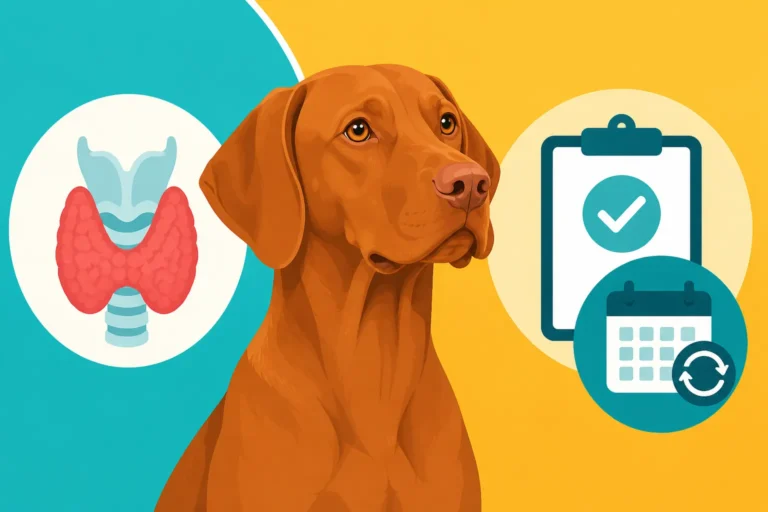
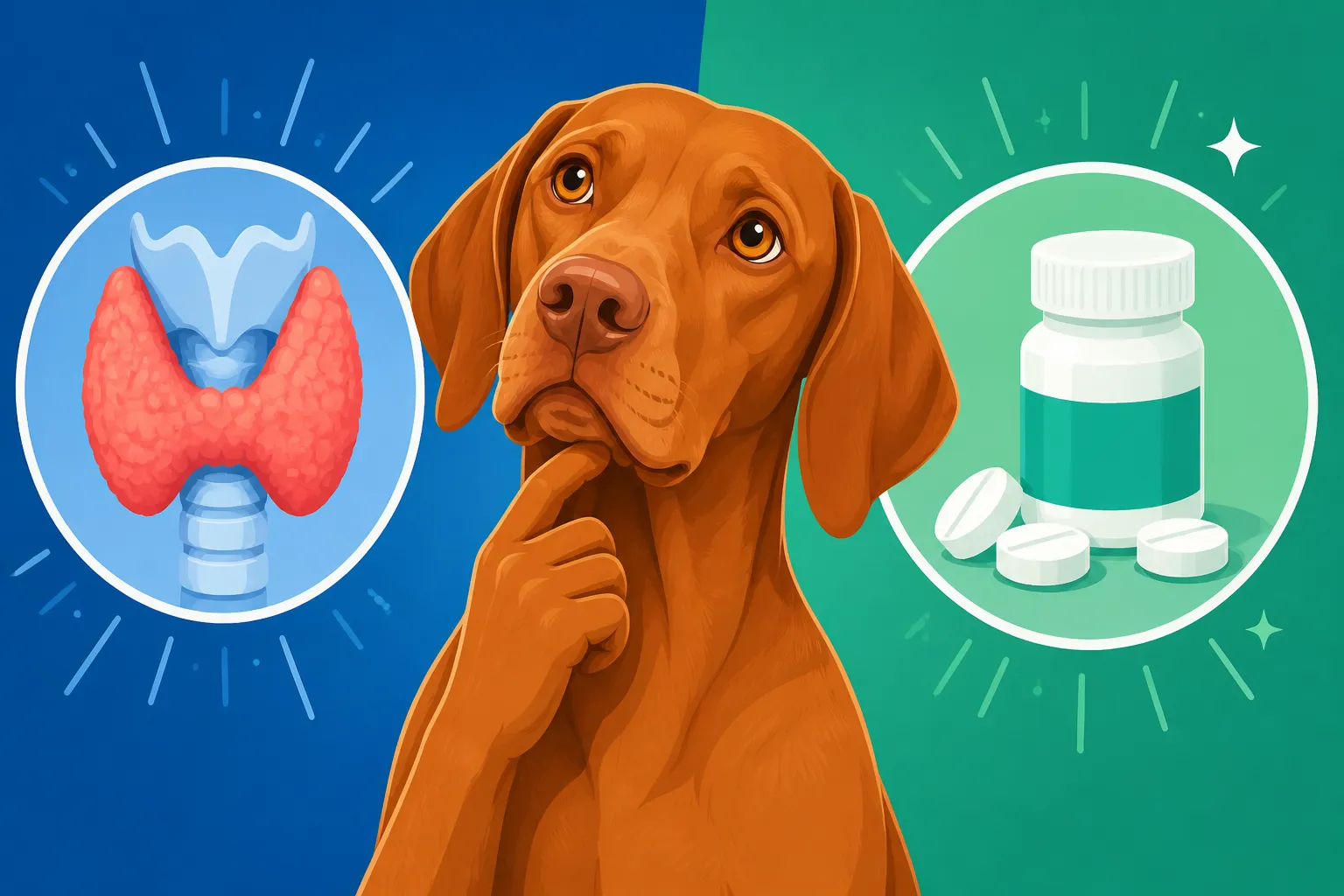
Hypothyroidism is a condition where your dog's thyroid gland, located in the neck, doesn't produce enough thyroid hormones. These hormones are absolutely critical for regulating metabolism, energy levels, skin and coat health, and even cognitive function. When these levels drop, it impacts nearly every system in your dog's body. For a breed as active and energetic as the Vizsla, the changes can be particularly noticeable and distressing.
Why Vizslas are Prone to Thyroid Issues
While any dog can develop hypothyroidism, some breeds, including Vizslas, seem to have a higher predisposition. This often comes down to genetics, with autoimmune thyroiditis being the most common cause. In this scenario, the dog’s own immune system mistakenly attacks and destroys the thyroid gland over time. This slow destruction means that by the time clinical signs become apparent, a significant portion of the gland may already be non-functional. The fact that Vizslas are known for their sensitive immune systems, which can sometimes lead to conditions like Why Vizslas Carry So Much Immune Disease, makes them more susceptible to such autoimmune disorders. It's not uncommon for concerned breeders and owners to ask Whether a Vizsla's Thyroid Should Be Tested Yearly as a preventative measure or as part of a breeding soundness exam. Understanding this genetic link helps prepare owners for the possibility and ensures they are vigilant about potential symptoms.
Recognizing the Subtle Signs of Low Thyroid
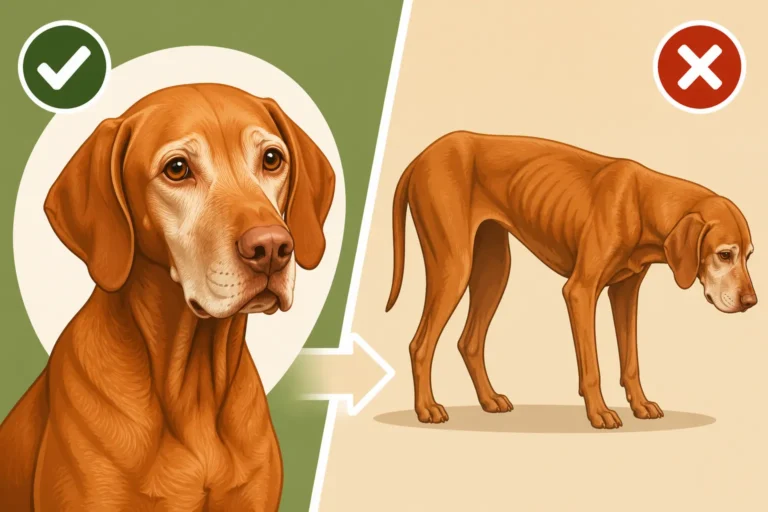
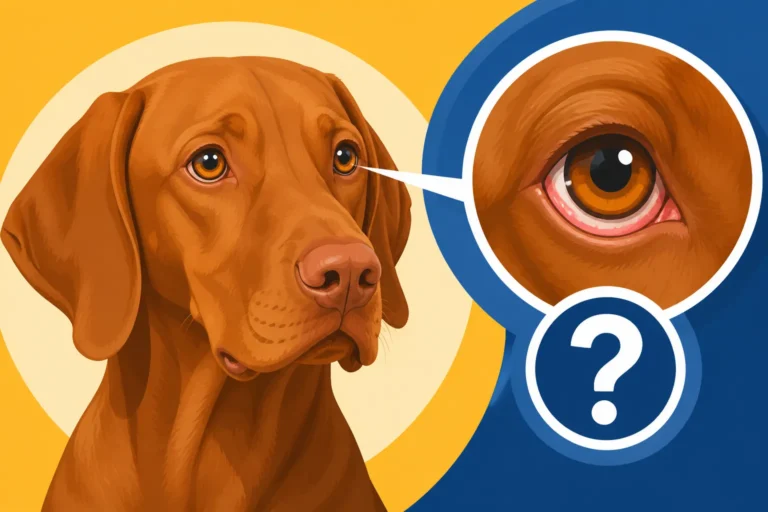
The symptoms of hypothyroidism in Vizslas can be incredibly varied and often mimic other conditions, which can make diagnosis tricky for even the most experienced veterinarians. Initially, you might notice subtle shifts that you might attribute to age or a temporary dip in energy. Perhaps your usually boundless Vizsla is a little less enthusiastic about that morning run, or they seem to tire more quickly. Weight gain is a classic sign, often happening despite no change in diet or exercise, because their metabolism has slowed to a crawl. Beyond these, changes in their beautiful golden-rust coat are a huge red flag. You might observe thinning hair, particularly on the flanks or tail, a dull or dry coat, or even hair loss that makes you wonder Whether a Vizsla's Coat Loss Is Thyroid or Skin Disease. Other signs can include increased lethargy, intolerance to cold (you might notice your Vizsla shivering more often indoors or seeking out warm spots), dry or flaky skin, and even a dull, "sad" expression. Some dogs might develop a "tragic" facial expression due to thickening of the skin around the eyes. If your Vizsla is showing any of these symptoms, especially a combination of them, it’s definitely time to have a conversation with your vet about a thyroid panel. Early detection, while challenging, can make a significant difference in how quickly your dog feels better once treatment begins.
The Science Behind Thyroid Medication for Vizslas
When a Vizsla is diagnosed with hypothyroidism, the good news is that it’s usually very treatable. The condition isn't curable in the sense that the thyroid gland will magically start working again, but it's highly manageable with lifelong medication. The treatment essentially replaces the hormones your dog’s body isn't producing, allowing their metabolism and all the affected bodily functions to return to normal.
How Levothyroxine (Thyroid Hormone) Works
The primary medication used to treat hypothyroidism in dogs, including Vizslas, is synthetic levothyroxine, often referred to simply as L-thyroxine or thyroid hormone. This medication is identical to the natural thyroid hormone (T4) that a healthy thyroid gland would produce. When your Vizsla takes levothyroxine, it's absorbed into their bloodstream and then converted by the body into T3, the active form of the hormone, as needed. This process effectively normalizes their thyroid hormone levels, thereby kickstarting their metabolism, improving energy levels, and reversing the clinical signs associated with the deficiency. Think of it as putting the right fuel back into an engine that was sputtering because it was running on fumes. Because this is a replacement therapy, it's crucial for your Vizsla to receive the medication consistently, usually once or twice a day, every day for the rest of their lives. There’s no skipping doses, as their body relies on this external source.
Starting Treatment and Finding the Right Dose
Once your veterinarian has confirmed a diagnosis of hypothyroidism through blood tests – typically a full thyroid panel that includes T4, free T4, and TSH – they will prescribe an initial dose of levothyroxine. This initial dose is usually calculated based on your Vizsla's body weight, but it's important to remember that every dog is an individual. What works perfectly for one Vizsla might be too much or too little for another. This is why a critical part of the treatment process involves follow-up blood tests to ensure the dosage is optimal. Usually, these re-checks are done approximately 4-6 weeks after starting medication, and then possibly again after any dose adjustments. The goal is to get their thyroid hormone levels into the normal range, without overshooting into hyperthyroidism, which would bring its own set of problems. Many Vizsla owners are relieved to find that the medication is relatively inexpensive, especially compared to treatments for other complex health issues. However, if you are concerned about ongoing costs for chronic conditions, especially given that Vizslas can face other health challenges like The Muscle Disease Named After the Vizsla, having pet insurance from providers like Healthy Paws can certainly help manage expenses.
What to Expect During and After Treatment
Starting your Vizsla on thyroid medication is often a journey of patience and careful observation. It's not usually an overnight miracle, but the improvements, when they come, are incredibly rewarding.
Timelines for Seeing Improvement
One of the most common questions Vizsla owners have is, "How long until my dog feels better?" The timeline for improvement can vary, but generally, the first changes you'll notice are in your Vizsla's energy levels and overall demeanor. Within a few days to a couple of weeks, you might observe them having more pep in their step, being more engaged, and simply acting more like their old selves. Their lethargy should start to lift, and they might show more interest in playtime or walks. Weight loss, if they were hypothyroid and overweight, might start to occur within a few weeks as their metabolism speeds up, and they'll likely tolerate cold less poorly.
However, improvements in their coat and skin, which were often the most visible and concerning symptoms for owners, take much longer. Hair regrowth is a slow process, and it can take anywhere from 2-4 months, or even longer, for their coat to return to its full luster and thickness. So, if you're not seeing a plush coat immediately, don't despair – that's normal. It’s important to stay consistent with the medication and continue with your vet’s recommended recheck schedule. During these rechecks, your vet will assess their clinical signs and perform blood tests to make sure their hormone levels are within the therapeutic range.
Long-Term Management and Monitoring
Hypothyroidism in Vizslas is a lifelong condition, meaning the medication will be a permanent part of their daily routine. This requires a commitment to consistent dosing and regular veterinary check-ups. After the initial stabilization period, your vet will likely recommend annual or semi-annual blood tests to monitor thyroid hormone levels and ensure the dosage remains appropriate. Factors like age, changes in weight, or the development of other health conditions can sometimes necessitate dose adjustments. It's also vital to be upfront with your vet about any other medications your Vizsla is taking, as some drugs can interact with levothyroxine or affect thyroid hormone levels. Keeping good records of your Vizsla's medication schedule, dosage, and any observations you have about their energy, weight, or coat changes can be incredibly helpful for your vet. Many Vizsla owners also find it reassuring to have pet insurance, like a policy from Healthy Paws, to help cover the costs of these ongoing medications and routine bloodwork, as chronic conditions can add up over time. This proactive approach ensures your Vizsla can lead a full, active life, continuing to enjoy activities like the field work they were bred for.
Addressing Common Concerns and Challenges
While thyroid medication is highly effective for most Vizslas, it's natural to have questions and concerns, especially when dealing with a lifelong condition. Understanding potential bumps in the road can help you navigate treatment more confidently.
Potential Side Effects and What to Do
Generally, levothyroxine is a very safe medication with few side effects when administered correctly. However, if the dose is too high, your Vizsla might show signs of hyperthyroidism, which is essentially having too much thyroid hormone. Symptoms of hyperthyroidism can include increased thirst and urination, restlessness, excessive panting, weight loss despite a good appetite, and sometimes even aggression or hyperactivity. If you notice any of these signs, it's crucial to contact your veterinarian immediately. They will likely recommend another blood test to check hormone levels and adjust the dosage downwards.
On the flip side, if the dose is too low, you simply won't see the expected improvements, and your Vizsla will continue to display the signs of hypothyroidism. This is why regular monitoring is so important – it ensures your Vizsla is on the "Goldilocks" dose that's just right. While rare, some dogs can have an allergic reaction to the medication, but this is extremely uncommon. Always follow your vet's instructions carefully regarding dosage and administration to minimize any risks. For peace of mind, especially with the cost of managing chronic conditions or unexpected issues that may arise, having pet insurance from a reputable provider like Healthy Paws can be a real game-changer.
When Medication Doesn't Seem to Work
It can be incredibly frustrating if you've been diligently giving your Vizsla their thyroid medication, but they don't seem to be getting better. If you're not seeing the expected improvements after several months, there are a few reasons why this might be the case, and it’s important to work closely with your vet to troubleshoot.
Firstly, compliance is key. Are you giving the medication consistently, at the same time each day, and without missing doses? Even occasional missed doses can impact effectiveness. Secondly, the dosage might simply not be right. This is why those follow-up blood tests are non-negotiable; they ensure the medication is actually bringing the thyroid levels into the therapeutic range. Sometimes, it takes a few adjustments to find that perfect balance.
Another possibility is that the initial diagnosis was incorrect, or there's an underlying condition mimicking hypothyroidism. For example, some illnesses or medications can suppress thyroid hormone levels, leading to a "sick euthyroid" state where the thyroid gland itself is healthy, but the body’s overall illness makes the numbers look low. This is why a comprehensive diagnostic approach is always best, particularly when Thyroid Failure in a Vizsla is suspected. It’s also possible that your Vizsla has another health issue contributing to their symptoms that needs to be addressed independently. Conditions such as The Cancers That Take a Vizsla Early or other immune-mediated diseases can certainly impact a dog’s overall health and mask or exacerbate thyroid issues. Your vet might re-evaluate the diagnosis, explore other potential health problems, or consider other factors like medication absorption if your Vizsla isn't responding as expected. The good news is that for true hypothyroidism, medication usually works remarkably well, transforming a sluggish, sad Vizsla back into the energetic, affectionate companion you know and love.
| Symptom Category | Before Treatment (Hypothyroid) | After Treatment (Euthyroid) | Time to See Improvement |
|---|---|---|---|
| Energy & Behavior | Lethargy, reduced activity, mental dullness | Increased energy, improved alertness, more playful | 1-2 weeks |
| Weight | Unexplained weight gain | Gradual weight normalization | 4-8 weeks |
| Coat & Skin | Dry, dull coat, hair loss (flanks, tail), flaky skin | Shinier coat, hair regrowth, healthier skin | 2-4 months (or longer) |
| Temperature | Cold intolerance, seeking warmth, shivering | Normal temperature regulation | 2-4 weeks |
| Overall Health | General malaise, poor stamina | Improved stamina, better quality of life | Varies, ongoing |
Ultimately, for most Vizslas diagnosed with hypothyroidism, thyroid medication is incredibly effective. It allows them to regain their vitality, maintain a healthy weight, and show off that magnificent golden-rust coat once more. It's a commitment, yes, but one that ensures your beloved companion can continue to thrive and enjoy many more years by your side. Remember, regular vet check-ups are key to managing this condition successfully, and keeping an eye on your Vizsla’s specific needs will ensure they remain happy and healthy. Ensuring you’re prepared for the long haul, potentially with support from pet insurance like that offered by Healthy Paws, allows you to focus on what matters most: your Vizsla’s well-being.
Disclaimer
The information provided in this article is for educational purposes only and is not a substitute for professional veterinary advice. Always consult with a qualified veterinarian for any health concerns or before making any decisions related to your Vizsla's health and treatment plan.