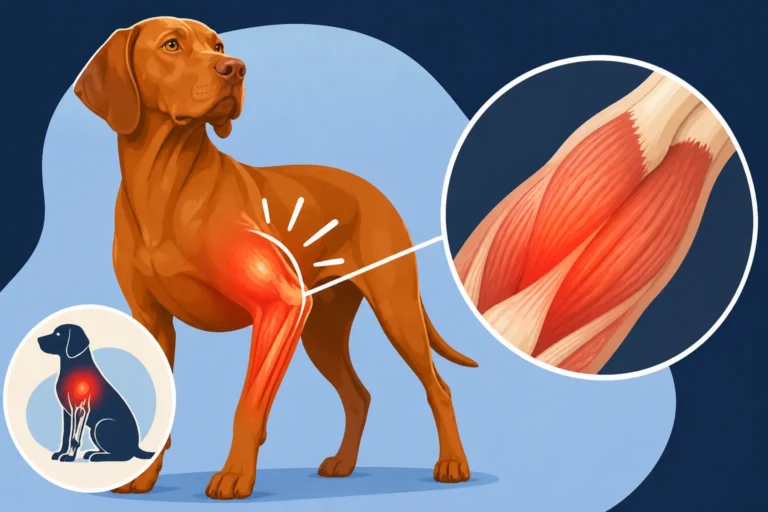
Whether a Vizsla Gets Lupus
It’s a heartbreaking reality that our beloved Vizslas, with their vibrant energy and affectionate nature, can be prone to certain health challenges, especially those involving their immune systems. Many Vizsla owners worry about autoimmune conditions, and a common question that arises is whether these wonderful dogs can suffer from lupus. This guide aims to shed light on canine lupus, its implications for Vizslas, and how we can best support our furry companions.
Understanding Lupus in Dogs: Is Your Vizsla at Risk?
The word "lupus" often brings up images of complex, chronic illness, and rightly so. In the canine world, much like in humans, lupus is an autoimmune disease, meaning the body's immune system, which is designed to protect against foreign invaders like bacteria and viruses, mistakenly attacks its own healthy tissues. This can lead to a wide array of symptoms and can be incredibly frustrating to diagnose and manage. For Vizsla owners, this is a particularly pertinent concern given the breed's known predisposition to immune-mediated conditions.
What is Canine Lupus?
Canine lupus isn't a single, straightforward condition; rather, it manifests in a couple of primary forms, each with its own set of characteristics. At its core, lupus involves the immune system essentially turning on itself. Instead of recognizing the body's cells as "self," it identifies them as "foreign" and launches an attack. This mistaken identity can affect nearly any part of the body, from the skin and joints to vital organs like the kidneys and blood cells. It's a condition that can wax and wane, making it unpredictable and often distressing for both the dog and their owner.
For a breed like the Vizsla, which some experts believe may have a genetic predisposition to various autoimmune disorders, understanding the fundamentals of lupus is crucial. It’s part of a broader conversation about Why Vizslas Carry So Much Immune Disease Although not every Vizsla will develop an autoimmune issue, it's wise for owners to be aware of the signs and the general health landscape of their breed.
Systemic Lupus Erythematosus (SLE) vs. Discoid Lupus Erythematosus (DLE)
When we talk about canine lupus, we are typically referring to one of two main forms: Systemic Lupus Erythematosus (SLE) and Discoid Lupus Erythematosus (DLE). They are both autoimmune, but their impact on the dog's body is quite different.
Systemic Lupus Erythematosus (SLE) is the more severe and widespread form. As the name "systemic" suggests, it can affect multiple organ systems throughout the body. Think of it as the immune system going on an indiscriminate rampage, targeting everything from the joints and muscles to the kidneys, red blood cells, and skin. This makes SLE incredibly challenging to diagnose, as its symptoms can mimic many other diseases. A Vizsla suffering from SLE might present with lameness, fever, anemia, skin lesions, or even kidney issues, often simultaneously or in a confusing sequence. It's a condition that truly speaks to the complexity of Why a Vizsla's Immune System Is the Breed's Weak Point
Discoid Lupus Erythematosus (DLE), on the other hand, is generally a milder, localized form of lupus primarily affecting the skin. It’s often referred to as "cutaneous lupus." While not as life-threatening as SLE, DLE can still cause significant discomfort and disfigurement. The most common areas affected are the nose (loss of pigment, crusting, sores), lips, around the eyes, and sometimes the ears and genitals. Unlike SLE, DLE rarely progresses to affect internal organs. While any dog can develop DLE, certain breeds, including Vizslas, are thought to be more prone to it. It’s a condition that can sometimes be confused with or even exist alongside other Vizsla skin issues, such as those discussed in What Sebaceous Adenitis Does to a Vizsla
The Vizsla's Predisposition to Autoimmune Issues
It's a common lament among Vizsla enthusiasts that our beautiful dogs seem to face a higher incidence of autoimmune diseases compared to many other breeds. While definitive scientific evidence linking every single autoimmune condition specifically to Vizslas is still an ongoing area of research, anecdotal evidence from breeders, veterinarians, and owners strongly suggests a genetic component to these vulnerabilities. This predisposition means that conditions like lupus, while not exclusively Vizsla problems, are certainly on our radar more frequently.
The theory often points to a relatively small gene pool in the breed's history, especially after the two world wars when the Vizsla population dwindled dramatically. This created a genetic bottleneck, meaning that certain genes, including those that might predispose dogs to autoimmune disorders, became more concentrated. Therefore, when we ask Whether Vizslas Have More Autoimmune Disease Than Most many breed experts would lean towards "yes." This genetic susceptibility means that if an autoimmune condition like lupus is present in a Vizsla’s lineage, there's a higher chance of it appearing in future generations. It’s a somber but important consideration for responsible breeding and for owners monitoring their dogs' health.
Recognizing the Subtle Signs of Lupus in Your Vizsla
Spotting lupus in a Vizsla can be like chasing a ghost – the symptoms are often vague, mimic other conditions, and can come and go. As owners, we spend so much time with our dogs that we become attuned to their subtle changes, and that intuition is often our best first line of defense. However, knowing what to look for, especially with a condition as protean as lupus, can make a huge difference in seeking timely veterinary care.
Common Symptoms of SLE in Vizslas
When a Vizsla develops Systemic Lupus Erythematosus (SLE), the symptoms can be incredibly diverse because the disease can attack so many different parts of the body. It’s not uncommon for a dog to present with a shifting lameness, where one leg is sore one day and another the next, due to inflammation in the joints. This joint pain is often accompanied by a fluctuating fever that doesn't seem to respond to standard antibiotics.
Other signs might include unusual skin lesions, crusting, hair loss, or ulcerations, which can be tricky to differentiate from other common skin issues. Some Vizslas might develop anemia (low red blood cell count), which could make them appear lethargic or weak, or even thrombocytopenia (low platelet count), leading to easy bruising or bleeding. Kidney involvement can lead to increased thirst and urination, and liver problems might cause vomiting or jaundice. It's a true diagnostic puzzle, and veterinarians often need to rule out many other conditions before arriving at an SLE diagnosis. This is why when you notice something "off," it's crucial to consult your vet; they might even recommend a Whether a Vizsla Needs a Yearly Blood Panel to catch these subtle internal changes.
Diagnosing Lupus in Our Red Dogs
Diagnosing lupus in Vizslas is a multi-step process that often involves ruling out a host of other conditions. Because the symptoms are so varied and non-specific, there isn't one single "lupus test." Vets will typically start with a thorough physical examination and a comprehensive history from you, the owner. They'll then move on to blood tests, including a complete blood count (CBC) and a biochemistry panel, to check for anemia, low platelets, kidney values, and liver enzyme elevations.
The most definitive test for SLE is usually the antinuclear antibody (ANA) test. A positive ANA test indicates the presence of antibodies that attack the body's own tissues, which is characteristic of autoimmune diseases like lupus. However, a positive ANA alone isn't enough for a diagnosis; it needs to be combined with clinical signs and the exclusion of other diseases. For DLE, a skin biopsy is often the gold standard. A veterinary dermatologist will take a small tissue sample from an affected area, and a histopathologist will examine it under a microscope for characteristic cellular changes indicative of DLE. This biopsy can also help to rule out other skin conditions.
Differentiating Lupus from Other Vizsla Health Concerns
One of the biggest hurdles in diagnosing lupus, especially DLE, is that its symptoms can look remarkably similar to those of other conditions common in Vizslas. For example, hair loss and skin issues on the face can easily be mistaken for allergies, bacterial infections, or even another autoimmune skin disease like sebaceous adenitis. The distinctive crusting and depigmentation of the nose seen in DLE could be confused with a contact dermatitis or a fungal infection.
Similarly, the lameness and fever associated with SLE could be attributed to anything from a sporting injury to an infection or another type of inflammatory joint disease. This overlap means that your veterinarian will likely perform a series of diagnostic tests to systematically eliminate other possibilities. It's a frustrating but necessary process. Owners who are familiar with specific Vizsla health issues, such as Whether a Vizsla Gets Addison's Disease or Thyroid Failure in a Vizsla, will understand this challenge. A clear diagnosis is paramount to ensuring your Vizsla receives the correct and most effective treatment plan, avoiding unnecessary medications or delays in appropriate care.
Here's a quick comparison of the two main types of canine lupus:
| Feature | Systemic Lupus Erythematosus (SLE) | Discoid Lupus Erythematosus (DLE) |
|---|---|---|
| Affected Areas | Multiple organ systems: joints, skin, kidneys, blood cells, muscles, nervous system | Primarily skin, especially nose, lips, eyelids, ears, sometimes paw pads or genitals |
| Severity | Potentially life-threatening, chronic, and severe | Generally benign, localized, and chronic; rarely progresses to systemic |
| Common Symptoms | Shifting lameness, fever, lethargy, anemia, thrombocytopenia, skin lesions, kidney/liver issues | Loss of pigment (especially on nose), crusting, scaling, ulcers, sores, redness, itching |
| Diagnostic Tests | ANA test (Antinuclear Antibody), blood tests (CBC, biochemistry), urinalysis, imaging | Skin biopsy for histopathology; sometimes ANA test (less relevant for DLE) |
| Prognosis | Variable, depends on severity and organ involvement; often requires lifelong management | Good, generally manageable with medication, rarely fatal |
| Vizsla Predisposition | Yes, breed appears to have a higher risk for autoimmune diseases, including SLE | Yes, Vizslas are one of the breeds predisposed to DLE |
Living with Lupus: Management and Support for Your Vizsla
Receiving a lupus diagnosis for your Vizsla can be overwhelming, but it's important to remember that with proper management, many dogs can lead comfortable and fulfilling lives. The goal of treatment is to control the immune response, alleviate symptoms, and maintain the best possible quality of life for your furry friend. It's a marathon, not a sprint, and requires dedication and a close partnership with your veterinarian.
Medical Treatments for Canine Lupus
Treatment for lupus in Vizslas largely depends on whether it's SLE or DLE, and the severity of the symptoms. For Discoid Lupus Erythematosus (DLE), topical medications are often the first line of defense. These can include corticosteroid ointments or tacrolimus, an immunomodulating cream, applied directly to the affected skin. In more persistent or widespread cases, oral medications like corticosteroids (e.g., prednisone), vitamin E, or omega-3 fatty acids might be prescribed. Sometimes, specific antibiotics are used if secondary bacterial infections develop on the damaged skin. Sun protection is also critical for DLE, as UV light can exacerbate lesions, especially on the nose.
For Systemic Lupus Erythematosus (SLE), the treatment is more aggressive and typically involves systemic immunosuppressive drugs. High doses of corticosteroids, such as prednisone, are often the initial treatment to suppress the overactive immune system. Once the symptoms are under control, the dosage is usually tapered down to the lowest effective level. Other immunosuppressants, like azathioprine, cyclosporine, or mycophenolate mofetil, may be used in conjunction with corticosteroids or as alternatives to reduce the side effects associated with long-term steroid use. Your vet might also prescribe supportive care based on the specific organs affected, such as medications for kidney disease or blood transfusions for severe anemia. Navigating these complex treatments makes understanding What Vizslas Are Most Often Treated For a valuable insight.
Long-Term Management and Quality of Life
Living with a Vizsla diagnosed with lupus means committing to long-term management. This involves regular veterinary check-ups to monitor your dog's response to medication, adjust dosages as needed, and screen for any potential side effects or complications. Blood tests will be a regular part of this, especially for SLE, to keep an eye on blood counts, organ function, and ANA levels. For DLE, close observation of skin lesions and careful sun protection are key.
Beyond medication, maintaining a supportive environment is crucial. For dogs with DLE, avoiding peak sun hours and using dog-safe sunscreen (if recommended by your vet) can make a big difference. For SLE, ensuring a calm, stress-free home, providing a balanced diet, and carefully monitoring for any new or worsening symptoms are essential. Keeping detailed records of your Vizsla's symptoms, medication schedule, and any changes you observe can be incredibly helpful for your vet. Many owners find it reassuring to have pet insurance, like a policy from Healthy Paws, to help manage the ongoing costs of diagnostics, medications, and specialist consultations associated with chronic conditions like lupus. Knowing that Insuring a Vizsla Against Immune Disease can provide financial relief allows owners to focus on their dog's care without added stress.
The Importance of a Proactive Approach
When it comes to managing lupus in your Vizsla, being proactive is paramount. This isn't a condition where you can afford to wait and see if things improve on their own. As soon as you suspect something might be wrong, whether it's persistent lameness, unusual skin lesions, or changes in energy levels, contact your veterinarian immediately. Early diagnosis and intervention can significantly impact the long-term prognosis and help prevent irreversible damage to organs in the case of SLE.
This proactive approach extends to educating yourself about the disease, understanding the potential side effects of medications, and adhering strictly to your vet's treatment plan. Don't hesitate to ask questions or seek a second opinion from a veterinary specialist, such as an internal medicine expert or a dermatologist. A good relationship with your vet is invaluable, and open communication ensures your Vizsla gets the best possible care. For instance, being vigilant about Managing a Vizsla's Skin for Life can prevent minor DLE flare-ups from becoming more severe. Remember, you are your Vizsla’s best advocate.
Breeding and Genetic Considerations for Lupus
The hereditary nature of many autoimmune diseases in Vizslas raises important questions for current and prospective owners, especially concerning breeding practices. Understanding the genetic landscape can help reduce the incidence of these conditions and contribute to the overall health of the breed.
Genetic Links and Responsible Breeding
While the exact genetic markers for canine lupus are still being researched, there's a strong consensus that a genetic predisposition plays a significant role. If a Vizsla develops SLE or DLE, it suggests that there are underlying genetic factors at play. This means that dogs diagnosed with lupus, or those with immediate relatives suffering from it, should ideally not be used for breeding. Responsible breeders strive to produce healthy puppies, and part of that commitment involves understanding the health history of their breeding lines.
The aim is to avoid inadvertently passing on genes that could lead to such debilitating conditions. This is why discussions around Whether an Affected Vizsla Should Be Bred, or even The Health Tests Both Vizsla Parents Should Have, are so critical. It’s not just about hips and elbows anymore; immune health is a serious consideration. While there isn't a specific "lupus test" for breeding stock like there is for some other genetic diseases, a breeder's diligence in tracking health information, observing the incidence of autoimmune issues in their lines, and being transparent with potential buyers is crucial for improving breed health over time.
Supporting Your Vizsla's Immune Health
Beyond genetic considerations, there are proactive steps owners can take to support their Vizsla’s overall immune health, even if they don't have a lupus diagnosis. A strong immune system is the best defense against disease, and while you can't change genetics, you can influence environmental factors.
Providing a high-quality, balanced diet is fundamental. Look for foods with good protein sources, healthy fats (like omega-3s, which can also help with inflammation), and appropriate vitamins and minerals. Some owners even consult with veterinary nutritionists for tailored advice. Regular, appropriate exercise is also vital for maintaining overall health, but avoid over-exertion, especially in extreme weather, as stress can sometimes trigger immune responses. Minimizing exposure to environmental toxins and chemicals, reducing stress where possible, and maintaining a regular vaccination and parasite prevention schedule are all part of a holistic approach to immune support. Always discuss any supplements or dietary changes with your vet, especially if your Vizsla has any known health concerns or if you are considering a raw diet or a change in kibble, perhaps to a brand that aligns with their sensitive stomachs. It's all about providing the best possible foundation for a long, healthy life.
Disclaimer
The information provided in this article is for general informational purposes only and does not constitute veterinary advice. Always consult with a qualified veterinarian for any health concerns or before making any decisions related to your Vizsla's health and treatment.