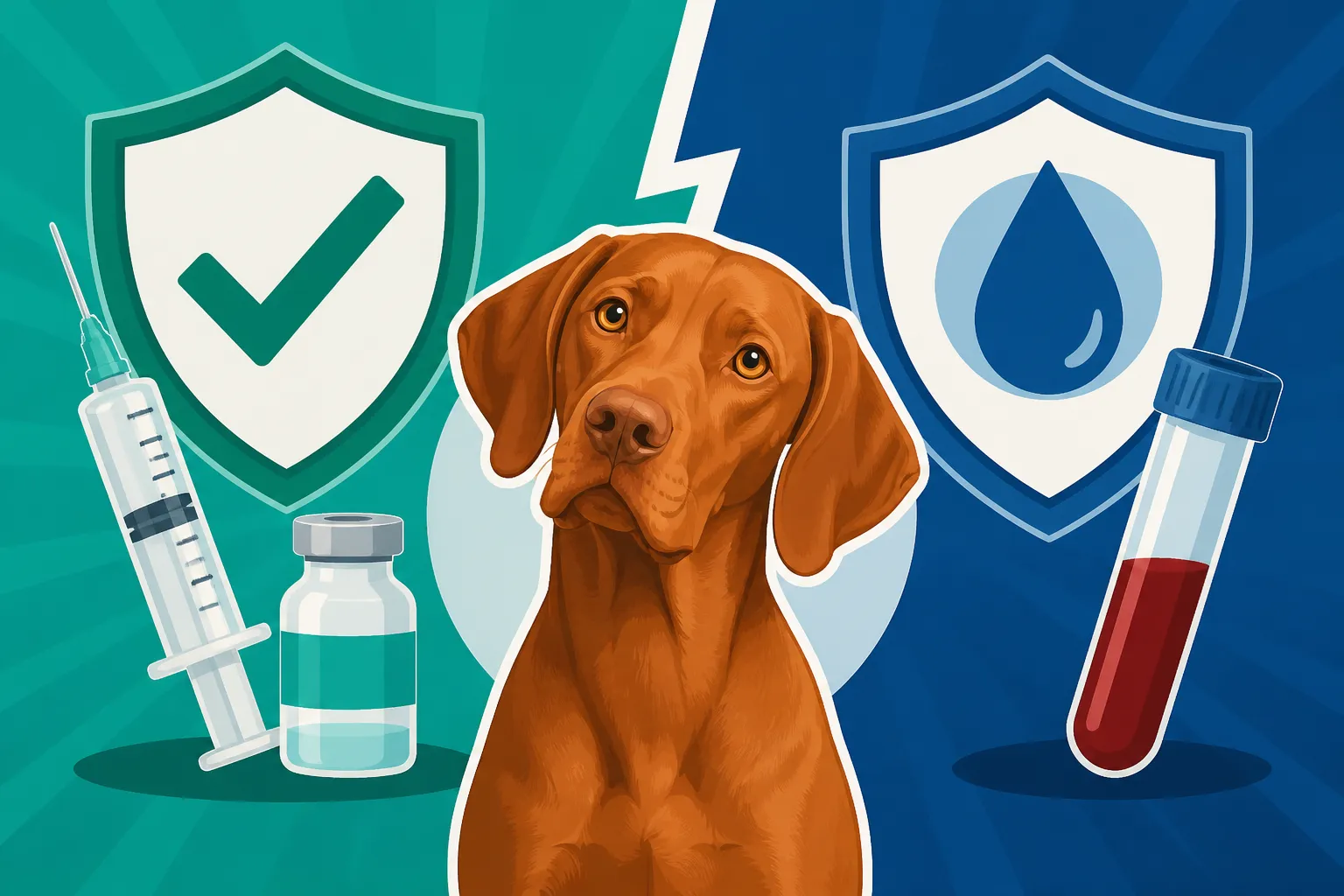
Whether a Vizsla Needs Titers Instead of Boosters
It’s a common dilemma for Vizsla owners: you want to do everything you can to protect your beloved companion from serious illnesses, but the thought of routinely injecting them with vaccines year after year can be unsettling. You worry about potential side effects, the cumulative impact on their sensitive immune systems, and if all those boosters are truly necessary. This comprehensive guide will walk you through the world of vaccine titers, explaining how they work, when they're a smart alternative, and how you can work with your vet to create a personalized, proactive health plan for your Vizsla.
Understanding Traditional Vaccination Schedules for Vizslas
For decades, the standard approach to canine vaccination has been a routine schedule of puppy shots followed by annual or triennial boosters throughout a dog's life. While these protocols have dramatically reduced the incidence of many deadly diseases, modern veterinary science and owner concerns are prompting a closer look at their necessity and impact, especially for breeds like the Vizsla.
The Standard Puppy and Adult Protocols
When you bring home a Vizsla puppy, your veterinarian will typically outline a series of core vaccinations. These usually include protection against distemper, parvovirus, adenovirus (hepatitis), and parainfluenza, often combined into one injection (DAPP or DHPP). These initial doses are crucial because puppies receive temporary immunity from their mothers, but this wanes over time, leaving them vulnerable. The puppy series aims to bridge this gap, ensuring a robust immune response once maternal antibodies are gone.
After the initial puppy series, and often a booster around one year of age, the traditional protocol moves to routine boosters. Rabies vaccination is also a core requirement, mandated by law in most places, with initial shots given at 12-16 weeks and subsequent boosters typically every one or three years, depending on local regulations and vaccine type. Non-core vaccines, like leptospirosis, Lyme disease, kennel cough, or canine influenza, are recommended based on a Vizsla's lifestyle, exposure risk, and geographical location. For a Vizsla that loves to explore the fields and woods, often getting into water, leptospirosis vaccination might be a critical consideration, for example.
Why Annual Boosters Became the Norm
The practice of annual boosters for many vaccines originated from a lack of long-term data on how long vaccine-induced immunity truly lasts. In the early days of veterinary medicine, it was safer and simpler to err on the side of caution and recommend yearly re-vaccination. It also provided a convenient yearly touchpoint for owners to bring their dogs in for a full physical examination, which is certainly still vital.
However, as research progressed, particularly over the last couple of decades, it became increasingly clear that immunity for core diseases like distemper and parvovirus often lasts much longer than a single year, sometimes even for the lifetime of the dog. Despite this evolving understanding, the habit of annual boosters persisted in many practices, leading to a situation where many dogs were likely being over-vaccinated.
Potential Risks of Over-Vaccination in Vizslas
For a breed like the Vizsla, known for its deep connection to its humans and sometimes its sensitive nature, concerns about over-vaccination are particularly valid. Vizslas, unfortunately, are statistically predisposed to a variety of immune-mediated conditions. This means their immune systems can sometimes be a bit overzealous, leading them to attack their own healthy tissues. If you're concerned about your dog possibly reacting badly, you might be interested in reading about Whether a Vizsla Reacts to Vaccines.
Over-vaccination, while generally safe for most dogs, carries potential risks that are especially concerning for breeds with immune predispositions. These can range from mild, transient reactions to more serious, systemic issues.
Common (Mild) Reactions:
- Lethargy and soreness: Your Vizsla might be a bit tired or stiff at the injection site for a day or two.
- Low-grade fever: A slight temperature elevation is not uncommon.
- Decreased appetite: They might skip a meal or two.
- Hives or facial swelling: Allergic reactions, while usually not life-threatening, can be distressing.
Less Common (More Serious) Reactions:
- Anaphylaxis: A severe, life-threatening allergic reaction requiring immediate veterinary intervention.
- Immune-mediated diseases: While a direct causal link is still debated and complex, some anecdotal evidence and theories suggest that repeated immune stimulation from vaccines could potentially trigger or exacerbate underlying immune conditions in predisposed individuals. Vizslas are already prone to issues like Why Vizslas Carry So Much Immune Disease, and any additional burden on their immune system can be a source of worry for owners.
- Injection site sarcomas: Though rare, particularly with modern vaccine formulations, some dogs can develop malignant tumors at injection sites, especially with certain types of vaccines.
- Behavioral changes: Less commonly, some owners report temporary behavioral changes post-vaccination, which might manifest as increased anxiety or irritability in a sensitive Vizsla.
Considering these possibilities, it's completely understandable why Vizsla owners seek alternatives to blanket annual vaccination policies. It's about finding a balance between protecting them from disease and safeguarding their overall long-term health.
What Are Vaccine Titers and How Do They Work?
In recent years, vaccine titer testing has emerged as a valuable tool, offering a more personalized and scientifically informed approach to managing your Vizsla's immunity. Instead of simply re-vaccinating on a schedule, titers allow you to determine if your dog already has sufficient protection.
The Science Behind Antibody Testing
A vaccine titer test is a simple blood test that measures the level of specific antibodies circulating in your Vizsla's bloodstream. When your dog receives a vaccine, their immune system is exposed to a weakened or inactivated form of a virus or bacteria. In response, it produces antibodies, which are specialized proteins designed to recognize and neutralize these pathogens if your dog encounters them in the future. Memory cells are also created, providing long-lasting protection.
The titer test essentially checks for the presence and quantity of these antibodies. A sufficient level of antibodies indicates that your Vizsla has a protective immune response and is likely protected against that specific disease. Conversely, a very low or absent titer might suggest that protection has waned, and a booster could be beneficial. It's not just about the number of antibodies present; it's also about the memory of the immune system. Even if antibody levels drop over time, the immune system often retains the memory cells needed to quickly mount a protective response when challenged.
Interpreting Titer Results for Core Vaccines
Interpreting titer results can sometimes feel a bit like reading a foreign language, but your vet can help. For core diseases like distemper and parvovirus, the results are typically reported as a ratio or a score (e.g., 1:80, 1:160, or simply "positive" or "negative" for protection).
- Protective Titer: A "positive" or sufficiently high titer level for distemper or parvovirus generally indicates that your Vizsla has protective immunity and likely does not need a booster at that time. Many studies have shown that these protective titers can last for many years, sometimes for the entire life of the dog. This means you might be able to avoid repeated vaccinations that your Vizsla's immune system doesn't require.
- Non-Protective Titer: A "negative" or very low titer might suggest that your Vizsla's immunity has waned, and a booster vaccination would be advisable to ensure they are adequately protected.
It's important to understand that a low antibody titer doesn't always equate to zero protection. The immune system's memory cells can still provide rapid protection even when circulating antibody levels are low. However, for practical purposes in a clinical setting, a demonstrably protective titer is the most reassuring sign that a booster can be safely deferred. Your veterinarian will use their expertise, combined with the lab results, to determine the best course of action.
When Titers Are a Viable Alternative to Boosters
Titer testing is an excellent alternative to routine boosters in several specific situations:
- Vizslas with a history of vaccine reactions: If your Vizsla has previously experienced adverse reactions to vaccines, even mild ones like significant lethargy or hives, titer testing can help reduce the frequency of re-vaccination and minimize future risks.
- Older Vizslas: As Vizslas age, their immune systems can become less robust, but they may also have cumulative vaccine exposure. Titer testing can help avoid unnecessary immune stimulation in senior dogs who may already have strong, long-lasting immunity. Caring for The Old Vizsla That Still Wants to Hunt sometimes means making adjustments to their health protocols.
- Vizslas with immune-mediated conditions: For dogs diagnosed with conditions such as Thyroid Failure in a Vizsla or other autoimmune diseases, minimizing unnecessary immune challenges is often a priority. Titers provide a way to confirm protection without potential immune system triggers.
- Owners seeking to minimize vaccine load: Many owners simply prefer a less-is-more approach to their dog's healthcare, wanting to avoid any unnecessary medical interventions. Titers empower them to make data-driven decisions.
- Rescue dogs with unknown vaccine history: If you've adopted a Vizsla and have no record of their previous vaccinations, titers can quickly establish their immune status for core diseases, allowing for targeted vaccination if needed, rather than starting a full, potentially redundant, series.
- Pre-travel or boarding requirements: In some cases, if you need to prove your Vizsla's immunity for travel or boarding but want to avoid an immediate booster, a current titer might be accepted, although this varies widely (especially for rabies).
By choosing titers, you're embracing a more informed and tailored approach to your Vizsla's health, focusing on actual immunity rather than simply following a calendar.
Navigating the Practicalities of Titer Testing for Your Vizsla
Deciding to go the titer route for your Vizsla is a great step towards personalized preventative care. However, there are some practical aspects to consider, from the actual process to costs and legal requirements.
The Process of Getting a Titer Test
The process for getting a titer test is relatively straightforward:
- Discussion with your Veterinarian: Start by having a conversation with your vet about your desire to pursue titer testing for your Vizsla. Not all veterinary clinics routinely offer titers as an alternative to boosters, so it's good to gauge their openness and understanding. A good vet will be happy to discuss the pros and cons and help you decide what's best.
- Blood Draw: Once you decide to proceed, your Vizsla will need a simple blood draw. This is similar to any other routine blood test. The sample is then sent to a specialized veterinary diagnostic laboratory.
- Lab Analysis: The lab will analyze the blood sample for antibodies against specific diseases, most commonly canine distemper virus and parvovirus. Results for these core diseases are usually available within a few days to a week.
- Receiving and Interpreting Results: Your vet will receive the results and explain them to you. They will advise whether your Vizsla has protective antibody levels and if a booster is indicated.
In terms of frequency, if your Vizsla shows a protective titer, many veterinarians suggest re-testing every three years or so for core vaccines. This mirrors the longer interval now recommended for boosters, ensuring ongoing monitoring without over-testing.
Deciding Which Vaccines to Titer For
It's important to understand that titer testing is primarily recommended for the core viral vaccines:
- Canine Distemper Virus
- Canine Parvovirus
- Canine Adenovirus (Hepatitis)
These are the diseases for which vaccine-induced immunity is known to be long-lasting. If your Vizsla travels or is often exposed to other dogs, you may be especially vigilant about their overall health, including potentially researching What Vizslas Are Most Often Treated For.
For non-core bacterial vaccines like leptospirosis, Lyme disease, and kennel cough (Bordetella), titer testing is generally not a viable alternative. This is because immunity from these vaccines is typically shorter-lived and relies more on direct antibody presence rather than long-term cellular memory. Furthermore, the nature of these diseases and how they are transmitted often warrants more frequent vaccination if your Vizsla is at risk. For instance, if your Vizsla is often in marshy areas or exposed to wildlife, regular leptospirosis boosters might still be recommended, regardless of titers for core diseases.
Costs and Coverage Considerations
One of the common questions about titer testing is the cost. Initially, a titer test can be more expensive than a single booster shot. A typical titer panel for distemper and parvovirus might range from $80 to $200 or more, depending on your location and veterinary clinic, whereas a booster might be $30-$60.
However, consider the long-term perspective:
- If a titer test shows your Vizsla has sufficient immunity, you can potentially avoid several years of boosters, making the upfront cost a worthwhile investment over time.
- Reducing the number of injections may also reduce the risk of vaccine reactions, saving potential future vet bills and stress.
- Some pet insurance providers, like Healthy Paws, may cover diagnostic tests, which could include titer testing, especially if recommended by a veterinarian due to a specific health concern or as part of a wellness plan. It’s always best to check your specific policy details with Healthy Paws or any other insurer to understand what’s covered under your plan. They often have different tiers of coverage, and preventative or wellness add-ons are where you'd typically find coverage for things like titers. Knowing Whether an Insurer Rates a Vizsla as High Risk might influence your choice of policy, but comprehensive coverage is always a good idea. Overall, understanding What a Vizsla Costs a Year to Keep means looking at all aspects of their health budget.
| Feature | Traditional Vaccine Boosters | Vaccine Titer Testing |
|---|---|---|
| Method | Administration of vaccine via injection | Blood test to measure antibody levels |
| Goal | Stimulate immune system to create/boost antibodies | Confirm presence of existing protective antibodies |
| Frequency (Core) | Typically every 1-3 years (post-puppy series) | Every 3 years, or when immunity is questioned |
| Cost (per event) | Lower ($30-$60 per booster) | Higher ($80-$200+ per panel) |
| Long-term Cost | Potentially higher total if many boosters given | Potentially lower if boosters are deferred for years |
| Information Provided | Boosts immunity (assumed if given) | Direct evidence of existing protective immunity |
| Risk of Reaction | Present with each vaccination | Minimal (risk of blood draw only) |
| Applicability | Core & non-core vaccines | Primarily core viral vaccines (Distemper, Parvo, Adeno) |
| Legal Implications | Required for Rabies by law | Generally not accepted for Rabies legal compliance |
The Legal Landscape: Rabies Vaccination and Titers
This is a critical point that often causes confusion. While titer testing is a great way to assess immunity for distemper and parvovirus, it generally does not exempt your Vizsla from legally mandated rabies vaccinations.
Rabies vaccination laws are set at the state or local level in many countries, including the United States, and are designed for public health protection. These laws typically require vaccination at specific intervals (e.g., every one or three years) with a licensed rabies vaccine. A rabies titer, even if it shows high levels of protective antibodies, is rarely accepted as proof of current vaccination status for legal compliance. This means that if your Vizsla's rabies vaccination is due, you will most likely need to administer the booster regardless of any titer results to remain compliant with the law. This is particularly important for purposes such as licensing, travel, and demonstrating legal protection in case of a bite incident.
Some limited exceptions exist, such as specific medical exemptions granted by a veterinarian in certain states for dogs with severe vaccine reactions, but these are rare and highly regulated. For most Vizsla owners, planning for routine rabies boosters will remain a necessity, even if they opt for titers for other core vaccines.
Making the Best Decision for Your Vizsla's Health
Ultimately, the choice between titers and boosters, or a combination of both, is a highly personal one that should be made in consultation with your trusted veterinary professional. It’s about creating a health plan that best suits your Vizsla's unique needs, lifestyle, and your comfort level.
Consulting Your Veterinarian for a Personalized Plan
The first and most crucial step is to have an open, honest discussion with your veterinarian. They are your primary resource for understanding your Vizsla's individual health profile, local disease risks, and the most current veterinary guidelines. Don't be afraid to express your concerns about over-vaccination or your interest in titer testing. A good vet will:
- Listen to your concerns: Validate your worries about your Vizsla's immune system and predisposition to certain conditions.
- Assess your Vizsla's health history: Review past vaccine reactions, any existing health conditions (like a history of Epilepsy in a Vizsla or other chronic issues), and their current physical status.
- Discuss lifestyle factors: A Vizsla who spends most of its time as a companion dog in a low-exposure environment might have different needs than one who actively hunts, competes in field trials, or frequents dog parks.
- Explain current recommendations: Detail the latest scientific understanding regarding vaccine duration of immunity and titer interpretation.
- Help you create a tailored plan: This might involve titer testing for core vaccines and strategically boosting non-core vaccines based on risk, or a combination of both.
- Recommend regular wellness checks: Regardless of vaccine protocol, annual or biannual physical exams, sometimes including Whether a Vizsla Needs a Yearly Blood Panel, are vital for detecting early signs of illness and maintaining overall health.
If your current veterinarian is resistant to discussing titer options or dismisses your concerns without providing clear, evidence-based reasoning, it might be worth seeking a second opinion from a vet who is more open to individualized vaccine protocols.
Balancing Protection, Risk, and Lifestyle
The decision-making process for your Vizsla's vaccine protocol involves a careful balance:
- Optimal Protection: Your primary goal is to protect your Vizsla from preventable and potentially deadly diseases. Core vaccines for distemper and parvovirus offer crucial protection.
- Minimizing Risks: You also want to minimize the potential for adverse vaccine reactions or unnecessary immune stimulation, especially given the Vizsla's known immune system sensitivities.
- Vizsla's Lifestyle:
- High-exposure Vizsla: If your Vizsla regularly attends doggy daycare, travels to dog shows, participates in hunting activities, or lives in an area with high disease prevalence, your vet might lean towards ensuring maximum protection, which could still include strategic boosters for certain non-core vaccines.
- Low-exposure Vizsla: For a Vizsla with a more sheltered lifestyle, relying more heavily on titers for core vaccines might be a perfectly safe and appropriate choice.
- Geographical Location: The prevalence of certain diseases can vary significantly by region. For example, Lyme disease is a major concern in some areas, while virtually non-existent in others. Your vet's local knowledge is invaluable here.
Remember, a Vizsla's The Twelve to Fourteen Years a Vizsla Lives means you'll be making many health decisions over their lifetime, and being proactive and informed is key.
The Ongoing Commitment to Preventative Care
Whether you choose a traditional booster schedule, a titer-driven approach, or a hybrid of both, it’s crucial to remember that vaccinations are just one component of a comprehensive preventative healthcare plan for your Vizsla.
True preventative care encompasses so much more:
- Regular Veterinary Check-ups: These are non-negotiable. Annual exams (or biannual for seniors) allow your vet to catch subtle changes, perform necessary screenings, and provide guidance on nutrition, dental health, and behavioral wellness.
- High-Quality Nutrition: Feeding your Vizsla a balanced, appropriate diet is fundamental to supporting their immune system, maintaining a healthy weight, and providing the energy for their active lifestyle.
- Consistent Exercise and Mental Stimulation: A well-exercised and mentally engaged Vizsla is generally a healthier and happier dog.
- Parasite Prevention: Year-round prevention for fleas, ticks, heartworms, and intestinal parasites is vital, especially for an active breed that loves the outdoors.
- Dental Care: Good oral hygiene prevents pain, infection, and systemic health issues.
- Prompt Attention to Health Changes: Being observant and seeking veterinary advice quickly if you notice any changes in your Vizsla's behavior, appetite, or physical condition can make a huge difference in outcomes.
By combining thoughtful vaccine protocols with a holistic approach to their well-being, you can ensure your Vizsla enjoys a long, healthy, and vibrant life by your side.
Disclaimer
The information provided in this article is for general informational purposes only and does not constitute veterinary medical advice. Always consult with a qualified veterinarian regarding any health concerns or before making any decisions about your Vizsla's medical care, diet, or treatment. Individual needs and circumstances may vary.